The music industry is currently grappling with a complex intersection of artistic expression, corporate influence, and the power dynamics of live performance. At the center of this storm is global superstar Ed Sheeran and the recent, highly contentious decision to remove rapper Macklemore from the lineup of his ongoing "Loop Tour." As artists begin to publicly pick sides and industry stakeholders scramble to clarify their roles, the incident has sparked a broader debate about whether stadium-level artists retain the autonomy to protect their stage or if they are merely puppets for venue owners and corporate promoters.
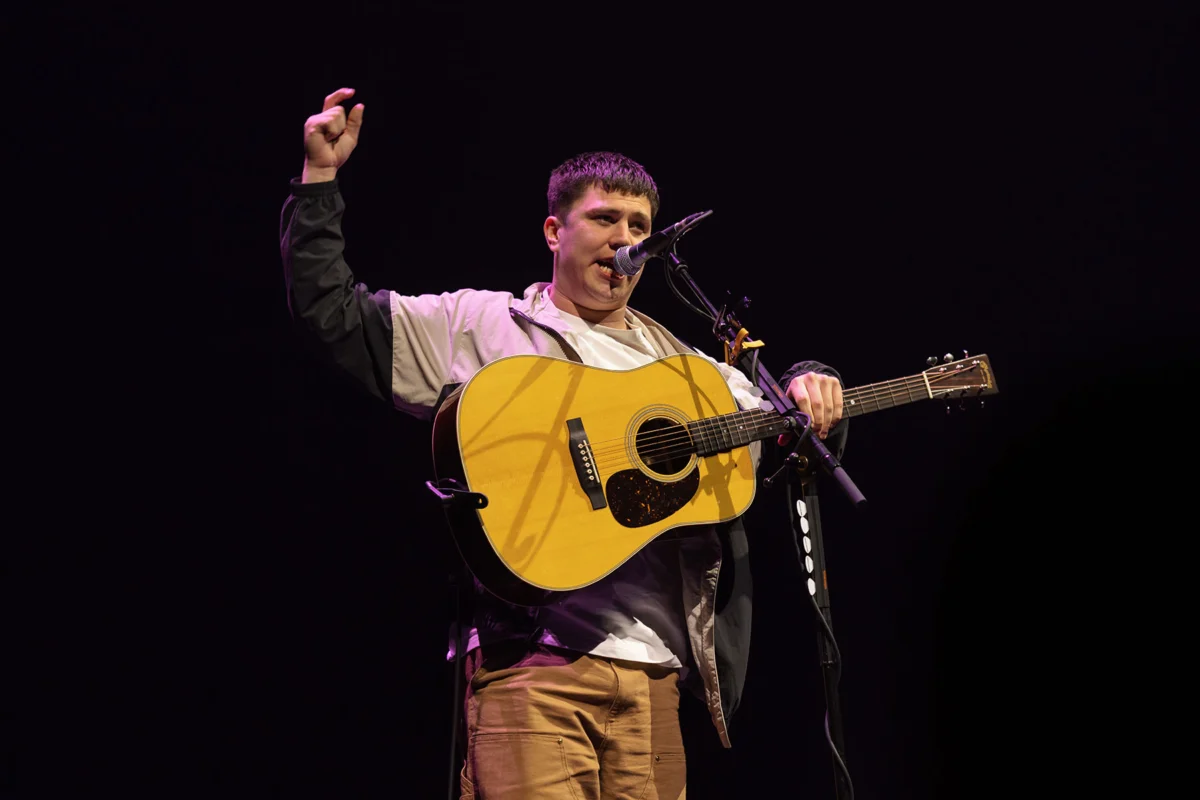
Among those speaking out is musician Aaron Rowe, who has emerged as a key voice in defending Sheeran, arguing that the public’s ire is misdirected. In a landscape defined by social media outrage, the nuances of touring contracts and venue power structures are often lost, but for those within the industry, the implications of this incident are profound.
The Chronology of a Tour in Crisis
The friction began in early September 2025, when Macklemore, scheduled to perform as a support act for Sheeran at MetLife Stadium in New Jersey, utilized his platform to make explicit pro-Palestinian statements. During his performances on September 4 and 5, the rapper debuted and performed his 2024 protest track, "Hind’s Hall." The song, which serves as a critique of current geopolitical conflicts and the treatment of protestors, resonated deeply with segments of the audience but triggered immediate alarm among venue management.
Following the performances, pressure mounted rapidly. According to multiple reports, the Kraft Group—the holding company owned by Robert Kraft, which operates Gillette Stadium—and other venue stakeholders began to signal that Macklemore’s presence on the tour would be incompatible with the "neutral" atmosphere required for their facilities.
By the following week, it was announced that Macklemore had been dropped from his remaining eight tour dates. The fallout was instantaneous. In a show of solidarity and protest, several other support acts, including Lukas Graham and FINNEAS, announced they would withdraw from the tour. The Irish folk band Beoga also cut ties with the production, citing a refusal to allow the silence of artists speaking on human rights.
The Case of the Misdirected Blame
In a video statement posted to Instagram on September 18, Aaron Rowe offered a counter-narrative to the prevailing sentiment that Ed Sheeran had personally orchestrated the removal of his opening act.
"I’m going to be honest. I think you are all focusing on the wrong person here," Rowe stated. "All I keep hearing is Ed Sheeran this, Ed Sheeran that—when you really should be focusing on the likes of Robert Kraft."
Rowe’s defense is predicated on the idea that Sheeran, despite being the headliner, is often a prisoner of the immense logistical and financial machinery required to pull off a global stadium tour. According to Rowe, the decision was not a reflection of Sheeran’s personal ideology but rather the result of "panic" within the singer’s management and promotional teams, who feared that the tour would be derailed entirely if they did not acquiesce to the demands of venue owners.
"I haven’t had a chance to talk to Ed too much, but I fully believe he knows that was a mistake," Rowe added. While acknowledging that Sheeran’s public communication regarding the situation "could have been a lot better," he emphasized that the singer’s attempts to negotiate with promoters and venue owners to keep Macklemore on the bill were ultimately overruled.
Understanding the Power Dynamics: Who Owns the Stage?
The crux of the issue lies in the relationship between touring artists and the venues that host them. In the world of stadium tours, the artist is a guest, albeit a highly lucrative one. When a venue owner like the Kraft Group expresses concern, they hold significant leverage. As Messina Touring Group—the promoters for the tour—allegedly informed the Sheeran camp, venues had warned that the upcoming concerts would not proceed if the controversial act remained on the bill.
For a tour of this magnitude, cancellation of a single stadium date can result in losses in the millions, affecting not just the headliner, but hundreds of crew members, local vendors, and logistics partners. This financial reality creates a "chilling effect" where corporate risk management often overrides artistic freedom.

Macklemore himself has been vocal about the pressure he faced. He has alleged that the Kraft Group pressured promoters to remove him, a claim that aligns with the reality of venue contracts which often contain clauses regarding "disruptive behavior" or public statements that might alienate a stadium’s specific demographic or ownership values.
Official Responses and Financial Repercussions
In an attempt to mitigate the growing PR disaster, Ed Sheeran has attempted to maintain a neutral stance, emphasizing that the decision was out of his control. He has stated that he engaged in active dialogue with activists, promoters, and venue owners in a desperate bid to find a resolution, only to find the institutional resistance too strong to overcome.
The financial component of the dispute took an unexpected turn when Macklemore pledged to donate $1 million of his net earnings from the tour to organizations supporting Palestinian relief efforts. In a pointed move, he publicly challenged Robert Kraft to match the donation. In a move that observers saw as a calculated effort to quell the backlash, Kraft later announced a $2 million commitment to humanitarian causes, citing a request from Sheeran himself as a catalyst for the donation.
While this financial move may have provided a degree of public closure, it did little to mend the frayed relationships between the artists who left the tour and the production team that remained.
The Implications for Live Music
The incident has opened a Pandora’s Box regarding the future of political expression in music. If stadium venues are to be treated as "neutral zones" where artists are effectively censored to protect corporate interests, the culture of live music risks becoming homogenized.
1. The Erosion of Artistic Autonomy
The most immediate implication is the shrinking space for artists to use their platform for social or political commentary. If an artist’s tour can be held hostage by a venue owner’s political or economic sensibilities, the "touring contract" becomes an instrument of censorship.
2. The Role of the "Super-Promoter"
The reliance on massive, centralized touring companies and venue conglomerates leaves individual artists with little room to maneuver. When a promoter faces pressure from a venue, the artist is often presented with a binary choice: comply with the venue’s demands or face total tour cancellation.
3. The New Activism
As seen with Rowe, FINNEAS, and others, there is a growing movement of artists who are prioritizing their values over their contractual obligations. This "solidarity withdrawal" is a new, potent tool in the industry. While it may hurt the immediate tour, it creates a reputational cost for promoters and venues that attempt to enforce silence.
Conclusion: A Turning Point for the Industry
As Ed Sheeran’s "Loop Tour" resumes at Lincoln Financial Field in Philadelphia—notably without any of the opening acts who chose to withdraw—the industry remains on edge. The concert will proceed, but the empty slots in the lineup serve as a silent reminder of the tensions that continue to simmer beneath the surface of the music business.
Whether or not Ed Sheeran personally "knows it was a mistake," as Aaron Rowe claims, the event has fundamentally altered the conversation around live entertainment. The expectation of artists as "neutral entertainers" is being challenged by a generation of performers who believe that silence in the face of global suffering is no longer an option.
Ultimately, this controversy serves as a stark reminder that in the modern era, the stage is never just a stage; it is a battleground where the interests of capital, corporate governance, and personal conscience collide. As the tour moves forward, the question remains: will venues continue to demand silence, or will the collective voice of the music community prove that artistic integrity is worth more than the gate receipts of a stadium show? The answer to that will define the touring landscape for years to come.