AMSTERDAM, Netherlands — The broadcast audio landscape underwent a significant transformation this week at IBC2026, as industry stalwart Calrec unveiled two major additions to its product ecosystem: the Type RT console range and the Apex M6 modular I/O platform. These product launches signal a strategic pivot by the manufacturer, aiming to bring high-end, professional-grade broadcast audio capabilities to a broader market segment, ranging from tier-one sports stadiums to community podcasting hubs.
By merging the sophisticated architecture of its flagship Argo and Type R series into a more accessible, self-contained format, Calrec is effectively lowering the barrier to entry for IP-based workflows. Simultaneously, the introduction of the Apex M6 provides a versatile, format-agnostic bridge for the increasingly complex hybrid networks currently being deployed by global broadcasters.
The Core Innovations: An Overview of the Type RT and Apex M6
The primary objective of Calrec’s IBC2026 showcase was to address the "convergence of complexity." As broadcast facilities move away from siloed hardware toward flexible, software-defined, and IP-centric infrastructures, the demand for equipment that is both powerful and intuitive has never been higher.
The Type RT Console: Power in a Compact Frame
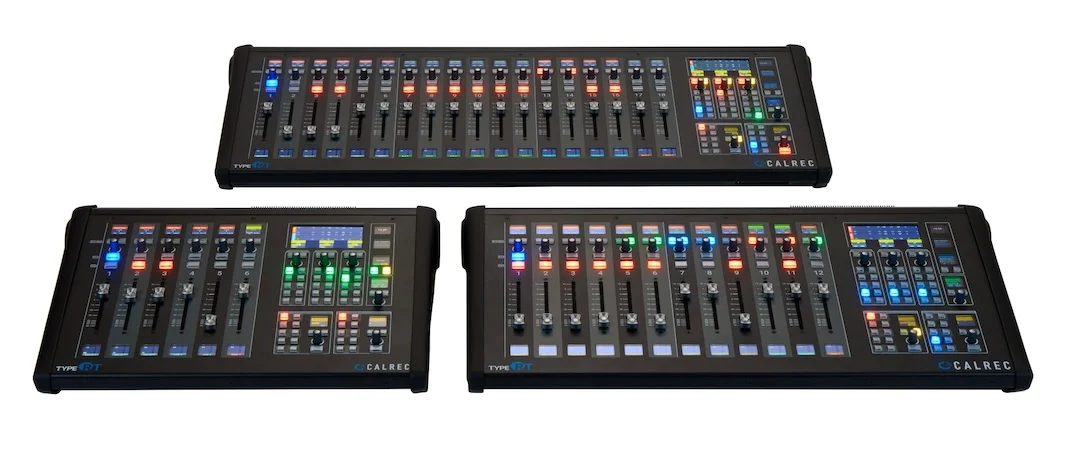
The Type RT represents a departure from the massive, multi-bay desks traditionally associated with large-scale broadcast production. Instead, it offers a "console-in-a-box" experience. Designed for versatility, the Type RT is engineered to serve as a reliable workhorse in high-pressure environments, including stadiums, radio stations, and houses of worship.
By consolidating DSP (Digital Signal Processing), control processing, I/O, and monitoring into a single, ready-to-use unit, Calrec has removed the need for complex external racks in smaller installations. The inclusion of integrated USB audio connectivity further streamlines the setup process for podcasters and small-scale digital content creators, providing a plug-and-play solution that does not sacrifice audio fidelity.
The Apex M6: The Universal Interconnect
Complementing the console launch is the Apex M6, a 1U modular I/O platform. While the Type RT provides the control interface, the Apex M6 acts as the nervous system of a modern broadcast facility. Designed to function independently of any specific console, the M6 is a Swiss Army knife for audio interfacing, routing, and network edge connectivity. It bridges the gap between disparate audio standards—including ST2110, Dante, MADI, and SDI—allowing broadcasters to integrate legacy analog equipment with next-generation IP networks.
Chronology of Development: From Argo to the RT Range
To understand the significance of the Type RT, one must look at the evolution of Calrec’s technology over the past decade. The journey began with the development of the ImPulse core, a move that allowed Calrec to virtualize its DSP capabilities. This was followed by the launch of the Argo series, which prioritized flexible, surface-based control.
- 2023–2024: Calrec focuses on the refinement of the Argo platform, emphasizing modularity and touch-screen integration.
- 2025: The "Type R" series gains traction in smaller regional markets, proving that there is a significant appetite for Calrec’s processing quality in non-traditional broadcast spaces.
- Early 2026: Market research identifies a gap: users wanted the "Argo experience" but in a smaller, more affordable, and mobile-friendly package.
- September 2026 (IBC): Calrec officially unveils the Type RT, incorporating the learnings from both the Argo and Type R series into a unified, entry-level-to-mid-range product range.
Supporting Data: Technical Specifications and Flexibility
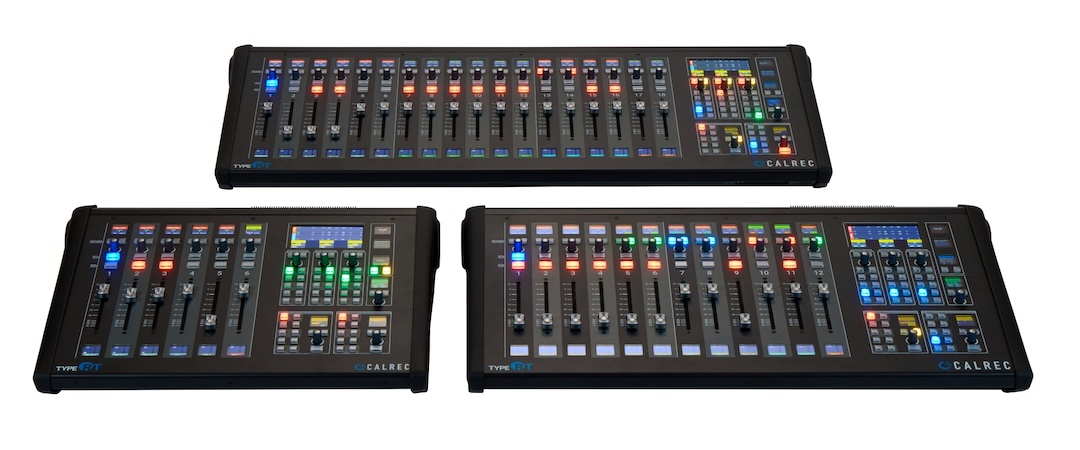
The Type RT is defined by its scalability. Available in 6, 12, or 18 motorized fader configurations, the console is designed to scale with the user’s budget rather than their technical requirements. Because the internal capabilities, licensing options, and I/O remain identical across the three frame sizes, a user can choose the physical footprint that fits their control room without being limited by the processing power of the system.
Interface and Ergonomics
The physical control surface of the Type RT is a masterclass in modular ergonomics. Key technical highlights include:
- Tactile Control: 24 rotary encoders, each paired with a dedicated display to eliminate menu-diving.
- Customization: Up to 138 assignable buttons allow operators to map specific macros or routing commands to their preferred workflow.
- Visual Feedback: A 4-inch TFT screen, complemented by secondary ancillary displays and under-fader metering, ensures that essential data is always visible.
- Virtualized DSP: The system utilizes Calrec’s ImPulseV virtualized DSP, allowing for powerful processing within a compact, low-heat-dissipation footprint.
The Apex M6 Connectivity Matrix
The M6 is built to accommodate the reality of modern "mixed-format" environments. With six configurable slots, it allows users to mix and match existing Calrec I/O cards. Key format support includes:
- AoIP: ST2110-30, AES67, and Dante.
- Legacy/Standard: MADI, SDI, AES3, and analog.
- Advanced Networking: Support for Waves SoundGrid and redundant network connectivity.
Official Perspectives: Bridging the IP Divide
During the press conference at IBC2026, Calrec’s leadership emphasized that the industry is at a crossroads. "Our customers are no longer asking for ‘more’ in terms of size," said a Calrec spokesperson. "They are asking for ‘more’ in terms of intelligence and adaptability."
The company positioned the Type RT not merely as a budget desk, but as a bridge for the next generation of broadcast engineers. By including the True Control 2.0 system, the Type RT allows for seamless remote production. This capability is critical in the current climate, where high-profile sports events and corporate functions often rely on distributed teams working across different geographical locations.
Regarding the Apex M6, Calrec highlighted the platform’s independence. By ensuring the M6 can operate as a standalone device, Calrec is acknowledging that many facilities are not performing a "rip and replace" upgrade of their entire network. Instead, they are adding layers of IP connectivity to existing infrastructures. The M6 serves as the "gateway drug" to full IP adoption, providing a stable, reliable way to route signals without needing a complete overhaul of the studio’s backbone.
Implications for the Broadcast Industry
The launch of these two products has significant implications for various sectors of the audio industry.
1. The Democratization of Professional Audio
For years, Calrec consoles were considered the "gold standard" reserved for top-tier networks like the BBC, ESPN, and major sports leagues. By scaling down the feature set into the Type RT, Calrec is effectively entering the house-of-worship and corporate AV market. These venues have become sophisticated hubs of production, often requiring the same level of audio routing and processing as a national news studio.
2. The Future of Remote Production
The integration of True Control 2.0 within a compact console is a game-changer for regional broadcasters. It allows a single operator to manage audio for an event happening hundreds of miles away, with the console acting as a local control surface for the remote ImPulseV engine. This reduction in travel and logistical overhead is expected to significantly lower the cost of live event production.
3. Solving the "Hybrid" Headache
The Apex M6 addresses one of the most common complaints among technical directors: the frustration of managing hybrid networks. As stations transition to SMPTE ST2110, they often find themselves stuck with legacy SDI or MADI equipment. The M6 provides a clear path for integration, allowing these systems to coexist for years rather than months, effectively extending the lifespan of existing equipment investments.
4. Competitive Positioning
With this launch, Calrec has effectively countered the recent influx of software-only audio solutions. By providing a tactile, hardware-focused surface that is backed by robust, network-ready processing, they have staked a claim that physical control remains superior in high-stakes live environments.
Conclusion: A New Standard for Connectivity
As the dust settles on IBC2026, the industry is left with a clear picture of Calrec’s roadmap. By focusing on the Type RT for control and the Apex M6 for connectivity, the company has provided a comprehensive solution for the modern broadcaster.
Whether it is a small-town television station moving to IP, a stadium upgrade requiring more flexible routing, or a production company looking to streamline their remote workflows, these new tools offer a level of power that was previously inaccessible at this price point. The broadcast audio industry is moving toward a more flexible, IP-based future, and with the Type RT and Apex M6, Calrec is ensuring that its users—from the largest networks to the most ambitious creators—have the tools to navigate that transition with precision and ease.