In a landscape where digital music consumption has become the primary revenue driver for the global recording industry, a shadow economy has emerged. Streaming fraud—the manipulation of digital service providers (DSPs) to artificially inflate play counts and siphon royalties—has reached epidemic proportions. In a decisive move to reclaim the integrity of the streaming ecosystem, the IFPI, the international trade body representing the recorded music industry, has officially launched the "Streaming Integrity Initiative" (SII). This coalition represents a major escalation in the industry’s ongoing battle against bad actors who threaten the livelihood of legitimate artists and songwriters.
The Genesis of the Streaming Integrity Initiative
The Streaming Integrity Initiative is not merely a policy document; it is a collaborative framework designed to harmonize anti-fraud efforts across the music supply chain. The initiative establishes five core, baseline commitments that participants must uphold to ensure their platforms and distribution services are not being leveraged to launder fraudulent streams.
The roster of supporters is expansive, signaling a rare moment of unity among major labels and independent distributors. Participants include Absolute Label Services, ADA, AWAL, CD Baby, CmdShft, Ditto Music, FUGA, GoDigital, HYBE, IDOL, IMPALA, InnerCat Music Group, Merlin, Redeye, Revelator, RouteNote, Secretly Distribution, Symphonic, Sony Music Group, The Orchard, Too Lost, Universal Music Group, and Warner Music Group.
However, the absence of DistroKid, the largest DIY music distributor in the world, remains a notable point of discussion within industry circles, highlighting the ongoing challenge of achieving total market consensus in a decentralized distribution environment.
Chronology of a Crisis: From Niche Scam to Industrial Threat
The rise of streaming fraud did not happen overnight. It evolved in tandem with the growth of the streaming economy.
- Early Stages (2015–2018): Fraud was largely confined to low-level “click farms,” where physical devices were programmed to play specific songs on a loop. These were primitive, costly, and easily identified by DSP algorithms.
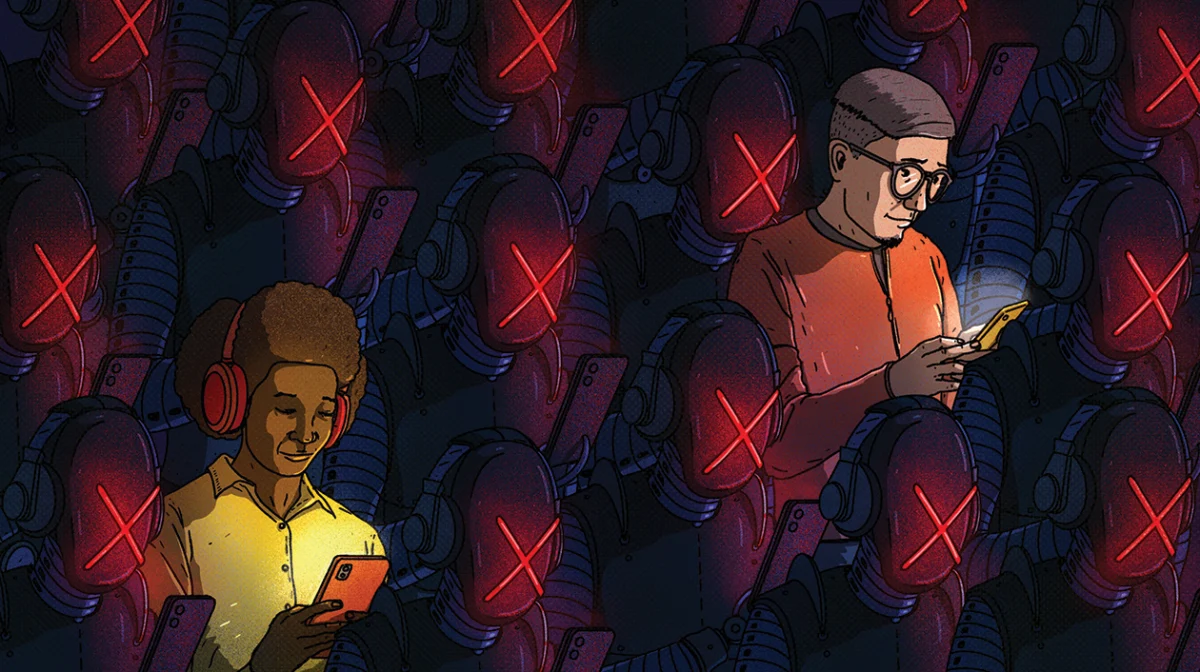
- The Proliferation of Botnets (2019–2021): As algorithms became more sophisticated, so did the fraudsters. The focus shifted to account hijacking and automated scripts that could mimic human behavior, making it harder for platforms like Spotify and Apple Music to differentiate between a loyal fan and a bot.
- The AI Tipping Point (2022–2023): The accessibility of generative AI fundamentally changed the game. Fraudsters began using AI to generate thousands of low-quality, derivative tracks in minutes, flooding platforms with content specifically designed to trigger royalty payouts through bot-driven streams.
- Formalization of Defense (2024–Present): With organizations like the Music Business Association hosting the "Trust and Safety" symposiums and the formation of the Music Fights Fraud Alliance (MFFA), the industry began moving from reactive troubleshooting to proactive, collaborative defense. The launch of the IFPI’s SII marks the most significant global effort to date to standardize these defensive measures.
Data and the Scale of the Problem
The financial implications of streaming fraud are staggering. Industry estimates suggest that between 1% and 3% of all global streams are fraudulent, a figure that equates to hundreds of millions, potentially billions, of dollars annually being diverted from legitimate creators to malicious entities.
The data provided by streaming services themselves paints a concerning picture of the current state of digital consumption. Deezer, a French streaming giant, has been at the forefront of identifying the correlation between generative AI and fraud. Their internal audits have indicated that as much as 80% of streams on AI-generated tracks are artificial.
The threat is further compounded by the rise of "agentic AI"—autonomous software agents capable of executing complex tasks without human intervention. These agents can scale bot farms to unprecedented levels, creating a feedback loop where the cost of generating fraudulent traffic is negligible compared to the potential payout from the streaming royalty pool. This “theft, plain and simple,” as described by IFPI leadership, directly dilutes the royalty pool, meaning every fraudulent stream results in a smaller paycheck for every honest songwriter and performer.

Official Responses and Industry Leadership
The launch of the SII has garnered widespread support from the industry’s most influential voices, who argue that the integrity of the streaming marketplace is the foundation upon which the future of music rests.
Victoria Oakley, CEO of IFPI, underscored the moral and economic urgency of the situation:
"Streaming fraud misleads fans and deprives legitimate artists and songwriters of income that should rightfully flow to them. This is theft, plain and simple. We welcome the leadership shown by the first distributors to publicly support the Streaming Integrity Initiative, and hope this leads to direct, effective and coordinated action."
Sarah McNabb, Director of Content Integrity at Merlin, emphasized the necessity of a collective front:
"Tackling illegitimate activity effectively requires every part of the industry to move together. These commitments reflect Merlin’s own position and align closely with what Merlin already requires of its members. It’s encouraging to see so many of our members already putting their names to this announcement."
Helen Smith, Executive Chair of IMPALA, highlighted the broader structural changes required for long-term health:
"IMPALA’s ‘Digital Music Plan’ adopted earlier this year set out our recommendations for growing the market and identified industry collaboration on a new scale as a top priority. With recommendations for DSPs and labels as well as distributors, working together on integrity, promoting human artistry and other key aspects across the whole chain is vital."
Implications for the Future of Digital Music
The implementation of the Streaming Integrity Initiative carries significant implications for the music business over the next decade.

1. Standardization of Data Sharing
One of the primary goals of the SII is to move beyond siloed data. By establishing shared standards, distributors and labels can better identify "bad actor" accounts or suspicious upload patterns across multiple platforms, effectively "blacklisting" fraudulent entities before they can move their operations to another service.
2. The Burden of Responsibility
The initiative places a heavy burden of compliance on distributors. Small to mid-sized distributors may find the cost of implementing sophisticated fraud-detection technology a significant barrier to entry. This could lead to further consolidation in the distribution sector, as only those capable of meeting these high "integrity standards" will remain in business.
3. Protection of Human Artistry
By prioritizing human-made music and cracking down on the AI-generated spam that currently clutters the platforms, the initiative acts as a quality-control measure. It reaffirms the value of authentic artistic creation in an era where the barrier to content production has been completely eroded by technology.
4. A Template for Regulatory Engagement
While the SII is an industry-led, voluntary initiative, it serves as a powerful signal to government regulators in the EU, the U.S., and beyond. By showing that the music industry is capable of self-policing and establishing high technical standards for digital integrity, the IFPI is likely hoping to preempt heavy-handed government intervention or legislation that might otherwise struggle to keep pace with the rapid evolution of generative AI.
Conclusion: The Long Road Ahead
The Streaming Integrity Initiative is a vital step toward restoring trust in the digital music economy. However, it is not a "silver bullet." The history of internet crime shows that whenever a defensive wall is built, a new, more sophisticated way to breach it is eventually found.
The success of the SII will ultimately depend on its ability to evolve as quickly as the fraudsters do. It requires constant updates to its "baseline practices" and a continued commitment to transparency among all stakeholders—labels, distributors, and the DSPs themselves. As the industry moves forward, the focus must remain on the ultimate goal: ensuring that the digital age rewards true creativity rather than technical exploitation. The battle against streaming fraud is not merely about protecting royalty checks; it is about protecting the cultural value of music itself.