By Editorial Staff
September 13, 2026
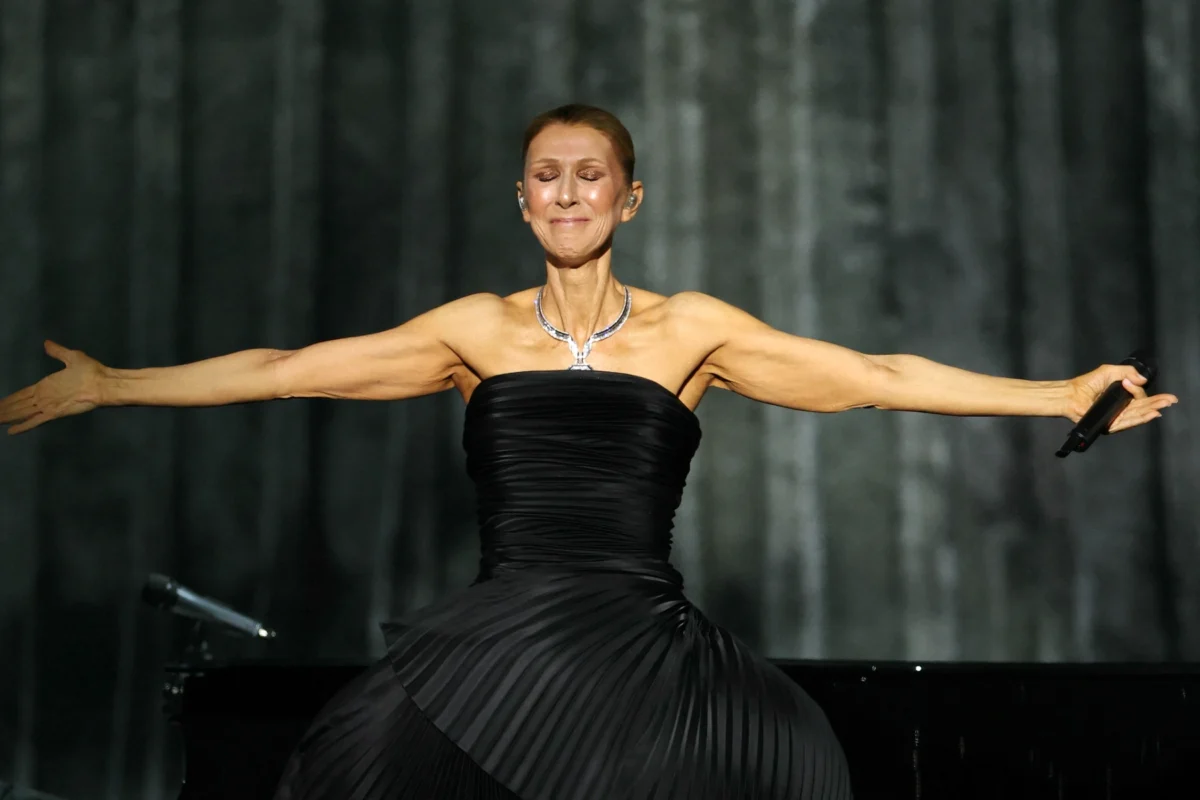
In a moment that will undoubtedly be etched into the annals of music history, Céline Dion returned to the stage on Saturday, September 12, 2026, marking an emotional and artistic resurrection after a six-year hiatus. The Canadian superstar, whose battle with Stiff-Person Syndrome (SPS) had kept her away from the spotlight, opened a highly anticipated 26-night residency at the Plenitude Arena in Nanterre, on the western outskirts of Paris.
For the 30,000 fans packed into the state-of-the-art venue, the concert was more than a performance; it was a testament to human resilience. With every ticket sold out within hours of release—and an astonishing nine million hopefuls vying for seats through the official access lottery—the demand for Dion’s return underscored her status as an enduring global icon.
The Anatomy of the Comeback: A Night of Raw Emotion
The evening began with a palpable sense of anticipation. Though the show commenced 47 minutes behind schedule, the audience’s restlessness evaporated the moment Dion appeared. Running until 11:14 p.m. local time, the two-and-a-half-hour set was a meticulously crafted journey through the highs and lows of a legendary career.
Dion opened the night with "On Ne Change Pas," a choice that felt profoundly autobiographical. Overcome with emotion, she began the song in tears, a vulnerability that immediately bridged the gap between the superstar and her audience. The setlist was a masterclass in pacing, oscillating between intimate, stripped-back French ballads and high-octane spectacle.
She leaned heavily into her Francophone roots, drawing significant material from D’eux, the 1995 masterpiece penned by Jean-Jacques Goldman, which remains the best-selling French-language album in history. Among the highlights was the debut of her 2026 comeback single, "Dansons," also written by Goldman, which served as a bridge between her classic sound and her current artistic evolution.
A Chronology of the Performance
The structure of the show defied the expectations of a traditional "greatest hits" tour, favoring thematic chapters over chronological order:
- The Emotional Opening: The concert commenced with a focus on reflection. Dion’s delivery of "On Ne Change Pas" set the tone, establishing a rapport built on shared history and mutual survival.
- The Orchestral Interlude: A striking moment occurred when Dion performed the opera aria "La Wally" under a simulated snowfall, showcasing the technical precision of her voice—a feat made even more remarkable given the challenges posed by her neurological condition.
- The Gospel Transition: A powerful gospel choir joined her on stage, adding a layer of communal fervor that built toward the inevitable performance of "Pour Que Tu M’aimes Encore," an anthem that saw the entire arena join in a deafening, unified sing-along.
- The Disco Pivot: In a bold move that surprised many, the middle of the show transitioned into a mirror-ball-adorned disco sequence. Tracks like "I Feel Love" and "Sweet Dreams" were reimagined, alongside a reworked, upbeat version of "I’m Alive."
- The Vocal Climax: The night reached its zenith with a stripped-back, a cappella rendition of "All by Myself." Without the safety net of an orchestra or backing tracks, the power of her instrument remained undiminished, serving as the ultimate rebuttal to any doubts regarding her vocal health.
Supporting Data and Production Logistics
The scale of this residency is unprecedented. With 16 dates already scheduled for the autumn season, the residency is set to host a total of 480,000 attendees. The production design was intentionally "spare," eschewing the common reliance on pyrotechnics and complex visual distractions. Instead, the focus was kept entirely on the performer.
The staging was designed to accommodate the realities of her diagnosis, ensuring that the environment was safe while still providing the grandeur expected of a Dion production. The decision to keep the stage design minimalist served a dual purpose: it highlighted the intimacy of her storytelling and ensured that the audience’s attention remained locked on the nuances of her vocal delivery.
The sheer volume of interest—nine million people registered for the ticket lottery—highlights the "Dion Effect." In an era where digital streaming has fragmented the music landscape, Dion remains one of the few artists capable of mobilizing a global audience that spans generations.
A Gathering of Icons: The VIP Gallery
The magnitude of the night was reflected in the caliber of the audience. The VIP section of the Plenitude Arena served as a "who’s who" of global culture, politics, and science.
Among those in attendance were former First Lady Michelle Obama and media mogul Oprah Winfrey, both of whom were seen visibly moved during the ballad segments. French pop sensation Aya Nakamura was also spotted in the crowd, alongside French astronaut Thomas Pesquet. The presence of such diverse figures highlighted the universality of Dion’s appeal; she is not merely a singer of pop songs, but a cultural touchstone whose influence permeates elite circles and popular culture alike.
Implications: The Legacy of a Survivor
The most significant implication of Saturday night’s performance is the precedent it sets for artists navigating chronic illness. By being transparent about her diagnosis of Stiff-Person Syndrome, Dion has transformed her personal struggle into a public narrative of perseverance.
The Medical Context
Stiff-Person Syndrome is a rare, progressive neurological disorder that causes muscle stiffness and painful spasms. For a vocalist, the condition is particularly challenging as it affects the body’s ability to maintain the breath support and physical posture necessary for world-class singing. Her success on opening night suggests that through intensive therapy, medical management, and rigorous vocal training, she has found a way to work within the constraints of her condition without sacrificing her artistry.
The Economic Impact
Beyond the personal triumph, the residency is a massive economic boon for the Nanterre area. The influx of nearly half a million visitors over the coming months is expected to generate millions in local tourism revenue, from hospitality and transportation to retail and dining. The residency has effectively turned the Plenitude Arena into a pilgrimage site for music fans from around the world.
The Artistic Pivot
Critics who feared that the hiatus might have dulled her edge were silenced by her performance of the dance tracks. By embracing a "looser, more playful" persona, Dion has signaled that she is not interested in merely replicating the past. She is evolving. The integration of electronic elements and gospel arrangements indicates a desire to experiment, suggesting that this residency may be the prologue to a new era of recording and performance.
Conclusion: A Voice Unbroken
As the final notes of the encore faded, the message was clear: Céline Dion is not just back; she is different. The polish of her Las Vegas years has been replaced by a raw, human, and deeply compelling authenticity.
For the fans who have stood by her through years of uncertainty, the 2026 Paris residency is a reward. For the industry, it is a masterclass in legacy management. And for Dion, it is the realization of a promise she made to herself—to keep singing, to keep performing, and to never let the music stop.
As the autumn leaves begin to fall in Paris, the city finds itself under the spell of a woman who has proven that even when the body is challenged, the spirit—and the voice—can remain unconquerable. The residency continues through the coming weeks, and if opening night is any indication, the remainder of the 26-night run will be nothing short of historic.