For over a decade, the venture capital landscape has been defined by the gravitational pull of Sand Hill Road in Menlo Park, California. For firms like Khosla Ventures, which has been synonymous with this Silicon Valley nerve center for 13 years, the geography of investment has traditionally been non-negotiable. However, in a move that signals a tectonic shift in the industry’s center of gravity, Khosla Ventures has confirmed it is establishing its first-ever office outside the Bay Area.
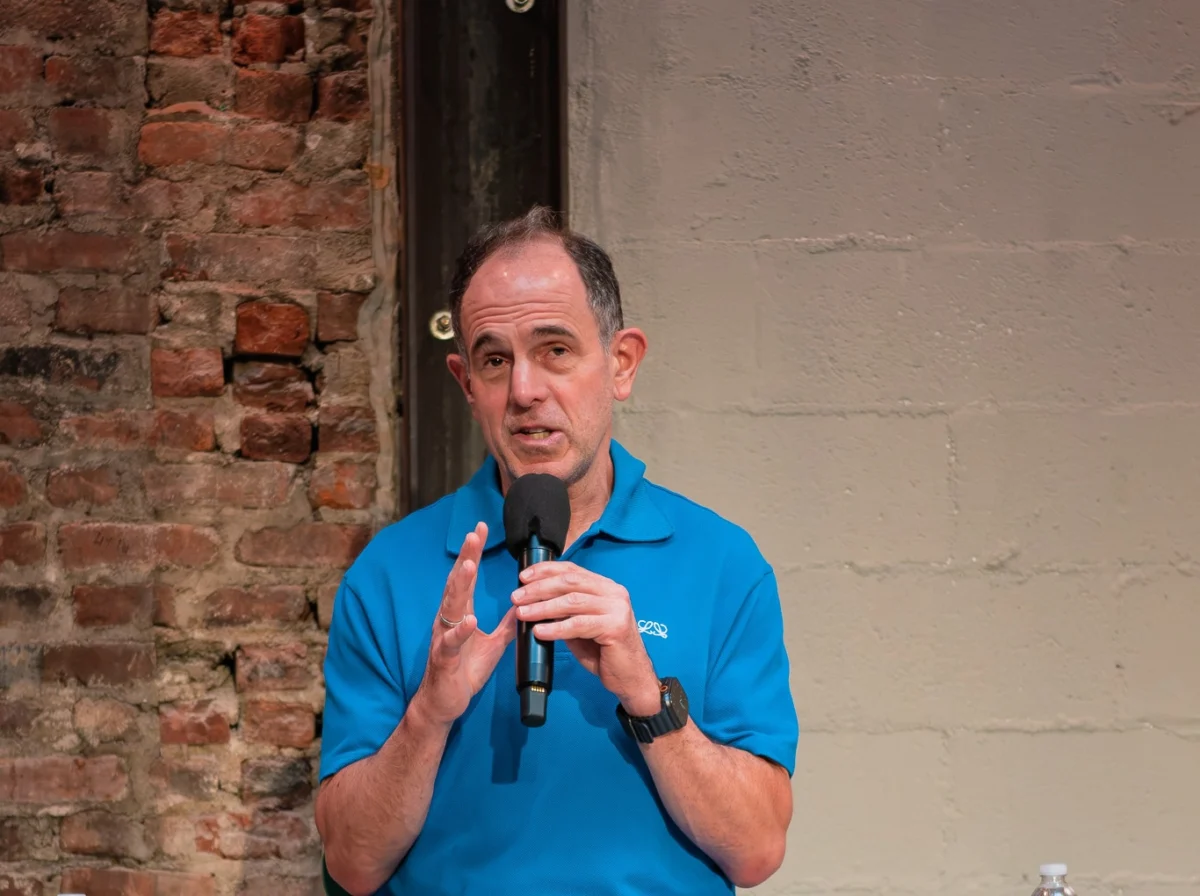
Speaking at TechCrunch’s StrictlyVC event in New York City’s West Village, partner Keith Rabois confirmed that the firm is currently building out a new outpost on 14th Street. Expected to open this fall, the expansion represents a departure from the firm’s historically centralized operations, marking a significant milestone for a venture powerhouse that does not even maintain a formal office in San Francisco.
The Strategic Shift: A New Frontier in New York
The decision to establish a footprint in Manhattan is not merely a play for proximity; it is a calculated effort to bridge the gap between disruptive tech startups and the traditional bastions of the Fortune 500. Rabois, who has been a central figure in the firm’s evolution, noted that the new office is designed to be more than a standard investment hub.
"It’s actually allegedly being built out now," Rabois joked during the panel, acknowledging the notorious unpredictability of construction timelines. "We’ll see. This fall opening date is very vague in my mind."
Despite the construction uncertainty, the vision for the space is concrete. The office will serve as a physical bridge between the firm’s portfolio companies and the massive corporate entities headquartered in or near New York. Rabois described the space as an "executive briefing center," a facility intended to host 10 to 12 portfolio companies at a time for high-level meetings with major enterprise clients.
"The portfolio companies love this," Rabois explained. "They get pilots and customers, and so it’s going to be a very vibrant office because of that." By facilitating these interactions four days a week, Khosla Ventures aims to transform its New York office from a satellite workspace into a high-octane engine for business development and revenue generation.
Chronology: From Silicon Valley Stalwart to Coast-to-Coast Player
The path to this expansion has been gradual, punctuated by personal and professional shifts within the firm’s leadership.
- 13 Years of Centralization: Since its inception, Khosla Ventures maintained a strictly West Coast-centric model, eschewing even a presence in San Francisco to focus on the deep, collaborative culture of its Menlo Park headquarters.
- The Personal Relocation: The impetus for this move gained momentum when Rabois relocated to the East Coast earlier this year. The move was driven by a desire to be closer to his family, including his husband, Jacob Helberg—who serves as the Under Secretary of State for Economic Growth, Energy, and the Environment—and their children in Washington, D.C.
- The Planning Phase: Following his move, discussions regarding a permanent firm presence on the East Coast intensified, leading to the selection of the 14th Street location in Manhattan.
- The Build-Out: Current operations are focused on the renovation of the space, with a target opening window set for the upcoming autumn months.
The Talent Paradox: Assessing the New York Tech Ecosystem
The move inevitably raises questions about whether New York can match the sheer density of technical talent that has defined the Bay Area for decades. When pressed on the topic, Rabois offered a nuanced assessment that distinguished between levels of seniority.
The Junior Talent Boom
At the entry-level, Rabois remains unequivocally optimistic about New York’s potential. He pointed to fintech disruptor Ramp—a company he has backed extensively—as the gold standard for this trend. According to Rabois, the city has become a magnet for high-achieving graduates who are eager to skip the traditional corporate ladder.
"Individual contributor level, right out of school, absolutely," Rabois said. "We’ve been tapping into right-out-of-school graduates and been able to create a critical density of talent from the intern class onward that is extraordinary."
The Senior Executive Hurdle
However, the narrative shifts significantly when discussing senior technical and executive talent. Rabois argued that while the talent exists, the geographic constraints of the New York metropolitan area create a "pain point" that Silicon Valley does not face to the same degree.
"If you have an in-office culture, most of the more senior people that live and reside in the New York area live outside the city, and the commute in and out of the city for an office environment can be very painful," Rabois noted. He explained that while he grew up in a suburb with a 32-minute express train, many senior professionals now live much further out.
For a company that values an in-office culture, this commute serves as a friction point in recruitment. "When you need to recruit proven executive talent, and you really believe in an in-office culture, that has been very challenging," he admitted.
Consequently, companies like Ramp have adopted a "ground-up" building philosophy, opting to train junior talent rather than struggle to recruit high-level executives who are unwilling to navigate the daily New York City commute. "If you need a CFO, an SVP of sales, someone who’s got a lot of gravitas and experience, it’s really hard to have them in the office five days a week," Rabois observed.
Supporting Data: A Shifting Landscape
The decision by Khosla Ventures follows a controversial but significant report released last month by the commercial real estate firm CBRE. The report indicated that for the first time in 13 years, New York has narrowly overtaken the San Francisco Bay Area in total tech talent headcount.
While the data suggests a pivot, many industry insiders remain skeptical. The growth in New York’s tech numbers is largely attributed to aggressive hiring by finance firms pivoting toward AI, while Bay Area tech companies have spent much of the last year streamlining their operations through layoffs.
Despite the data, the sentiment in the room at StrictlyVC was one of lingering doubt. When the CBRE report was mentioned, one attendee was quick to voice a common industry skepticism: "I heard about that study. I don’t buy it."
Implications: A New Era for Venture Capital
The establishment of a Khosla Ventures office in New York is part of a larger trend of "coastal diversification." While firms like Sequoia Capital and Andreessen Horowitz have maintained East Coast outposts for years, these have traditionally been modest, often serving as outposts for single partners or small teams.
Khosla’s move signifies a more aggressive intent. By integrating an executive briefing center, the firm is attempting to solve one of the biggest challenges for early-stage startups: bridging the gap between product development and the Fortune 500 enterprise market.
What This Means for the Industry
- The "Office" is Evolving: The traditional venture firm office—previously a place for partners to sit and review term sheets—is being reimagined as a "client-facing" theater.
- Geography Still Matters: Despite the rise of remote work, Rabois’s commentary highlights that geography remains a critical factor for company culture and recruitment, particularly at the executive level.
- The Talent War: As New York continues to challenge the Bay Area’s supremacy, the competition for both junior talent and senior leadership will likely intensify, forcing firms to reconsider their recruitment strategies.
As the fall approaches and the doors on 14th Street prepare to open, the venture capital world will be watching. Whether this expansion remains a strategic outlier or triggers a wider migration of Silicon Valley’s elite remains to be seen. However, one thing is certain: the era of the monolithic, Sand Hill Road-only firm is facing its most significant challenge yet.