In the volatile economic landscape of 2026, the relationship between technology manufacturers and their consumers has been strained to a breaking point. As global supply chains falter, memory prices oscillate, and geopolitical trade policies exert unpredictable pressure on hardware costs, companies have been forced to adapt. However, the divergence in how these companies treat their customers when the financial winds shift has never been more apparent.
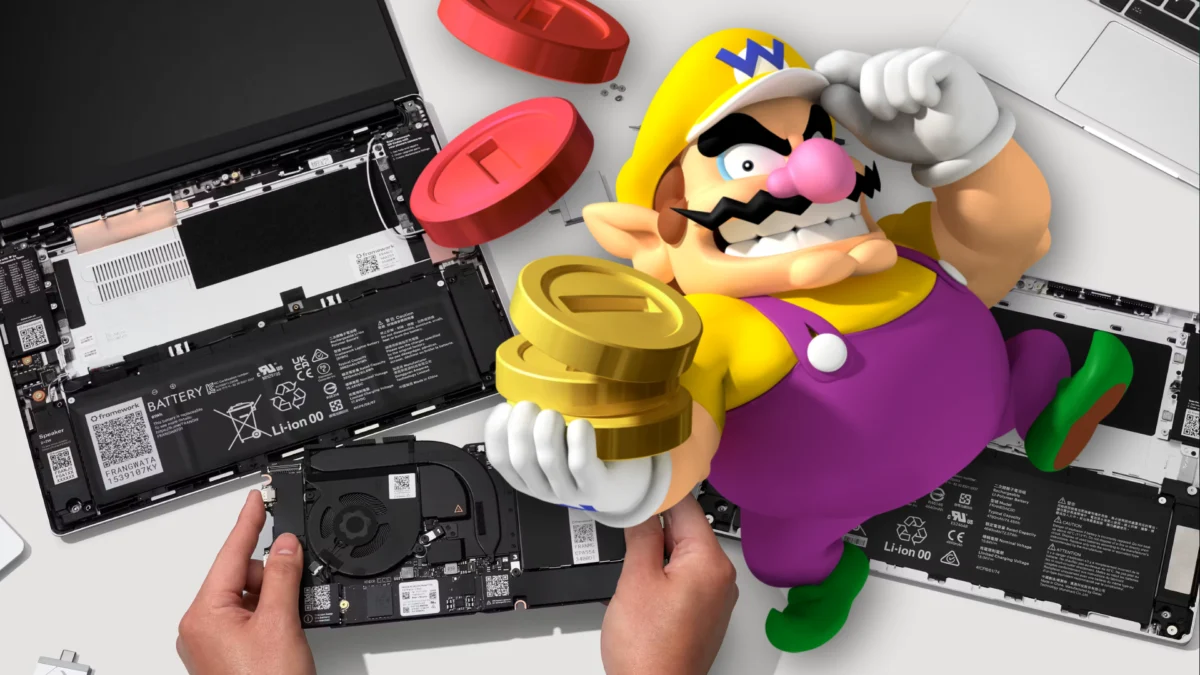
Recent developments at Framework, the boutique manufacturer of modular, repairable laptops, and Nintendo, the titan of the gaming industry, provide a study in contrasts. While Framework has set a new gold standard for corporate transparency and consumer equity by proactively refunding customers following a reduction in component costs, Nintendo has opted for a "customer appreciation sale" that conveniently ignores the hardware price hikes consumers endured due to now-defunct trade tariffs.
Main Facts: A Tale of Two Corporate Strategies
The fundamental difference lies in how each company views the "windfall" of reduced operating costs.
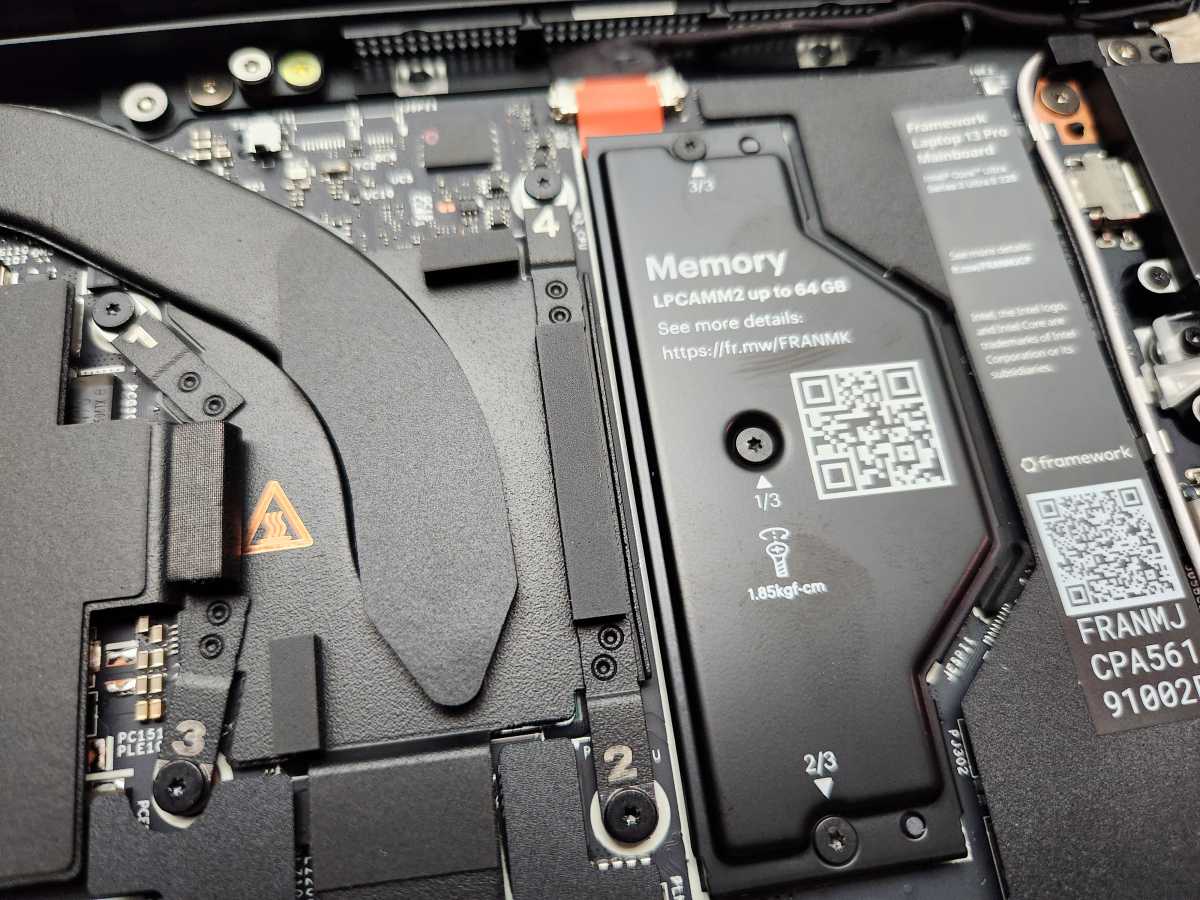
Framework, a small, independent player in the PC market, has built its brand identity on the pillars of repairability, longevity, and radical transparency. When the global memory crisis reached its zenith, Framework was candid about the impact on its margins, explaining to its user base exactly why the cost of its flagship Framework 13 Pro laptop was rising. When those supply costs finally eased, Framework did something nearly unheard of in the modern consumer electronics sector: it issued cash refunds to customers who had already purchased the hardware at the higher price point.
Conversely, Nintendo is currently navigating a period of significant controversy. Following the Supreme Court’s 2026 ruling that certain tariffs imposed by the Trump administration were illegal, companies that had previously hiked consumer prices to cover these levies received federal refunds. Despite the public outcry and the legal invalidation of the costs that justified the price increases, Nintendo has refused to pass these savings back to the consumer. Instead, the company announced a "customer appreciation sale," discounting select digital games and apparel while pointedly keeping console prices at their inflated levels.

Chronology: From Tariff Hikes to Market Volatility
To understand the disparity, one must look at the timeline of the 2026 economic environment.
- Early 2025: Faced with rising costs linked to new trade policies and global logistics hurdles, Nintendo raises prices on several legacy versions of the original Nintendo Switch.
- Mid-2025: The PC industry, including Framework, begins to buckle under a severe memory supply crunch. Data centers and AI-focused hardware manufacturers command the majority of production capacity, forcing smaller firms to pay premiums for components like LPCAMM2 memory modules.
- February 2026: The U.S. Supreme Court delivers a landmark ruling declaring the previously enacted tariffs on imported electronics unconstitutional.
- July 2026: Nintendo acknowledges the influx of federal tariff-related refunds but officially confirms it will not lower hardware prices, arguing that consumers "received exactly what they bargained and paid for" at the time of purchase.
- Late July/August 2026: Framework announces that it has secured a limited supply of high-capacity memory at lower prices. The company initiates a dual-track strategy: lowering the MSRP for new buyers and issuing retrospective refunds to existing owners of the Framework 13 Pro.
Supporting Data: The Cost of Components
The semiconductor market in 2026 has been defined by extreme scarcity. For a company like Framework, which utilizes cutting-edge LPCAMM2 memory—a standard that offers superior density and power efficiency but remains expensive to procure—the price fluctuations were existential threats.
When Framework was forced to downgrade orders from 64GB to 32GB of RAM, it wasn’t a profit-seeking maneuver; it was a desperate measure to keep the product viable while struggling against larger, resource-rich competitors like Dell and Lenovo. The data shows that the cost of memory modules was not just a minor fluctuation but a massive percentage of the bill-of-materials (BOM) cost for a thin-and-light laptop.
Nintendo, meanwhile, faces a different economic reality. While it blamed the "$50 hike" on the Switch 2 on these same market conditions, the company operates at a scale where supply chain efficiency is vastly superior to that of a boutique manufacturer. The refusal to roll back the price of a console that has been on the market for years—even after the legal justification for the hike was removed—suggests a policy of "price stickiness" rather than a genuine reflection of production costs.
Official Responses and Public Sentiment
The discrepancy in official messaging is striking. Framework’s communication has been characterized by "human-scale" honesty. In their recent blog post announcing the refunds, the company stated, "We know the market has been painful, and we appreciate our community’s patience as we navigated the volatile memory landscape." The action of sending a refund—without being prompted by a class-action lawsuit or government mandate—serves as a powerful marketing tool, but more importantly, it cements customer loyalty.

Nintendo’s stance, as reported by various financial outlets, has been far more clinical. By framing their response as a "customer appreciation sale," the company is effectively utilizing a marketing tactic to move high-margin software inventory while avoiding the harder question of hardware pricing. Critics have pointed out that a "sale" requires the consumer to spend more money to get a deal, whereas a refund returns value to the customer for a transaction that already occurred.
The public sentiment is shifting. Social media discourse and tech forums are increasingly highlighting the "icky" nature of Nintendo’s strategy. While fans continue to praise Nintendo for its software output and relative stability compared to Sony or Microsoft, the hardware pricing policy has become a recurring point of friction.
Implications for the Tech Industry
The implications of this contrast are significant for both investors and consumers.
1. The Power of Radical Transparency
Framework’s model proves that "radical transparency" is not just a moral stance; it is a competitive advantage. In an era where consumers are increasingly cynical about corporate motives, a company that admits to its struggles and shares its successes (like the memory price drop) builds a brand equity that money cannot buy.
2. The Dangers of Price Stickiness
Nintendo’s decision to keep prices elevated post-tariff-refund sends a clear signal to the market: price hikes are rarely temporary. Once a company establishes a new, higher price floor for a product line, it is unlikely to descend even if the underlying cost drivers are removed. This normalization of high prices may protect margins in the short term, but it risks long-term erosion of trust.
3. The Future of Consumer Advocacy
As we look toward the end of 2026 and into 2027, the "Framework approach" may become the new benchmark for small-to-mid-sized tech firms. If consumers begin to demand that pricing be tied to actual costs rather than "what the market will bear," larger companies may find themselves on the defensive.
4. The Role of the Regulatory Environment
The Supreme Court’s decision on tariffs highlighted a critical disconnect between federal law and corporate pricing. While the government refunded the companies, it lacked the mechanism to ensure those refunds reached the end-user. This creates a regulatory gap that may need to be addressed in future trade legislation to prevent corporations from pocketing public-funded rebates while keeping prices high.
Conclusion
The contrast between Framework and Nintendo is a microcosm of the current state of the technology sector. One company treats its customer base as partners in a difficult economic journey, sharing the burden during lean times and the benefits during periods of recovery. The other treats the consumer as a source of recurring revenue, utilizing corporate "appreciation" sales to drive further consumption while holding on to windfall gains that were, by all legal definitions, intended to offset the very costs that burdened the consumer.
As we move forward, the "Framework way" serves as a reminder that integrity in business is not just about legality; it is about the perception of fairness. In the long run, companies that choose the path of the refund rather than the path of the "appreciation sale" are likely to be the ones that survive the volatile years to come. Consumers are paying attention, and in the digital age, that attention is the most valuable currency of all.