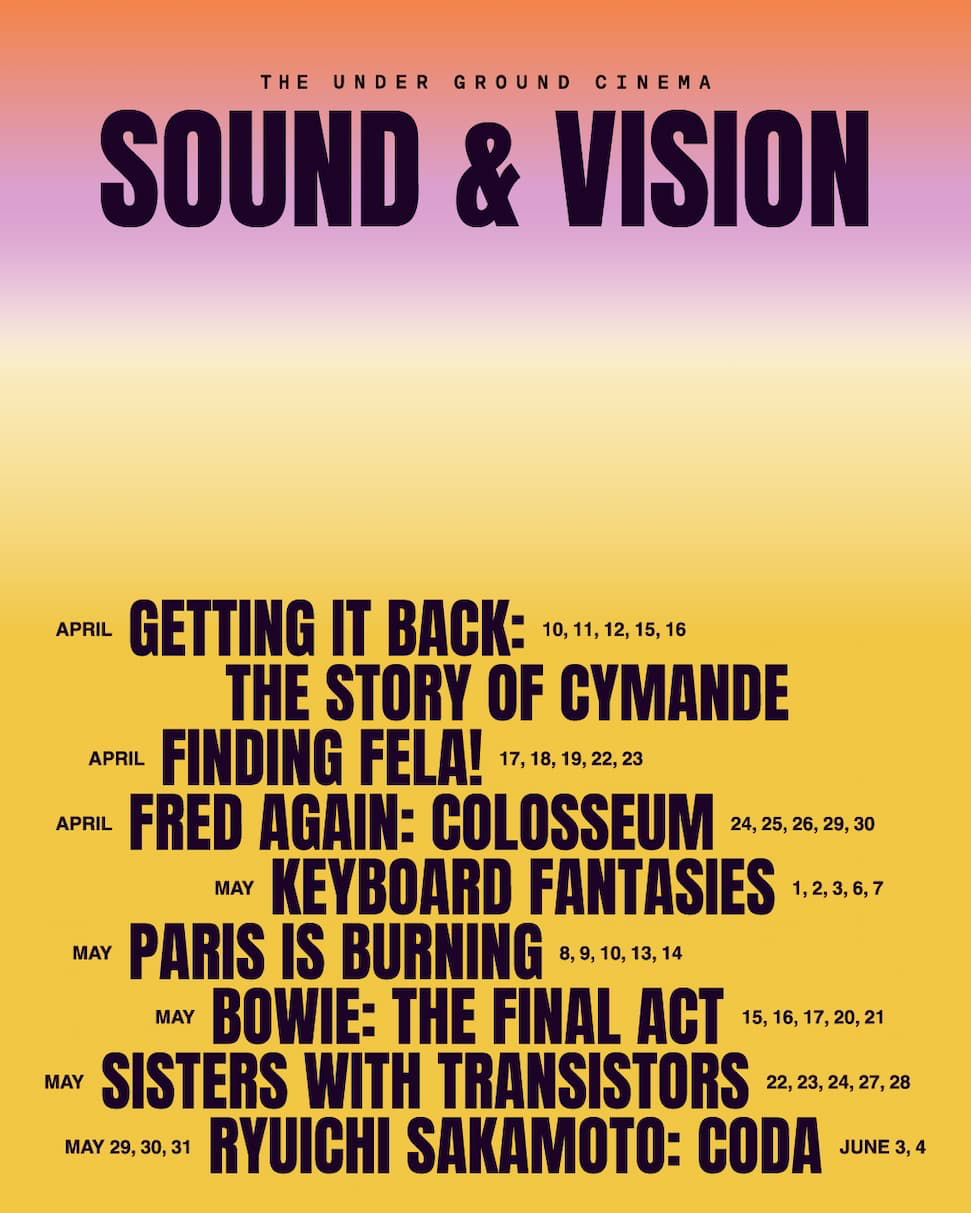
London’s 180 Studios, a vanguard of contemporary art and interdisciplinary creativity, has officially unveiled its latest ambitious venture: Sound & Vision. This curated season of music-oriented cinema marks the inaugural full program for "The Underground Cinema," the institution’s newly dedicated space for film. Following the resounding success of Kahlil Joseph’s theatrical residency BLKNWS: Terms & Conditions, the venue is pivoting toward the intersection of sonic innovation and visual storytelling, offering audiences an immersive look at the icons who have shaped modern culture.
Running from April 10 through June 4, 2026, Sound & Vision is not merely a film series; it is a meticulously assembled anthology of live performances, intimate biographies, and cult classics. By spotlighting the narratives behind the world’s most influential musicians, 180 Studios is reinforcing its position as a vital cultural anchor in the heart of the capital.
The Core Concept: Bridging Sound and Sight
The mission of Sound & Vision is to dismantle the wall between the listener and the creator. In an era where music is often consumed in fragmented, digital bursts, the program seeks to restore the sanctity of the "long-form" experience. By utilizing the unique, subterranean architecture of 180 Studios, the residency creates a sensory environment that demands total engagement.
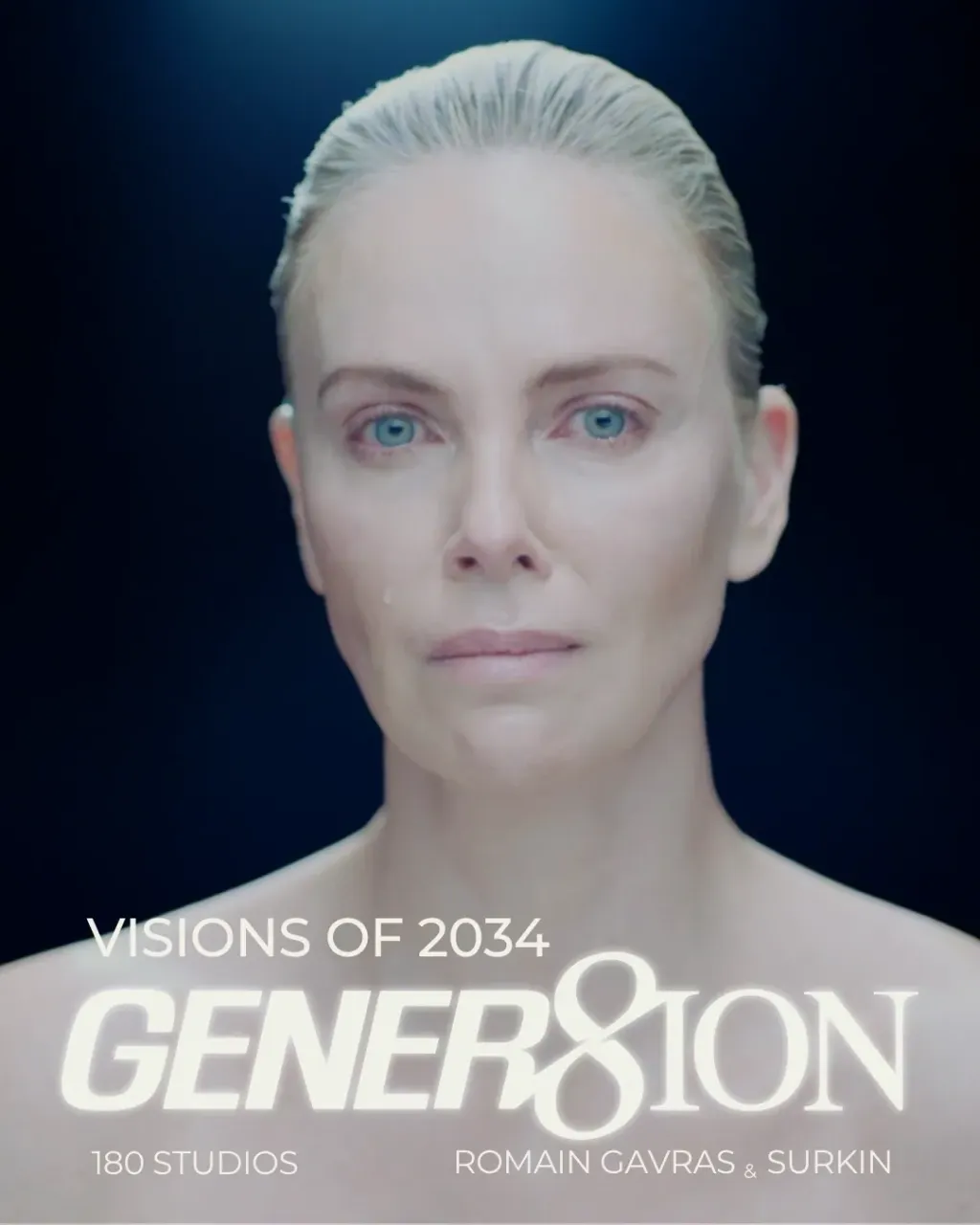
The program is curated to provide a holistic view of music history, ranging from the grassroots jazz-funk movements of the UK to the high-concept electronic evolution of the late 20th century. "We wanted to curate a season that felt as much like a conversation as a screening series," says a representative from the 180 Studios programming team. "By pairing these films with a rotating exhibition of seminal music videos by directors like Romain Gavras and Melina Matsoukas, we are contextualizing how the visual identity of an artist is just as vital as the frequency of their sound."
Chronology of the Program: A Two-Month Journey
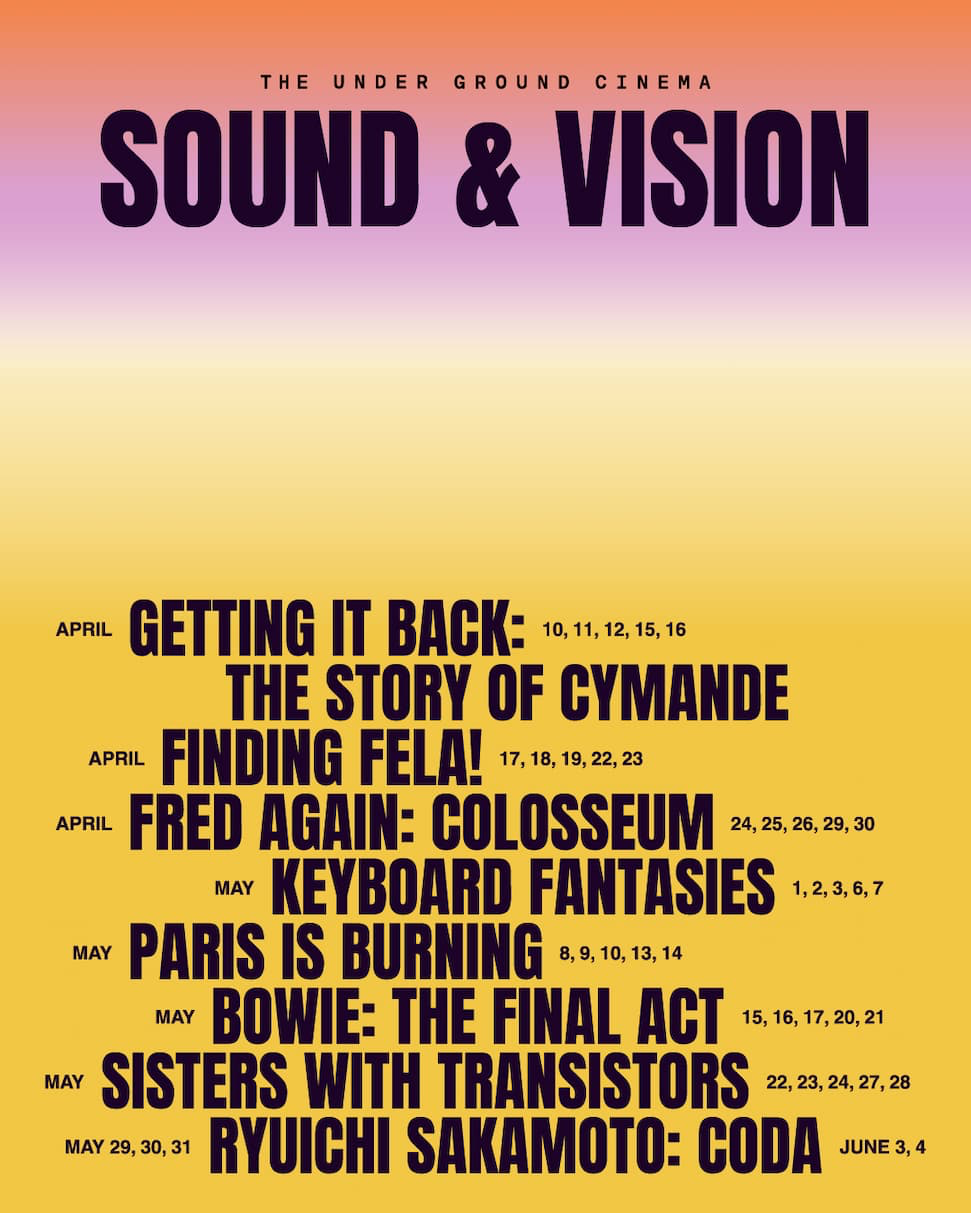
The Sound & Vision season is structured as a chronological exploration of diverse musical legacies. Each week is dedicated to a specific film, allowing visitors to deeply immerse themselves in the subject matter.
April: The Roots and the Avant-Garde
The season kicks off with "Getting It Back: The Story of Cymande" (April 10–16), a documentary that finally grants the necessary recognition to the UK’s most influential jazz-fusion collective. Their sound, often overlooked in mainstream histories, serves as a masterclass in rhythm and social consciousness.
Following this, the program shifts to the revolutionary energy of Fela Kuti in "Finding Fela" (April 17–23), documenting the life of the Afrobeat architect. The month concludes with a contemporary centerpiece: "Fred again.. – secret life at the coliseum" (April 24–30). Recorded in June 2024, this film captures the producer’s ambient set at the LA Memorial Coliseum, a performance that remains a benchmark for intimate, large-scale musical experiences.
May: The Architects of Sound
May introduces viewers to the profound journey of Beverly Glenn-Copeland in "Keyboard Fantasies" (May 1–7), a poignant look at a musical genius finding his stride in his 70s. This is followed by the high-stakes world of New York ballroom culture depicted in the seminal 1990 documentary "Paris Is Burning" (May 8–14).
The mid-month programming shifts toward icons of the late 20th century, featuring "Bowie: The Final Act" (May 15–21), which examines the artist’s prolific late-career creative explosion. The focus then moves to the technological pioneers of the electronic age with "Sisters with Transistors" (May 22–28), a celebration of female composers like Delia Derbyshire and Suzanne Ciani who redefined the boundaries of sound engineering.
June: The Final Note
The season concludes with "Ryuichi Sakamoto: Coda" (May 29–June 4). This intimate portrait of the late composer serves as a contemplative end to the residency, exploring his final creative years, his activism, and his enduring legacy in both film scoring and ambient composition.
Supporting Data: The Convergence of Music and Film
Beyond the primary screenings, Sound & Vision features an expansive exhibition space dedicated to the evolution of the music video as a high-art form. The program highlights directors who have redefined the medium:
- Romain Gavras: Represented by his work on Jamie xx’s "Gosh."
- Gabriel Moses: Featuring his aesthetic contribution to Travis Scott’s "4×4."
- Melina Matsoukas: Showcasing the cinematic scale of Beyoncé’s "Formation."
- Kahlil Joseph: Highlighting his atmospheric direction on Flying Lotus’s "Until the Quiet Comes."
- Chris Cunningham: Including the surreal, genre-bending visual language of Aphex Twin’s "Windowlicker."
This integration of short-form music videos alongside feature-length documentaries provides a necessary contrast, illustrating how directors have successfully translated abstract sonic ideas into indelible visual imagery.
Official Perspective: Curatorial Intent
The management at 180 Studios emphasizes that the choice of films was not accidental. Each title was selected for its ability to speak to the "cultural resonance" of the artist involved. For example, the inclusion of Sisters with Transistors serves to correct a historical imbalance in electronic music history, while Paris Is Burning acts as a crucial sociological document that mirrors the creative spirit of 180 Studios itself.
"The Underground Cinema is designed to be a place of discovery," the curatorial statement reads. "We aren’t just showing music documentaries; we are curating stories about the human condition, the struggle for artistic expression, and the transformative power of sound."
Implications: The Future of Cultural Residencies
The Sound & Vision season signals a shift in how major creative hubs are operating in 2026. Rather than hosting transient, single-night events, spaces like 180 Studios are opting for "seasonal residencies." This approach provides a stable platform for film and art, allowing audiences to return multiple times to engage with a singular, evolving narrative.
This strategy also has significant implications for the exhibition industry. By blending film, live-action music documentation, and gallery-style video art, 180 Studios is attracting a demographic that might otherwise be split between traditional cinema-goers and gallery patrons. This convergence is likely to set a trend for other cultural institutions looking to modernize their engagement models in the digital age.
Conclusion: How to Experience the Season
As London prepares for a season of deep listening and high-fidelity viewing, the logistics for the event are clear. Sound & Vision will host daily screenings, with the facility’s unique acoustics ensuring that the audio experience is as vital as the visual one.
Tickets for individual screenings are currently available through the 180 Studios official website. Given the limited capacity of The Underground Cinema and the high profile of the featured artists—particularly the exclusive screenings of the Fred again.. concert film—early booking is highly recommended.
Whether you are a devotee of the electronic pioneers, a student of Afrobeat history, or a fan of the visual arts, Sound & Vision offers a rare opportunity to sit in the dark, turn up the volume, and witness the history of sound as it was meant to be seen.