By Industry News Desk
Published: Architectural Acoustics & Design Review
Main Facts: The Paradigm Shift in Acoustic Engineering
In the realm of modern architecture and interior design, a quiet revolution is taking place. For decades, the industry relied heavily on standardized, one-size-fits-all acoustic treatments—utilizing uniform panels, rigid shapes, and generic color palettes designed primarily for basic sound absorption rather than aesthetic integration. However, as contemporary spaces grow increasingly complex, featuring soaring ceilings, curved walls, and mixed-use environments, the limitations of universal sound control have become starkly apparent.
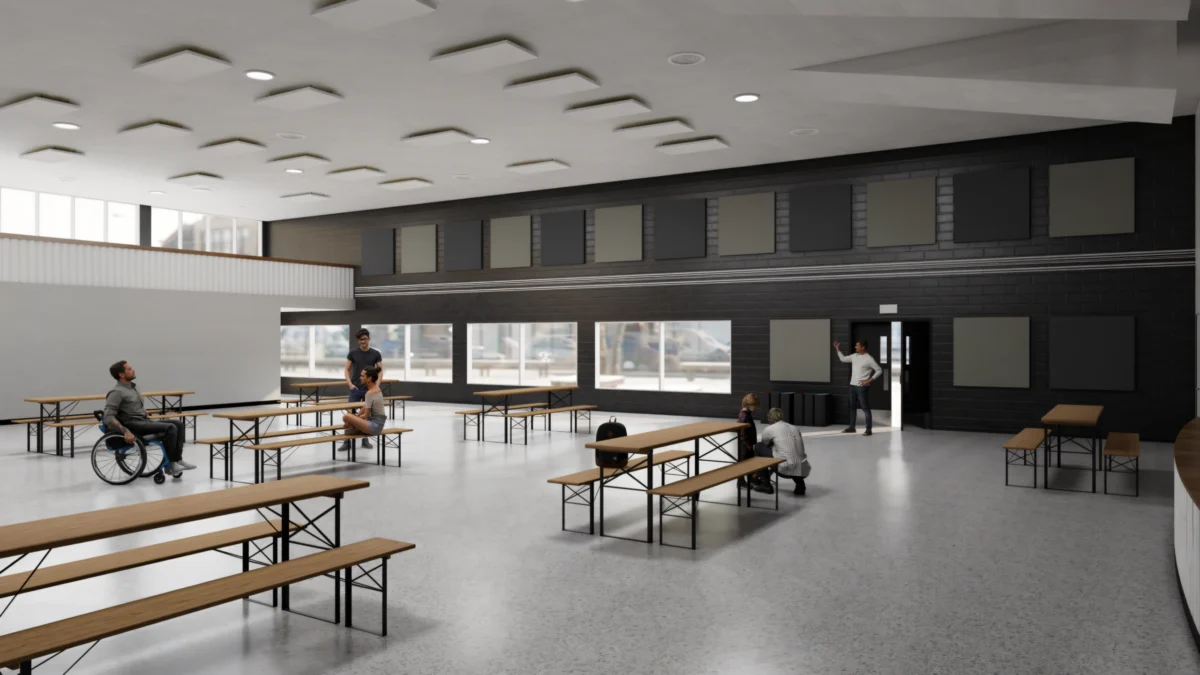
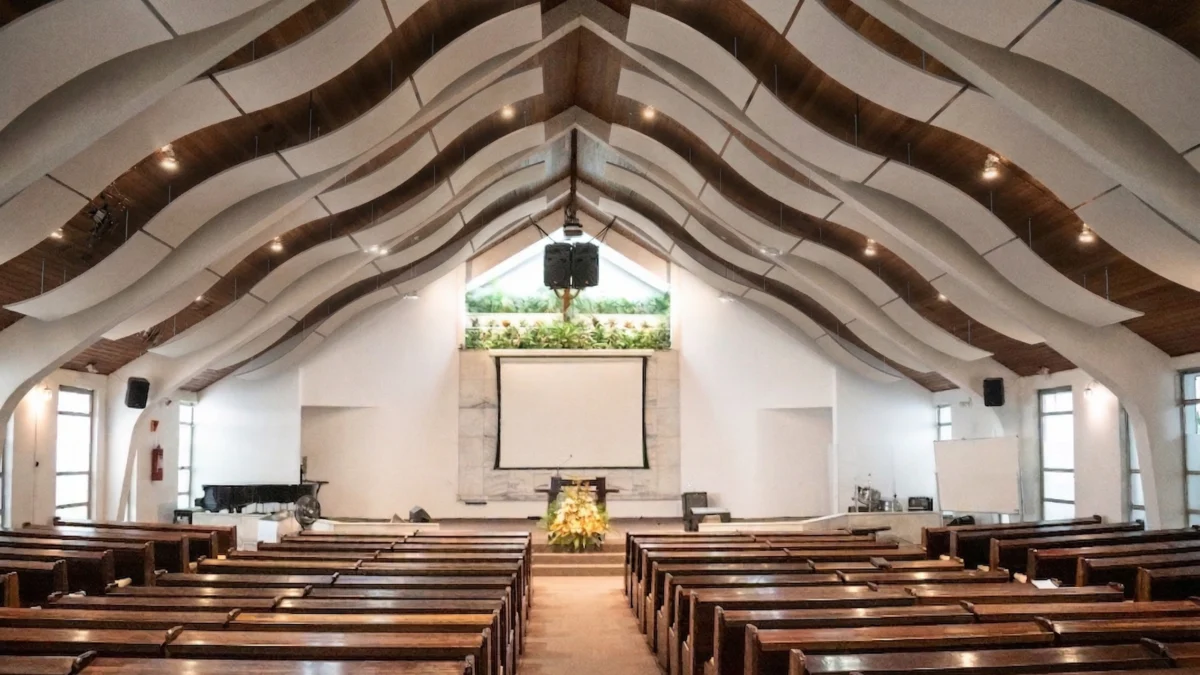
Enter the next generation of sound mitigation: versatile, scalable systems like Primacoustic’s EcoScapes line. Constructed from 100% post-consumer recycled polyethylene terephthalate (PET) plastic bottles, EcoScapes represents a fundamental shift in how architects, interior designers, and acousticians approach spatial audio. Rather than forcing a compromise between acoustic performance and interior design, modern sustainable systems offer a modular, highly customizable approach. These treatments range from standard wall panels and ceiling clouds to precision-carved artistic murals, acoustic "Blades," and 3D architectural baffles.
The core takeaway for the design and construction industry is clear: effective acoustic treatment is no longer just about dampening noise—it is about seamless architectural integration, environmental sustainability, and tailored spatial storytelling.

Chronology: The Evolution from Remediation to Integration
To understand where the acoustic industry stands today, it is helpful to trace its evolution over the past half-century:
- The Late 20th Century (The Remediation Era): Historically, acoustics was treated as an afterthought. Buildings were constructed for structural integrity and visual appeal, and sound issues were "remediated" after construction was complete. This typically resulted in utilitarian, unappealing foam or fiberglass panels being slapped onto walls, severely compromising interior aesthetics.
- The Turn of the Millennium (The Performance Focus): As recording studios, home theaters, and corporate boardrooms demanded higher audio fidelity, the focus shifted toward specialized science. Frequency absorption coefficients, reverberation times, and Helmholtz resonators became central topics. Yet, options remained rigid; clients were largely forced to choose between optimal sound and visual elegance.
- The 2010s (The Rise of Sustainable Materials): Environmental consciousness began permeating the construction sector. The industry saw a transition away from traditional irritant-based fiberglass toward safer, more sustainable alternatives, most notably compressed PET felt derived from recycled plastics.
- The Present Day (The Era of Total Customization and Scalability): Today, high-end design demands that acoustic treatments disappear into the architecture or actively elevate it. Modern systems are designed from the ground up to be modular, aesthetically flexible, and environmentally responsible. Innovations like CNC-carved panels and suspended acoustic blades mean that sound management is now integrated directly into the initial architectural blueprint, rather than added as a reactive fix.
Supporting Data and Material Science: The EcoScapes Advantage
The effectiveness of modern acoustic solutions relies heavily on material science and manufacturing precision. Systems like EcoScapes leverage the unique properties of high-density PET felt, which offers exceptional sound-absorption coefficients across a wide range of frequencies while maintaining structural rigidity and environmental credentials.
Key Performance Metrics of PET Acoustic Systems:
- Acoustic Absorption: Typically achieving a Noise Reduction Coefficient (NRC) rating ranging from 0.75 to 1.00 depending on thickness and mounting depth, effectively capturing mid-to-high frequency reflections and reducing flutter echo.
- Sustainability: Manufactured from recycled plastic bottles, diverting post-consumer waste from landfills and oceans while qualifying for LEED building credits.
- Durability and Impact Resistance: Unlike fragile foam or fabric-wrapped fiberglass, high-density PET panels are inherently resistant to impact, making them ideal for high-traffic environments such as gymnasiums, multi-purpose community centers, and high-tech golf simulators.
- Versatility in Processing: The material can be easily cut on-site with standard utility tools or precision CNC-milled to create complex 3D geometries, intricate patterns, and custom brand logos.
Official Responses and Industry Perspectives
Leading professionals across AV integration, interior design, and acoustic engineering have increasingly embraced systems that prioritize collaborative problem-solving over rigid product deployment.
Marty Nightingale of Paramount Automation highlights the collaborative nature of modern acoustic engineering:

“With both Paramount and Primacoustic, it’s like, ‘this is a challenge, not a problem; let’s figure it out.’”
This sentiment is echoed by Drew Campbell, Founder and Owner of Paramount Automation, who emphasizes the synergy between forward-thinking manufacturers and system integrators:
“We work well together because we’re like-minded, because we complement each other. And Primacoustic is always open to feedback, which fosters a ‘how can we do this better’ approach.”
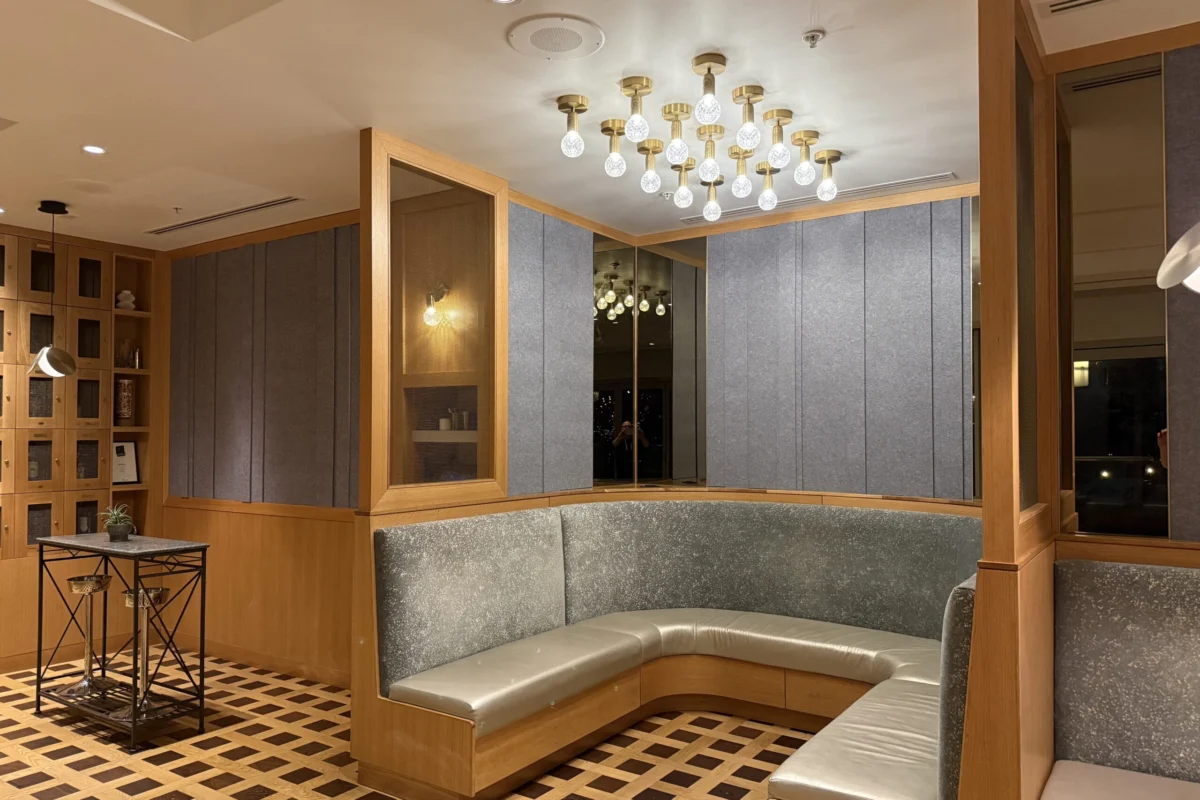
In the hospitality sector, where maintaining an award-winning interior design is paramount, discreet sound management is critical. Iain Fletcher, Director of Club Outlets at the historic Terminal City Club (TCC), shared his experience following an installation:

“We had won several design awards, so we wanted people to hear the difference, but not see the difference… I have had people ask what we did and where the panels are, so they’ve noticed a difference [in sound], but haven’t seen a difference.”
Tracey Cochrane, Owner and Manager of Points West Audio Visual and Acoustics, points to the broader impact that flexible product lines and supportive digital tools have on everyday business operations:
“Primacoustic has helped elevate me as an integrator and what I can present to the customers. They’ve been excellent—right from the product to the service! We worked on an event space that was incredibly challenging due to its construction… I couldn’t even use my traditional calculators to determine the product I needed. [Using Primacoustic’s online tools], I can input the dimensions of the room, along with the products… to create a visual for my clients. Instead of me simply saying ‘Here’s my proposed solution,’ I can actually give them a clear picture of the installation.”
Cochrane further adds regarding the product lineup:

“[Primacoustic is] constantly working on products that can be outfitted in all kinds of spaces; right from a simple square room to massive, interesting, and intricate spaces.”
Implications for Architects, Designers, and Dealers
The shift toward scalable, customizable acoustic systems has profound implications for the construction and design ecosystem.
1. Elevating the Role of AV Dealers and Integrators
No longer viewed merely as hardware installers, dealers utilizing modular acoustic systems can position themselves as holistic spatial designers. By leveraging online configuration tools, thermal/acoustic modeling, and visualization software, integrators can present clients with photo-realistic proposals that bridge the gap between technical requirements and interior design aspirations.
2. Expanding Project Opportunities
Rigid product limitations historically forced contractors to walk away from unconventional spaces—such as historic churches with vaulted timber ceilings, minimalist modern restaurants with concrete floors, or high-end residential spaces with complex geometry. Flexible systems like EcoScapes allow professionals to confidently say "yes" to complex architectural challenges, knowing that the material can be cut, carved, suspended, or color-matched to suit any environment.

3. Sustainability as a Baseline Expectation
Environmental consciousness is no longer a niche marketing angle; it is a baseline expectation for building owners, corporate tenants, and institutional clients. Utilizing recycled PET solutions allows projects to secure green building certifications while achieving superior acoustic comfort.
Conclusion: Shaping the Soundscapes of Tomorrow
As architecture continues to embrace open-concept layouts, hard surfaces, and striking geometric designs, the need for intelligent sound management will only intensify. The era of compromising interior beauty for acoustic clarity has officially drawn to a close.
By combining sustainable material science, artistic customizability through tools like CNC-carved panels and dimensional baffles, and robust digital support for dealers, the acoustic industry is proving that sound control can—and should—be an invisible savior or a striking artistic feature. For architects, designers, and integrators looking to push the boundaries of what a built environment can achieve, the path forward is clear: embrace versatility, prioritize sustainability, and transform acoustic challenges into design opportunities.