The Convergence of Sound and Vision
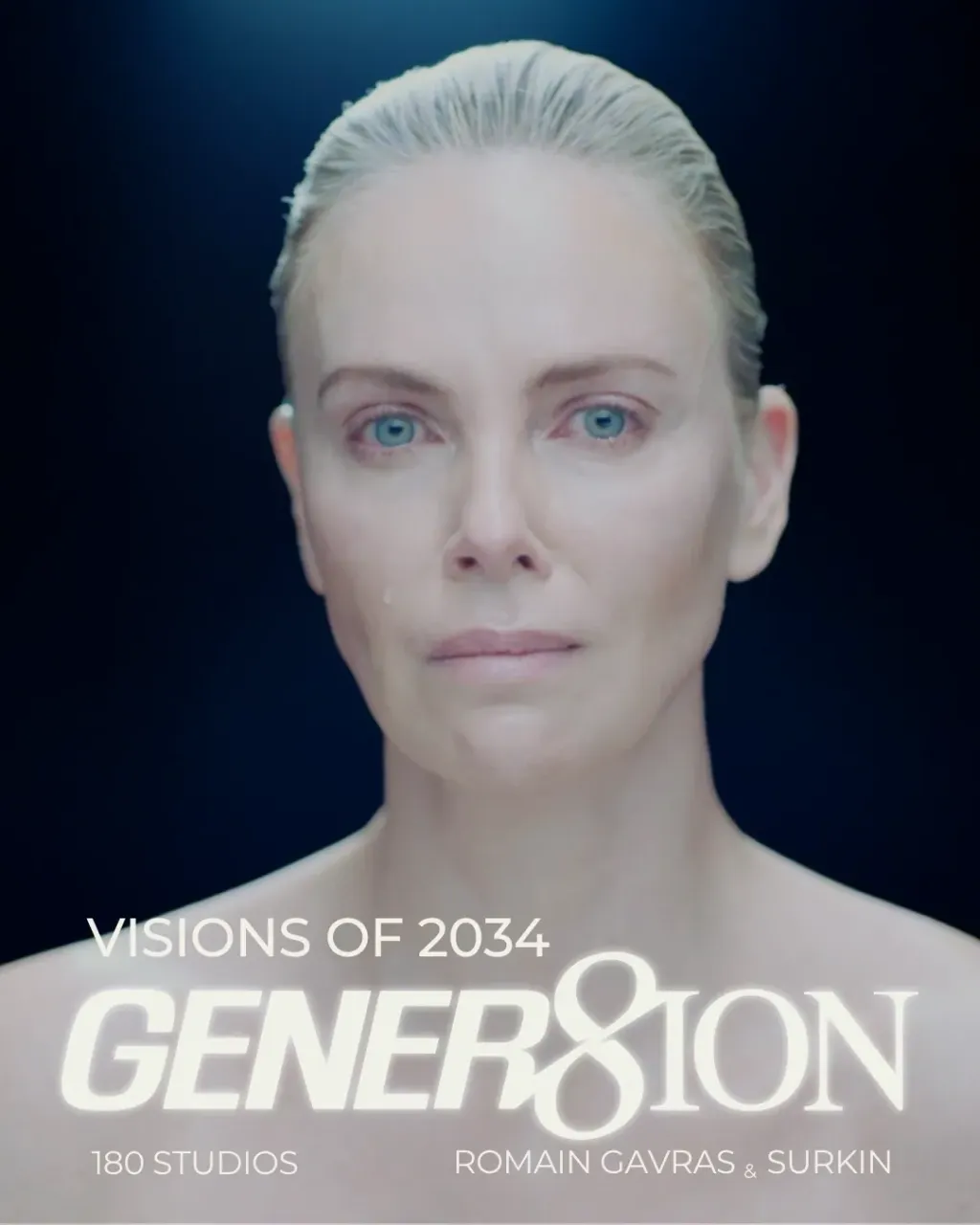
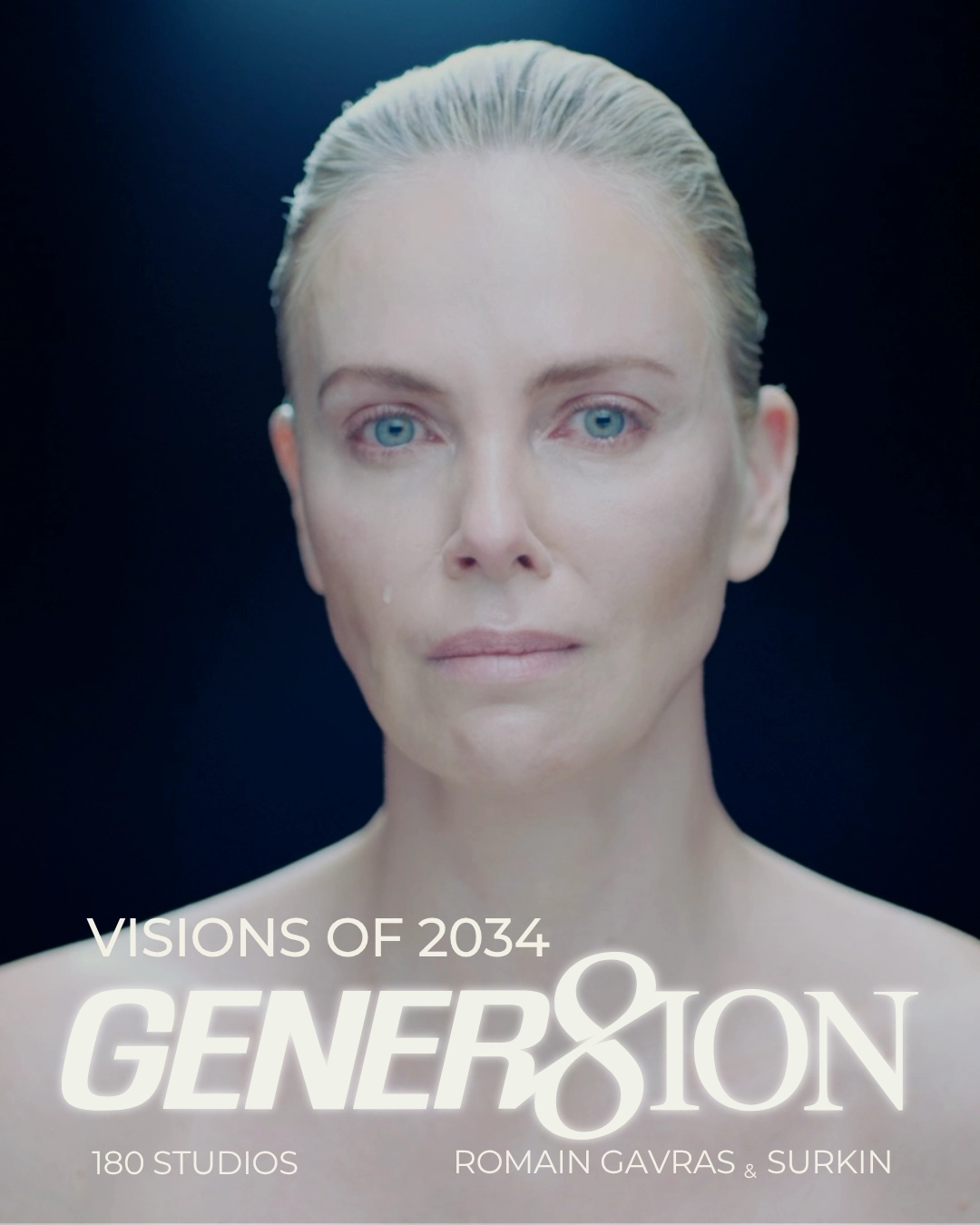
In the subterranean labyrinth of London’s 180 Studios, a new reality is set to take hold. On June 12, 2026, the venue will host Visions of 2034, the first major, comprehensive exhibition dedicated to the collaborative project GENER8ION. Helmed by the powerhouse pairing of French filmmaker Romain Gavras—a titan of the music video medium—and the visionary electronic producer and composer Surkin, the exhibition promises to be a definitive statement on the state of contemporary multimedia art.
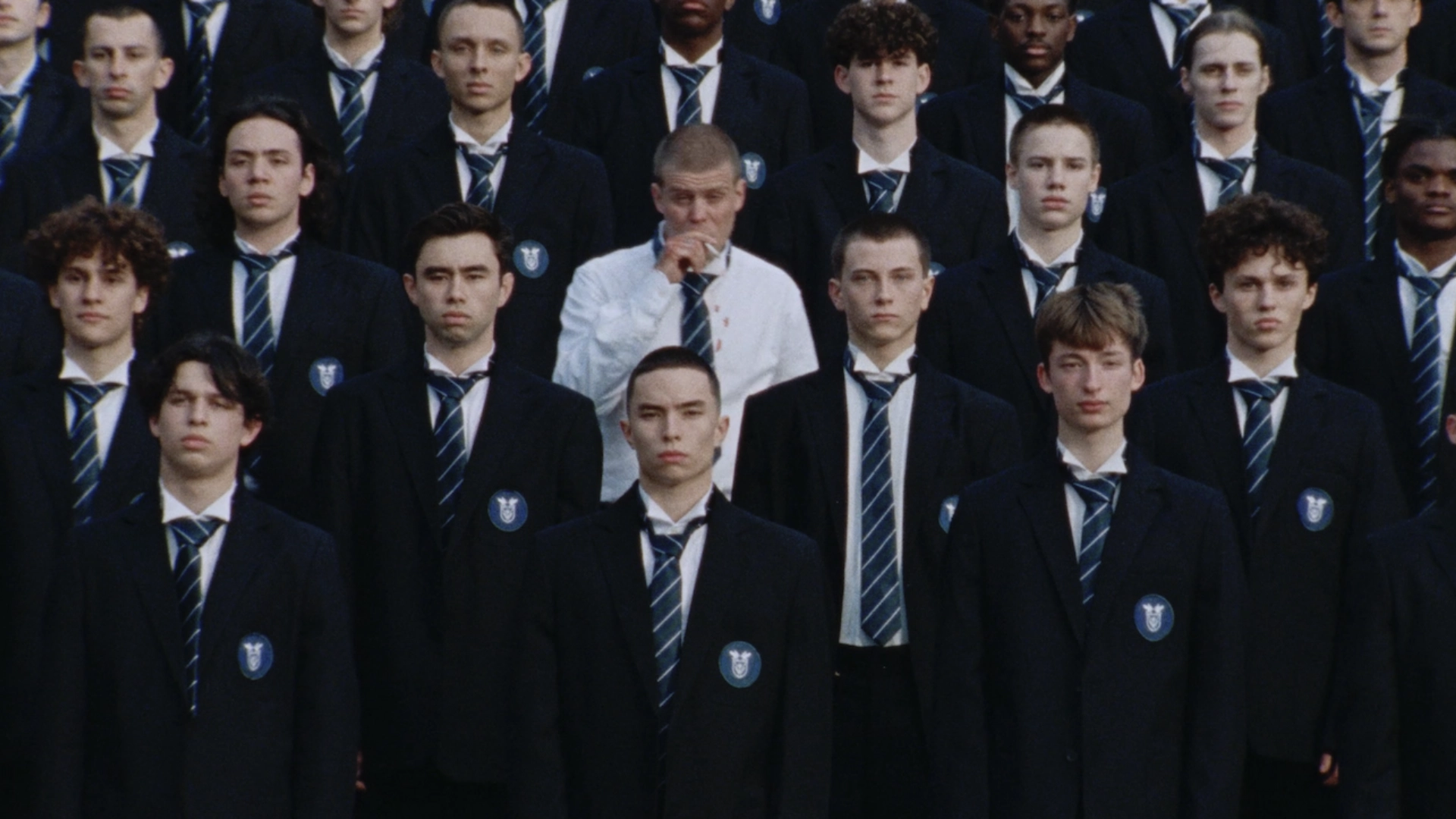
Visions of 2034 is not merely an exhibition; it is an immersive environment that challenges the viewer’s perception of time, technology, and the human condition. Spanning ten multimedia works, the exhibition explores what the creators term “peripheral dystopias”—futures that are not necessarily marked by total collapse, but rather by the subtle, creeping distortions of the present. As visitors navigate the industrial, cavernous architecture of 180 Studios, they will be confronted with a world where machines and human physicality are locked in a perpetual, haunting dance.
Chronology: A Trajectory of Collaboration
The genesis of Visions of 2034 can be traced back to the distinct yet complementary career paths of its founders. Romain Gavras, son of the legendary director Costa-Gavras, cemented his reputation as a master of provocative, high-octane visual storytelling through his work with artists such as Justice, M.I.A., and Jamie xx. His feature films, including the gritty Our Day Will Come and the intense Sacrifice, demonstrated an uncanny ability to capture the raw, often unsettling pulse of youth culture.
Parallel to this, Surkin (Benoît Heitz) has spent the better part of two decades as a cornerstone of the French electronic music scene. Known for his ability to blend pop sensibility with experimental sound design, Surkin’s evolution from club producer to conceptual sound artist provided the perfect sonic foundation for the duo’s joint endeavors.
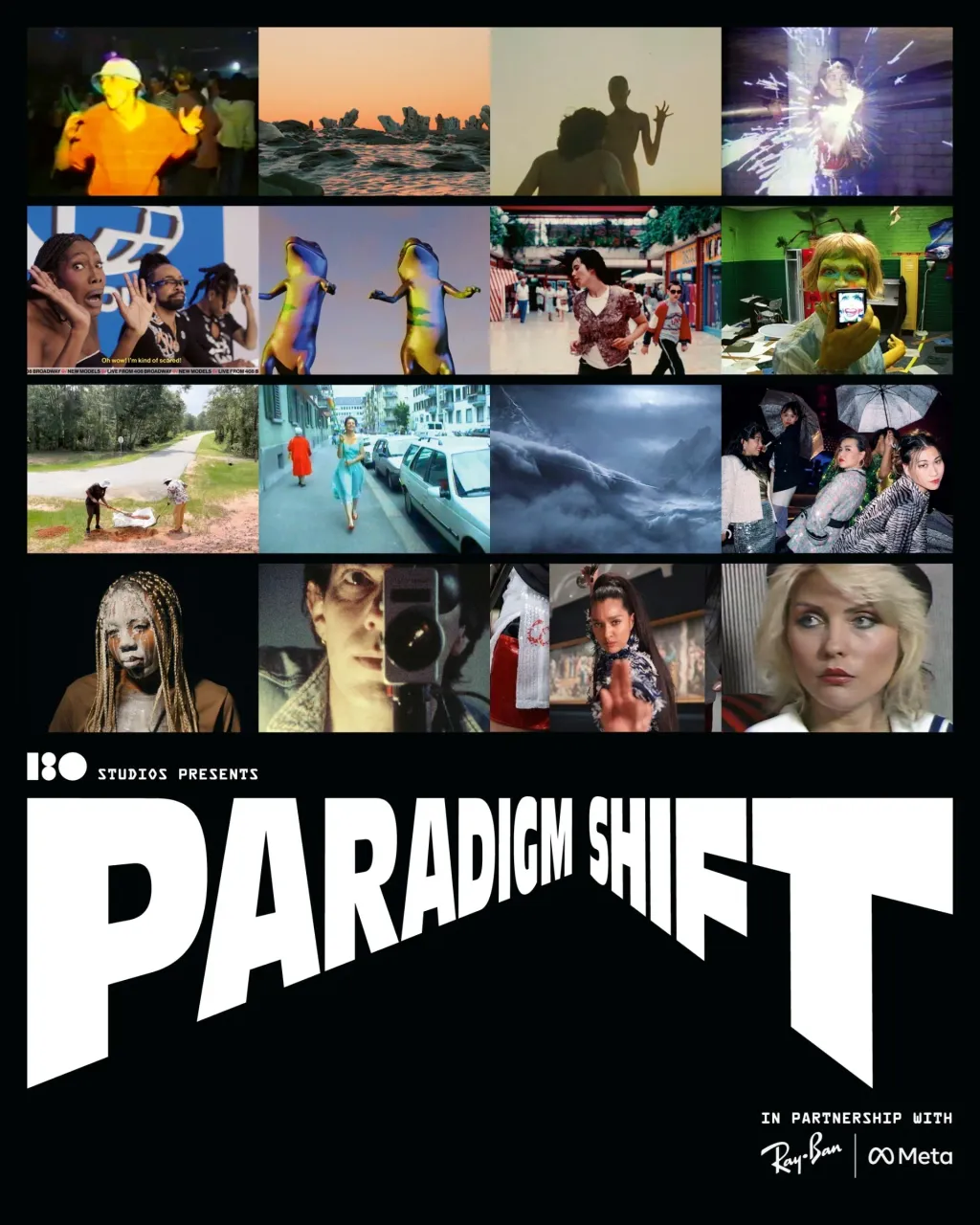
The seeds for the current exhibition were sown in 2022, when GENER8ION participated in the critically acclaimed Future Shock exhibition at 180 Studios. Their contribution, the short film Neo Surf, served as a proof of concept—a glimpse into a world where surfing is reimagined through the lens of a desolate, high-tech landscape. The success of that collaboration proved that their audiovisual language resonated deeply with a modern audience, leading to the development of the more ambitious, multi-layered Visions of 2034.
The Anatomy of the Exhibition
The exhibition is structured to guide the audience through a narrative that is both non-linear and profoundly evocative. At its core, Visions of 2034 features the premiere of seven brand-new short films, alongside a centerpiece immersive sound installation that serves as the "heartbeat" of the show.
The content draws heavily from the GENER8ION archive, incorporating previously unseen footage and alternative cuts that reveal the meticulous process behind their world-building. Among the highlights are appearances and contributions from an eclectic mix of cultural figures, including Yung Lean, 070 Shake, Jamie xx, Yannis Philippakis of Foals, actress Charlize Theron, and renowned choreographer Damien Jalet. These collaborations are not merely aesthetic choices; they are integral to the project’s exploration of human emotion within a digital framework.
The Role of Technology and the "Peripheral Dystopia"
One of the most striking aspects of the exhibition is its refusal to rely on the traditional tropes of the "post-apocalypse." Instead, Gavras and Surkin focus on "peripheral dystopias." These are worlds that feel familiar yet profoundly wrong. It is the distortion of the mundane—the way a digital screen flickers, the way a human limb moves in a slightly synthetic rhythm, or the way soundscapes are processed to feel both nostalgic and futuristic.
By placing these works within the industrial, concrete-heavy environment of 180 Studios, the exhibition forces a juxtaposition between the organic history of the building and the synthetic future presented on screen. The machines in the film become reflections of the technology we carry in our pockets today, suggesting that the year 2034 is not a distant milestone, but an inevitable outcome of our current trajectory.
Supporting Data and Context
To understand the significance of this exhibition, one must look at the broader cultural shift toward "total art" (or Gesamtkunstwerk). As audiences become increasingly fatigued by flat-screen consumption, the demand for physical, spatialized art experiences has surged. 180 Studios has positioned itself as the global hub for this transition, acting as a laboratory for artists who operate at the intersection of music, fashion, and film.
The choice to open the exhibition on June 12, 2026—the same date as the release of their debut album, Love & Tears—is a strategic move. By synchronizing the sonic release with the visual exhibition, the duo is effectively creating a cross-platform ecosystem. This allows the music to serve as the narrative score for the visuals, while the visuals act as the physical manifestation of the album’s thematic concerns.
Official Perspectives and Artistic Intent
In preliminary statements regarding the show, Gavras and Surkin have described the exhibition as a “living archive.” The intent is to provide a space where the “noise of the world” is filtered out, replaced by the deliberate, crafted chaos of their creative vision.
“We aren’t interested in predicting the future in the way science fiction writers do,” Gavras noted in a recent discussion on the project’s development. “We are interested in the feeling of the present as it stretches toward the horizon. It’s about how we look at our own culture through a lens that has been cracked.”
Surkin added, “The music and the image are not separate. We have been working to ensure that the sound frequency in the installation physically affects the viewer in the same way the imagery does. It is an exercise in total sensory immersion.”
The Implications of ‘Visions of 2034’
The cultural implications of Visions of 2034 are significant. First, it marks a formal shift for electronic music producers into the gallery space, moving beyond the limitations of the "club" or "concert" environment. This transition signals a maturation of the genre, where sound is no longer just for dancing, but for contemplation and architectural engagement.
Second, the exhibition serves as a commentary on the "archive" in the digital age. By repurposing unseen footage and alternative takes from their past projects, Gavras and Surkin are demonstrating that the creative process is never truly finished; it is a fluid, evolving entity that can be recontextualized indefinitely.
Finally, Visions of 2034 poses a challenging question to its visitors: If the future is shaped by distortion, how much of our present are we willing to let go of? The exhibition does not provide answers, but it creates a space where these questions can be felt—literally and figuratively.
Visitor Information
Visions of 2034 will be open to the public from June 12, 2026, through August 30, 2026. Given the high profile of the collaborators and the anticipated demand, prospective visitors are encouraged to book in advance via the 180 Studios official website.
The exhibition is a rare opportunity to witness the synthesis of two distinct artistic trajectories reaching their zenith. Whether one is a devotee of Gavras’s cinematic intensity or a follower of Surkin’s electronic innovation, the exhibition promises to be a landmark event in the 2026 cultural calendar. It is a testament to the idea that even in a world of rapid, often confusing change, art remains the most effective tool for navigating the shadows of the future.
As the summer of 2026 approaches, all eyes will turn to the Strand, where the future—distorted, digitized, and deeply human—will finally arrive.