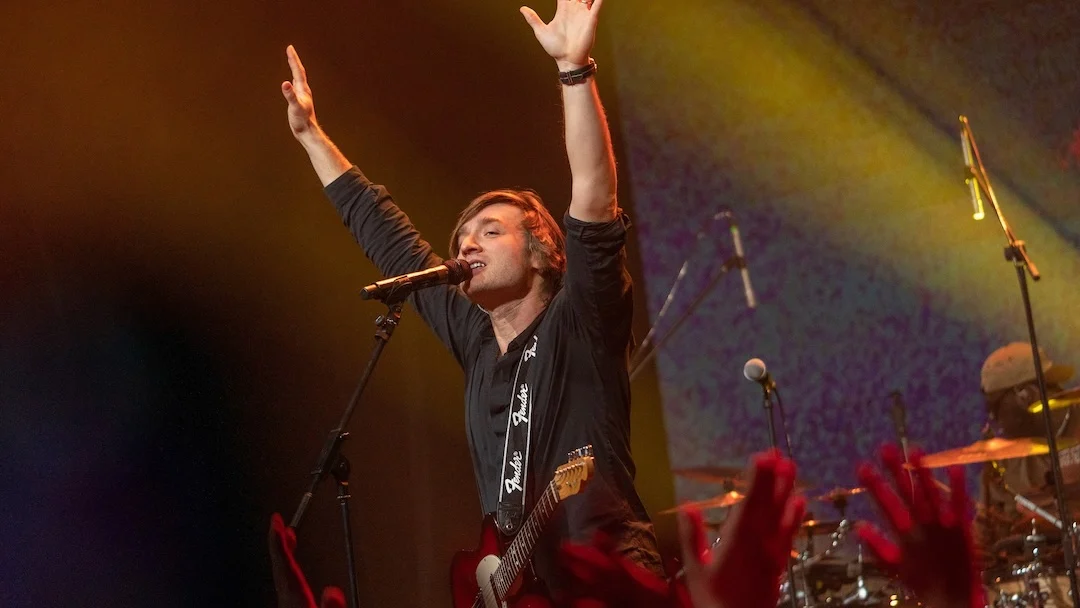
NEW YORK, NY — In the landscape of modern pop, few acts have managed to capture the intersection of nostalgia and contemporary angst as effectively as The Midnight. To attend one of their performances is to be transported into a neon-soaked cinematic landscape, one where the year is eternally 1985, but the emotional stakes are firmly rooted in the present. As of July 20, 2026, the duo—comprised of Danish producer Tim McEwan and American singer-songwriter Tyler Lyle—has solidified their status as the vanguards of the synth-wave movement.
Their fifth studio album, Syndicate, released last year to critical acclaim, has served as the catalyst for the "Time Machines" world tour, an ambitious global undertaking that has tested the mettle of both the performers and their technical crew. While the band’s aesthetic relies on the analog warmth of the past, the production behind the scenes is a marvel of 21st-century digital engineering.
Main Facts: A Global Phenomenon in Neon
The Midnight’s transition from a studio-based cult favorite to a premier touring act has been nothing short of meteoric. For the "Time Machines" tour, the core duo expanded into a formidable six-piece live ensemble to recreate the lush, layered textures of Syndicate. The touring lineup includes Tyler Lyle on lead vocals and guitar, keyboardist OBLVYN, bassist and musical director Oliver McEwan, guitarist/keyboardist Rhett Shull, saxophonist Justin Klunk, and drummer Kwesi Robinson.
The tour has seen the band traverse the globe, hitting major markets in China, Australia, India, and Europe. In the United States, the band recently concluded a 23-date spring leg, selling out iconic venues with capacities ranging from 2,000 to 3,000 seats, including the Paramount Theatre in Seattle and the Hollywood Palladium in Los Angeles.
At the heart of this operation are two industry veterans: Front-of-House (FOH) engineer TJ Elias and Production Manager/Monitor Engineer Hamish Dickinson. Together, they are responsible for translating Tim McEwan’s meticulous studio production into a high-energy live experience that retains its "record-quality" sheen without sacrificing the raw energy of a rock show.
Chronology: From ‘Syndicate’ to the Global Stage
The journey to the "Time Machines" tour began in early 2025 with the release of Syndicate. The album marked a shift in the band’s sound, moving toward a more polished, "stadium-synth" feel while maintaining the wailing saxophone solos and shimmering keytars that defined their early work.
- Late 2025: The band begins rehearsals in Los Angeles, integrating new hardware and software to handle the complex MIDI and audio routing required for the Syndicate tracks. Tim McEwan announces his retirement from the road to focus on studio production, leaving Tyler Lyle to lead the touring unit.
- Early 2026: The tour kicks off with international dates. The band performs at Modern Sky Lab in Shanghai and various festivals across India and Australia, proving that the retrowave aesthetic has a massive, borderless appeal.
- March – May 2026: The 23-date U.S. spring run commences. This leg serves as the proving ground for the tour’s full technical package, provided by LMG of Orlando, Florida.
- June – July 2026: The tour moves through Europe, hitting major summer festivals.
- September 2026 (Upcoming): A second North American leg is scheduled to begin, following the success of the spring dates and the high demand for the "Time Machines" experience.
Supporting Data: The Technical Blueprint
To maintain sonic consistency across varying acoustic environments, the production team opted to carry a comprehensive control package. While the tour utilized "house P.A." systems at each venue, the internal audio, lighting, and video systems remained constant, ensuring that the show’s "DNA" never changed.

The Front-of-House Strategy
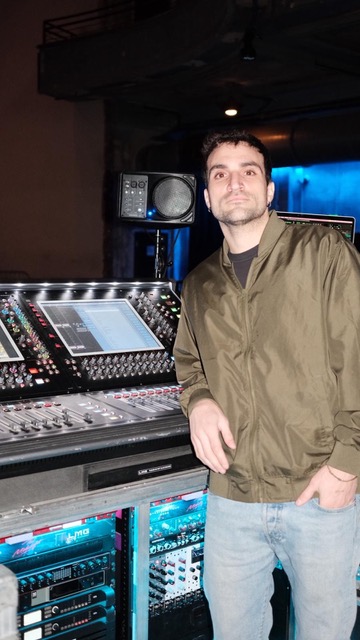
TJ Elias, manning the FOH position, chose the DiGiCo SD12 as his primary mixing surface. The console’s flexibility and high-resolution processing were essential for managing the band’s dense arrangements.
"I always want to keep that ‘live band’ aspect, but still make it feel like a record out front," Elias explained. "To me, a front-of-house engineer’s job is to amplify what’s been given to you and put that together in the best, cleanest way possible."
Elias utilized a hybrid processing approach, leaning on the SD12’s onboard effects while integrating Live Professor for specialized vocal chains. Key plug-ins included:
- Waves Primary Source Expander (PSE): Crucial for cleaning up Tyler Lyle’s wireless vocal mic, especially as he moves across the stage and interacts with the crowd.
- Waves Doubler: Used to recreate the signature "thickened" vocal sound found on The Midnight’s studio recordings.
Monitor World and Wireless Management
Stageside, Hamish Dickinson operated an Allen & Heath dLive desk. The monitor setup was equally sophisticated, providing custom mixes to a variety of high-end In-Ear Monitors (IEMs), including 64 Audio, Ultimate Ears, and JH Audio earpieces.
The tour utilized the new Shure Axient Digital PSM system. Interestingly, Dickinson chose to run the system in "Analog FM Mode." He noted, "It was an easy setup and there’s no panning around with things. We just have eight frequencies, which includes five band members—because our drummer is hardwired—a guest, myself, and our video tech on stage right."
Microphone Selection and Instrument Capture
The microphone plot for the "Time Machines" tour was a "who’s who" of industry standards and boutique favorites:
- Vocals: Shure KSM9 capsules for Lyle and OBLVYN; sE Electronics V7s for Oliver McEwan and Rhett Shull.
- Saxophone: Justin Klunk’s horn featured a Shure Beta 98 wireless clip-on, essential for his high-energy movement.
- Guitars: Two guitar cabinets were miked in stereo using a combination of sE V7X and sE8 microphones.
- Drums: A hybrid setup featuring a Shure Beta 91A and Audix D6 on the kick, AKG C451s on hi-hats, sE4400 condensers for overheads, and a beyerdynamic M 201/Shure KSM137 combo on the snare. Additionally, four Roland V-Drums fed into a TM-6 trigger module to provide the electronic "thwack" necessary for the 80s aesthetic.
Official Responses: The Philosophy of the Mix
The production philosophy of The Midnight is one of "curated transparency." The band spends thousands of hours in the studio perfecting their synth patches and drum samples. Therefore, the live engineers view themselves as stewards of that existing vision rather than creators of a new one.
"Aside from maybe adding some effects here and there, a band should give you all the texture you need—and they tend to do that if you just stay out of their way," says Elias. This sentiment highlights a growing trend in live sound where the engineer acts as a bridge between studio perfection and live spontaneity.
Hamish Dickinson’s role, however, recently expanded beyond the mixing board in a way that epitomizes the "show must go on" spirit of the industry. During the East Coast swing of the U.S. tour, drummer Kwesi Robinson fell ill mid-performance. Without a moment’s hesitation, Dickinson—a former touring drummer himself—stepped in.
Dickinson finished the encore that night and proceeded to play the entire set for the next three shows in Boston, Brooklyn, and Pittsburgh—all without a single formal rehearsal. Despite the immense pressure of pulling triple duty as Production Manager, Monitor Engineer, and Drummer, Dickinson remained modest. "It’s all in a day’s work," he told Mix magazine, reflecting the quiet professionalism that keeps the "Time Machines" tour running smoothly.
Implications: The Future of the "Live Record" Experience
The success of The Midnight’s tour and the sophistication of their technical setup signal a broader shift in the music industry. As audiences increasingly expect live performances to mirror the high-fidelity sound of streaming recordings, the role of the live engineer is becoming more integrated with the band’s creative identity.
- The Rise of Hybrid Performances: The Midnight’s blend of live instrumentation (sax, guitar, drums) with heavy MIDI and synth backing tracks represents the future of pop touring. It requires engineers who are as comfortable with software plugins and MIDI routing as they are with microphone placement.
- The "Utility" Crew Member: Hamish Dickinson’s ability to step in as a drummer highlights the increasing value of multi-talented crew members. In an era of tight touring budgets and high stakes, having a Production Manager who can also mix monitors and play an instrument is a massive asset.
- Technological Standardization: The reliance on control packages from providers like LMG shows that "consistency is king." By carrying their own desks and IEM systems, bands can ensure that their fans in Shanghai hear the same show as their fans in Seattle, regardless of the venue’s house gear.
As The Midnight prepares for their September return to North America, the "Time Machines" tour stands as a testament to the power of nostalgia when backed by cutting-edge technology. It is a reminder that while the music may look back to 1985, the way we experience it is moving firmly into the future.