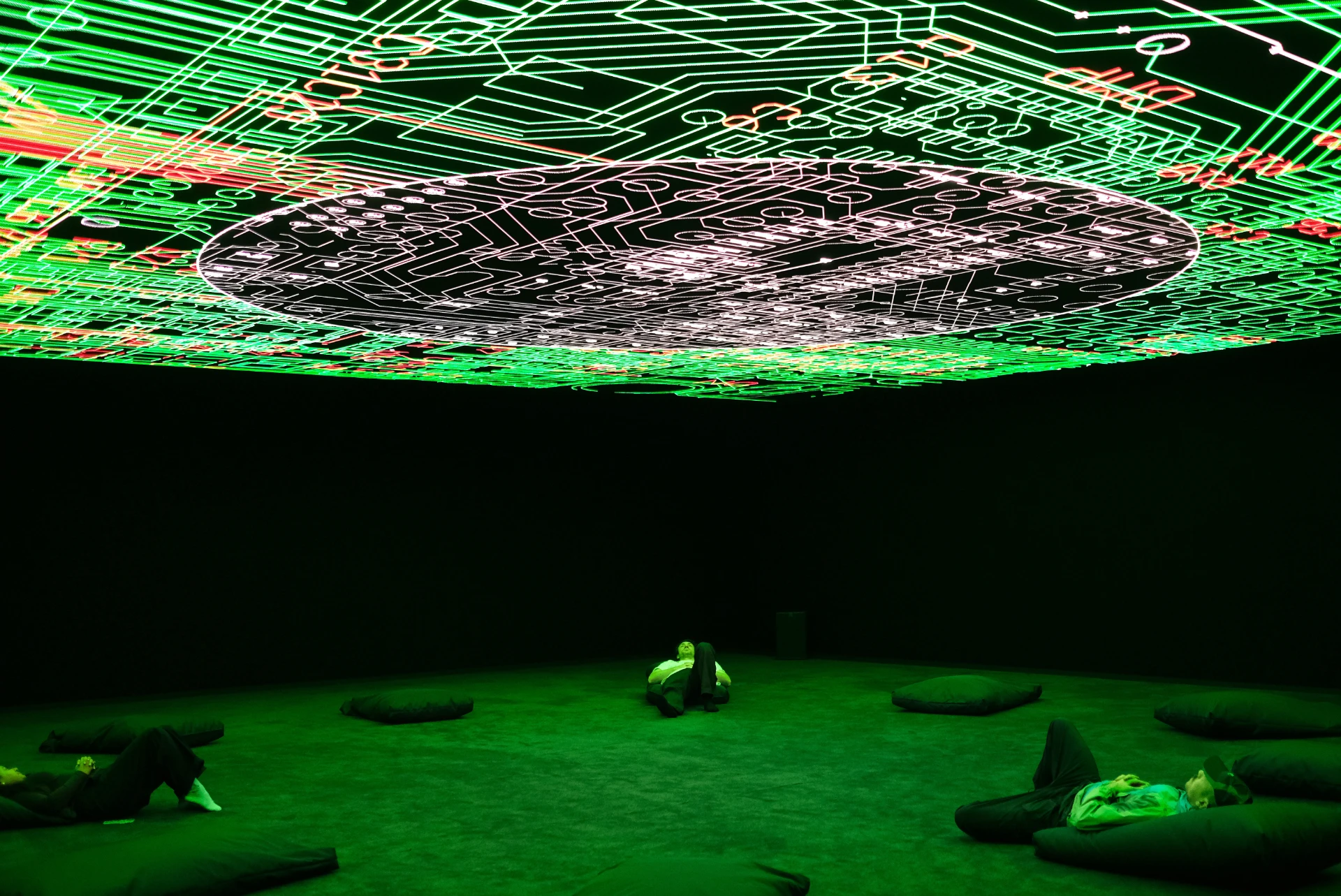
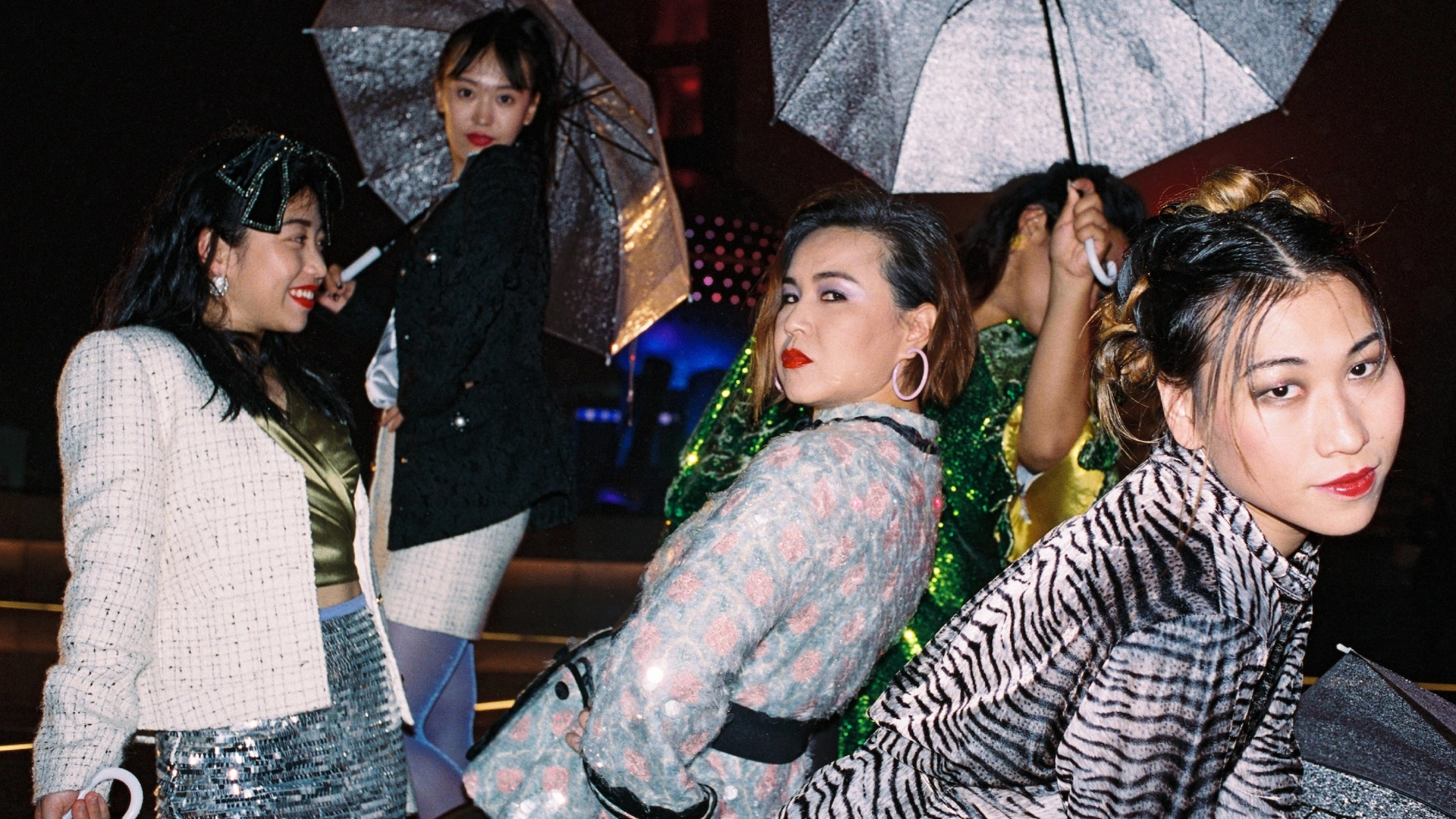
London’s 180 Studios, the sprawling subterranean creative hub at 180 The Strand, is set to host its most ambitious exhibition to date. Titled Paradigm Shift, the showcase serves as a sprawling, multi-disciplinary examination of moving image culture, charting its radical evolution from the analog underground of the 1970s to the hyper-connected, algorithm-driven digital landscape of the present day. Opening on Wednesday, 15 October 2025, and running through 1 February 2026, the exhibition promises to transform the cavernous, brutalist architecture of 180 Studios into a labyrinthine gallery of light, sound, and screen-based rebellion.
Curated by Mark Wadhwa and Dazed co-founder Jefferson Hack, Paradigm Shift is not merely a retrospective; it is an interrogation of how artists have historically utilized technology—from the humble Super 8 camera to the immersive possibilities of modern gaming and internet culture—to dismantle the status quo and reshape our collective visual consciousness.
The Core Narrative: A History of Technological Rebellion
At its heart, Paradigm Shift explores the intersection of art and utility. The exhibition brings together a formidable roster of creators whose work transcends traditional medium boundaries. Visitors can expect to navigate through a curated selection of works from luminaries such as Andy Warhol, whose early experiments with film challenged the boundaries of "high art," and Derek Jarman, whose avant-garde cinema defined the aesthetic of queer resistance in the late 20th century.
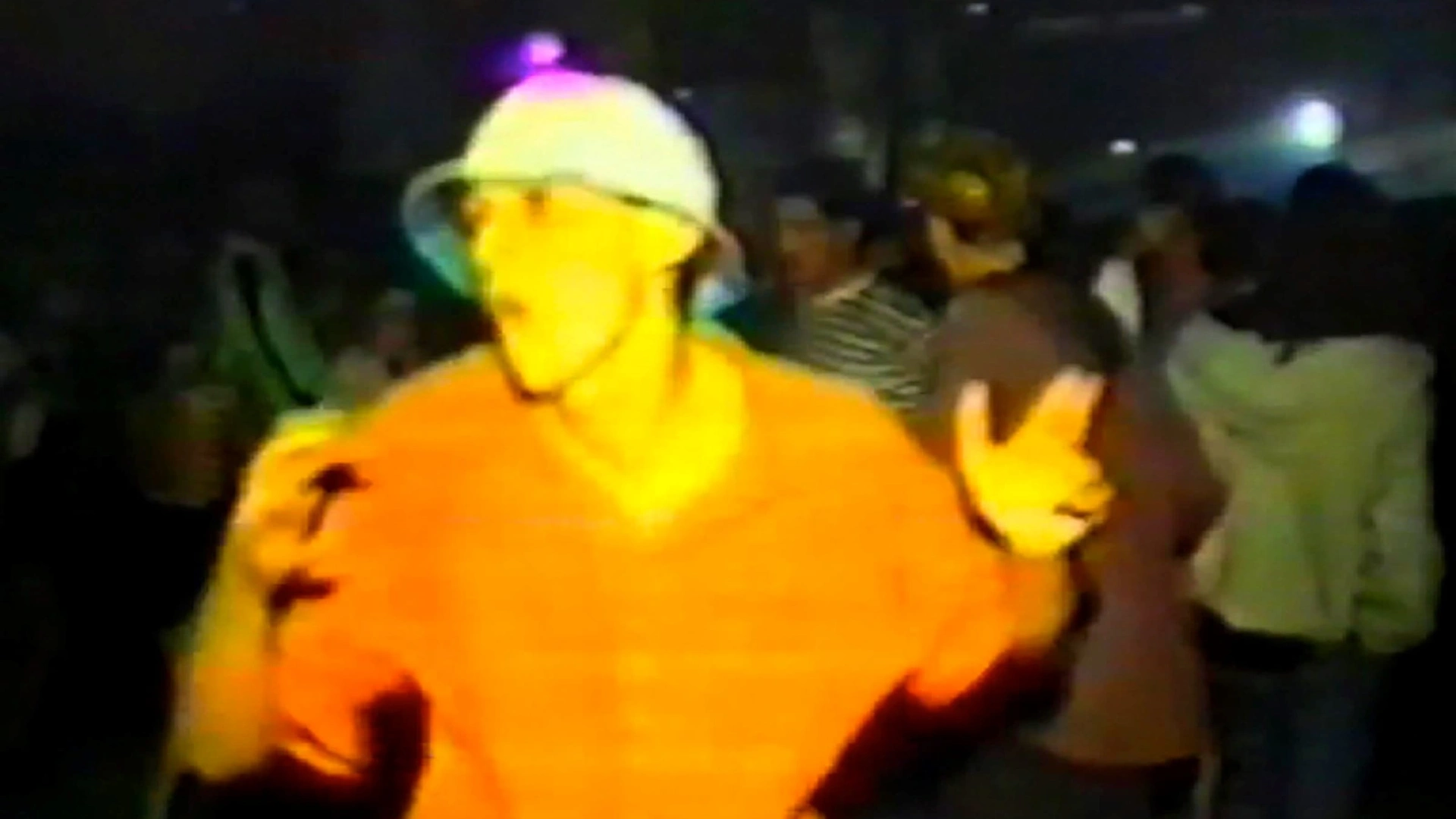
The exhibition is anchored by Mark Leckey’s 1999 seminal work, Fiorucci Made Me Hardcore. A masterpiece of archival footage and cultural memory, the piece serves as a spiritual center for the show, illustrating how moving images can synthesize disparate elements of subculture—in this case, the British rave scene—into a singular, visceral emotional experience. By placing such an iconic piece alongside contemporary digital works, the curators are drawing a direct line between the analog subcultures of the past and the digital tribes of today.
Chronology: From Super 8 to the Digital Frontier
The exhibition is structured to reflect the seismic shifts in how we consume and create media. The chronology begins in the 1970s, an era defined by the democratization of the moving image.
The Analog Awakening (1970s – 1980s)
In the early sections of the gallery, the focus is on the "DIY" spirit. During this period, the portability of Super 8 cameras and the arrival of VHS technology allowed artists to bypass traditional broadcasting gatekeepers. This section highlights the birth of video art as a medium for the personal and the political, featuring works by figures who saw the screen as an extension of the body and the protest.
The MTV and Broadcast Evolution (1990s – 2000s)
As the timeline moves into the 90s, the exhibition shifts its gaze toward the influence of music video and television culture. This era saw the blurring of lines between commercial production and fine art. Artists began to play with the visual language of advertising and pop celebrity, creating works that were simultaneously hypnotic and critical of the media-saturated environment.
The Hyper-Connected Present (2010s – 2025)
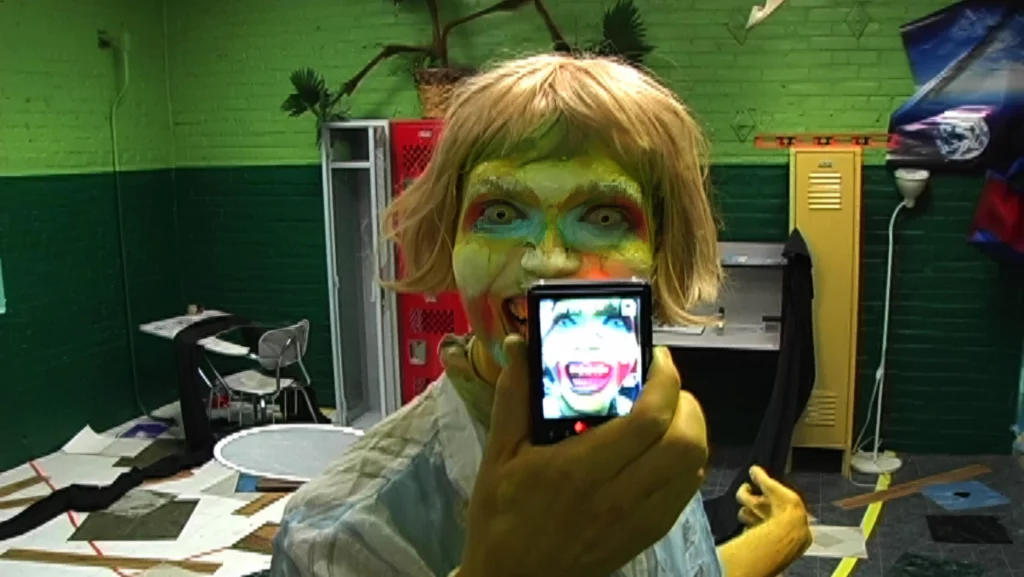
The final chapters of Paradigm Shift confront the current reality: the era of the internet, gaming engines, and real-time digital rendering. Here, the work of creators like Martine Syms, Ryan Trecartin, and Cao Fei takes center stage. Their pieces explore the psychological impact of constant connectivity, the fragmentation of identity in social media, and the blurring of physical and virtual worlds through the lens of gaming aesthetics.
Supporting Data: A Who’s Who of Visual Culture
The scale of Paradigm Shift is underscored by the diversity of its participants. The exhibition does not merely collect film; it bridges the gap between fashion, technology, and performance. The list of featured artists and designers includes:
- Pioneers of the Avant-Garde: Andy Warhol, Derek Jarman, and Nan Goldin.
- Contemporary Visionaries: Arthur Jafa, whose work continues to push the boundaries of cinematic montage; Cao Fei, known for her explorations of urban isolation in a tech-driven China; and Ryan Trecartin, whose surrealist approach to digital identity remains unmatched.
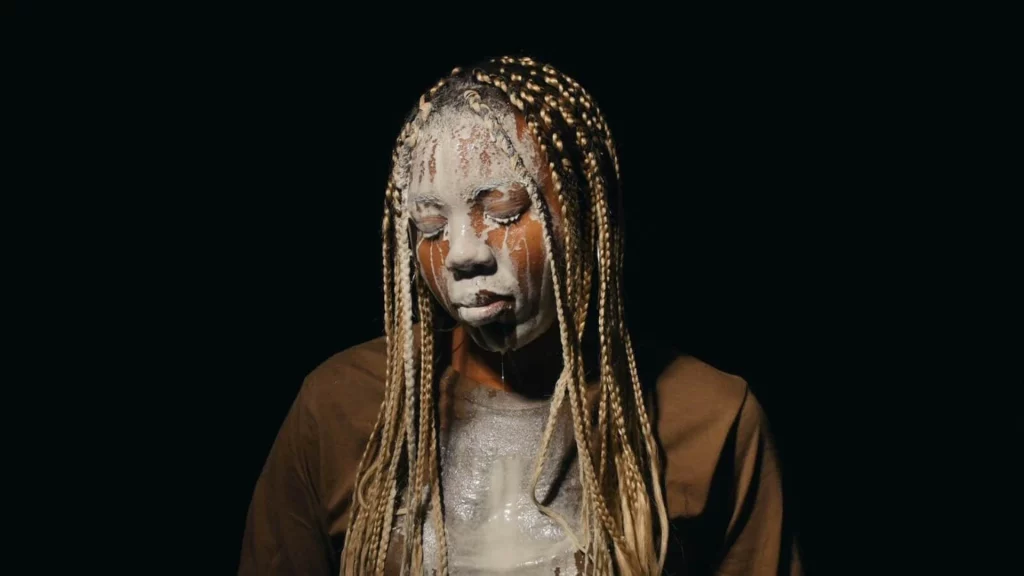
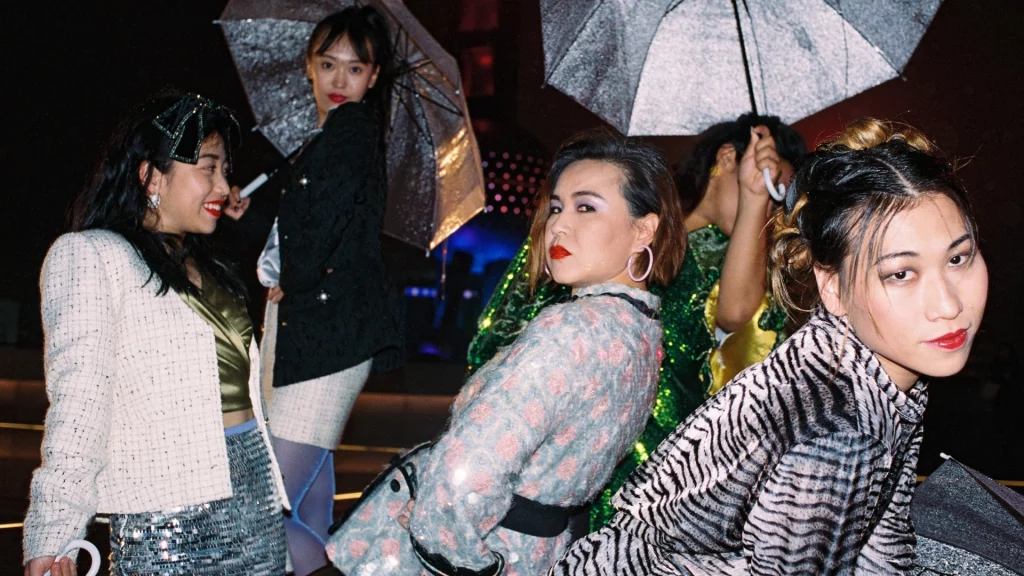
- Intersectionality and Fashion: The inclusion of Foday Dumbuya and the label TELFAR highlights the role of fashion as a form of moving image performance, emphasizing that the "screen" is now an integrated part of the clothes we wear and the identities we curate.
- Global Perspectives: Meriem Bennani, Sophia Al-Maria, and Josèfa Ntjam bring narratives from across the globe, ensuring that the "paradigm shift" is viewed not just through a Western lens, but as a worldwide phenomenon.
Official Perspectives: The Philosophy of the Screen
During the press unveiling, Jefferson Hack articulated the vision behind the project. "From the Super 8 and VHS revolutions of the 1970s and 80s to the digital hyper-connectivity of our present moment, video art and moving image have always operated at a crossroads," Hack stated. "They exist between the high and the low, the visceral and the conceptual, the personal and the political."
Hack emphasized that the exhibition is designed to act as a sensory "reset" for the visitor. In an age of infinite, mindless scrolling, Paradigm Shift demands focused attention. "In Paradigm Shift, we see how great artists inspire us to engage with storytelling through screens differently: for us to feel more, imagine more, and recover our senses."
This sentiment is further echoed by the exhibition’s partner, Ray-Ban Meta, suggesting a focus on how wearable technology and augmented reality are the next logical steps in the evolution of the moving image—a theme that permeates the newer, commissioned works created specifically for this show.
Implications: The Future of Moving Image
What does Paradigm Shift mean for the future of art in London and beyond? By contextualizing contemporary digital art alongside historical icons, 180 Studios is making a strong case for the legitimacy of "screen culture" as the defining art form of the 21st century.
Challenging the Status Quo
The primary implication of the exhibition is the power of the artist to subvert technology. Historically, cameras and editing software were tools of the state or the corporation. Artists like those featured in this exhibition have consistently "hacked" these tools to tell stories that were previously silenced. The exhibition forces the viewer to ask: if we are all now filmmakers, producers, and editors via our smartphones, what is the role of the professional artist? The answer, as suggested by the work on display, is to provide the "why" behind the "how."
The Subterranean Experience
The choice of 180 Studios—a massive, subterranean, industrial space—is intentional. By removing the viewer from the daylight and the frantic pace of the city, the exhibition forces an immersion that is increasingly rare in contemporary life. It is an acknowledgment that to truly understand the digital age, we must occasionally step out of it and into a space where the screen is the absolute focus.
A Call to Action
Ultimately, Paradigm Shift is a challenge to the audience. It is an invitation to transition from passive consumers of content to active participants in culture. As the exhibition runs through the winter months, it serves as a cultural beacon in London, offering a space for reflection on how we consume information and how that consumption changes who we are.
Visitor Information
Paradigm Shift: New Dimensions in Moving Image is a must-see for anyone interested in the trajectory of contemporary media.
- Venue: 180 Studios, 180 The Strand, London, WC2R 1EA.
- Dates: 15 October 2025 – 1 February 2026.
- Hours: Wednesday – Sunday, 12pm – 7pm.
- Tickets: Available exclusively through the 180 Studios official website.
As the digital world continues to accelerate, exhibitions like Paradigm Shift provide the necessary pause to evaluate where we have been and where the next revolution in moving image will take us. Whether you are a student of film, a digital native, or simply a curious observer of the cultural zeitgeist, this exhibition offers a profound glimpse into the machinery of our collective imagination.