Introduction: A New Paradigm for Foldable Devices
In a bold move that marks a major shift in its mobile strategy, Samsung has unveiled its eighth generation of folding smartphones, introducing a dual-model lineup that fundamentally redefines the book-style foldable. Historically, the South Korean technology giant has kept a strict division in its bendable portfolio: the clamshell Galaxy Z Flip served as the lifestyle-focused throwback to the early 2000s, while the Galaxy Z Fold stood as the singular, productivity-driven powerhouse that transformed from a standard smartphone into a mini-tablet.
With the launch of the Galaxy Z Fold 8 generation, that singular vision has fractured into two distinct pathways. For the first time, consumers are presented with a choice between the standard Galaxy Z Fold 8 and the ultra-premium Galaxy Z Fold 8 Ultra.
While industry watchers anticipated that the "Ultra" moniker would carry the most radical upgrades, early hands-on testing reveals a surprising twist: it is the standard, more affordable Galaxy Z Fold 8 that represents the most significant design departure. By prioritizing an audio-visual (AV)-first experience, Samsung is steering the foldable category away from purely enterprise-focused multitasking and toward mainstream, high-fidelity content consumption.
Main Facts: The Bifurcation of the Fold Lineup
The core of Samsung’s eighth-generation strategy rests on tailoring physical form factors to specific user behaviors. Instead of offering a one-size-fits-all flagship, Samsung has engineered two devices with dramatically different aspect ratios, target demographics, and hardware profiles:
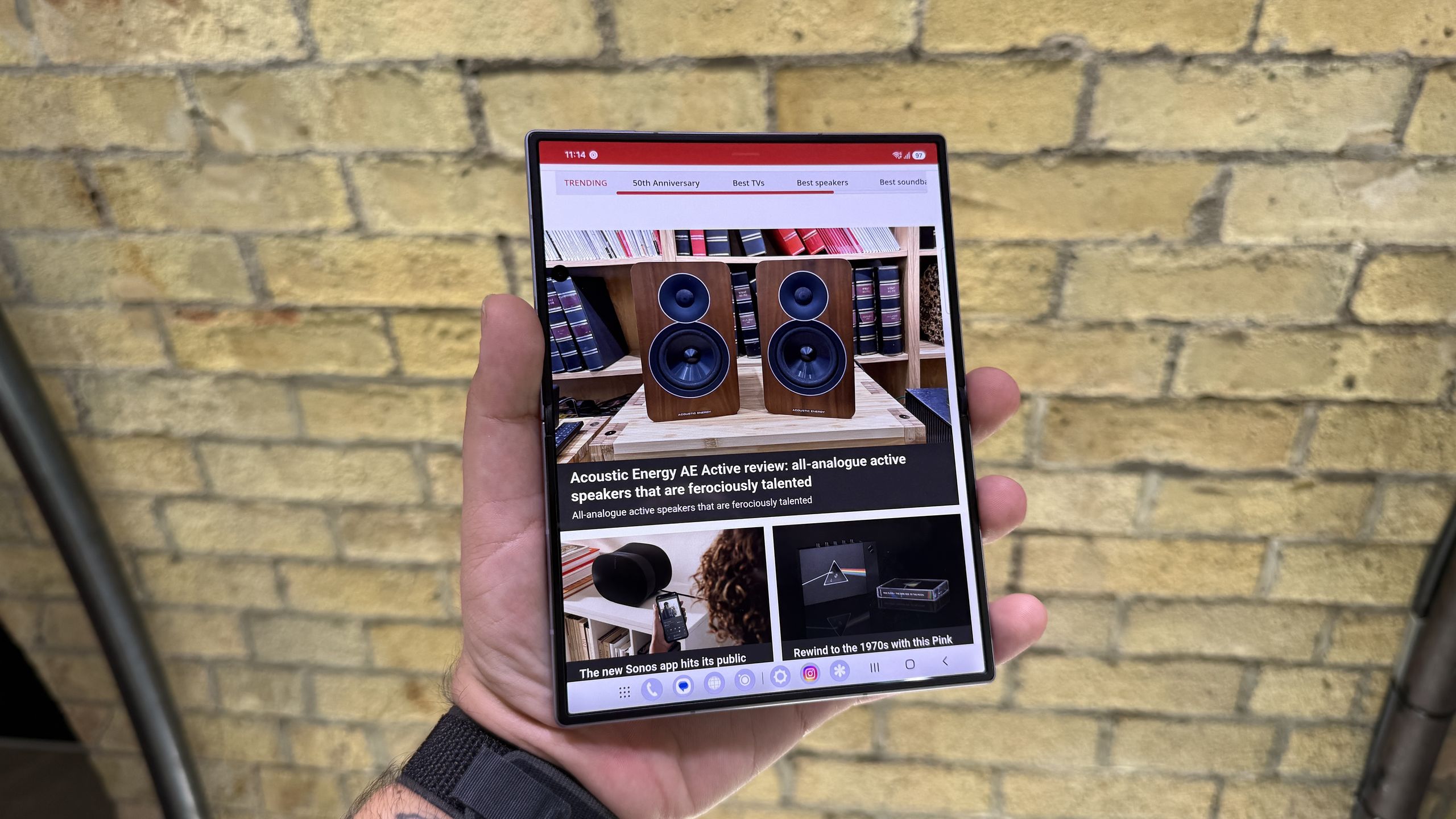
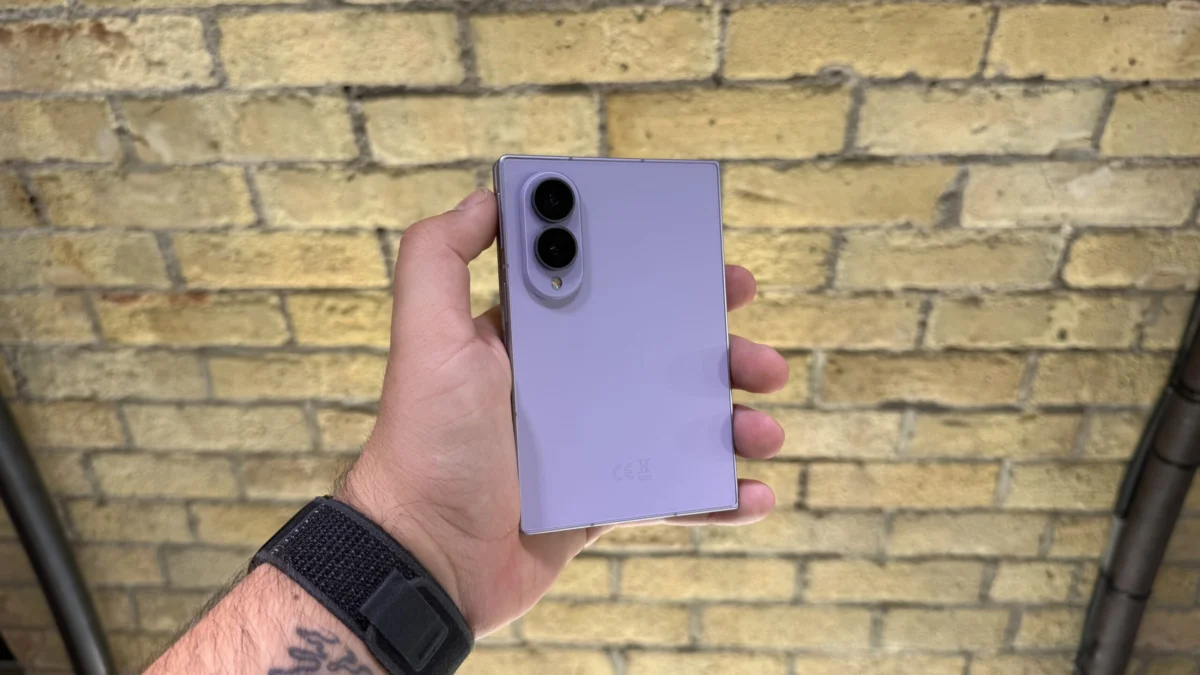
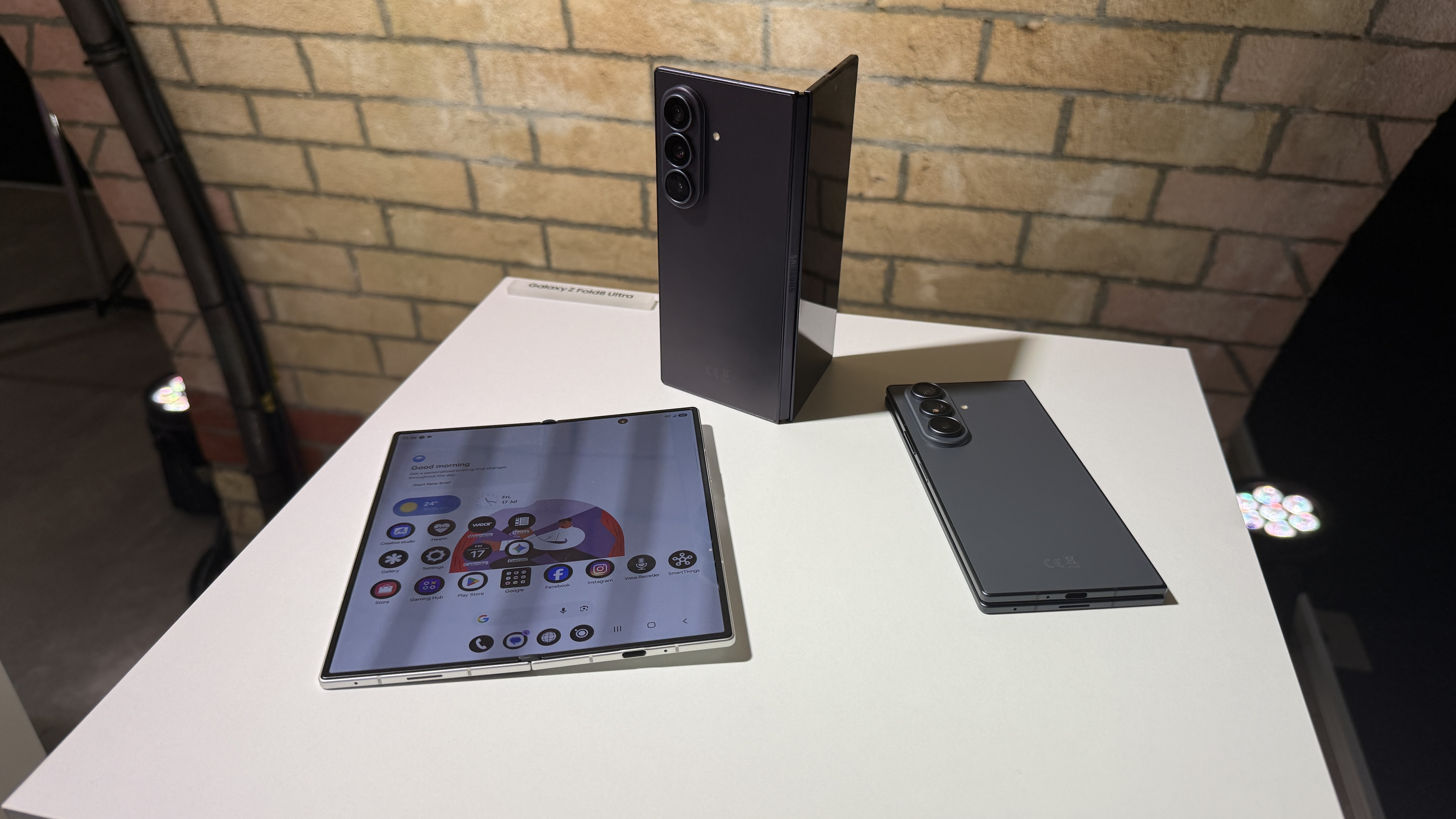
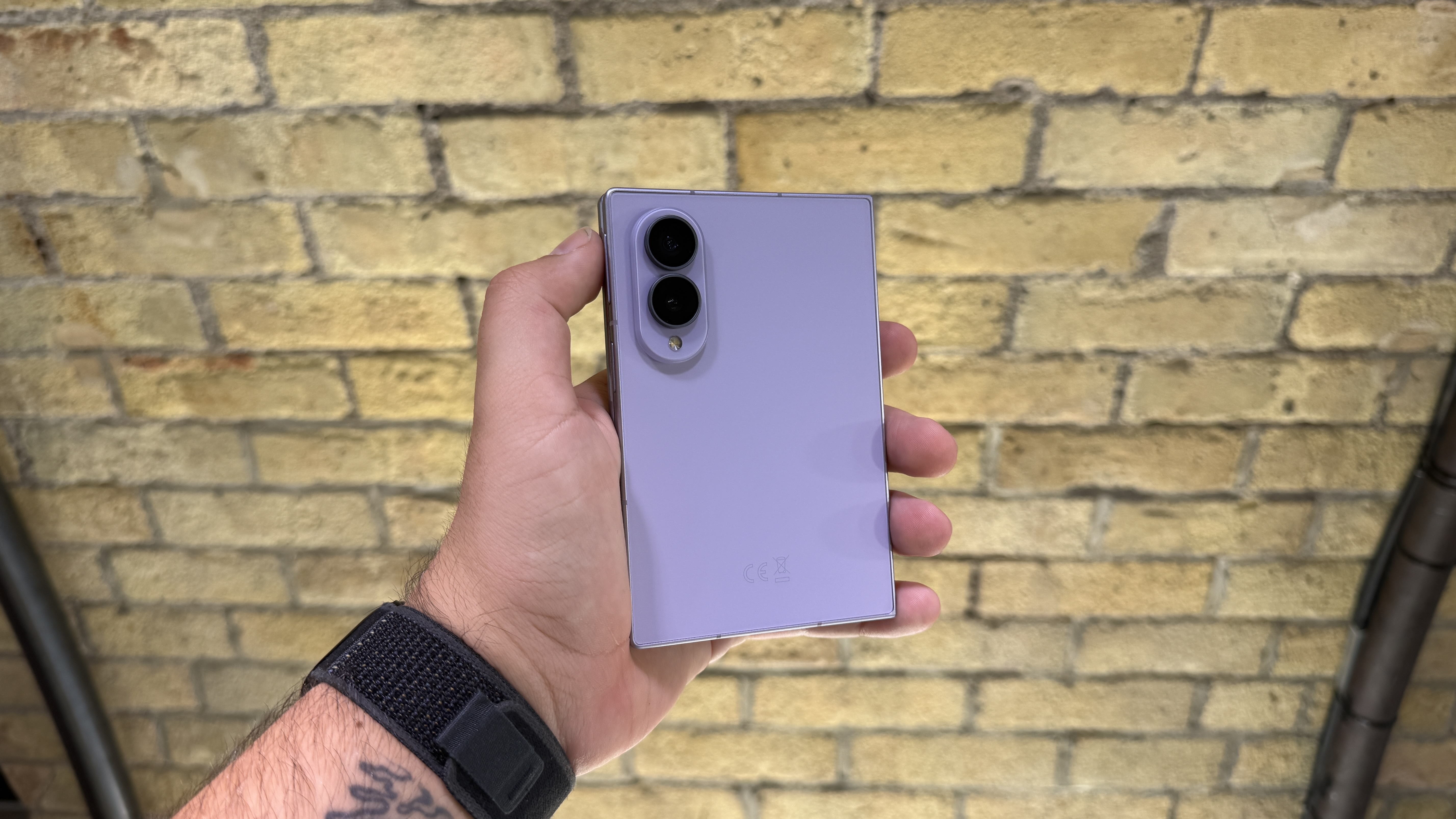
- The Galaxy Z Fold 8: This standard model introduces a radically redesigned, wider, and shorter chassis. Sporting a passport-like form factor, it features a 7.6-inch interior display with a 4:3 landscape aspect ratio, paired with a 10:16 outer cover screen. This design is optimized for one-handed usability, comfortable reading, and seamless media playback with minimized letterboxing.
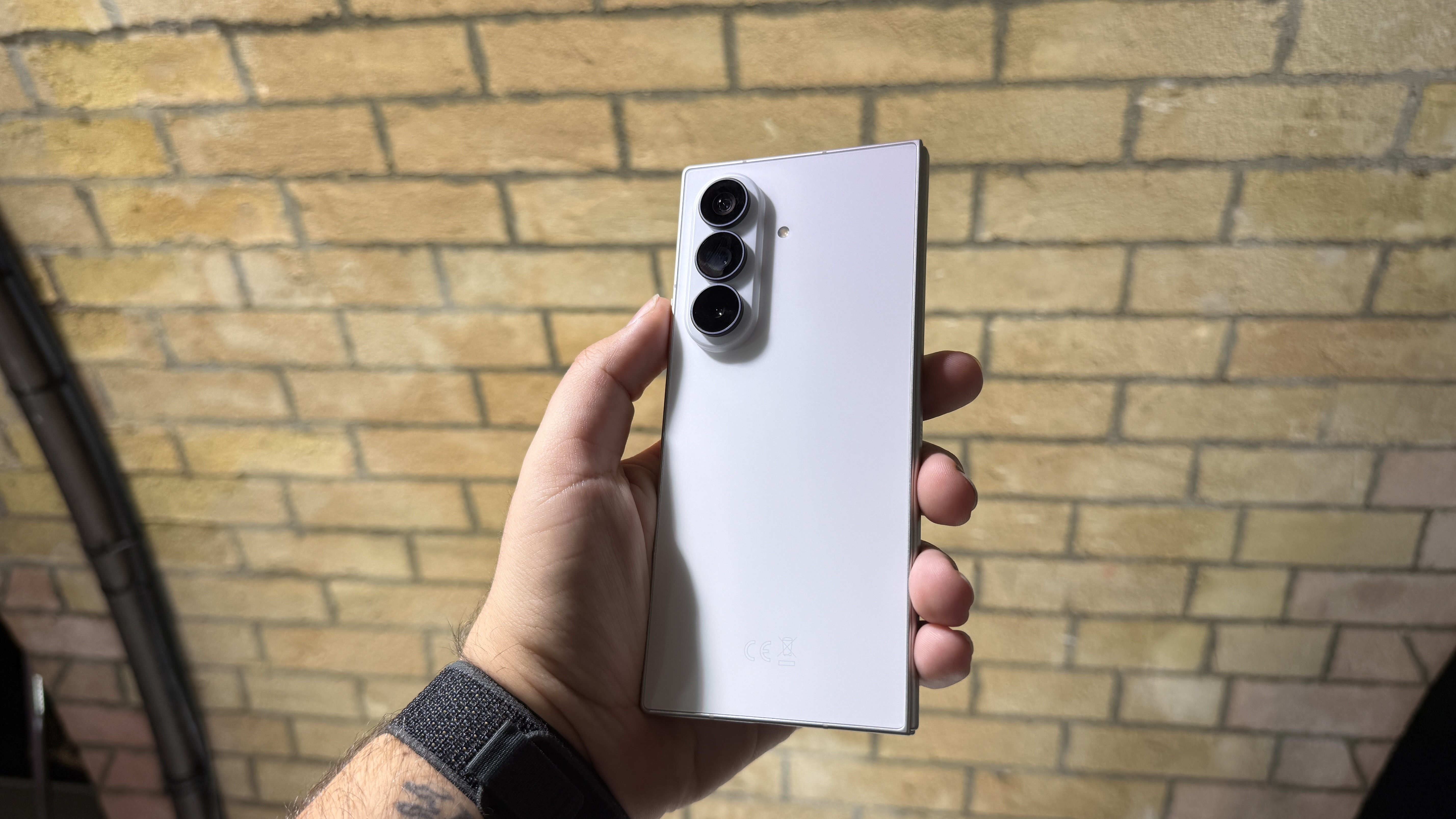
- The Galaxy Z Fold 8 Ultra: Geared toward power users and mobile professionals, the Ultra retains the taller, "chocolate bar" stature reminiscent of the preceding Galaxy Z Fold 7. It boasts a 6.5-inch 21:9 outer display and a expansive 8-inch interior tablet screen, housed in an ultra-slim chassis that pushes the physical limits of the USB-C charging port.
- AV-First Engineering: Both handsets are equipped with Dynamic AMOLED displays capable of reaching an extraordinary 3,000 nits of peak brightness. They support HDR10+, feature Samsung’s proprietary Vision Booster technology, and incorporate an anti-reflective display coating to preserve contrast under direct sunlight.
- Under the Hood: Powering both devices is the Qualcomm Snapdragon 8 Elite Gen 5 for Galaxy, paired with up to 16GB of RAM, high-capacity batteries (up to 5,000mAh on the Ultra), and a comprehensive suite of local and cloud-based Galaxy AI features.
Chronology: The Evolution to Gen 8
To understand the significance of the Galaxy Z Fold 8 family, one must trace the evolutionary line of Samsung’s foldable engineering over nearly a decade:
[2019] Galaxy Fold (Gen 1) -> Experimental, fragile, narrow outer screen.
  │
[2020-2022] Gen 2 to Gen 4 -> Introduction of UTG (Ultra Thin Glass), refined hinges, water resistance.
  │
[2023-2024] Gen 5 to Gen 7 -> Gapless folding, thinner chassis, peak refinement of the "chocolate bar" ratio.
  │
[2025] Galaxy Z Fold 8 / Ultra (Gen 8) -> Split into two form factors: Passport (Fold 8) and Pro/Ultra (Fold 8 Ultra).
The Early Experimental Eras (Generations 1–3)
Samsung’s journey began in 2019 with the original Galaxy Fold, a device beset by durability issues and a highly cramped outer screen. Generations 2 and 3 introduced crucial durability upgrades, including Ultra Thin Glass (UTG), armor aluminum frames, and IPX8 water resistance, proving that foldables could withstand daily wear and tear.
Refinement and Thinning (Generations 4–7)
With the Galaxy Z Fold 5 and Z Fold 6, Samsung focused on perfecting the hinge mechanism, transitioning to a dual-rail teardrop design that allowed the device to fold completely flat without a visible gap. The Galaxy Z Fold 7 pushed this design to its absolute physical limits, offering a chassis so thin that it was barely thicker than a USB-C port when unfolded. However, users still complained about the narrow, tall aspect ratio of the cover screen, which made typing difficult and left massive black letterboxing bars when watching standard 16:9 or 21:9 video content on the square-ish inner display.
The Gen 8 Paradigm Shift
Faced with maturing hardware and fierce competition from Chinese manufacturers offering thinner, wider foldables, Samsung opted for a strategic split. Rather than continuing to compromise between a comfortable phone and a functional tablet, Samsung utilized the eighth generation to build two distinct answers to the foldable question: a compact, media-centric pocket companion (the Fold 8) and an uncompromising productivity slab (the Fold 8 Ultra).
Supporting Data: Specifications and Pricing Analysis
The hardware divergence between the standard and Ultra models is reflected across their pricing structures, physical dimensions, camera arrays, and power configurations.
UK Pricing and Storage Tiers
Samsung’s pricing strategy for the eighth generation presents an intriguing value proposition. The standard Galaxy Z Fold 8 enters the market at £100 cheaper than its predecessor, the Fold 7, while the Ultra demands a premium surcharge.
| Storage Capacity | Galaxy Z Fold 8 Price | Galaxy Z Fold 8 Ultra Price |
|---|---|---|
| 256GB | £1,699 | £1,899 |
| 512GB | £1,869 | £2,069 |
| 1TB | £2,029 | £2,049 |
Note: The narrow £20 price gap between the 1TB configurations of the standard and Ultra models represents an aggressive up-sell strategy by Samsung, encouraging power users to opt for the premium Ultra tier at the highest storage capacities.
Colorways and Aesthetics
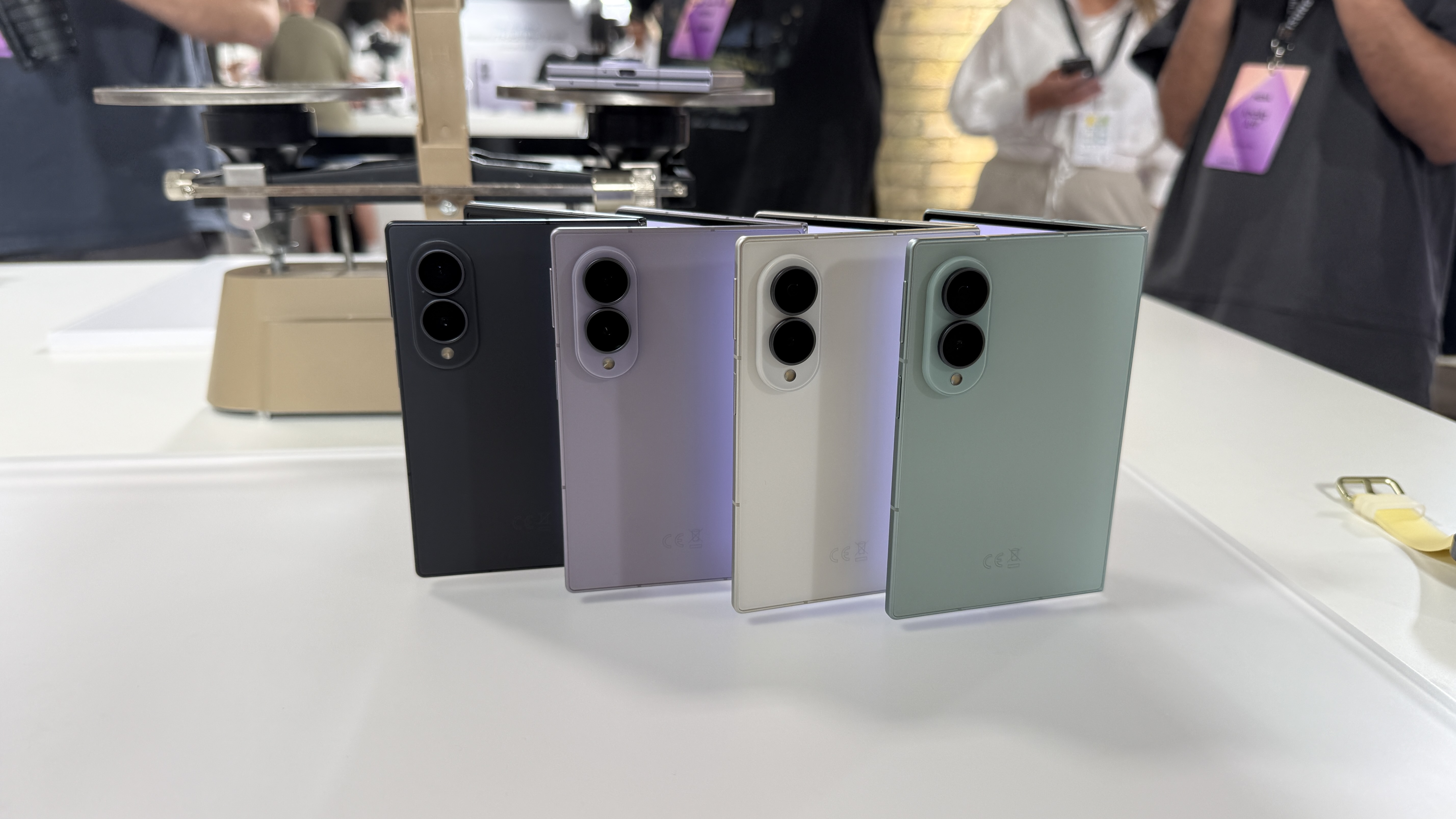
- Galaxy Z Fold 8: Available in Graphite, Cream, Pistachio, and Lavender.
- Galaxy Z Fold 8 Ultra: Available in Graphite, Cream, Violet Shadow, and Green Shadow.
Hardware Specifications Comparison
+-----------------------------------------------------------------------------+
|                                SPECIFICATIONS                               |
+----------------------+--------------------------+---------------------------+
| Feature              | Galaxy Z Fold 8          | Galaxy Z Fold 8 Ultra     |
+----------------------+--------------------------+---------------------------+
| Inner Display        | 7.6-inch AMOLED (4:3)    | 8.0-inch AMOLED (approx)  |
| Outer Display        | 10:16 Aspect Ratio       | 6.5-inch AMOLED (21:9)    |
| Peak Brightness      | 3,000 nits               | 3,000 nits                |
| Processor            | Snapdragon 8 Elite Gen 5 | Snapdragon 8 Elite Gen 5  |
| RAM Options          | 12GB / 16GB              | 12GB / 16GB               |
| Rear Camera 1 (Main) | 50 MP                    | 200 MP                    |
| Rear Camera 2 (UW)   | 50 MP                    | 50 MP (Upgraded)          |
| Rear Camera 3 (Tele) | N/A                      | 10 MP                     |
| Battery Capacity     | 4,800 mAh                | 5,000 mAh                 |
| Fast Charging        | 45W Wired                | 45W Wired                 |
| Rated Video Playback | Up to 26 Hours           | Up to 27 Hours            |
+----------------------+--------------------------+---------------------------+
Display Architecture: Flex Titanium Technology
To address the persistent issue of the screen crease, Samsung developed Flex Titanium Technology. This structural layer sits directly beneath the flexible AMOLED panel and consists of:
- A super-thin titanium alloy mesh designed to distribute pressure evenly when the device is folded.
- A flexible titanium backing plate that provides rigid, uniform support when the device is fully opened.
This dual-layer reinforcement dramatically reduces the physical depth of the center crease, creating a flatter canvas that improves both tactile swiping and off-axis visual reflections.
Official Responses and Strategic Positioning
Samsung’s corporate positioning for the eighth generation marks a clear departure from previous marketing campaigns, which focused heavily on "PC-like multitasking in your pocket." Representatives at the hands-on preview emphasized that the standard Galaxy Z Fold 8 is designed from the ground up as a lifestyle and entertainment hub.
The AV-First Philosophy
According to Samsung’s product design team, consumer data revealed that a substantial portion of foldable owners spend more time streaming video, reading ebooks, and scrolling through social media feeds than running three simultaneous apps in split-screen mode. By pivoting the standard Z Fold 8 to a shorter, wider 4:3 interior aspect ratio, Samsung aims to deliver a more natural viewing experience.
When displaying standard widescreen video content, the 4:3 screen of the Fold 8 reduces the size of the black letterboxing bars compared to previous generations, making the active viewing area feel larger and more immersive, despite the device having a slightly smaller diagonal footprint than the Ultra.
The Enterprise Holdout
Conversely, Samsung is reserving the productivity-focused narrative exclusively for the Z Fold 8 Ultra. The Ultra remains the flagship for power users who require the maximum possible screen real estate for multi-window workflows, S-Pen input, and high-end mobile photography. By retaining the taller 21:9 cover screen on the Ultra, Samsung ensures that professionals accustomed to the traditional Fold form factor can transition to the new device without altering their established usage habits.
Implications: The Future of Mobile Entertainment
The introduction of the Galaxy Z Fold 8 and Z Fold 8 Ultra has profound implications for the premium smartphone market, indicating that foldables are transitioning from a niche experimental category into a highly segmented, mainstream product class.
                  ┌──────────────────────────────┐
                  │   Galaxy Z Fold 8 Launch     │
                  └──────────────┬───────────────┘
                                 │
                ┌────────────────┴────────────────┐
                ▼                                 ▼
   ┌───────────────────────────┐     ┌───────────────────────────┐
   │    Mainstream Consumer    │     │      Power / Pro User     │
   │  - Passport Form Factor   │     │  - Traditional Form Factor│
   │  - Media & AV Optimized   │     │  - Multi-window / S-Pen   │
   │  - Lower Entry Price      │     │  - Ultra-Premium Cameras  │
   └───────────────────────────┘     └───────────────────────────┘
Impact on Competitors
Samsung’s move to a wider "passport" style on the standard Z Fold 8 directly challenges rivals like the Google Pixel Fold and OnePlus Open, both of which won critical acclaim for prioritizing wider, more usable cover screens. By offering both form factors simultaneously, Samsung effectively neutralizes its competitors’ primary design advantages. Buyers who prefer a compact, passport-like device can opt for the standard Fold 8, while those who favor the taller, cinematic design can select the Ultra.
Elevating the AV Experience
For audiophiles and cinephiles, Samsung’s commitment to an AV-first design represents a major victory. The combination of 3,000-nit peak brightness, advanced anti-reflective coatings, and Dolby Atmos audio integration sets a new benchmark for mobile entertainment.
Furthermore, if Samsung integrates its high-end ProScaler image processing technology—previously restricted to ultra-premium traditional slabs like the Galaxy S26 Ultra—the Z Fold 8 series could become the premier mobile devices for upscaling lower-resolution legacy content to fit their expansive high-resolution displays.
The Crease-Free Horizon
The deployment of Flex Titanium Technology demonstrates that material science is finally catching up to the ambitions of foldable designers. If the titanium alloy mesh proves durable over long-term consumer testing, it could pave the way for thinner, flatter displays across the industry, forcing competitors to invest heavily in advanced metallurgical hinge solutions to remain competitive.
Ultimately, the Galaxy Z Fold 8 and Z Fold 8 Ultra show a mature manufacturer confident enough to diversify its flagship line. By splitting the Fold into two distinct form factors, Samsung has not only refined the hardware but has also broadened the appeal of foldable technology to a wider audience of mobile entertainment enthusiasts.