The intersection of cinema, athletics, and competitive gaming has long provided filmmakers with a fertile ground for exploring human psychology, societal shifts, and raw narrative tension. In celebration of Home Cinema Week, we examine how directors have historically utilized sports—ranging from the meticulous etiquette of golf to the high-stakes theater of professional poker—as narrative crucibles. Rather than serving as mere background entertainment, these sequences operate as psychological battlegrounds where characters are defined, conflicts are distilled, and cinematic tension is pushed to its absolute limit.
For home theater enthusiasts, these scenes represent more than brilliant storytelling; they serve as premier benchmarks for testing audio-visual hardware. Whether it is the subtle, tactile clink of clay poker chips, the sweeping green vistas of a mid-century golf course, or the rapid, disorienting sound of a tennis ball cutting through a stereo soundstage, these moments showcase the pinnacle of cinematic craft.
1. Main Facts: The Narrative Function of Competition in Film
At their core, sports and games in cinema serve as micro-narratives that mirror the overarching conflicts of their respective films. Filmmakers deploy competitive arenas to achieve several distinct storytelling objectives:
- Character Revelation: How a character plays a game—whether they adhere strictly to the rules, exploit loopholes, or resort to outright deception—reveals their moral compass far more efficiently than expository dialogue.
- Pacing and Tension Control: Sporting sequences provide a structured framework of rules, boundaries, and clear win/loss conditions. This allows directors to manipulate audience expectations, building suspense within a highly defined space.
- Socio-Political Metaphor: Beyond individual drama, athletic contests often symbolize broader cultural struggles, including class warfare, post-colonial liberation, and civil rights movements.
- Technical Showcase: The dynamic movement inherent in sports demands sophisticated camera work, precise editing, and intricate sound design, making these sequences ideal showcases for modern high-fidelity home cinema systems.
2. Chronology: The Evolution of Sports and Games in Cinema
The cinematic treatment of competitive play has evolved in tandem with technological advancements and shifting cultural sensibilities.
[1951] Hitchcock's "Strangers on a Train" establishes cross-cutting suspense via tennis.
   │
[1964] "Goldfinger" introduces psychological warfare and gadgetry to the golf course.
   │
[1987] "The Princess Bride" revives classic swashbuckling fencing with modern wit.
   │
[1988] "The Naked Gun" uses baseball to pioneer sports-centric slapstick comedy.
   │
[2006] "Casino Royale" replaces traditional action with high-stakes Texas Hold 'Em.
   │
[2010] "Fire in Babylon" pioneers the socio-political sports documentary format.
   │
[2014] "Marvellous" utilizes football as a backdrop for deep human empathy and realism.
In the classical Hollywood era, games were frequently used as sophisticated backdrops for romantic banter or aristocratic posturing. However, Alfred Hitchcock’s Strangers on a Train (1951) permanently altered this paradigm by utilizing a professional tennis match as a literal engine of suspense, establishing the cross-cutting techniques that would define modern thrillers.
By the 1960s, blockbusters like Goldfinger (1964) integrated sports into the blockbuster formula, using a gentlemanly game of golf to stage a deadly battle of wits between hero and villain. The late 1980s witnessed a divergence: on one hand, Rob Reiner’s The Princess Bride (1987) paid homage to classical Hollywood swashbuckling with highly choreographed fencing; on the other, The Naked Gun: From the Files of Police Squad! (1988) demonstrated how the grand stage of Major League Baseball could be subverted for anarchic, slapstick comedy.
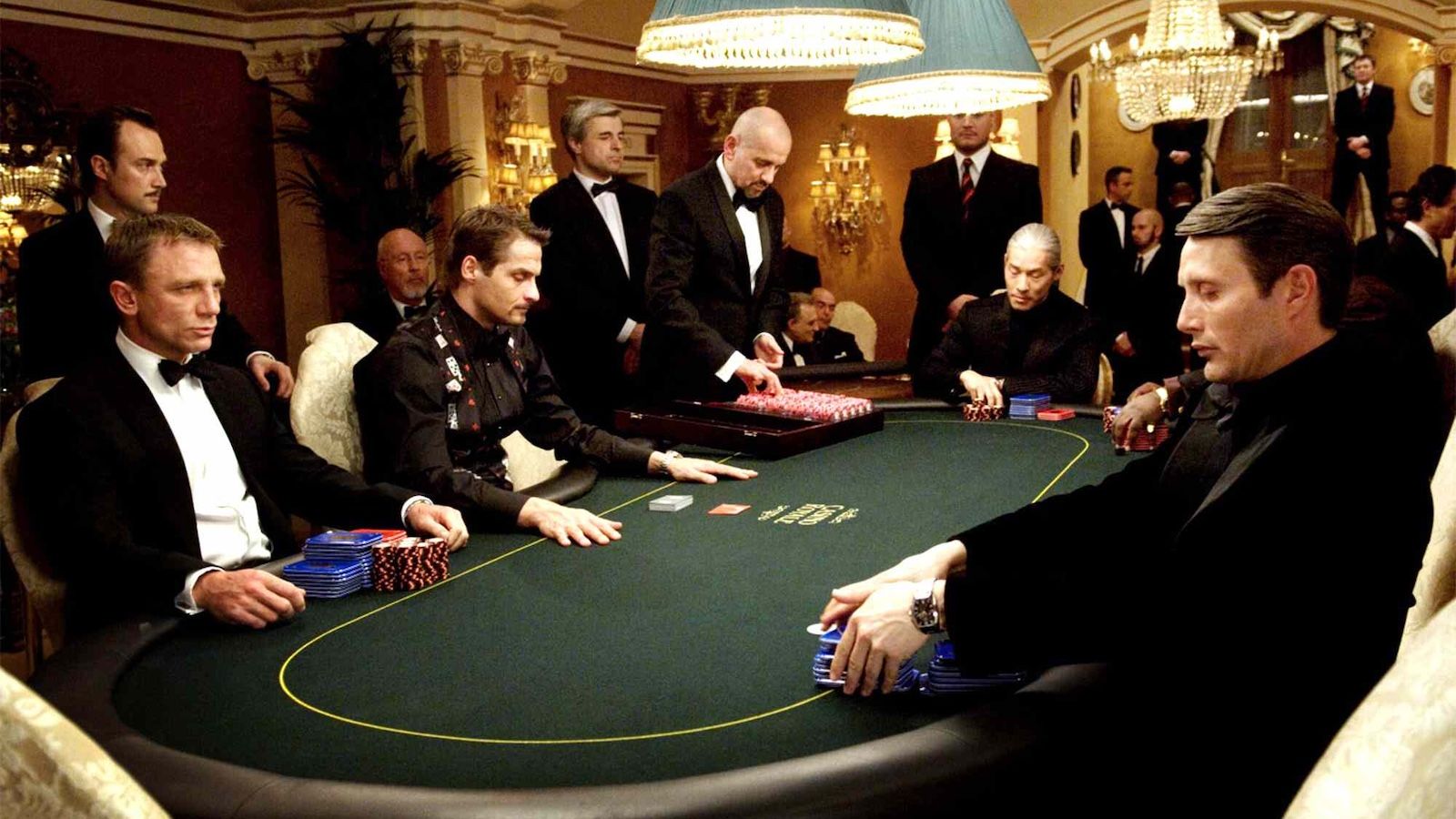
In the 21st century, the depiction of competition has grown increasingly sophisticated. Martin Campbell’s Casino Royale (2006) replaced physical combat with Texas Hold ‘Em poker, proving that micro-expressions and card play could generate as much adrenaline as a car chase. Concurrently, documentary and biographical filmmaking, such as Fire in Babylon (2010) and Marvellous (2014), began looking backward, using sports to examine post-colonial identity and neurodiversity with unprecedented depth and empathy.
3. Supporting Data: A Deep Dive into Seven Iconic Sequences
Golf: Goldfinger (1964)
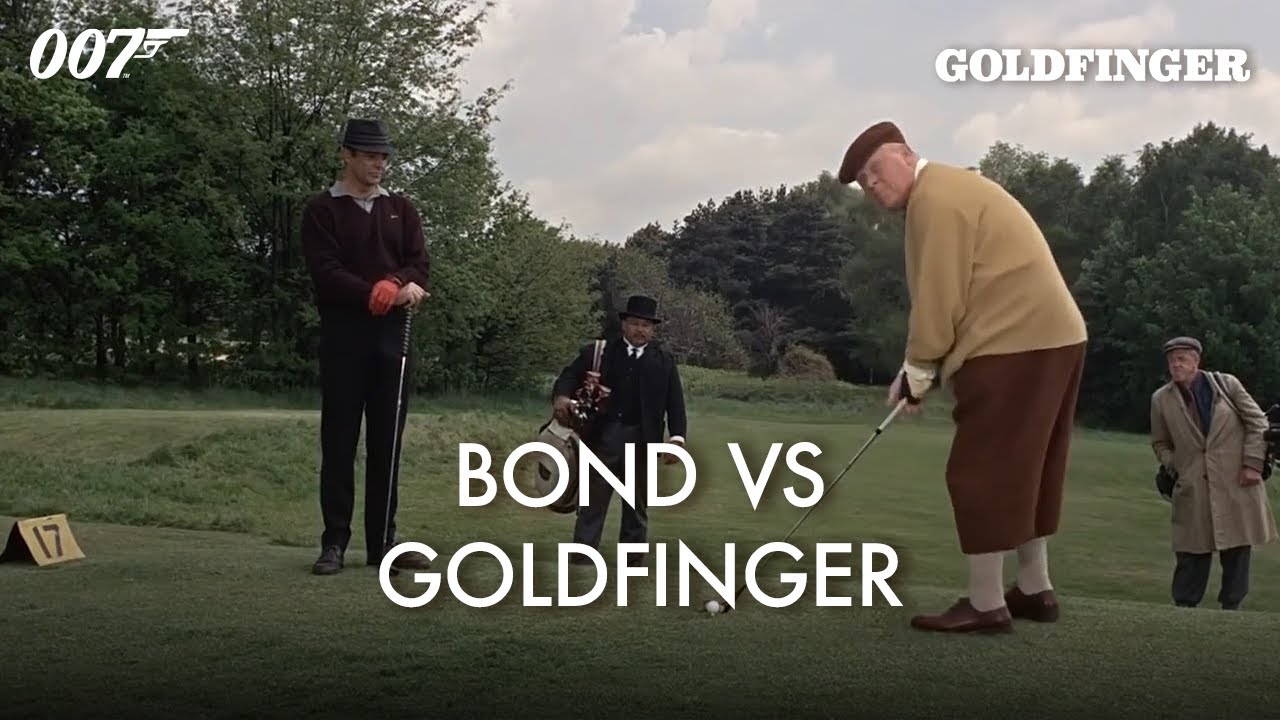
The third installment of the James Bond franchise is widely regarded as the moment the series solidified its identity. The film’s famous five-minute golf sequence at Stoke Poges is a masterclass in narrative pacing. Rather than relying on Q-branch gadgets or explosive action, director Guy Hamilton lets the scene breathe, allowing the psychological duel between Sean Connery’s James Bond and Gert Fröbe’s Auric Goldfinger to unfold through quiet, calculated interactions.
[Bond's Ball Switching] ───► [Goldfinger's Deception Exposed] ───► [Bond Wins the Mind Game]The scene serves as a crucial character study. Goldfinger’s willingness to cheat, aided by his iconic henchman Oddjob (Harold Sakata), highlights his absolute refusal to lose under any circumstances. Bond, conversely, defeats his opponent not by complaining to the rules committee, but by out-cheating him—subtly switching Goldfinger’s ball to force a technical forfeit.
For home cinema viewers, the 4K Blu-ray restoration highlights the lush, vibrant greens of the English countryside and the rich, analog texture of the 35mm film grain, while the sound design captures the crisp, satisfying thwack of the club head making contact with the ball.
Baseball: The Naked Gun: From the Files of Police Squad! (1988)
Directed by David Zucker, The Naked Gun remains a high-water mark for cinematic parody. The film’s climax takes place during a real Major League Baseball game between the Seattle Mariners and the California Angels. To foil an assassination attempt on Queen Elizabeth II, Detective Frank Drebin (Leslie Nielsen) infiltrates the game, first as an opera singer and subsequently as the home-plate umpire.
What follows is an escalating barrage of physical comedy that brilliantly satirizes the self-importance of professional sports. Nielsen’s performance—characterized by his deadpan delivery and increasingly absurd umpire gestures, including a moonwalk down the third-base line—contrasts beautifully with the genuine confusion of the professional athletes.
In a home theater environment, this sequence serves as an excellent test for spatial audio, as the chaotic roar of the stadium crowd and the echo of the public address system test the immersive capabilities of modern surround-sound formats.
Tennis: Strangers on a Train (1951)
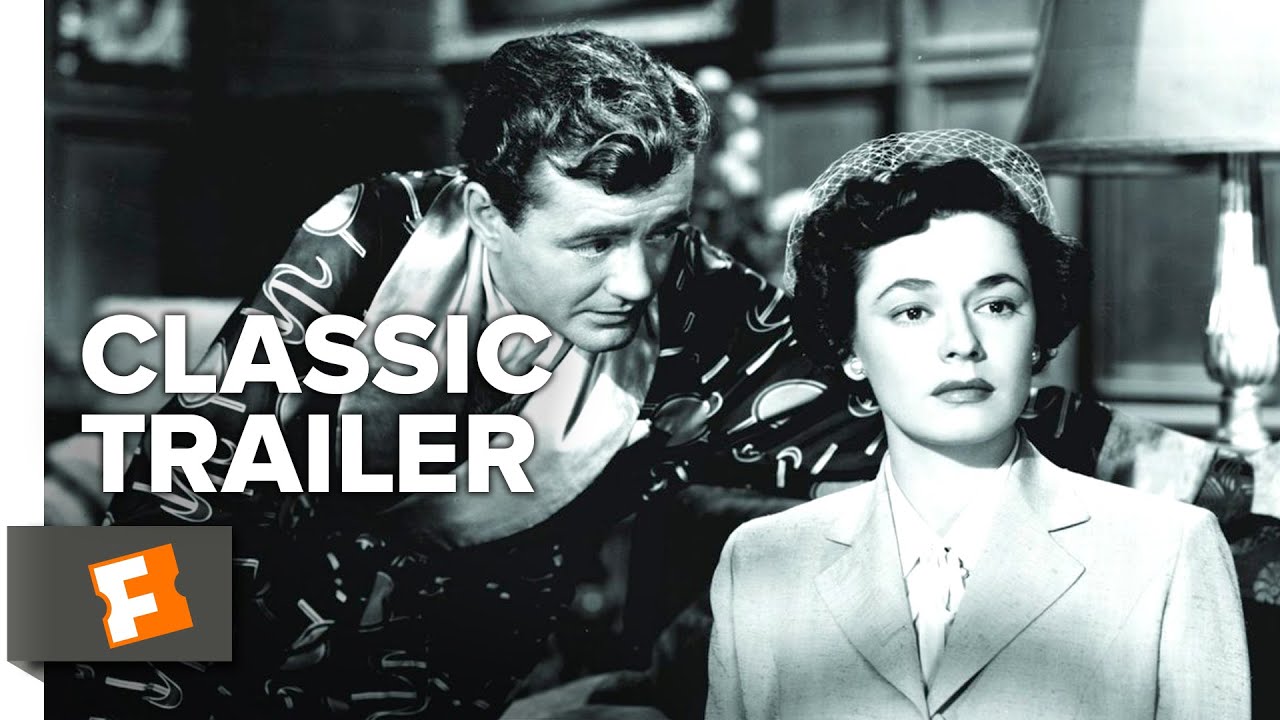
Alfred Hitchcock’s adaptation of Patricia Highsmith’s novel is a cornerstone of psychological cinema. The central premise—two strangers swapping murders to escape police detection—reaches its peak of suspense during a crucial tennis match played by protagonist Guy Haines (Farley Granger).
Hitchcock utilizes the rhythmic, back-and-forth nature of tennis as a visual metaphor for the psychological trap closing in on Guy.
[Tennis Ball Rhythms] ───► [Hitchcockian Cross-Cutting] ───► [Audience Anxiety Amplified]While Guy desperately tries to win his match quickly to secure an alibi, the psychotic Bruno Antony (Robert Walker) is shown simultaneously reaching down a storm drain to retrieve a lighter he intends to plant at the crime scene. The relentless cross-cutting between the tennis court and the drain pipe creates an almost unbearable level of anxiety, proving that sports can be used to manipulate cinematic time and space with devastating effectiveness.
Cricket: Fire in Babylon (2010)
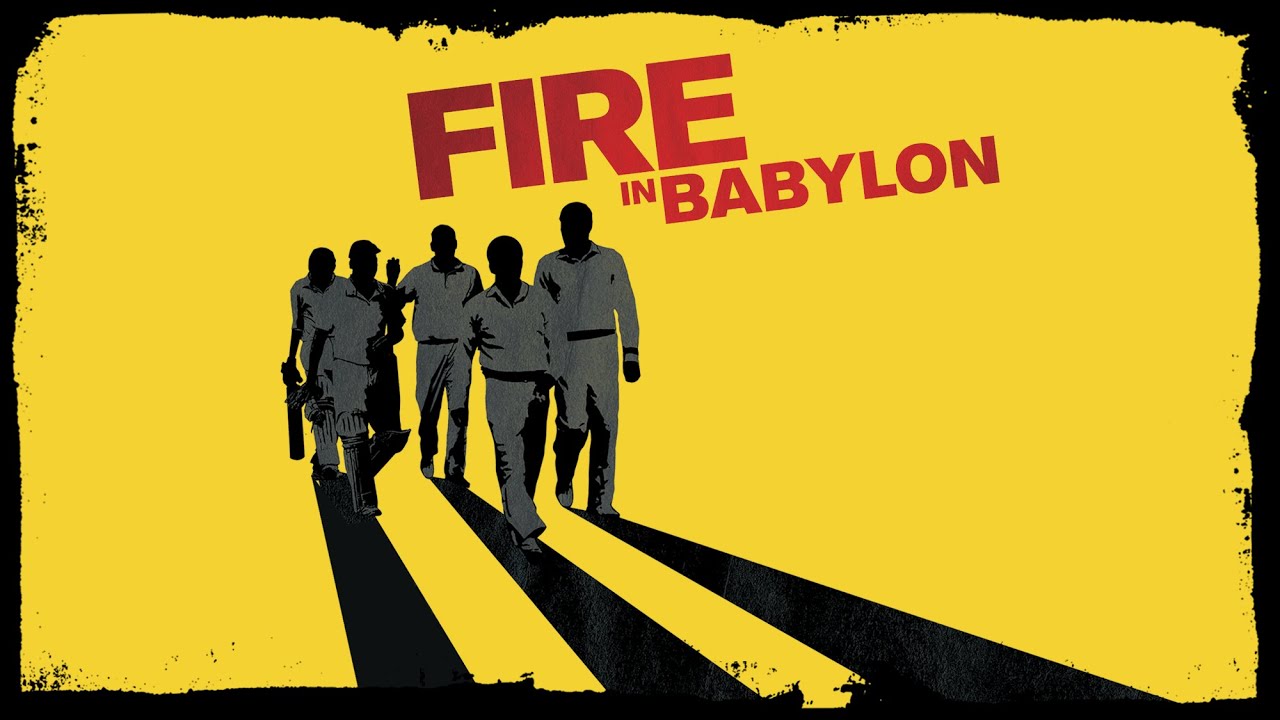
Stepping away from fiction, Stevan Riley’s Fire in Babylon is a landmark documentary that positions sports at the center of global political struggle. The film chronicles the rise of the West Indies cricket team during the 1970s and 1980s, a period when the team transformed from talented underdogs into an invincible, aggressive force that dominated world cricket for fifteen years.
The documentary illustrates how the team’s fierce, fast-bowling style was a direct response to racial prejudice and the legacy of British colonialism. When West Indian legends like Viv Richards, Clive Lloyd, and Michael Holding speak, they make it clear that the cricket pitch was a battlefield for racial equality and self-determination.
Accompanied by a vibrant, bass-heavy soundtrack of classic reggae, ska, and calypso, Fire in Babylon is a sensory and intellectual triumph that demands a sound system capable of delivering deep, rhythmic low-end frequencies alongside clear, authoritative spoken-word commentary.
Association Football: Marvellous (2014)
This BAFTA-winning biographical drama tells the extraordinary true story of Neil "Nello" Baldwin (Toby Jones), a man with learning difficulties who refused to let societal expectations limit his life. Baldwin’s journey eventually leads him to Stoke City FC, where manager Lou Macari (Tony Jones) hires him as the team’s official kit man.
Unlike typical sports dramas that focus on athletic glory, Marvellous uses football as a vehicle for community, empathy, and unconditional joy. Baldwin becomes the emotional anchor of the squad, defusing locker-room tension with his whimsical optimism.
The film blends British social realism with magical realist touches, featuring cameos from real-life figures like Lou Macari and Gary Lineker. Toby Jones’s nuanced performance is supported by a warm, intimate sound design and a gentle score that highlights the humanistic heart of the sport.
Fencing: The Princess Bride (1987)
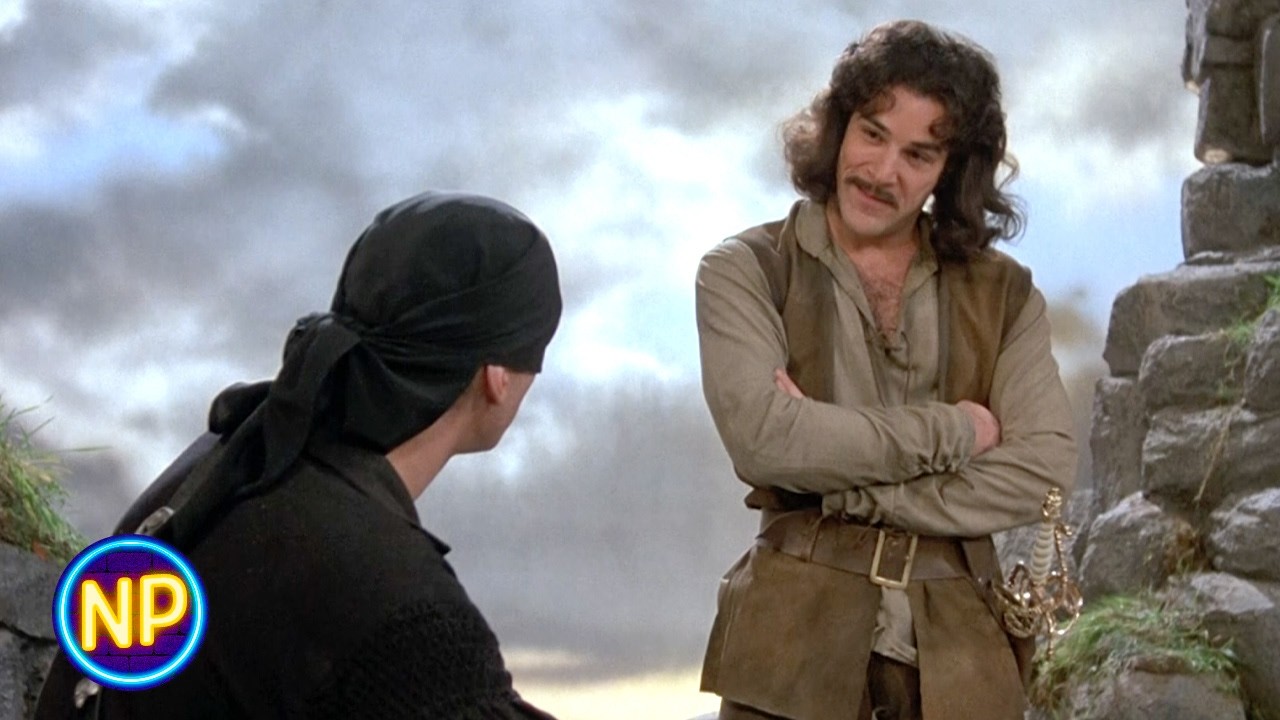
Rob Reiner’s beloved fantasy adventure features one of the most celebrated sword fights in cinematic history. The duel atop the Cliffs of Insanity between the mysterious Man in Black (Cary Elwes) and the vengeful Spanish swordsman Inigo Montoya (Mandy Patinkin) is a brilliant homage to the golden age of Hollywood swashbucklers.
[Left-Handed Fencing] ───► [Mid-Duel Hand Swap] ───► [Choreographed Mutual Respect]The sequence is notable for its historical accuracy and physical execution; both actors trained extensively with legendary fencing instructors Bob Anderson and Peter Diamond. The dialogue, which references real-world fencing masters such as Capo Ferro and Thibault, is delivered seamlessly amidst rapid, athletic parries and thrusts.
The scene is a showcase for clean, high-frequency audio, where the distinct ping of steel blades clashing must be rendered with absolute clarity without sounding harsh or fatiguing.
Poker: Casino Royale (2006)
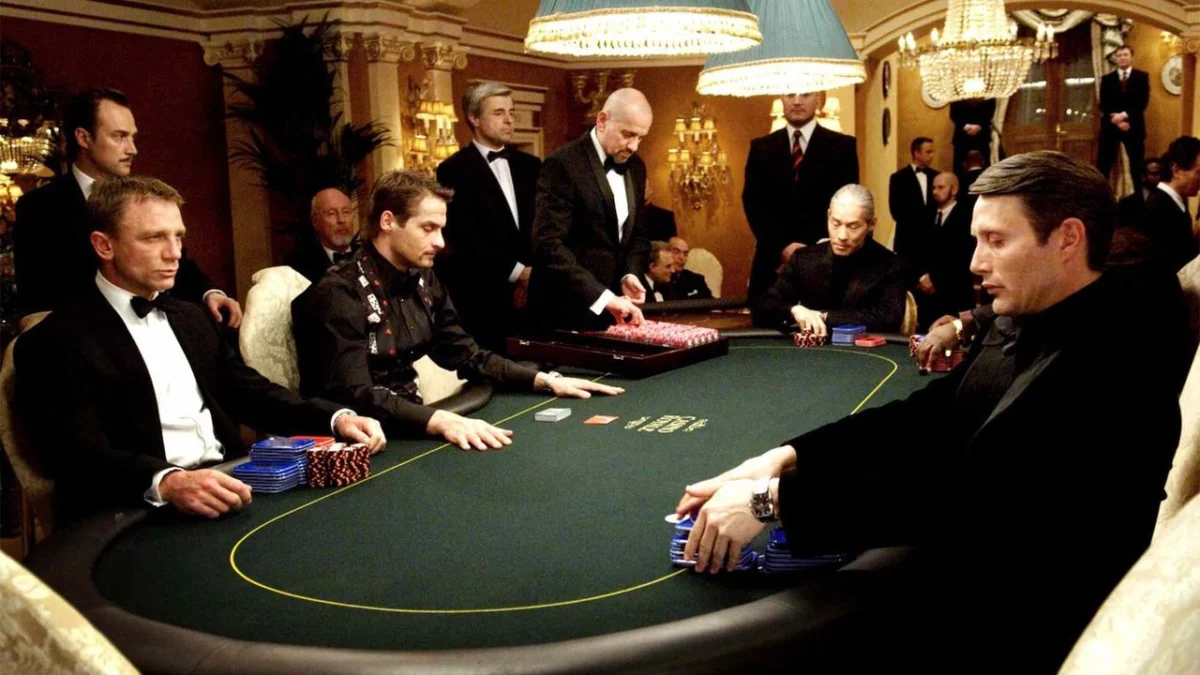
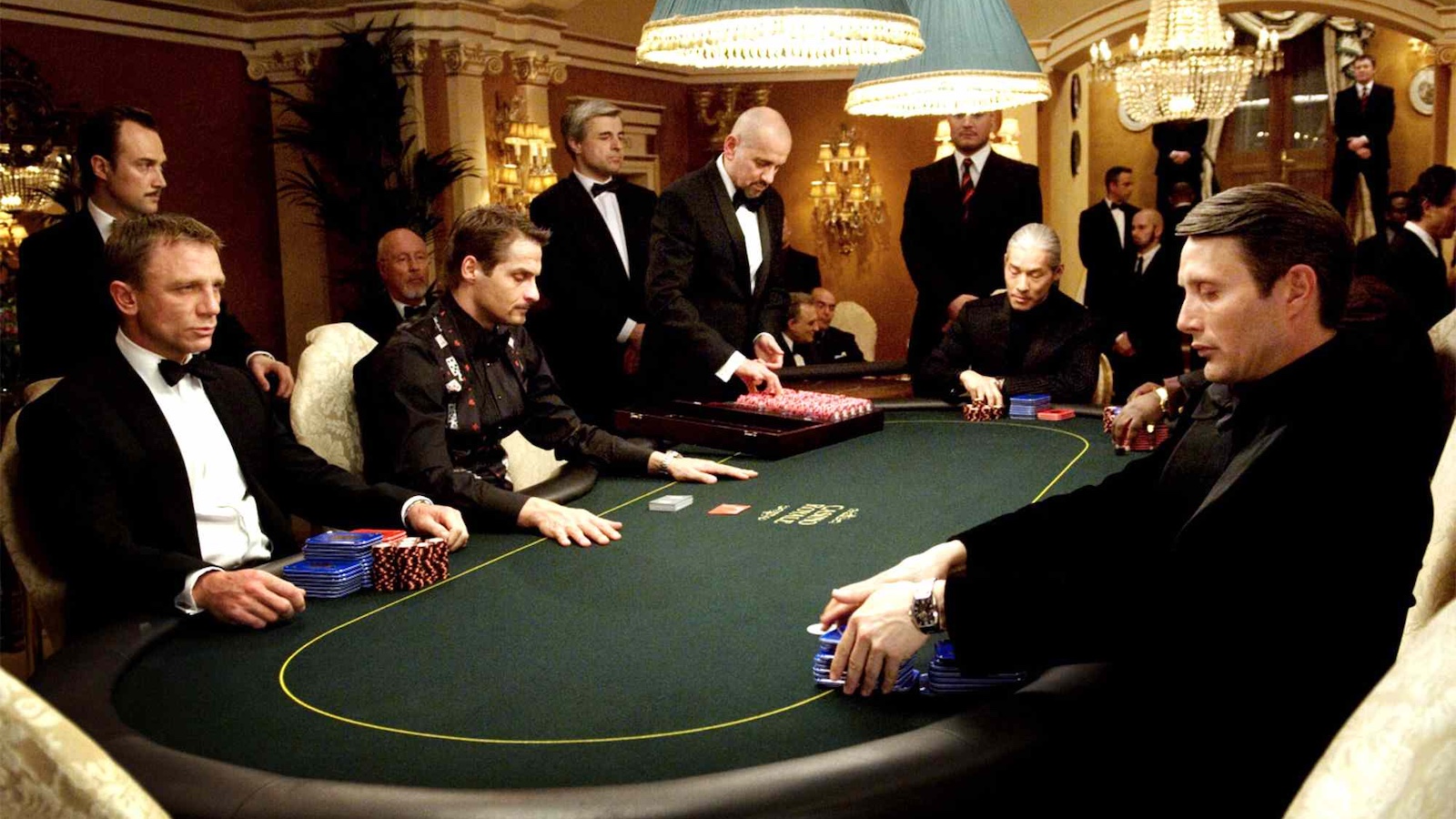
When Daniel Craig assumed the role of James Bond, director Martin Campbell was tasked with stripping away the campiness of the late Brosnan era in favor of gritty realism. The centerpiece of this reinvention is a multi-million-dollar Texas Hold ‘Em tournament at the Casino Royale in Montenegro, where Bond faces off against the terrorist financier Le Chiffre (Mads Mikkelsen).
While poker lacks the physical movement of traditional action, Campbell constructs the sequence with the intensity of a classic duel. The camera focuses on micro-expressions: the twitch of an eye, the calculation of a bet, and the steady, menacing stare of Le Chiffre.
The sound design is remarkably minimalist yet effective, emphasizing the tactile handling of cards, the clatter of heavy clay chips, and the sudden, dead silences that occur before a player reveals their hand. It is a sequence that relies on psychological endurance rather than physical violence, redefining what a climax can look like in a modern action blockbuster.
4. Official Responses: Critical Reception and Real-World Impact
The critical and cultural reception of these sequences demonstrates their lasting impact on both the film industry and the real-world figures they depict:
| Film | Key Recognition / Critical Consensus | Real-World Impact |
|---|---|---|
| Goldfinger | Widely cited as the blueprint for all subsequent espionage cinema; praised for its slow-burn tension. | Solidified golf’s association with high-society power play in popular culture. |
| The Naked Gun | Hailed as a comedic masterpiece; Leslie Nielsen’s performance is praised by baseball purists for its accuracy. | Parodied by actual MLB umpires and players during exhibition games. |
| Strangers on a Train | Studied globally in film schools for its revolutionary use of parallel editing and suspense. | Defined the visual vocabulary of the psychological thriller genre. |
| Fire in Babylon | Nominated for numerous documentary awards; praised for its unflinching look at sports and politics. | Ignited global conversations regarding the intersection of race, sport, and post-colonial identity. |
| Marvellous | Won the 2015 BAFTA TV Award for Best Single Drama; Toby Jones received universal critical acclaim. | Neil Baldwin was awarded an honorary degree from Keele University for his contributions to the community. |
| The Princess Bride | Selected for preservation in the National Film Registry; the duel is consistently ranked among the greatest movie sword fights. | Inspired generations of fencers and stunt coordinators with its blend of athletic rigor and comedy. |
| Casino Royale | Nominated for 9 BAFTAs; credited with saving the Bond franchise from cultural irrelevance. | Sparked a massive international resurgence in the popularity of Texas Hold ‘Em poker. |
5. Implications: Pacing, Audio-Visual Craft, and the Home Cinema Standard
Analyzing these iconic sequences reveals several profound implications for contemporary filmmaking and the home entertainment landscape.
The Loss of "Cinematic Breathing Room"
One of the most striking aspects of older sequences, such as the golf match in Goldfinger or the tennis sequences in Strangers on a Train, is their willingness to let scenes unfold slowly. In an era dominated by rapid-fire editing and short attention spans, these classic scenes serve as a reminder of the power of pacing. By allowing characters to simply exist within a space and letting the rules of the game dictate the narrative flow, directors can construct a deeper, more sustainable sense of tension.
Technical Benchmarks for Modern Home Theater
For home theater enthusiasts, these scenes are invaluable tools for calibrating high-end audio and visual equipment:
- Dynamic Range and High-Frequency Detail: The metallic ring of swords in The Princess Bride or the crack of a baseball bat in The Naked Gun require speakers with excellent transient response to reproduce the sharp, sudden sound peaks without distortion.
- Subtle Spatial Audio: The quiet casino room in Casino Royale requires a soundstage capable of rendering delicate, localized noises—such as a player murmuring, chips sliding across felt, or a spectator shifting in their seat—to place the listener directly at the table.
- Color Accuracy and Contrast: The lush greens of Goldfinger, the sun-drenched cricket fields of Fire in Babylon, and the deep, shadowy corners of Hitchcock’s black-and-white cinematography in Strangers on a Train test a display’s ability to render complex color gradients and deep black levels accurately.
Ultimately, these seven films demonstrate that sports and games are far more than simple pastimes. When handled by master filmmakers, they become the ultimate narrative arenas—distilling complex human emotions, societal conflicts, and psychological warfare into a series of moves, shots, and plays that continue to resonate across cinematic history.