The Tedeschi Trucks Band (TTB) has long been regarded as the gold standard of contemporary blues-rock and soul. A twelve-piece juggernaut led by the husband-and-wife duo of guitar virtuoso Derek Trucks and powerhouse vocalist Susan Tedeschi, the band has built its reputation on a foundation of analog warmth, improvisational brilliance, and a deep reverence for American roots music. However, with their latest project, Future Soul, the band has signaled a significant evolution in their creative process. By bridging the gap between their home base at Swamp Raga Studio in Jacksonville and the high-concept production environment of Nashville, TTB has crafted a record that maintains their organic soul while embracing a more aggressive, modern, and punchy sonic palette.
The following analysis explores the technical and creative journey of Future Soul, detailing the collaboration with producer Mike Elizondo, the sophisticated signal chains used to capture Susan Tedeschi’s voice, and the innovative Atmos mixing techniques that have redefined the band’s spatial identity.
Main Facts: A New Chapter in Collaborative Production
The core of the Future Soul project lies in the band’s decision to invite outside perspectives into their historically self-contained ecosystem. While Derek Trucks has traditionally steered the ship from the producer’s chair, this record saw the introduction of Mike Elizondo—a producer known for his diverse portfolio ranging from Dr. Dre and Eminem to Fiona Apple and Gary Clark Jr.
Key Personnel and Locations
- The Band: Susan Tedeschi (Vocals/Guitar), Derek Trucks (Guitar), and the 12-piece ensemble.
- The Producer: Mike Elizondo, whose "rule-free" approach provided the necessary friction to spark new creative directions.
- The Engineers: Bobby Tis (Chief Engineer at Swamp Raga), Justin Francis (Stereo Mixing), and Ryan Hewitt (Atmos Mixing).
- The Studios: Swamp Raga Studio (Jacksonville, FL) and Phantom Studios (Gallatin, TN).
The objective was clear from the outset: to retain the band’s signature "live-in-a-room" energy while enhancing the "punch" and "aggression" of the recordings. This was achieved through a meticulous selection of vintage hardware and a willingness to experiment with textures—such as analog synthesizers and dub-inspired reverbs—that were previously foreign to the TTB sound.
Chronology: From Swamp Raga to Nashville and Back
The creation of Future Soul followed a non-linear path, moving between the band’s private sanctuary and the specialized facilities of Nashville.
Phase I: The Foundations at Swamp Raga
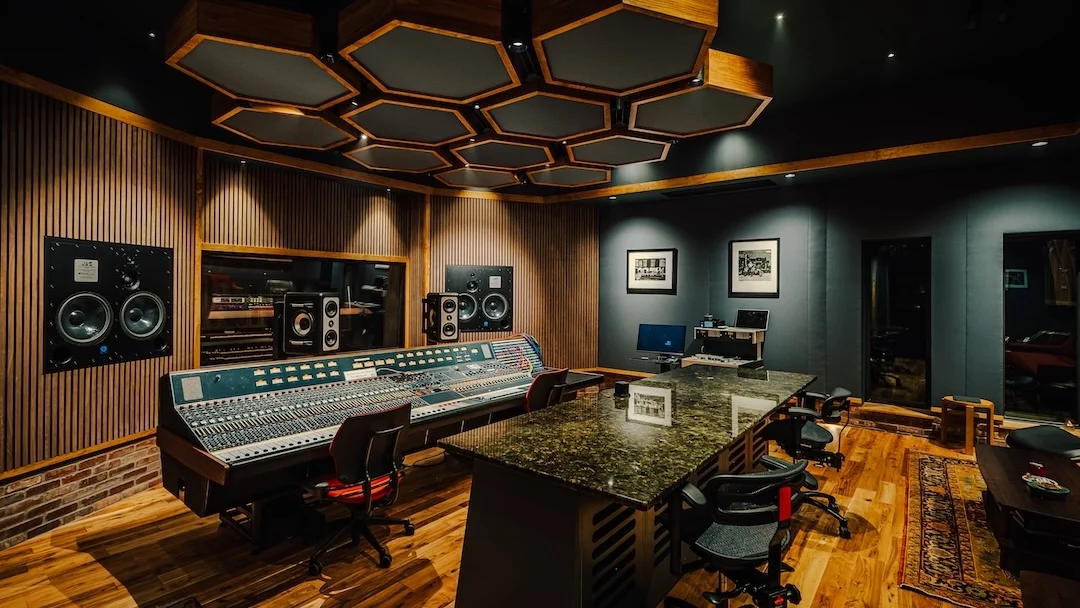
The journey began at Swamp Raga, the band’s meticulously renovated studio. The centerpiece of this phase was the Neve 8048 console, a legendary piece of analog history that provided the harmonic richness the band craves. Tracking at Swamp Raga focused on capturing the core chemistry of the rhythm section and the primary vocal takes. It was during these sessions that the "source-first" philosophy was established: using world-class microphones and preamps to ensure the raw tracks required minimal corrective processing.
Phase II: The Phantom Overdubs
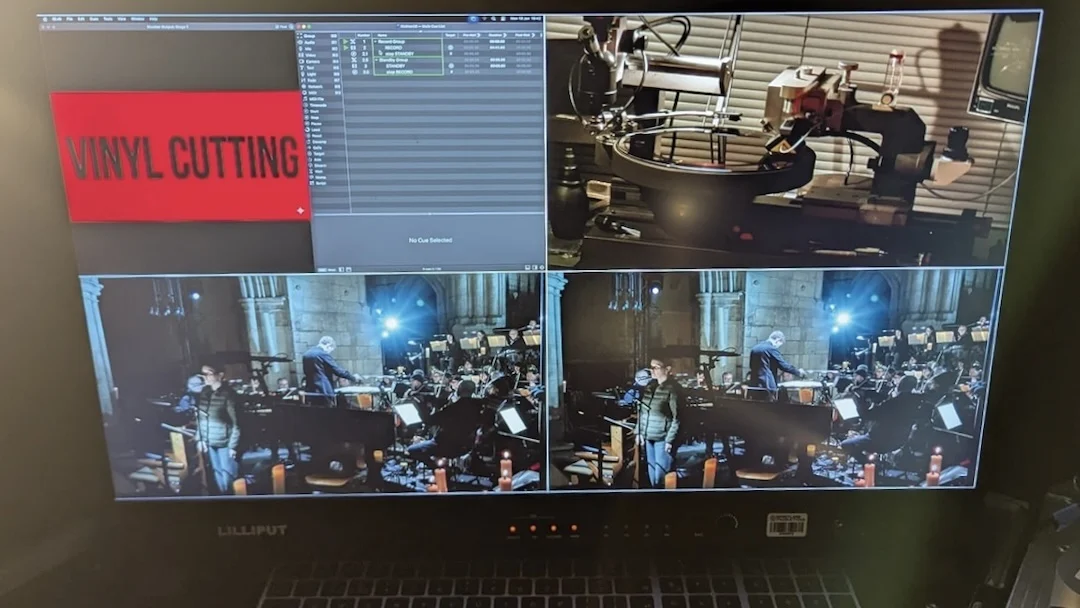
Once the primary tracks were laid down, the production moved to Mike Elizondo’s facility, Phantom Studios, located just outside Nashville. This transition was pivotal. It allowed the band to step out of their comfort zone and into a playground of vintage gear. At Phantom, the horn section and background vocalists were tracked as groups. Elizondo’s philosophy was that collective tracking creates a "bigger" sound through natural phase interaction and the intangible "play-off" between musicians.
Phase III: The Nashville Experimentation
During the Nashville sessions, the record’s "Future" element began to take shape. Trucks and Elizondo spent hours experimenting with Elizondo’s collection of vintage analog synthesizers and "weird" outboard gear. This phase was defined by speed and spontaneity; Trucks would describe a specific "vibe"—such as a 1970s Stevie Wonder keyboard texture—and Elizondo would dial it in within seconds.
Phase IV: The Final Polish and Culling
Returning to Florida, the band entered the final stage of production. This involved "one more pass" at specific solos and vocal nuances to ensure the Nashville overdubs blended seamlessly with the Jacksonville foundations. Perhaps most importantly, the band engaged in a rigorous editing process. Of the 17 songs tracked during the sessions, only 11 made the final cut for Future Soul, leaving a significant amount of high-quality material in the vault for future releases.
Supporting Data: The Technical Signal Chain
For audiophiles and recording professionals, the "sound" of Future Soul is a masterclass in high-end signal paths. The goal was to capture Susan Tedeschi’s vocal with a level of intimacy and clarity that could stand up to more aggressive instrumental backing.
The Vocal Chain
Susan Tedeschi’s vocal was captured using a vintage Neumann U47—a microphone widely considered the "Holy Grail" for vocal recording.
- Microphone: Neumann U47 (Tube).
- Preamp: Neve 1081 module (housed in the 8048 console).
- Compression: A choice between the Universal Audio 1176 (for fast, aggressive limiting) and the Universal Audio 175 (for a smoother, vintage tube leveling effect).
Engineer Bobby Tis noted that the quality of the U47 was so high that it became the benchmark for the entire record. "You’re always trying to beat it, and you’re never going to," Tis remarked, emphasizing that the "rocket science" of the record was simply getting out of the way of a great source.
The Instrumental Texture
To achieve the "punchy" sound Elizondo desired, the production utilized:
- Vintage Synths: Arp, Moog, and Prophet synthesizers to add sub-harmonic depth.
- Dub Effects: Lee "Scratch" Perry-style reverbs and tape delays were applied to horns and background vocals to create "personality" and a sense of space that felt more modern than traditional blues records.
Official Responses: Perspectives from the Studio
The participants in the Future Soul sessions have been vocal about the transformative nature of this project.
Derek Trucks on Creative Freedom:
"Bringing in a couple of us who didn’t have any rules with the band or any history… it provoked something new. It freed everybody up. It felt like the band, but it felt like a different version of the band—which was really fun."
Mike Elizondo on Sonic Strategy:
"My target was to try and give the sound something more aggressive, more punchy. Vocals were pushed forward, dynamics managed, intimate moments given room so that when the band wanted to explode, there was space to do it."
Derek Trucks on the Atmos Experience:
"There are spots on this record where I was there when we cut it and I still listen back and think, ‘what the hell is that?’ It’s a sonic fabric that rewards close listening."
Implications: Redefining the Live Band in the Digital Age
The production of Future Soul carries significant implications for the future of the Tedeschi Trucks Band and the broader "jam band" genre.
1. The Atmos Revolution
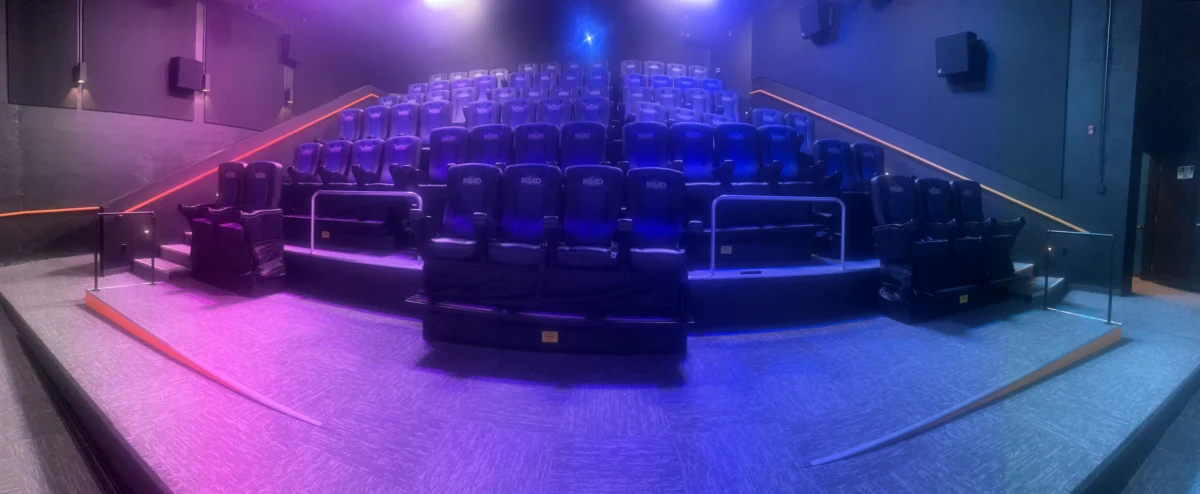
One of the most innovative aspects of the project was the approach to the Dolby Atmos mix. Rather than relying on digital plugins to simulate three-dimensional space, engineer Ryan Hewitt took an "organic" approach. He set up speakers in the original tracking room at Swamp Raga and played back the stems. He then recaptured that audio with a dozen microphones placed throughout the room. This "re-amping" of the entire mix allowed the Atmos version to capture the actual physical acoustics of the room where the band played, creating a level of immersion that digital reverb cannot replicate.
2. A New Collaborative Model
For a band that has historically been self-produced, the success of Future Soul suggests a new model of operation. By allowing an outsider like Elizondo to "provoke" the band, TTB has found a way to evolve without losing their core identity. This opens the door for future collaborations with producers from other genres, potentially pushing the band further into the realms of R&B, funk, and experimental soul.
3. The "Half-Record" in Waiting
With six high-quality tracks left on the cutting room floor, the band has already laid the groundwork for their next release. Trucks’ comment that he is "ready to get back in and do another one" suggests that the Future Soul sessions have re-energized the group, potentially leading to a more prolific release schedule in the coming years.
Conclusion
Future Soul is more than just a collection of new songs; it is a technical and creative manifesto. By combining the "good source, good mic" philosophy of the past with the aggressive, spatial, and experimental techniques of the present, the Tedeschi Trucks Band has ensured that their music remains vital in a rapidly changing sonic landscape. As Derek Trucks himself noted, the record "just kind of flies by," leaving the listener—and the band—eager for what comes next.