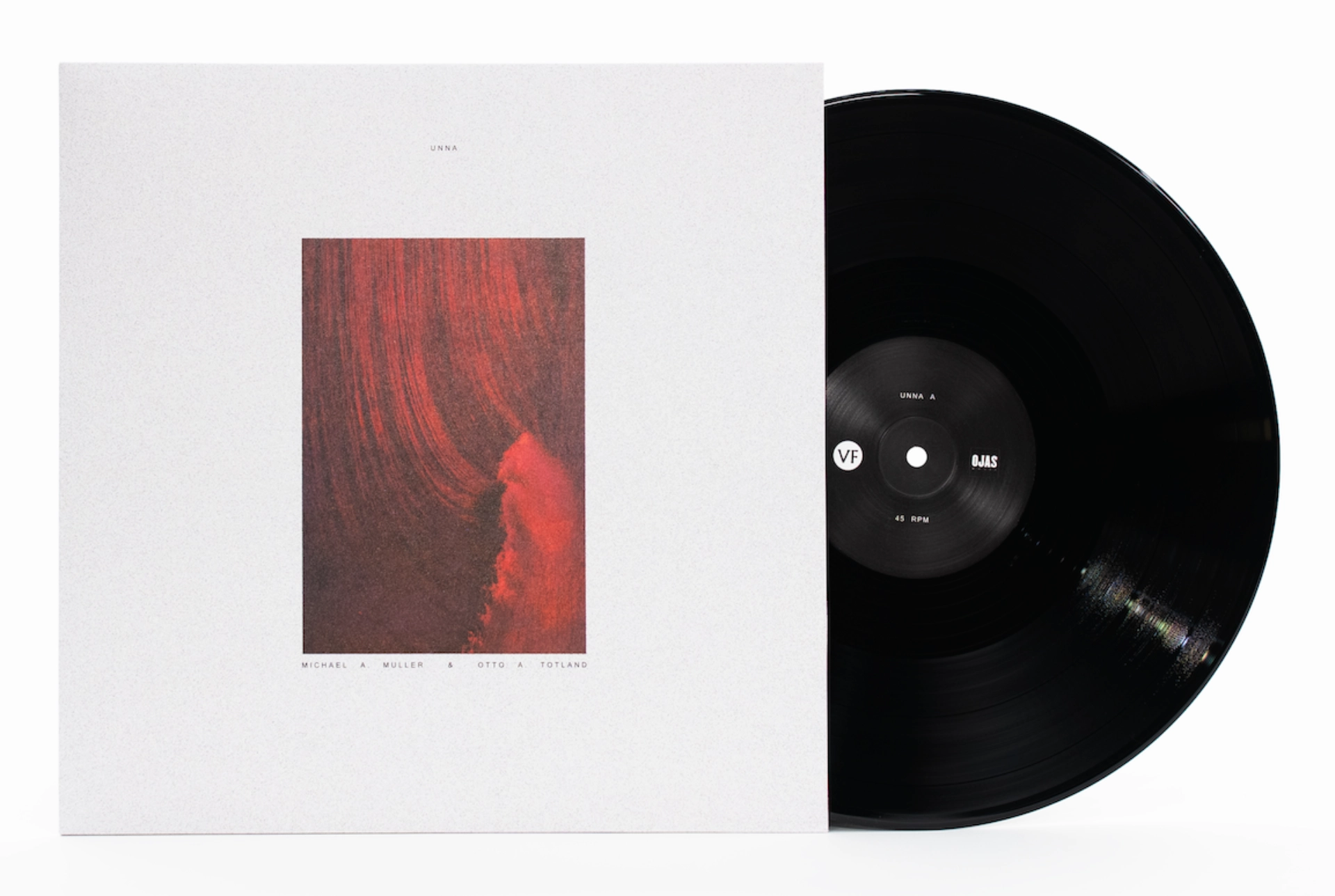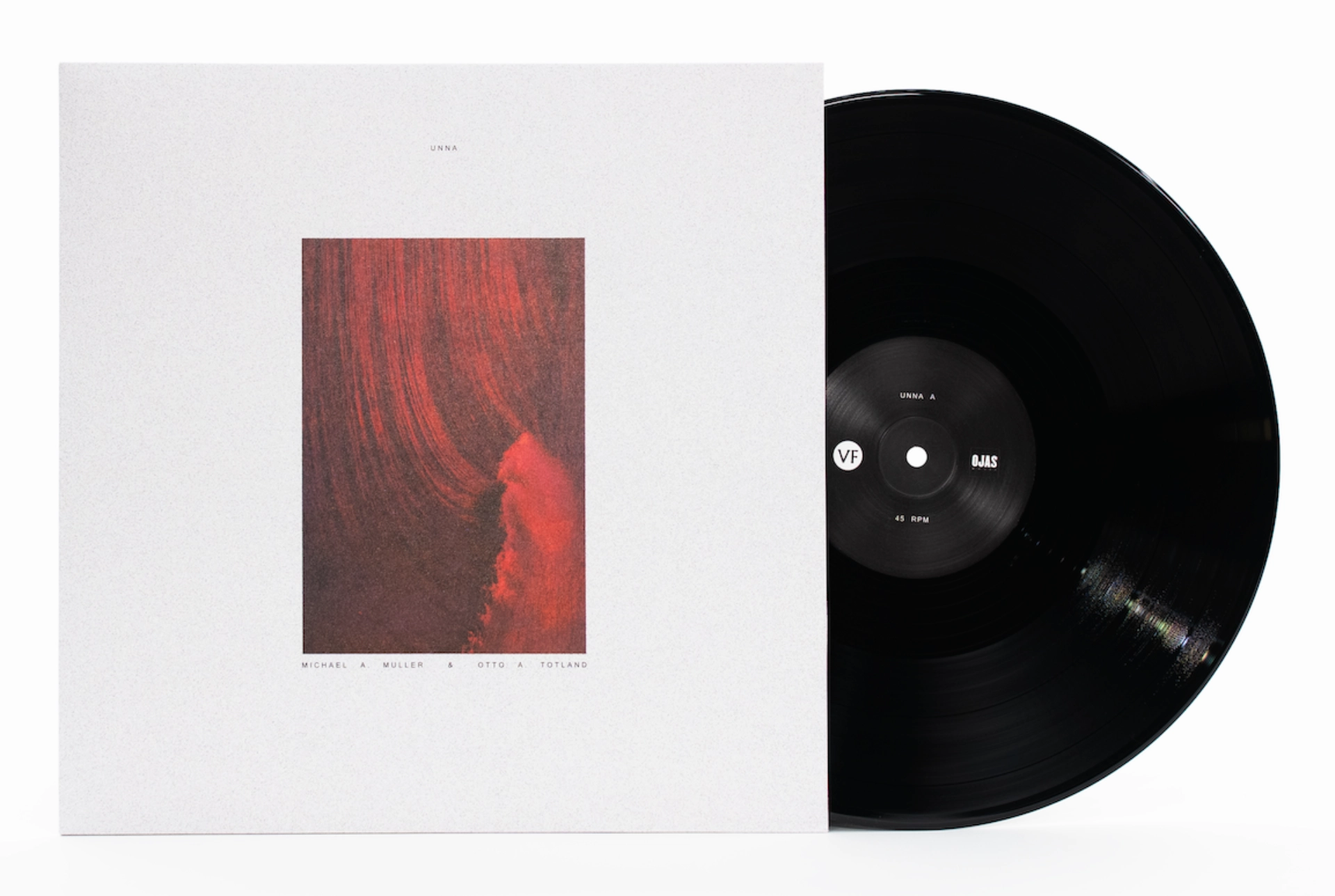
In an era defined by digital saturation and the rapid consumption of ephemeral content, the launch of Ojas Music—the record label arm of Devon Turnbull’s acclaimed audio and design house—marks a deliberate pivot toward the physical, the intentional, and the high-fidelity. The label’s debut release, Unna, is a collaborative EP between Michael A. Muller (of Balmorhea) and Otto A. Totland (of Deaf Center). It serves as both a manifesto for the label’s sonic philosophy and a masterclass in minimalist ambient composition.
Main Facts: A Convergence of Minimalist Titans
Unna, a title derived from the Norwegian word for "away," is a profound exploration of distance—both geographical and psychological. The record represents a unique intersection of two of modern ambient music’s most respected architects.
Michael A. Muller, a cornerstone of the minimalist instrumental duo Balmorhea, brings to the project a career defined by intricate, cinematic textures. His portfolio spans collaborations with contemporary legends such as Hania Rani, Alva Noto, Víkingur Ólafsson, and The Album Leaf, as well as extensive film scoring work that has graced the rosters of labels like Deutsche Grammophon.
Opposite him sits Otto A. Totland, the Norwegian composer best known as one-half of the seminal ambient duo Deaf Center. Totland’s influence on the landscape of modern classical and experimental music is immense; his early releases on Type Records and Sonic Pieces helped codify the "minimalist ambient" aesthetic that dominates modern streaming playlists. His subsequent solo piano trilogy, meticulously produced by Nils Frahm, cemented his reputation as an artist capable of finding infinite depth in the quietest of notes.
The collaboration, released in partnership with The Vinyl Factory, is pressed on 180g heavyweight vinyl and limited to a global run of just 500 copies. The music itself is a dialogue: Totland’s close-miked, intimate piano work acts as the anchor, while Muller provides a lush, textural counterpoint using a combination of double bass, glockenspiel, Mellotron, and Rhodes piano.
Chronology: From Concept to Audiophile Reality
The trajectory of Unna is inextricably linked to the evolution of Devon Turnbull’s Ojas brand.
- The Foundation: For years, Turnbull has been a cult figure in the high-end audio community. His custom-built speaker systems and amplifiers, characterized by their raw, industrial-meets-retro aesthetics, have become the gold standard for audiophile listening rooms.
- The Space: The establishment of the HiFi Listening Room Dream No. 1 at 180 Studios in London served as the catalyst for the record label. Turnbull envisioned a space where the hardware—the speakers, the turntable, the acoustics—was engineered to disappear, leaving only the listener and the music.
- The Collaboration: Muller and Totland, having crossed paths in the global ambient circuit, began exchanging files. The process was defined by a shared understanding of space. Because the two were separated by international borders, the "away" concept became the central theme.
- The Release: In early 2026, the partnership between Ojas Music and The Vinyl Factory was formalized. Unna was selected as the inaugural release, intended to showcase the sonic capabilities of the Ojas philosophy.
Supporting Data: The Anatomy of the Sound
To understand why Unna is a significant release, one must look at the technical specifications of the production. The "minimalist" label often masks a lack of technical prowess, but in the case of Unna, the simplicity is a result of extreme editing and restraint.
Instrumentation Breakdown
- Piano: Recorded using high-sensitivity, close-proximity microphones, capturing the mechanical resonance of the felt hitting the strings—a hallmark of Totland’s style.
- Double Bass: Muller’s contributions provide a low-frequency foundation that mimics the natural decay of a room.
- Texture: The use of Mellotron and Rhodes provides a "spectral haze" that fills the frequency gaps left by the piano, creating a wide, immersive soundstage that is particularly well-suited for high-fidelity playback systems.
The Ojas Listening Philosophy
The vinyl pressing itself is a piece of industrial design. By working with The Vinyl Factory, Ojas ensures that the dynamic range of the master recording is preserved. In standard digital compression, the subtle "noise floor"—the sound of the room, the breathing of the performers, the slight hiss of the tape—is often scrubbed away. On this 180g pressing, these elements are treated as essential components of the performance, rather than defects to be removed.
Official Responses and Creative Intent
The artists have described Unna as an attempt to capture a "flow state." In a recent statement regarding the project, Muller remarked: "The music is about the distance between people, but also the distance between our conscious thoughts and our subconscious creative impulses. When you enter that space, time ceases to be linear."

Devon Turnbull, speaking on the label’s formation, noted: "We aren’t interested in volume or aggressive production. We are interested in the physical sensation of sound. Unna was the perfect choice for the first record because it demands the listener’s full attention. You cannot listen to this while doing the dishes; it requires you to sit in front of the speakers and just exist."
The partnership with The Vinyl Factory is also a strategic move. By leveraging their global distribution network, Ojas is able to ensure that their commitment to "audiophile-grade" music reaches a dedicated audience of collectors who prioritize sound quality over convenience.
Implications: The Future of Ambient Music
The release of Unna signals a potential shift in the music industry, particularly for independent artists working in the ambient and experimental genres.
The Rise of the "Experience Label"
Ojas Music is not merely a record label; it is a lifestyle and hardware brand. By controlling the entire chain—from the recording process to the playback environment (the 180 Studios installation) and finally the physical medium (the vinyl)—Ojas is creating a "vertical integration" of the listening experience. This is a rejection of the "playlist culture" that has dominated the industry for the last decade.
The Re-valuation of Silence
The success of Unna suggests that there is a growing market for "slow music." As listeners become increasingly fatigued by the hyper-stimulated, algorithmically generated content of major streaming platforms, there is a clear appetite for music that invites introspection. Unna does not try to catch the listener’s attention with a hook or a beat; it invites them to step into a room and stay there.
The Role of Design in Music
The aesthetic of the album—the minimalist sleeve, the high-quality materials, the emphasis on the "object" of the record—is a direct counter-argument to the digital era. It suggests that music is a commodity to be cherished, not just data to be streamed. For the audiophile community, this is a welcome development.
Looking Forward
As Ojas Music looks toward its second and third releases, the industry will be watching to see if this model of "curated, high-fidelity, minimalist art" can scale. While 500 copies is a limited run, the cultural impact of such a project often ripples outward, influencing how other labels approach mastering and physical packaging.
Unna is more than a collaboration between two talented musicians; it is a statement about how we should consume sound in a noisy world. By stripping away the superfluous, Muller and Totland have created a work that, like the Ojas speakers themselves, does not attempt to impress through artifice. Instead, it offers a space for the listener to look inward, to go "away," and to find clarity in the silence between the notes.
Whether or not this signals a broader industry trend toward "hardware-linked music labels" remains to be seen, but for now, Unna stands as a definitive document of contemporary minimalist ambient music—a record that demands to be played at volume, on good equipment, with no distractions.