In an era defined by the convenience of high-resolution streaming and the ubiquity of digital files, a profound counter-movement continues to gain momentum among serious music enthusiasts: the return to the analog experience. For the discerning listener, the medium is not merely a delivery system but an integral part of the musical performance. This report explores three seminal records—Tomasz Stanko’s Balladyna, Bill Connors’ Of Mist and Melting, and the multi-Grammy-winning Raising Sand by Robert Plant and Alison Krauss—to analyze why these specific vinyl pressings represent the gold standard of contemporary audio reproduction.
The Philosophy of the Groove: Why Vinyl Persists
The fascination with vinyl in the 21st century is rarely about nostalgia; it is about the tactile and sonic realities that digital formats often struggle to replicate. Audiophiles frequently cite the "blackness" of the background—the absolute silence between notes—as a primary indicator of a superior pressing. When a record is mastered with precision and pressed on high-quality, heavy-weight vinyl, the result is a soundstage that extends not just between the speakers, but behind and beyond them, creating a holographic, "live" presence that remains the hallmark of true high-fidelity audio.
Chronology of Sonic Excellence: From 1970s ECM to Modern Americana
The evolution of these recordings spans over three decades, highlighting the enduring influence of the ECM (Edition of Contemporary Music) label and the shifting standards of production in the late 2000s.
1976–1977: The ECM Era
The mid-1970s marked a pivotal moment for European jazz. Labels like ECM were instrumental in defining a "chamber jazz" aesthetic characterized by immense space, deep atmospheric textures, and a penchant for silence.

- Tomasz Stanko – Balladyna (1976): As a cornerstone of the Polish jazz scene, Stanko’s Balladyna serves as a textbook example of how to record the trumpet. The trumpet is notoriously difficult to capture, as its aggressive transients can easily cause microphone distortion or "cackle." Balladyna succeeds by maintaining a perfect balance, allowing the trumpet to speak with varied "shades" without overpowering the delicate interplay of the rhythm section.
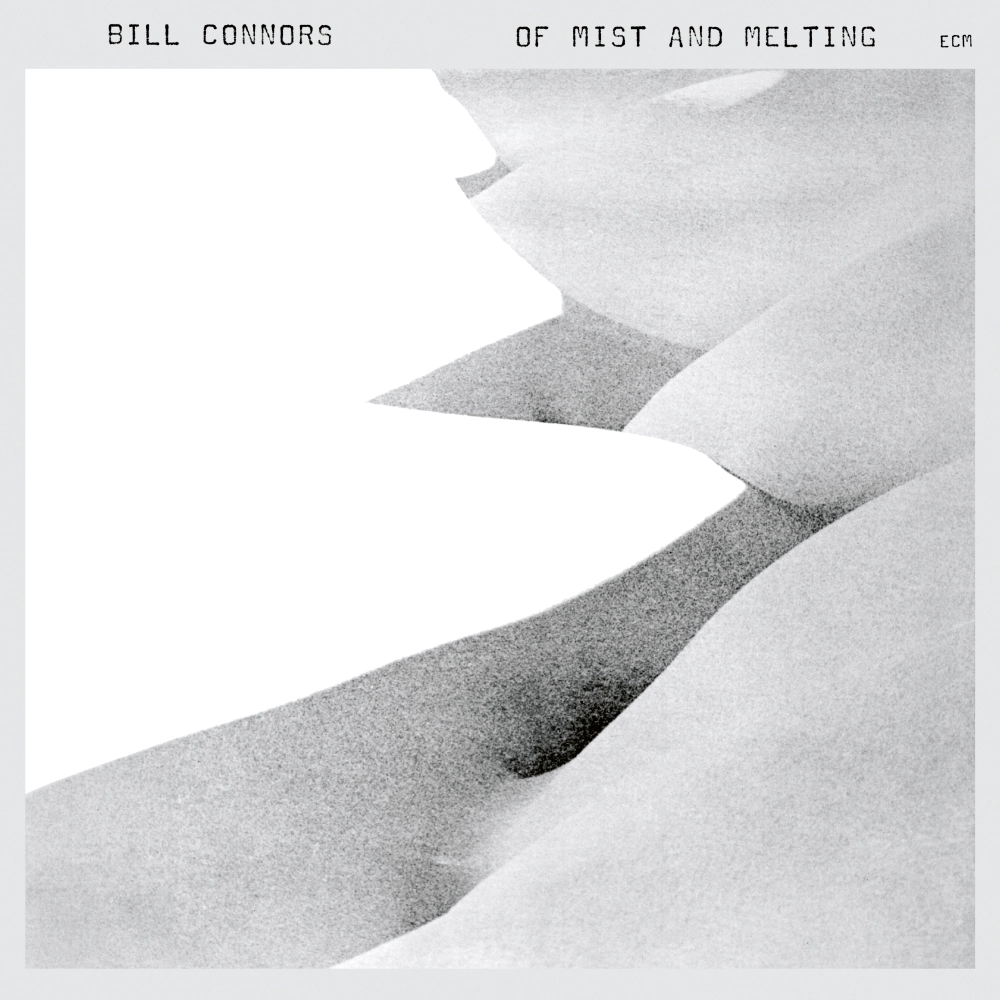
- Bill Connors – Of Mist and Melting (1977): Following the success of his work with Chick Corea, Connors’ 1977 release showcased a sophisticated fusion of nylon-string guitar and avant-garde jazz. The record’s production is a testament to the ECM ethos: precise, emotionally resonant, and startlingly quiet.
2007: The Digital-to-Analog Challenge
- Robert Plant & Alison Krauss – Raising Sand (2007): By the time this project arrived, the music industry was firmly entrenched in the "Loudness Wars." Many listeners found the original CD release of Raising Sand to be compressed and lacking the "air" required for such a nuanced Americana project. The vinyl reissue serves as a corrective, providing the dynamic headroom that the digital format initially obscured.
Supporting Data: The Anatomy of a Perfect Record
Technical Specifications and Personnel
| Album | Primary Instrument | Key Personnel | Label |
|---|---|---|---|
| Balladyna | Trumpet | Tomasz Stanko, Dave Holland | ECM |
| Of Mist and Melting | Guitar | Bill Connors, Jan Garbarek | ECM |
| Raising Sand | Vocals | Robert Plant, Alison Krauss | Rounder |
The "Stanko Effect"
On tracks like "First Song," the percussion strikes are pristine, suspended in a generous pocket of air. The soundstage is set back—approximately at "Row H" of a concert hall—allowing for a "not in your face" presentation. This requires an exceptional level of engineering, as the listener is invited into the music rather than being assaulted by it.
The "Connors Clarity"
Of Mist and Melting represents an even more intimate sonic space. During the track "Melting," the silence at the beginning is so profound that many listeners report checking their preamps, assuming the system has been muted. When the nylon-string guitar enters, it possesses a delicate, rich texture that digital masters often render as thin or "glassy." The interaction between the upright bass and the soft percussion creates a sense of spatial depth that is difficult to replicate outside of high-end analog playback.
Comparative Analysis: Vinyl vs. Digital
The debate between high-resolution digital (24/96 FLAC) and vinyl often misses the point of the "human element." In the case of Raising Sand, the CD version is functional but lacks the organic, saturated quality found on the double-LP set.
The Bass Weight Factor
One of the most distinct differences observed in the Raising Sand reissue is the presentation of the low-end. The vinyl format offers a "meat on the bone" quality to the bass frequencies. While the digital versions of this album can sound analytical, the vinyl provides a sustained, warm pulse that anchors the vocal harmonies of Plant and Krauss.

Emotional Transparency
The "Aubade" from Of Mist and Melting provides a masterclass in emotional transmission. The high, haunting saxophone notes, meant to evoke the sorrow of lovers separating at dawn, are rendered with a level of micro-detail that captures the literal "cry" of the instrument. Such emotional transparency is the ultimate goal of high-fidelity, and it is here that the analog format continues to outshine its digital counterparts.
Implications for the Modern Collector
The resurgence of these specific titles has significant implications for how we value musical legacy:
- Re-evaluating the "Classic" Reissue: As labels continue to remaster catalogs, the focus has shifted from mere volume to "sonic truth." The success of these ECM and Rounder reissues demonstrates that there is a massive market for audiophile-grade pressings that honor the original recording intent.
- Expanding Horizons: These albums are not "background music." They are cerebral, complex, and require the listener’s active engagement. For those accustomed to the top-40, high-compression aesthetic, these records offer a gateway into a more rewarding, challenging style of listening.
- The Persistence of Physical Media: The fact that these records are being rediscovered 50 years after their initial release proves that true art is timeless. When a recording is captured with excellence, it does not become "obsolete"; it simply waits for the next generation of equipment to reveal its hidden depths.
Final Assessment
For the serious collector, the choice is clear. If you are seeking to expand your horizons, the ECM catalog remains the gold standard for jazz, while the Raising Sand double-LP remains a definitive example of how vinyl can salvage and elevate a modern production. These are not merely records to be played; they are experiences to be studied, savored, and preserved. Whether it is the pristine, atmospheric silence of Balladyna or the soulful, earthy weight of Raising Sand, these albums represent the pinnacle of what is possible when engineering meets artistry.
In the final analysis, investing in these pressings is not just an investment in music—it is an investment in the history of sound itself. Highly recommended for those who demand that their music be as deep, complex, and alive as the performers themselves.