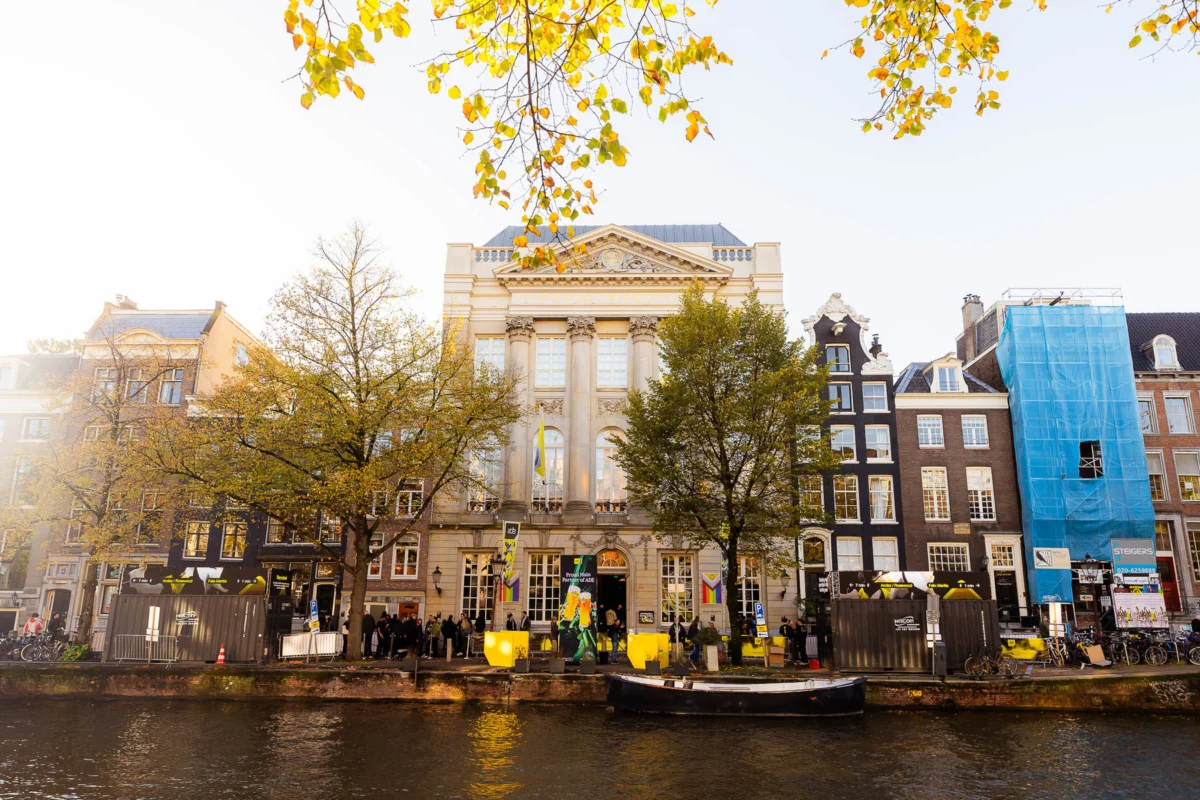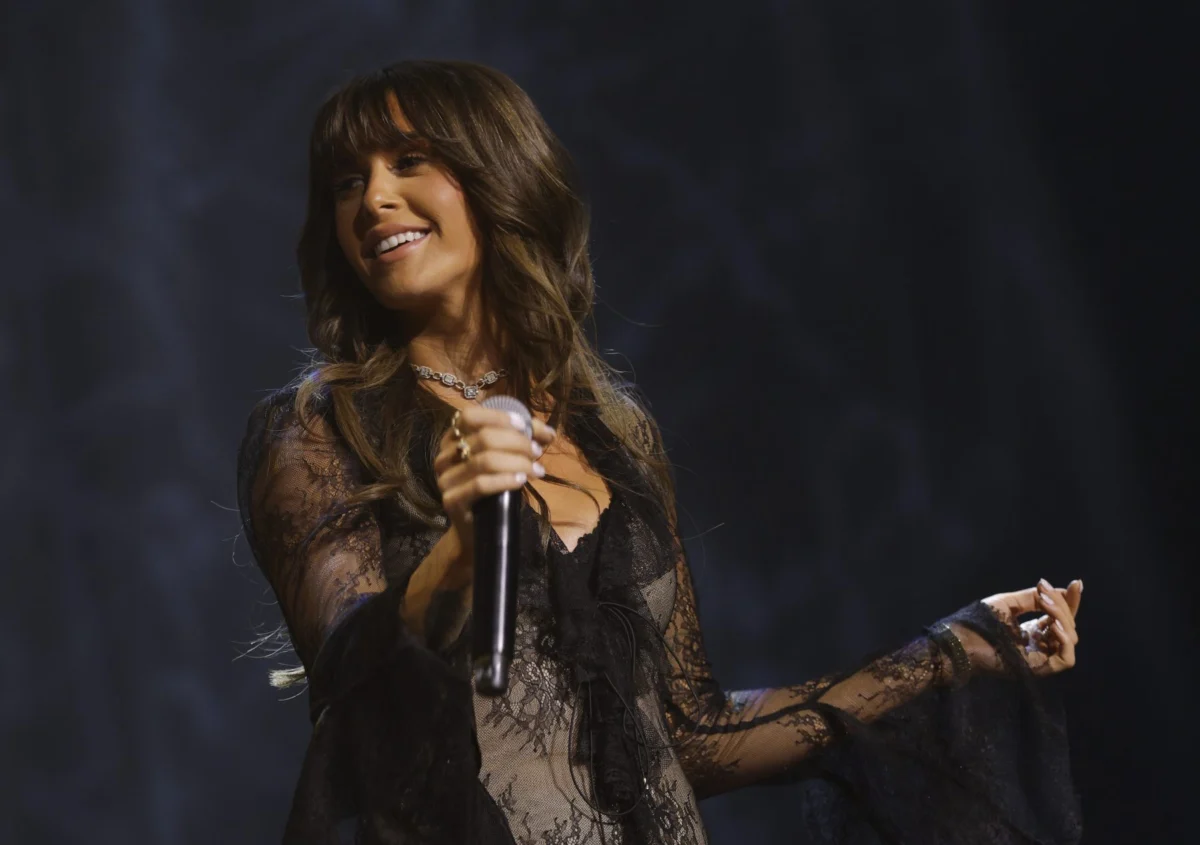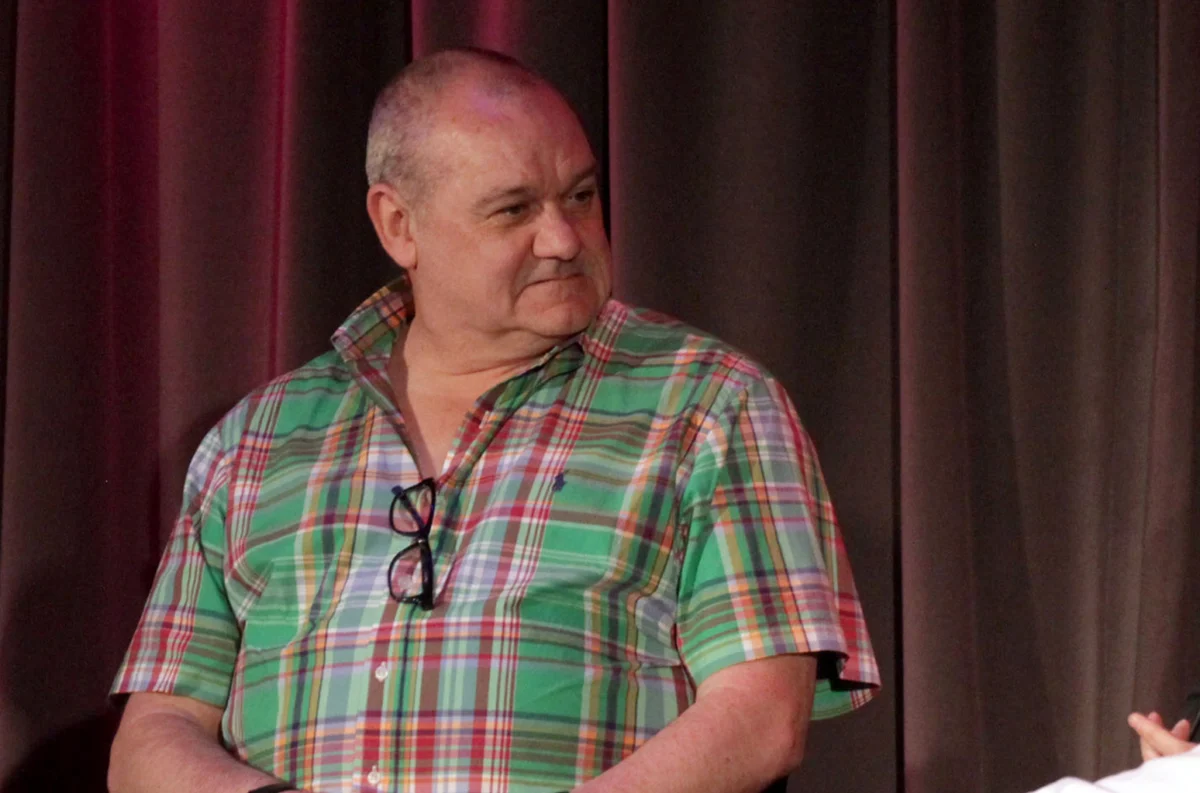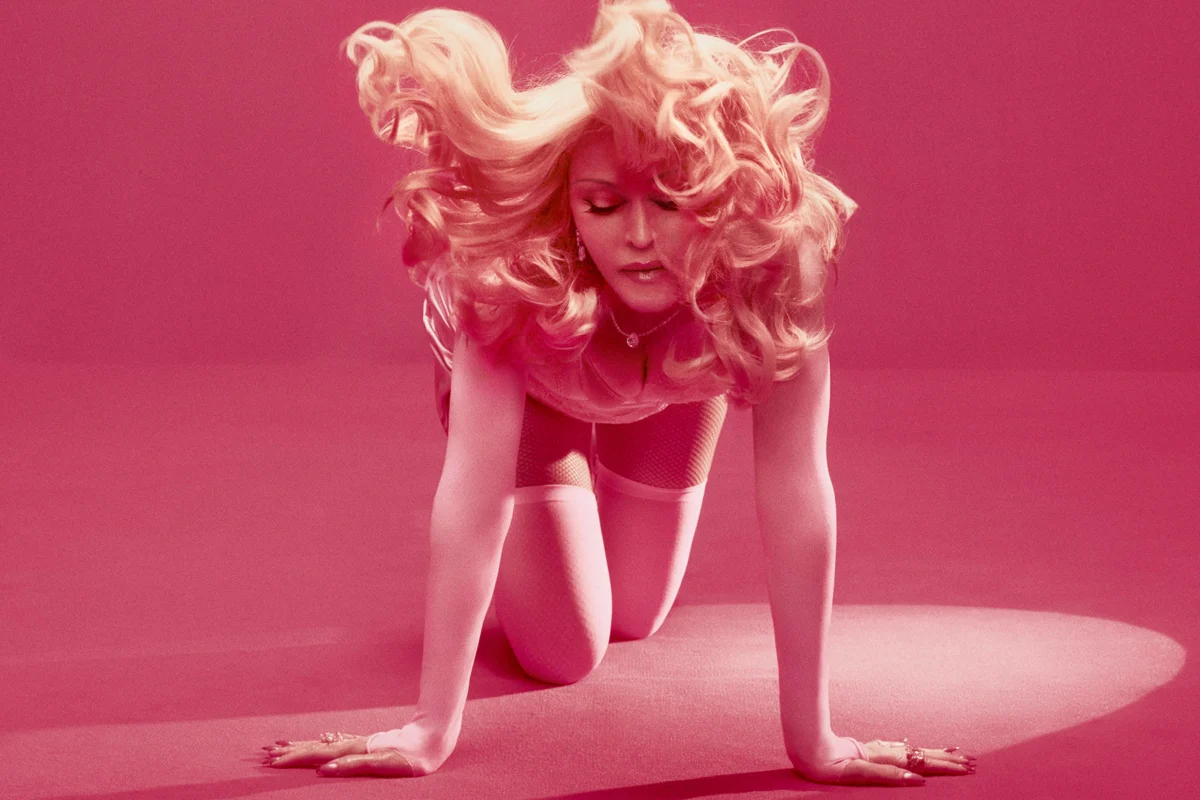
The night before the official Billboard 200 charts confirmed her 10th No. 1 album, Madonna transformed the industrial landscape of Queens into a pulsating, neon-lit epicenter of pop culture. On Saturday, July 11, the Knockdown Center—a venue typically known for underground dance music and expansive, cavernous acoustics—played host to "Club Confessions," a high-octane, invite-only celebration that served as both a victory lap and an immersive promotional spectacle for her latest chart-topping release, Confessions II.
In an era where digital streaming dominates the industry, Madonna’s decision to plant her flag in the physical realm of a New York City warehouse underscores her enduring commitment to the "dance floor" as a sacred space for community and subversion.
The Atmosphere: A Sensory Overload
Despite the venue’s somewhat isolated location, far from the arterial subway lines of Manhattan, the pilgrimage to the Knockdown Center was a testament to the artist’s undying gravitational pull. Lines stretched for several blocks, a mosaic of fashion-forward fans, industry insiders, and nightlife icons. The demographic was as eclectic as the music: everyone from Kim Petras and Pabllo Vittar to designers like Christian Siriano and comedic visionaries like Julio Torres was in attendance, highlighting the broad-spectrum appeal Madonna continues to exert across generations and subcultures.
The entrance itself was a piece of performance art. Attendees were funneled through a massive, inflatable anatomical sculpture—a woman’s lower torso with speakers integrated into the anatomy, a nod to the provocative aesthetic that has defined the Confessions II era. Beyond the installation, guests were ushered through a simulated, laser-laden forest. This environment, evocative of the "Good for the Soul" segment from the Confessions II short film directed by TORSO, acted as an immediate bridge between the visual narrative of the album and the physical reality of the party.
A Chronology of the Night
The evening was expertly paced, building tension through a series of carefully curated sets before the main event.
- 10:00 p.m. – Doors Open: The energy began to simmer as early arrivals claimed their spots on the expansive dance floor.
- 11:30 p.m. – The Warm-Up: The group Fcukers delivered a high-energy set that established the evening’s sonic identity—a blend of gritty, warehouse-ready electronics and polished pop sensibilities.
- 1:10 a.m. – The Arrival: The room underwent a palpable shift in frequency when Stuart Price, the legendary producer behind both Confessions on a Dance Floor and the current record, took control of the decks. As the crowd reached a fever pitch, Madonna emerged. Her opening challenge—"New York, I love you so much—but are you ready?!"—was less a question and more a command to surrender to the music.
- 2:00 a.m. – The Peak: The setlist functioned as a masterclass in musical history, blending the new textures of Confessions II with the DNA of her past.
- 3:00 a.m. – The Aftermath: Following the main performance, Honey Dijon commanded the decks, ensuring the stamina of the crowd remained unbroken even after the Queen departed.
Musical Highlights: Bridging Eras
The setlist was a surgical strike of nostalgia and innovation. While the core of the performance focused on the thematic depth of Confessions II, the inclusion of deeper cuts ensured the set felt like a conversation with her own legacy.
The performance of "Danceteria" stood out as the undisputed highlight of the night. An autobiographical track that serves as a love letter to the early 80s NYC club scene, the song resonated deeply with the crowd. When Madonna hit the pointed, spoken-word refrain—"He’s the DJ / hide the cocaine"—the room erupted. The meta-experience of hearing a song about the birth of a scene while dancing in the center of its modern-day equivalent was, for many, the pinnacle of the event.
Other standout moments included the thunderous singalong of "I Feel So Free" and a high-energy transition into "Physical Attraction," during which Madonna displayed a raw, kinetic energy that reminded the audience why she has held the title of "Queen of Pop" for four decades.
Supporting Data: The Charts Don’t Lie
The success of "Club Confessions" was, in many ways, a harbinger of the statistical dominance that followed less than 12 hours later. Billboard officially reported on Sunday that Confessions II had debuted at No. 1 on the Billboard 200.
Key Performance Indicators:
- Chart Position: No. 1 on the Billboard 200 (10th career No. 1).
- Streaming Metrics: The album achieved the highest streaming week of her career, signaling a successful transition into the platform-driven consumption model.
- Exclusive Company: With this win, Madonna solidified her place in an elite echelon of artists, joining a group of only 11 acts in history to secure 10 or more No. 1 albums on the Billboard 200.
The correlation between the grassroots, warehouse-style intensity of the launch party and the massive streaming numbers suggests that Madonna’s strategy of "community-first" promotion is paying dividends in the modern marketplace.
Industry Implications: Why the "Club" Matters
The success of Confessions II and its associated events signals a shift in how legacy artists handle album cycles. Rather than relying on traditional press junkets or stadium-only tours, Madonna has opted for intimate, high-impact experiences.
The Power of the "Afterhours" Brand
By collaborating with figures like Honey Dijon and Stuart Price, Madonna is not merely riding the wave of current dance music trends—she is actively participating in their curation. This creates a feedback loop: the club music community feels ownership over her work, and in turn, they become the evangelists for her new sound.
The "School is in Session" Philosophy
As noted during the event, the presence of veteran "faculty" like Honey Dijon and Price serves to anchor the performance in a lineage of dance music culture. For younger attendees, this acts as an educational touchpoint; for older fans, it is a validation of the music that shaped their lives. It positions Madonna not as a relic of the past, but as a living participant in the evolution of the genre.
Official Responses and Cultural Impact
While official statements from the Madonna camp remain focused on the gratitude shown toward her fans, the industry reaction has been one of profound respect. Critics have noted that while many artists of her stature lean into "legacy" acts, Madonna remains stubbornly focused on the "now."
The cultural impact of the event is evident in the overflow of social media content. By creating an environment where cell phones were allowed but the vibe remained exclusive and immersive, the event achieved a rare balance: it felt like a private, secret party while simultaneously generating global digital reach.
As the dust settles on the Knockdown Center and the charts reflect the reality of her latest triumph, one thing is clear: Madonna is not interested in merely maintaining her position at the top. She is interested in defining the terms upon which that position is held. With Confessions II, she has proven that she still possesses the ability to organize the chaos of pop culture, channel it through the lens of a dance floor, and emerge with a No. 1 album that feels as relevant today as it would have in the height of the Danceteria era.
The Queen is still on the throne, and, as evidenced by the sweat-soaked walls of the Knockdown Center, she has no intention of stepping down.