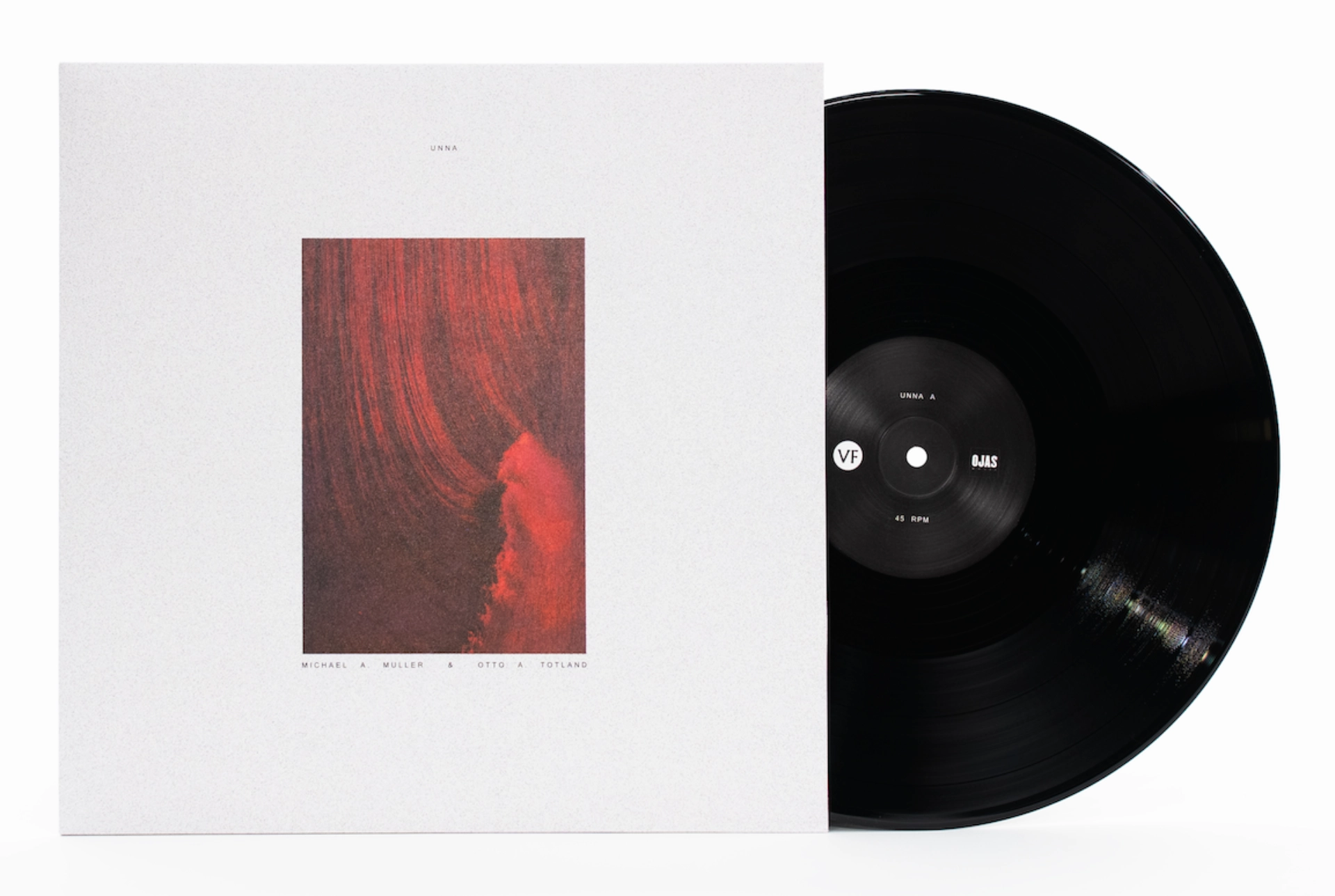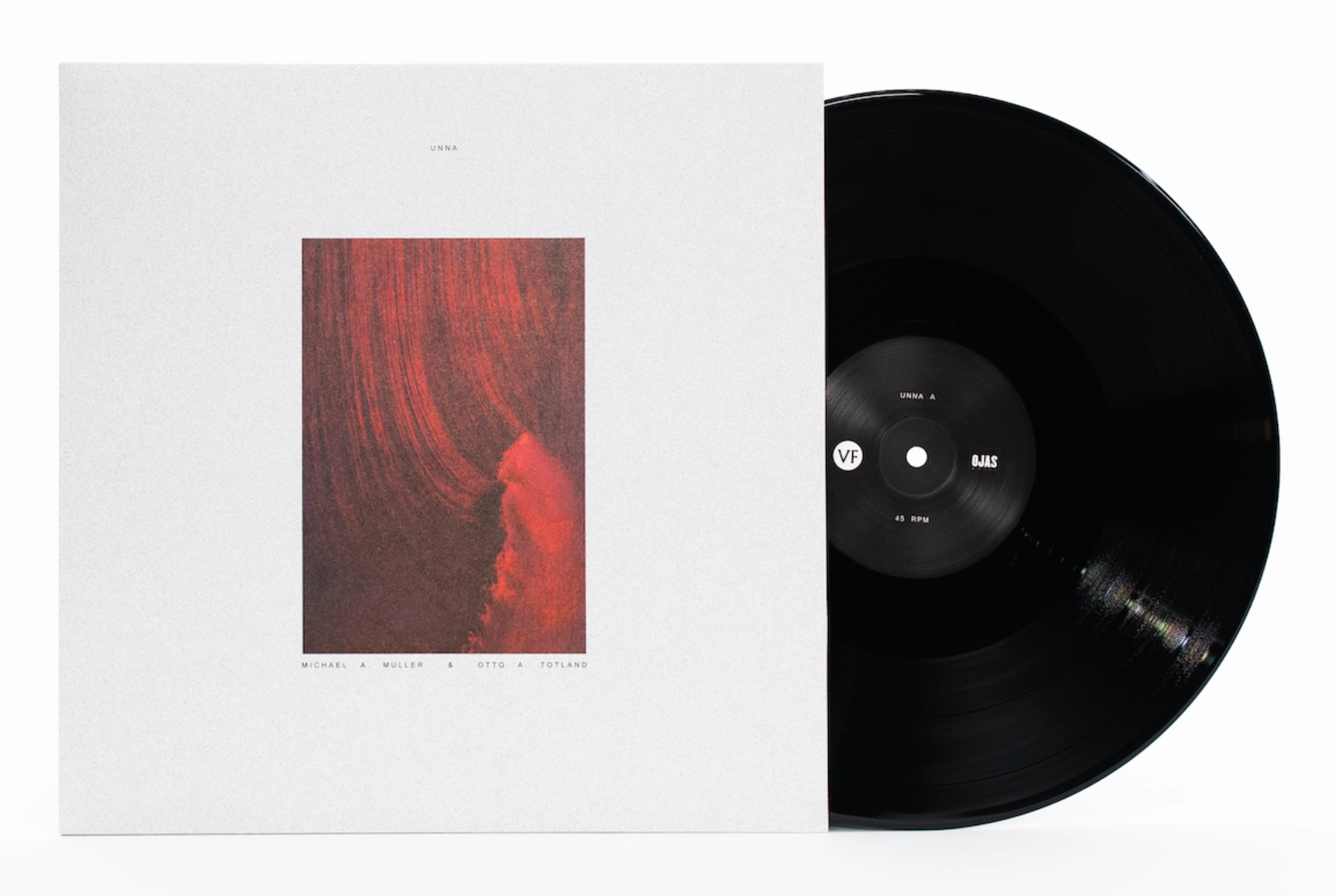
In the rarefied world of high-fidelity audio and minimalist composition, the intersection of equipment and atmosphere is often where the most profound artistic statements are made. This week, that intersection is occupied by Unna, the inaugural release from Ojas Music—the new record label venture from Devon Turnbull, the visionary force behind the acclaimed Ojas audio design firm. A collaborative EP between Michael A. Muller (Balmorhea) and Otto A. Totland (Deaf Center), Unna serves as both a testament to the power of minimalist soundscapes and a blueprint for the sonic philosophy Turnbull has spent years refining.
Main Facts: A Convergence of Minimalist Titans
The collaboration brings together two of the most respected figures in modern ambient and neoclassical music. Michael A. Muller, a co-founder of the minimalist instrumental ensemble Balmorhea, has spent the better part of two decades exploring the emotional resonance of space and silence. His career, marked by a tenure at the prestigious Deutsche Grammophon and collaborative efforts with luminaries such as Hania Rani, Alva Noto, and Víkingur Ólafsson, has established him as a master of atmospheric texture.
Opposite him sits Otto A. Totland, the Norwegian composer whose work as one half of Deaf Center fundamentally altered the landscape of experimental music in the early 2000s. Through seminal releases on Type Records and Sonic Pieces, Totland’s work helped define the "minimalist ambient" genre, a sound later brought to its zenith by his acclaimed solo piano trilogy, produced in collaboration with Nils Frahm.
Unna—the Norwegian word for "away"—is a project defined by its duality. It serves as a literal reflection of the geographic distance between the two artists, yet simultaneously acts as a sonic meditation on the "creative flow state." Musically, the EP is a masterclass in tension and release. Totland’s signature close-miked piano, which captures every tactile nuance of the felt and hammer, provides the emotional core. Muller provides the structural, textural counterpoint, utilizing double bass, glockenspiel, Mellotron, and Rhodes to weave a tapestry that is as haunting as it is restorative.
Chronology: The Genesis of Ojas Music
The path to Unna began long before the needle dropped on the first pressing. To understand the significance of this release, one must look at the evolution of Devon Turnbull’s Ojas.
- Early 2010s: Turnbull begins crafting bespoke, high-efficiency speaker systems, gaining a cult following among audiophiles who value clarity and "truth" in sound reproduction over modern digital processing.
- 2020–2022: Turnbull’s "HiFi Listening Room Dream No. 1" gains international notoriety, eventually finding a permanent home at 180 Studios in London. The space becomes a sanctuary for deep listening, stripping away the noise of modern life to focus entirely on the reproduction of sound.
- 2023: Turnbull begins conceptualizing Ojas Music, seeking to curate a catalog of recordings specifically engineered to thrive within the high-fidelity environments his company builds.
- Late 2024: Muller and Totland, having long admired one another’s work, begin exchanging files and recordings. The project is finalized with the intention of being a "physical-first" experience—designed for the tactile ritual of vinyl.
- February 2026: Ojas Music officially launches in partnership with The Vinyl Factory, releasing Unna as a limited edition of 500 180g vinyl copies.
Supporting Data: The Anatomy of the EP
Unna is not merely a collection of tracks; it is an exercise in acoustic engineering. In a musical landscape dominated by streaming and high-compression audio, the technical specifications of Unna are a deliberate "rebellion."
- The Instrumentation: The EP relies on an organic palette. By eschewing digital synthesis in favor of the Mellotron and Rhodes, the duo ensures that the harmonic content of the record retains a warmth that resonates at lower volumes—a key requirement for the audiophile listener.
- The Spatiality: The recording techniques utilized by Totland—specifically the close-mic placement—create a "virtual presence." When played on a properly tuned Ojas system, the listener is meant to feel as though they are seated on the bench beside the pianist.
- The Format: By limiting the run to 500 copies on 180g vinyl, the label is prioritizing the physical object as a carrier of information. The weight and stability of 180g vinyl are preferred by purists for their resistance to resonance and their ability to capture the widest possible dynamic range of the analog source.
Official Perspectives: The Philosophy of "Deep Listening"
In various discussions surrounding the launch of Ojas Music, Devon Turnbull has been clear about his motivations. For Turnbull, music is not meant to be background noise; it is an active, communal experience.
"The space we create at 180 Studios is about honoring the listener as much as the music," Turnbull noted in recent documentation. "When you bring together composers like Michael and Otto, you are not just capturing notes; you are capturing an environment. Unna is about that internal distance we all travel when we truly listen."

Michael A. Muller has echoed these sentiments, highlighting the collaborative process as an exercise in trust. "Otto’s piano has a weight to it that is almost heavy, even when it is quiet," Muller stated. "My job was to provide the atmosphere around that weight, to ensure the listener never feels lost, but instead feels enveloped."
Otto A. Totland, often a man of few words, characterized the project as a natural extension of his long-standing friendship with Muller. "We wanted to make something that exists ‘away’ from the noise of the world. The title is quite literal in that sense. It is a place to go."
Implications: The Future of High-Fidelity Curation
The launch of Ojas Music and the release of Unna signal a potential shift in how ambient and minimalist music is marketed and consumed. We are witnessing a "prestige turn" in the independent music sector, where the label acts not just as a distributor, but as an arbiter of acoustic quality.
The Return of the "Sonic Object"
By partnering with The Vinyl Factory—a company synonymous with high-end, art-forward music releases—Ojas Music is betting that there is a sustainable market for "intentional" music. As streaming platforms continue to commodify listening through algorithmic playlists, the appeal of a curated, high-fidelity, limited-run object becomes a form of cultural currency.
The Role of the Audio Designer
The rise of Devon Turnbull as a label head introduces a new dynamic: the artist-engineer. If record labels of the 20th century were led by A&R scouts, the labels of the 2020s may be led by designers who understand the entire chain of sound, from the microphone pre-amp to the stylus. This suggests a future where artists record music specifically for the high-end playback systems that are increasingly being installed in homes and public galleries.
Minimalist Revival
The success of Unna also underscores the enduring health of the ambient-minimalist scene. Despite the volatility of the music industry, the "Neo-Classical" and "Ambient" sectors have remained resilient, fueled by a growing audience seeking solace from the hyper-stimulated digital environment. Projects like Unna provide a necessary respite, proving that the combination of piano, double bass, and silence remains one of the most potent tools for artistic expression.
Conclusion
Unna is an invitation to slow down. By merging the technical precision of Ojas’s audio philosophy with the emotional depth of Muller and Totland, the EP succeeds as both a piece of music and an artifact. As Ojas Music continues to grow, it will be fascinating to observe whether this "audiophile-first" approach becomes a standard for independent labels looking to distinguish themselves in a crowded marketplace. For now, Unna stands as a quiet, definitive start—a record that demands to be heard, not just listened to.
For those looking to secure a piece of this sonic history, the EP is currently available through The Vinyl Factory, though given the limited run of 500 units, its availability is expected to be brief. It is, ultimately, a rare instance where the hardware and the software—the speaker and the song—are in perfect, resonant alignment.