In a landmark development for India’s electronics manufacturing landscape, the Indian government has officially approved a strategic manufacturing joint venture between Chinese smartphone giant Vivo and the homegrown contract manufacturer Dixon Technologies. This approval, granted on Thursday, serves as a watershed moment in India’s ongoing quest to become a global hub for high-tech production—a journey that has thus far been defined primarily by the success of Apple and its ecosystem.
The joint venture, structured as a 51/49 partnership with Dixon holding the majority stake, is more than just a corporate agreement; it is a blueprint for how Chinese technology firms can navigate the complex geopolitical and regulatory realities of operating in India. By ceding majority control to an Indian entity, Vivo is not only securing its future in the world’s second-largest smartphone market but is also signaling a pivot toward a more localized, compliant, and sustainable business model.
The Genesis: A Long-Delayed Approval
The path to this approval was neither short nor simple. First announced in December 2024, the partnership was subject to rigorous government oversight. This scrutiny stems from India’s revised Foreign Direct Investment (FDI) rules, introduced in 2020 following heightened military tensions along the India-China border. These regulations mandate additional vetting for any investment originating from countries that share a land border with India—a policy specifically designed to mitigate security risks while ensuring that foreign capital aligns with national strategic interests.
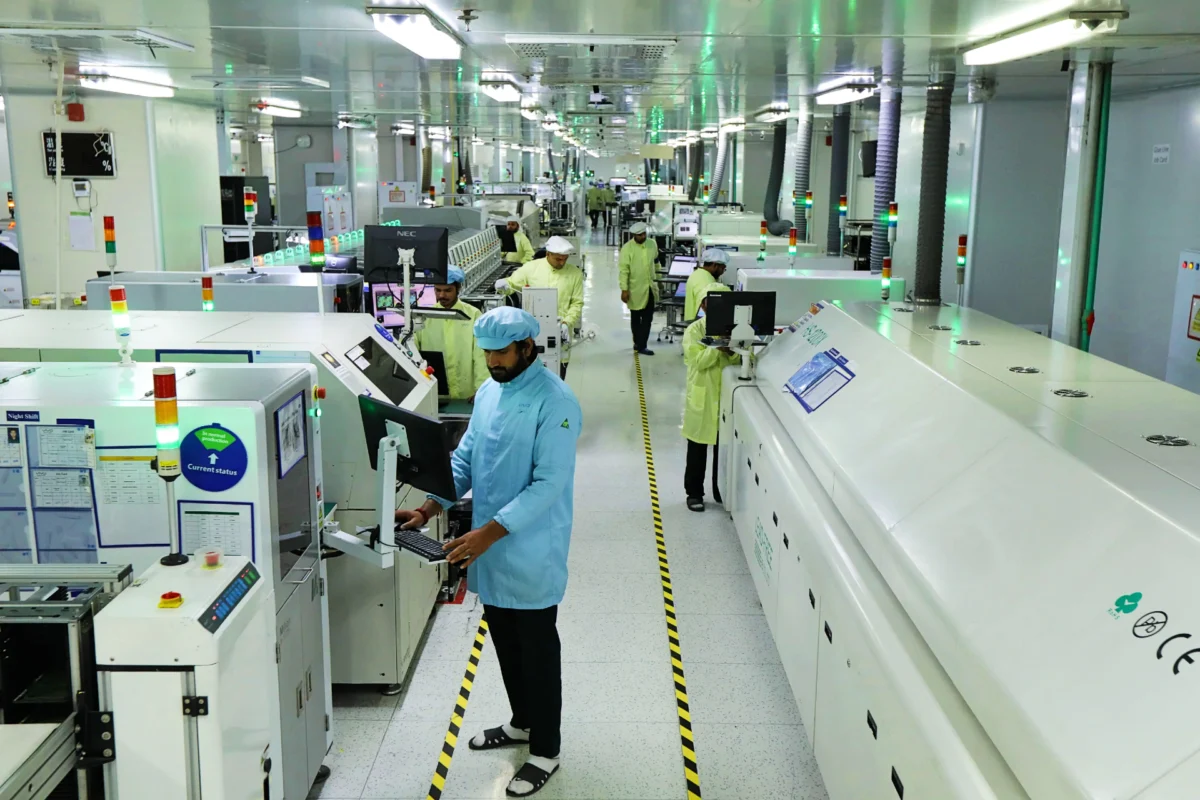
The approval allows the joint venture to acquire specific manufacturing assets from Vivo and begin producing a significant portion of the brand’s smartphone orders within India. Furthermore, the partnership grants the entity the flexibility to manufacture electronic products for other brands, leveraging Dixon’s extensive operational infrastructure in Noida.
Chronology of a Strategic Pivot
The trajectory leading to this joint venture reflects the broader evolution of India’s manufacturing sector:
- 2020: Following border clashes with China, India tightens its FDI rules, sparking a period of regulatory uncertainty for Chinese firms operating in the region.
- 2020–2023: A series of regulatory and tax investigations target major Chinese players including Xiaomi, Oppo, and Vivo, leading to increased pressure on these firms to prove their commitment to the "Make in India" initiative.
- 2023–2024: Indian contract manufacturers, most notably Dixon Technologies, begin scaling operations, having already secured production mandates for various global and domestic brands.
- December 2024: Vivo and Dixon officially announce their intent to form a joint venture, marking a shift toward the "majority-Indian-ownership" model.
- February 2025: The Indian government grants final approval, effectively clearing the hurdle that had previously stalled the venture.
Supporting Data: The Manufacturing Gap
The significance of this deal is best understood through the lens of current market data. While Chinese brands—including Vivo, Xiaomi, and Oppo—hold a commanding 72% share of the Indian smartphone market by sales volume, their contribution to India’s export statistics remains disproportionately low, hovering below 10%.
Contrast this with Apple’s trajectory. Since prioritizing India as a critical node in its global supply chain, Apple has transformed the country into a vital export hub. Today, Apple accounts for roughly 57% of India’s total smartphone exports by volume. The disparity between market dominance and export contribution for Chinese firms represents a massive, untapped opportunity that the Indian government is eager to exploit.
For Dixon Technologies, the math is compelling. Managing Director Atul Lall noted in the company’s Q4 FY26 earnings call that the venture is expected to add an annualized manufacturing volume of 20 million to 22 million smartphones. For a public company whose growth trajectory is intrinsically linked to its ability to secure large-scale manufacturing contracts, this deal represents a significant revenue driver and an endorsement of its operational reliability.
Implications: A Template for the Future
Industry analysts view the Vivo-Dixon structure as a potential "template" for the entire electronics sector. As global supply chains continue to diversify away from China—the "China Plus One" strategy—India is positioning itself as the primary beneficiary. However, the success of this transition depends on the ability of international brands to integrate into the local manufacturing fabric.
1. Regulatory Compliance as a Competitive Edge
By embracing a majority-Indian ownership structure, Vivo is effectively insulating itself against the regulatory volatility that has hampered its peers. This "de-risking" strategy allows the brand to focus on long-term market penetration rather than navigating legal bottlenecks. Analysts at Counterpoint Research suggest that this model satisfies the Indian government’s requirement for "local value addition" while allowing the brand to benefit from local expertise and labor efficiency.
2. Deepening the Electronics Value Chain
The partnership is expected to boost local value addition, moving beyond simple assembly toward deeper integration of components. Dixon Technologies, which already produces for Xiaomi, is positioning itself as the "Foxconn of India." As Dixon expands its capacity, it creates a multiplier effect for the local economy, attracting ancillary component manufacturers and fostering a robust ecosystem of suppliers.
3. Shift in Market Dynamics
The move also reflects a broader shift in how Chinese smartphone giants view their Indian operations. For years, these companies focused on importing components and performing light assembly. Now, the mandate is clear: scale production, increase exports, and partner with local firms to demonstrate a long-term commitment to the Indian economy.
Official Responses and Industry Outlook
Tarun Pathak, Research Director at Counterpoint Research, describes the approval as a "win-win" scenario. "The approval of this joint venture creates a synergy that benefits both parties," Pathak told TechCrunch. "For Vivo, it provides a stable operating model and alignment with government policy. For Dixon, it provides the necessary scale to deepen local value addition and pursue aggressive export targets."
Government officials have maintained that while India welcomes foreign investment, it must align with the national objective of transforming the nation into a global manufacturing powerhouse. The approval of the Vivo-Dixon deal suggests that the administration is willing to facilitate partnerships, provided they adhere to the spirit of domestic empowerment and security protocols.
Challenges Ahead: The Path to Global Scale
Despite the optimism, the road ahead is not without challenges. Transitioning to a majority-Indian-owned structure requires complex operational adjustments, including technology transfers, supply chain integration, and the harmonization of quality standards across different management cultures.
Furthermore, competition is intensifying. As Vietnam and other Southeast Asian nations also vie for a share of the global electronics manufacturing pie, India must ensure that its regulatory environment remains predictable and its infrastructure continues to improve. The success of the Vivo-Dixon venture will be closely watched by other global tech players who are weighing their own manufacturing strategies in India.
Conclusion: A New Era for ‘Make in India’
The approval of the Vivo-Dixon joint venture is more than a routine business announcement; it is a structural shift in the narrative of the "Make in India" campaign. By successfully integrating one of the world’s largest smartphone vendors into a locally-led manufacturing partnership, India has demonstrated that it can enforce its regulatory requirements without stifling the growth of the industry.
As the smartphone market continues to mature and consumer demand in India grows, the ability to produce, export, and innovate locally will define the winners of the next decade. If the Vivo-Dixon model proves successful, it will likely serve as the gold standard for international companies looking to cement their presence in one of the world’s most dynamic and challenging markets. With 20 million units of production capacity at stake, the venture is a clear indicator that India’s smartphone manufacturing story is only just beginning to reach its full potential.