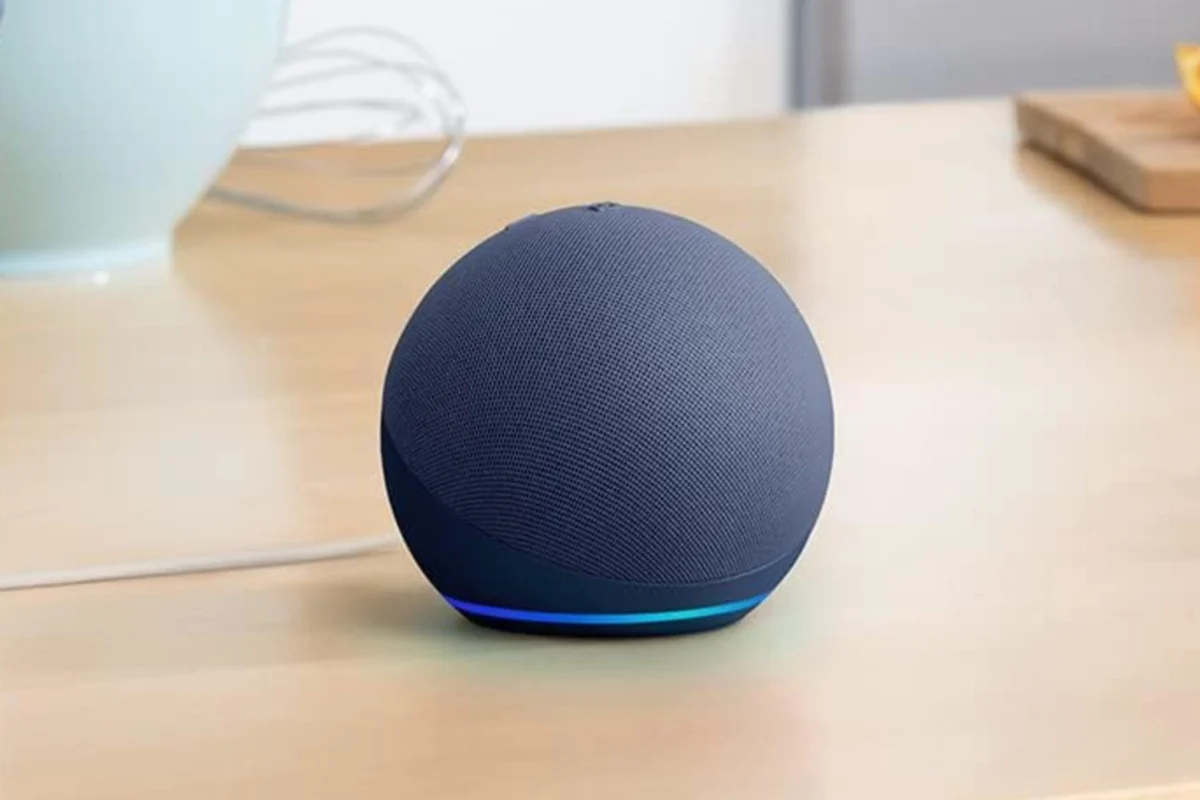
As the retail industry gears up for the most anticipated shopping event of the year, Amazon has officially signaled the start of its Black Friday festivities with a headline-grabbing offer. The tech giant has slashed the price of its flagship smart speaker, the Echo Dot, to an unprecedented $22.99. This move represents a 54% discount off its standard retail price of $49.99, marking the lowest price point in the history of the device.
For consumers looking to bridge the gap between a conventional residence and a fully integrated smart home, this promotion serves as a high-value entry point. Whether you are a newcomer to the ecosystem or a seasoned enthusiast aiming to achieve total home coverage, the current pricing structure makes the expansion of one’s smart infrastructure more accessible than ever.
Main Facts: The Anatomy of the Deal
The Amazon Echo Dot, now in its fifth generation, has long been regarded as the benchmark for compact smart speakers. Despite its diminutive footprint, the device serves as a central nervous system for modern home automation.
Key technical specifications and features currently available at the $22.99 price point include:
- Alexa Integration: The heart of the device, providing seamless voice control over thousands of compatible smart home products, from lighting and thermostats to advanced security systems.
- Audio Fidelity: Engineered to deliver crisp vocals and balanced bass, the Dot functions as a versatile wireless music player compatible with major streaming platforms, including Amazon Music, Apple Music, Spotify, and Pandora.
- Integrated Sensors: The device features built-in motion detection and a temperature sensor. These are not merely passive tools; they allow users to automate their environment—for instance, triggering a smart fan when a room hits a specific temperature threshold or illuminating smart bulbs when movement is detected.
- Eero Mesh Connectivity: Perhaps the most undervalued feature is the Dot’s ability to act as a Wi-Fi extender for existing Eero mesh router systems. A single unit can bolster signal coverage by up to 1,000 square feet, addressing notorious "dead zones" in larger homes.
A Chronology of the Echo Ecosystem
To understand why this Black Friday offer is so significant, one must look back at the trajectory of the Echo product line. Since its inception, the Echo series has evolved from a novelty voice-assistant experiment into an indispensable household utility.
- 2014: The Foundation: Amazon introduced the original Echo, a tall, cylindrical device that required an invitation to purchase. It introduced the world to "Alexa," a cloud-based assistant capable of setting timers and playing music.
- 2016: The Dot Arrives: Recognizing that consumers wanted the power of Alexa in every room without the premium cost of the full-sized speaker, Amazon launched the first Echo Dot. It was small, affordable, and designed for ubiquity.
- 2019-2021: The Evolution of Form: The design transitioned from the iconic "hockey puck" aesthetic to the spherical shape we recognize today. This change was not merely stylistic; the geometry allowed for better acoustic projection and improved internal hardware.
- 2024: The Utility Phase: Today, the Echo Dot is no longer just a speaker; it is a sensor, a Wi-Fi booster, and an automation hub. The shift from a simple voice-responsive tool to an infrastructure component has redefined how consumers view smart speakers.
Supporting Data: Why Price Matters in Market Penetration
Market analysis consistently shows that smart home adoption is highly sensitive to "price-per-node." For a household to be truly "smart," it requires multiple points of entry—a speaker in the kitchen, a sensor in the hallway, and a hub in the living room.
According to retail analytics, smart speaker sales see a massive spike during Q4, with Black Friday acting as the primary catalyst. By dropping the price below the $25 threshold, Amazon is effectively removing the "barrier to entry." At $22.99, the Echo Dot falls into the category of "impulse buy" for many consumers, yet it provides long-term value that far exceeds the initial investment.
Furthermore, data suggests that users who own three or more Echo devices are 40% more likely to purchase additional smart home accessories, such as video doorbells, smart plugs, or security cameras. This makes the current discount a strategic play for Amazon to deepen its integration into the consumer’s daily life.
Official Responses and Strategic Positioning
While Amazon has not released a formal press release detailing the internal metrics behind this sale, corporate leadership has frequently discussed the "ambient intelligence" strategy. Amazon views the home as a platform, not just a collection of devices.

"Our goal is to make the technology in your home work for you, rather than the other way around," a spokesperson for Amazon’s device division noted in a recent hardware showcase. "By providing high-quality, reliable hardware at accessible price points, we are allowing our customers to build the smart home environment that fits their specific needs, whether that’s simple music streaming or complex security and climate automation."
Industry analysts suggest that this aggressive pricing is also a defensive measure against competitors like Google and Apple. By flooding the market with Echo Dots, Amazon ensures that Alexa remains the dominant interface for the average consumer’s smart home interactions.
Implications for the Consumer
What does this mean for the average buyer?
- System Expansion: If you already own one or two Echo devices, this is the optimal moment to achieve "whole-home coverage." Placing a Dot in a guest bedroom, home office, or laundry room ensures that Alexa is always within earshot, whether you need to check the weather or control a smart light.
- Infrastructure Upgrades: For those who already own Eero routers, the ability to turn a $22.99 purchase into a signal booster is arguably the best value-per-dollar deal in the networking space.
- Gift-Ready Utility: At this price point, the Echo Dot becomes an ideal "stocking stuffer" or holiday gift. It is a piece of technology that offers tangible, daily utility to almost any demographic, from students needing help with scheduling to seniors using it for home automation and communication.
A Broader Context: The Black Friday Landscape
While the Echo Dot is the star of this particular sale, it is part of a larger ecosystem of discounts. Smart home enthusiasts should consider this purchase as a gateway to broader upgrades.
As you browse the sales, it is worth noting that the current market environment is favorable for comprehensive home upgrades. Discounts on home security cameras, video doorbells, and Philips Hue lighting systems are currently trending in tandem with Amazon’s smart speaker deals. When these components are combined, they create a cohesive, secure, and automated ecosystem.
Conclusion: Is the Deal Worth It?
The answer is a definitive yes. In the landscape of consumer electronics, it is rare to find a device that offers such a wide array of functionality at such a low cost. The Echo Dot’s versatility—acting as a speaker, a personal assistant, a sensor, and a network extender—is unparalleled at the $22.99 price point.
For those waiting for the "right time" to jump into the smart home market, or for those looking to round out their existing setups, the Black Friday deal on the Echo Dot represents a rare opportunity to invest in a highly capable, future-proofed device without breaking the bank. As the saying goes, "the best time to start was yesterday; the second best time is today." With this promotion, Amazon has ensured that the barrier to entry is lower than it has ever been.
Be sure to act quickly, as record-low prices on high-demand technology items are often subject to supply constraints during the peak of the Black Friday season.