By Adrian Wu
Dmitri Shostakovich remains one of the most enigmatic and scrutinized figures in 20th-century music. His symphonic output is not merely a collection of scores; it is a harrowing, encoded chronicle of the Soviet experience. To listen to a Shostakovich symphony is to engage with a man who navigated the treacherous waters of Stalinist persecution, encoding subversion within the very structures he used to placate his oppressors.
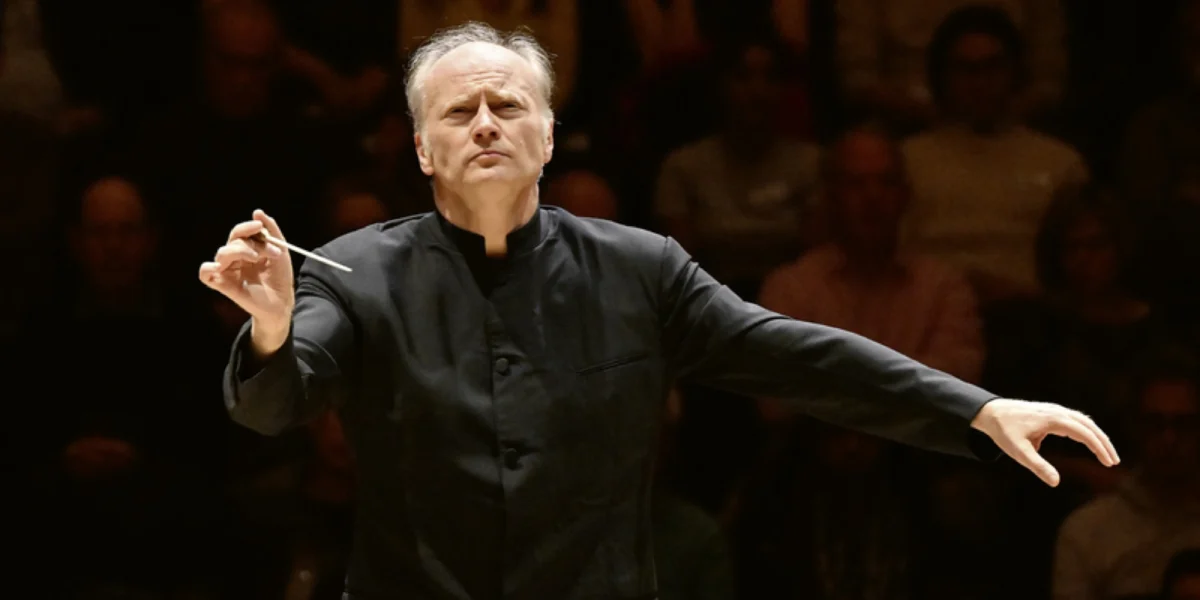
Among his works, Symphony No. 11 in G Minor, Op. 103, "The Year 1905," stands as a monumental testament to his ability to weave political commentary into musical narrative. Recently, the London Symphony Orchestra (LSO) and conductor Gianandrea Noseda released a live recording of this work (DSD 128/256), providing a modern, high-fidelity lens through which to view this historical masterpiece.
The Weight of History: Shostakovich and the October Revolution
Shostakovich composed the Eleventh Symphony in 1957, ostensibly to mark the 40th anniversary of the October Revolution. For this, he was awarded the Lenin Prize. However, Western critics of the mid-20th century were quick to dismiss the work as mere state-sanctioned propaganda—a "glorified film score" that lacked the intellectual depth of his earlier, more iconoclastic works.
History, however, has provided a more nuanced perspective. We now understand that Shostakovich’s survival—living in the shadow of Stalin’s purges—required a mastery of "double-speak." Much like a dissident hiding profound truth behind a veil of superficial compliance, Shostakovich utilized the musical language of the state to mourn the victims of the very regime he appeared to celebrate.
The symphony is a vivid depiction of the events of January 9, 1905—"Bloody Sunday." It chronicles the morning the Russian populace gathered at the Winter Palace in St. Petersburg to petition Tsar Nicholas II for relief from government corruption and poverty. The resulting massacre, where troops fired into the defenseless crowd, served as the catalyst for the revolution that would eventually dismantle the Tsarist regime.
A Comparative Chronology: The Analog vs. The Digital
To understand the significance of the new LSO Live release, one must look back at the benchmarks of the past. For decades, the 1980 EMI recording featuring the Bournemouth Symphony Orchestra under Paavo Berglund served as the gold standard for audiophiles.
Recently, revisiting the Berglund LP after a deep-clean provided a stark reminder of the era’s limitations and triumphs. The Bournemouth performance was characterized by a raw, unvarnished intensity. There was a sense of desperation in the phrasing, an "on-the-edge" quality that mirrored the volatility of the subject matter. It was, in many ways, an aesthetic descendant of the Mravinsky/Leningrad Philharmonic tradition: flawed, perhaps, in its technical precision, but visceral in its delivery.
In contrast, the Noseda/LSO performance, recorded live at the Barbican Hall in 2022, represents the pinnacle of modern sonic capture. While the analog era offered a distinct "warmth," the DSD format utilized here provides a clarity that strips away the surface noise and mechanical distortions of the LP format. The background silence of the DSD recording allows the "dark, menacing atmosphere" of the opening movement to emerge with a chilling, crystalline focus that the limitations of vinyl simply could not support.
Technical Analysis: The LSO Live Experience
The LSO Live label has become a vital model for the modern orchestra, allowing the ensemble to bypass traditional gatekeepers and return revenue directly to the musicians. This, combined with their commitment to high-resolution formats, makes their Shostakovich cycle an essential case study in modern production.
Sonic Fidelity and Dynamic Range
The recording quality of this performance is nothing short of an engineering feat. While the recording was captured in DSD256, it is worth noting that modern post-production often involves PCM conversion—a reality of contemporary workflows. Despite this, the final product retains a depth of field that is startling.
In the first movement, the woodwinds emerge from the "dark recesses" of the soundstage with a clarity that creates genuine three-dimensional space. The strings, even during the most tumultuous passages, avoid the shrillness that often plagues digital recordings of dense orchestral scores. Most impressively, the tympani strikes offer an explosive, weighted impact that demands a high-end, full-range audio system to be fully appreciated.
The Noseda Interpretation
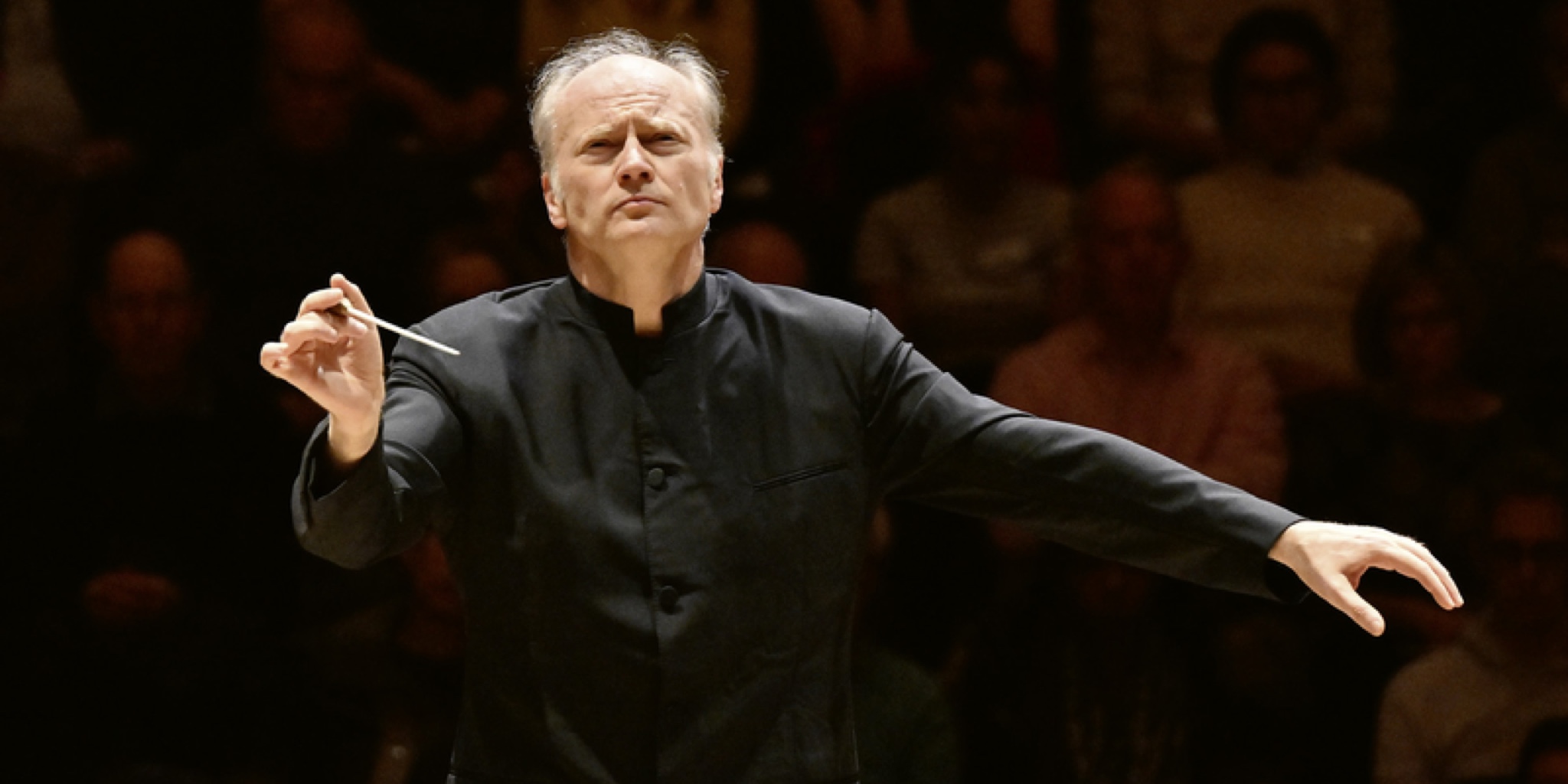
Gianandrea Noseda brings a clinical yet deeply emotional intelligence to the podium. Where Berglund’s interpretation favored extreme tempo fluctuations, Noseda focuses on a controlled, inexorable tension. The LSO plays with a level of technical polish that creates a different kind of excitement than the "raw" Bournemouth recording. It is the sound of an orchestra in total command of its resources, delivering the terrifying momentum of the massacre scenes with surgical precision.
However, one must ask: is there such a thing as too much polish for Shostakovich? There is an argument that the music’s "rough edges" are essential to its identity. Noseda avoids the trap of making the music sound "bland," a criticism often leveled at conductors like Herbert von Karajan. Noseda keeps the tension high, ensuring that the precision of the LSO serves the drama rather than obscuring it.
Official Perspectives: The Role of the Orchestra
The LSO’s initiative to record and release their own performances is a shrewd business move, but it is also a cultural necessity. By capturing these live performances, the LSO is essentially creating a historical archive of the 21st-century interpretation of the Soviet canon.
According to sources within the LSO, the decision to commit to high-resolution DSD was driven by a desire to capture the "concert hall experience." The Barbican, while sometimes criticized for a slightly dry acoustic when compared to the legendary halls of Boston or the Kingsway Hall, provides a clean canvas for Noseda’s layering. The result is a recording that sounds remarkably close to a live seat in the middle of the auditorium.
Implications for the Future of Classical Recording
The debate between the warmth of the LP and the clarity of digital recording has, for many, been settled in favor of the latter, provided the mastering is done with care. The LSO/Noseda release serves as a "demonstration-quality" proof of concept.
The implications for the listener are clear: to truly experience the scale of the Eleventh Symphony, one requires a system capable of extreme dynamic swings. This is not "background music." It is a massive, heavy, and politically charged work that demands the listener’s full attention.
For those who have collected the historical artifacts of the 20th century, the Noseda cycle provides the necessary, high-fidelity bookend to the era of Berglund and Mravinsky. It confirms that while the political conditions that birthed the work have faded, the power of Shostakovich’s music—when executed with modern technical excellence—remains as potent as it was in 1957.
Conclusion
The LSO’s recording of Symphony No. 11 is a triumph of both interpretation and technology. Gianandrea Noseda has managed to capture the ominous, creeping dread of the first movement while maintaining the explosive, rhythmic power of the revolutionary finale. It is a recording that stands as a modern benchmark, proving that the London Symphony Orchestra remains one of the world’s most vital interpreters of the Shostakovich canon. For any serious collector, this release is not just a recording; it is a vital document of musical history brought into the light of the modern era.
About the contributors: This analysis was synthesized with insights from David Hopkins, Product and Communication Manager at NativeDSD, whose background as a recording engineer and producer provides the essential technical context for the evolution of orchestral recording.