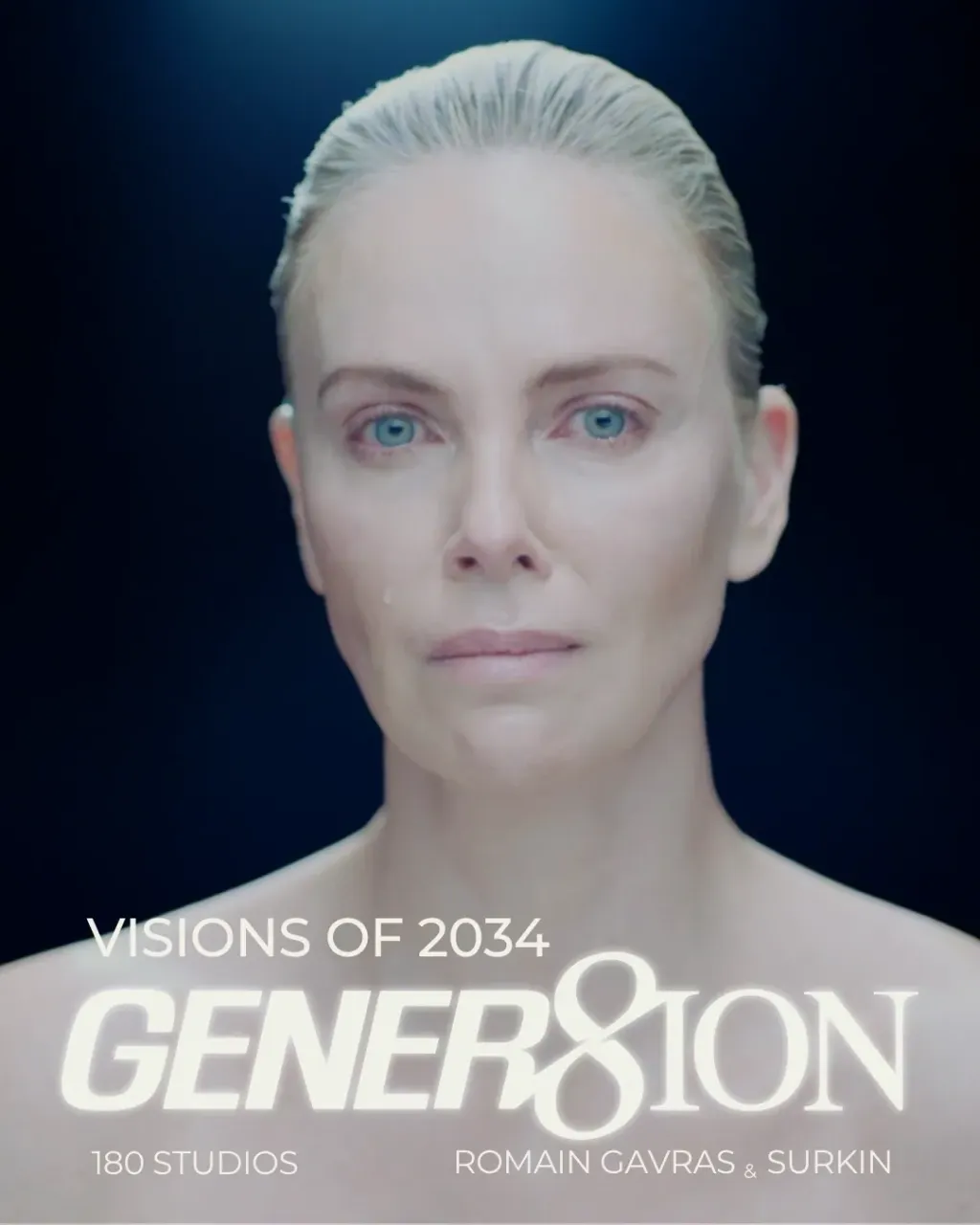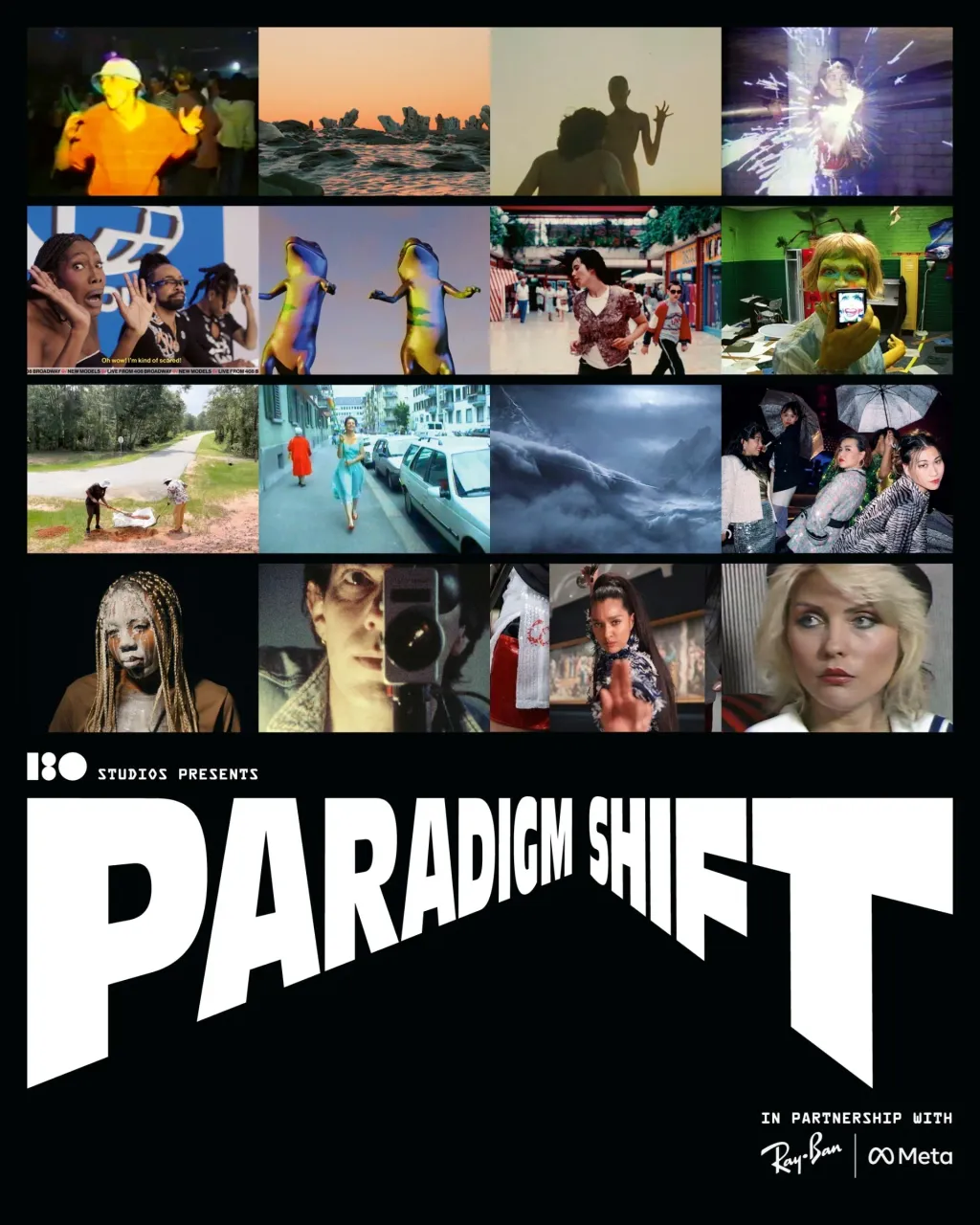
London’s cultural landscape is set to undergo a rhythmic transformation this spring. 180 Studios, the capital’s premier hub for contemporary creativity, has announced the launch of Sound & Vision, a sprawling two-month residency dedicated to the intersection of music and the moving image. Housed within the newly unveiled "Underground Cinema"—a subterranean screening space designed to foster intimate, high-fidelity film experiences—the program promises to bridge the gap between historical music documentary, avant-garde performance, and the evolution of the modern music video.
Running from April 10 to June 4, 2026, the season follows the success of the venue’s month-long theatrical run of Kahlil Joseph’s BLKNWS: Terms & Conditions. With Sound & Vision, 180 Studios elevates its curatorial ambition, offering a weekly rotating schedule of films that range from cult classics to rare archival gems.
The Core Concept: Redefining the Music Documentary
The fundamental premise of Sound & Vision is to contextualize music as a visual medium. In an era dominated by algorithmic consumption, where music is often relegated to a background utility, 180 Studios aims to re-center the viewer. By pairing feature-length documentaries with a secondary exhibition of iconic music videos, the program creates a dialogue between long-form storytelling and the hyper-compressed artistic statement of the three-minute promo.
"The goal is to dismantle the wall between the ‘listener’ and the ‘viewer,’" states a spokesperson for the 180 Studios curatorial team. "We are presenting music not just as an auditory phenomenon, but as a cultural catalyst that defines identity, politics, and historical evolution."
Chronology: A Deep Dive into the Season’s Lineup
The programming is meticulously curated to span genres, decades, and geographies, ensuring that each week offers a distinct atmospheric shift.
April: The Roots and the Rhythms
The season opens on April 10 with "Getting It Back: The Story of Cymande" (2022). Directed by Tim Mackenzie-Smith, the film documents the overlooked legacy of the UK’s most influential jazz-funk ensemble. The band’s trajectory—from obscurity to global influence—serves as a template for the resilience of artists in the face of industry homogenization.
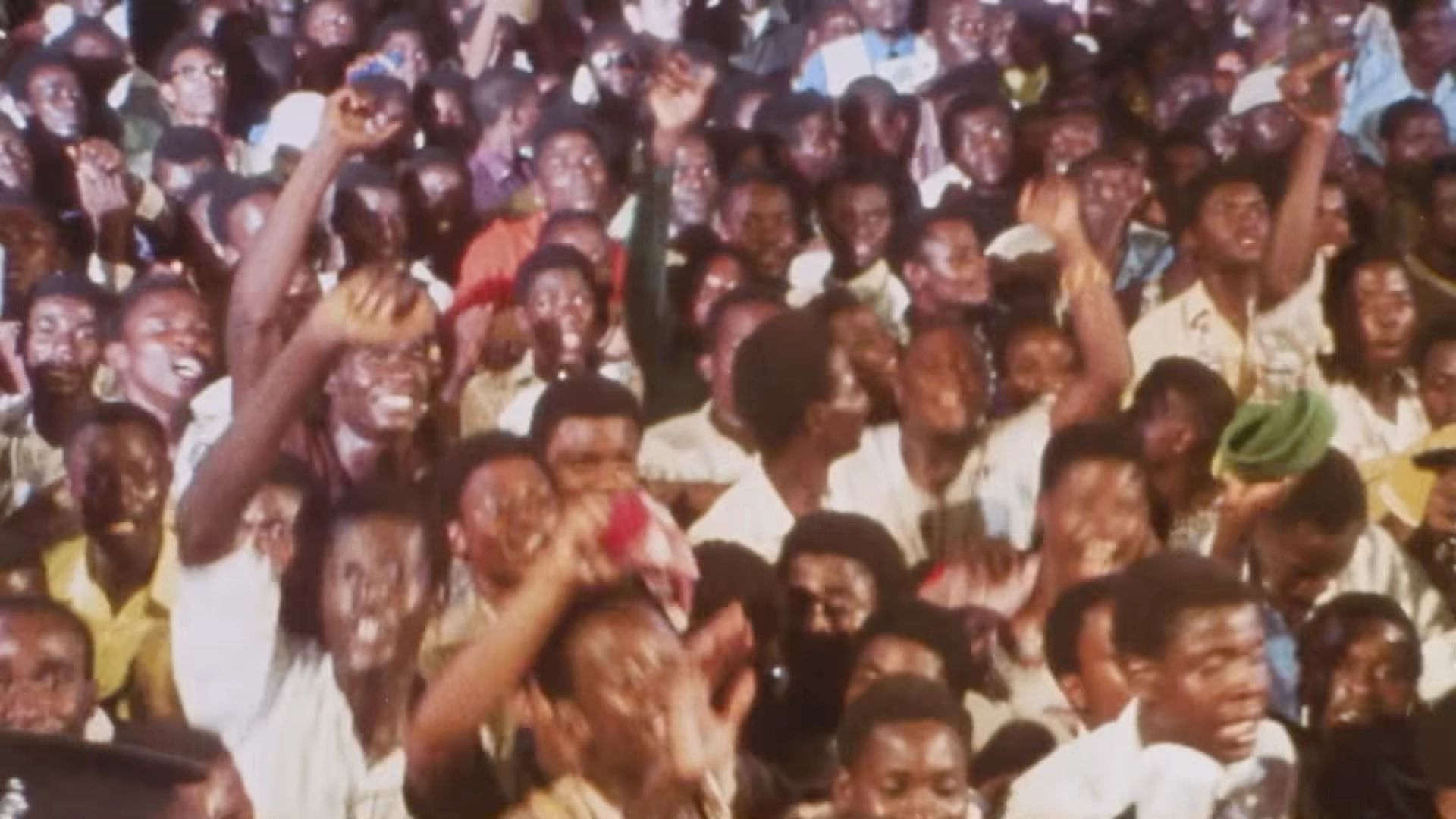
Following this, April 17 sees the screening of Alex Gibney’s "Finding Fela" (2014). This documentary provides an expansive look at Fela Kuti, the Nigerian pioneer of Afrobeat. Gibney masterfully navigates the intersection of Kuti’s political activism and his revolutionary musical output, cementing his status as one of the 20th century’s most vital agitators.
On April 24, the venue shifts to the contemporary, screening "Fred again.. – secret life at the coliseum" (2024). This film captures an intimate performance from the artist’s ambient project, recorded for a mere 100 fans in the cavernous LA Memorial Coliseum. It stands as a stark contrast to the massive festival stages he usually commands, highlighting the power of intimacy in modern electronic music.
May: Pioneers, Icons, and Visionaries
The month of May focuses on the trailblazers who redefined the boundaries of sound.
- "Keyboard Fantasies" (May 1): Posy Dixon’s documentary on Beverly Glenn-Copeland is a masterclass in patience and artistic rediscovery. It captures the septuagenarian’s sudden global embrace after years of relative isolation.
- "Paris Is Burning" (May 8): Jennie Livingston’s 1990 documentary remains the definitive text on 1980s New York ballroom culture. It is a vital inclusion, emphasizing the role of music as a vehicle for survival and community in marginalized spaces.
- "Bowie: The Final Act" (May 15): As the world approaches the ten-year anniversary of David Bowie’s final project, this film charts the singer’s extraordinary concluding chapter, offering a reflective look at his myth-making and creative rigor.
- "Sisters with Transistors" (May 22): Lisa Rovner’s 2020 film serves as an essential correction to music history, documenting the women who built the foundation of electronic music, including Delia Derbyshire and Suzanne Ciani.
June: The Final Note
The season concludes with "Ryuichi Sakamoto: Coda" (May 29 – June 4). Stephen Nomura Schible’s portrait of the late Japanese composer is a poignant exploration of mortality and sound. By focusing on Sakamoto’s final years and his work on the album async, the film provides a meditative end to the series.
Supporting Data: The Art of the Music Video
A defining feature of the Sound & Vision season is the exhibition of short-form masterworks located adjacent to the main cinema space. The curatorial team has selected seminal music videos that challenged the visual language of their time.
The program includes:
- Romain Gavras: The visceral chaos of Jamie xx’s "Gosh."
- Gabriel Moses: The aesthetic precision of Travis Scott’s "4×4."
- Melina Matsoukas: The socio-political power of Beyoncé’s "Formation."
- Kahlil Joseph: The ethereal flow of Flying Lotus’ "Until the Quiet Comes."
- Chris Cunningham: The genre-bending surrealism of Aphex Twin’s "Windowlicker."
These works demonstrate how the music video has transitioned from a promotional tool into a legitimate platform for auteur filmmaking, often serving as a training ground for directors who later dominate feature cinema.
Implications: The Future of Cultural Programming
The launch of Sound & Vision reflects a broader trend in London’s cultural institutions. As cinema exhibition becomes increasingly centralized around blockbuster releases, independent venues like 180 Studios are stepping in to provide curated, thematic experiences that act more like gallery exhibitions than traditional movie screenings.
This approach has significant implications for the music industry. By presenting these films in an art-house context, 180 Studios validates the music documentary as a serious academic and artistic genre. Furthermore, the focus on technical quality within the Underground Cinema—prioritizing immersive sound design and high-definition visual fidelity—serves to protect the integrity of the artists’ original vision.
The decision to pair established legends like Bowie and Sakamoto with contemporary figures like Fred again.. creates a cross-generational dialogue. It encourages younger audiences, who may be attracted by the high-profile modern acts, to engage with the historical context of the electronic and experimental movements that paved the way for current trends.
How to Attend
Tickets for the Sound & Vision season are currently available via the 180 Studios official website. Given the intimate capacity of the Underground Cinema, organizers are advising early booking. The venue, located in the heart of London, is expected to draw a diverse crowd of music enthusiasts, filmmakers, and students of cultural history.
As the industry continues to grapple with the fragmentation of media, initiatives like Sound & Vision offer a necessary sanctuary. They remind us that while the format of our media consumption may change, the power of a collective, shared experience—be it in a ballroom in 1980s New York or an ambient set in a Los Angeles coliseum—remains the beating heart of musical culture.
With its robust programming and commitment to artistic excellence, 180 Studios has once again positioned itself at the vanguard of London’s creative scene, proving that when sound and vision align, the result is nothing short of transformative.