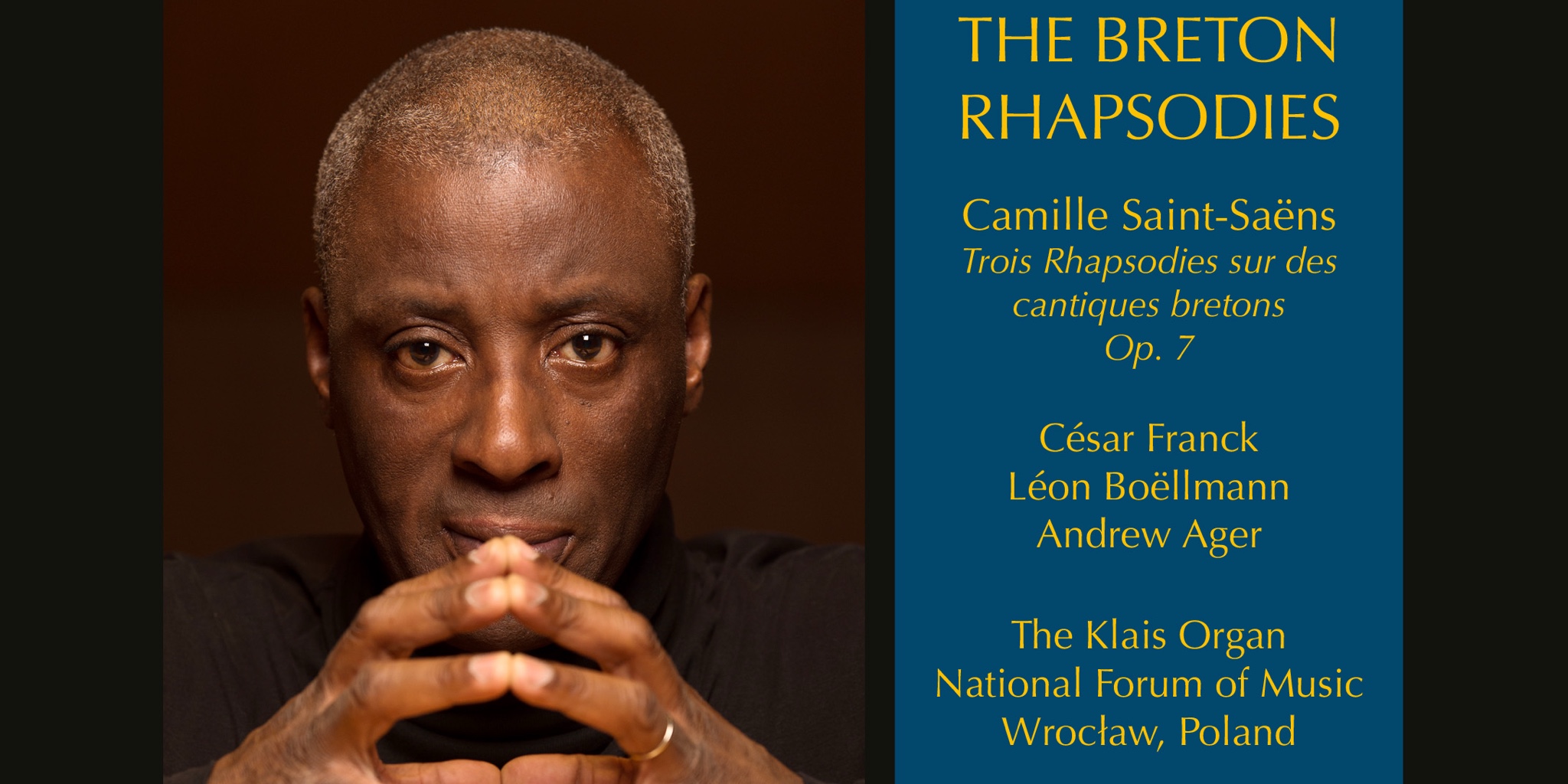
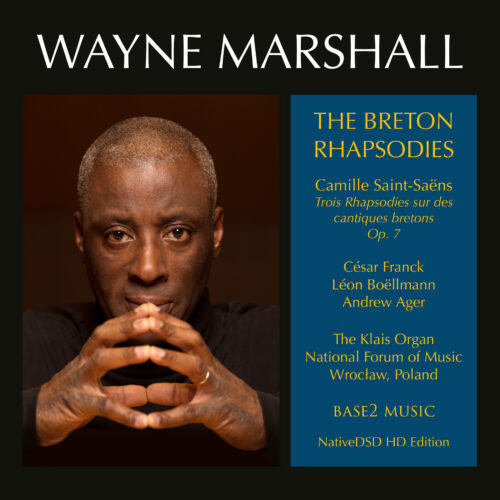
In the rarefied world of audiophile recording, the pursuit of perfection is often measured in nuances—the subtle decay of a reverberation, the visceral thrum of a sub-bass frequency, or the precise spatial imaging of an instrument. With the release of The Breton Rhapsodies, producer Jake Purches and the team at Base2 Music have set a new benchmark for organ recordings. Featuring the internationally acclaimed conductor, pianist, and organist Wayne Marshall, this album is the culmination of a four-year odyssey that blends logistical rigor, state-of-the-art engineering, and a deep reverence for the French organ tradition.
A Chronology of Artistic Ambition
The genesis of The Breton Rhapsodies can be traced back to 2022, a period defined by the global effort to return to cultural life following the pandemic. For Jake Purches, the project was never intended to be a simple "plug-and-play" recording session. It was a logistical challenge that required synchronization with the demanding, multi-continental schedule of Wayne Marshall.
"Four years in the making," notes Purches, "this remarkable recording reflects the challenges of working with an artist of Wayne Marshall’s caliber." Because Marshall’s professional obligations often spanned the European continent, production meetings and critical editing sessions were frequently conducted on the fly, in transit, or during brief respites from his concert tours.
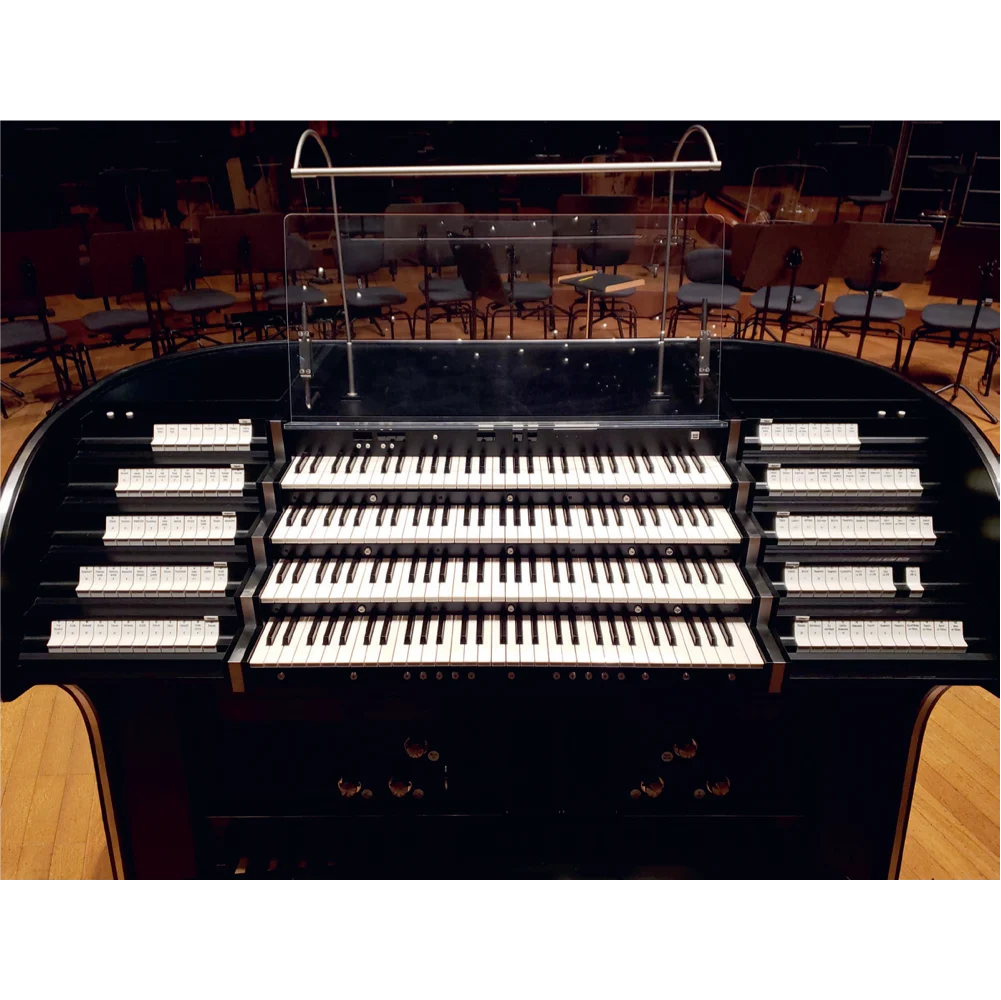
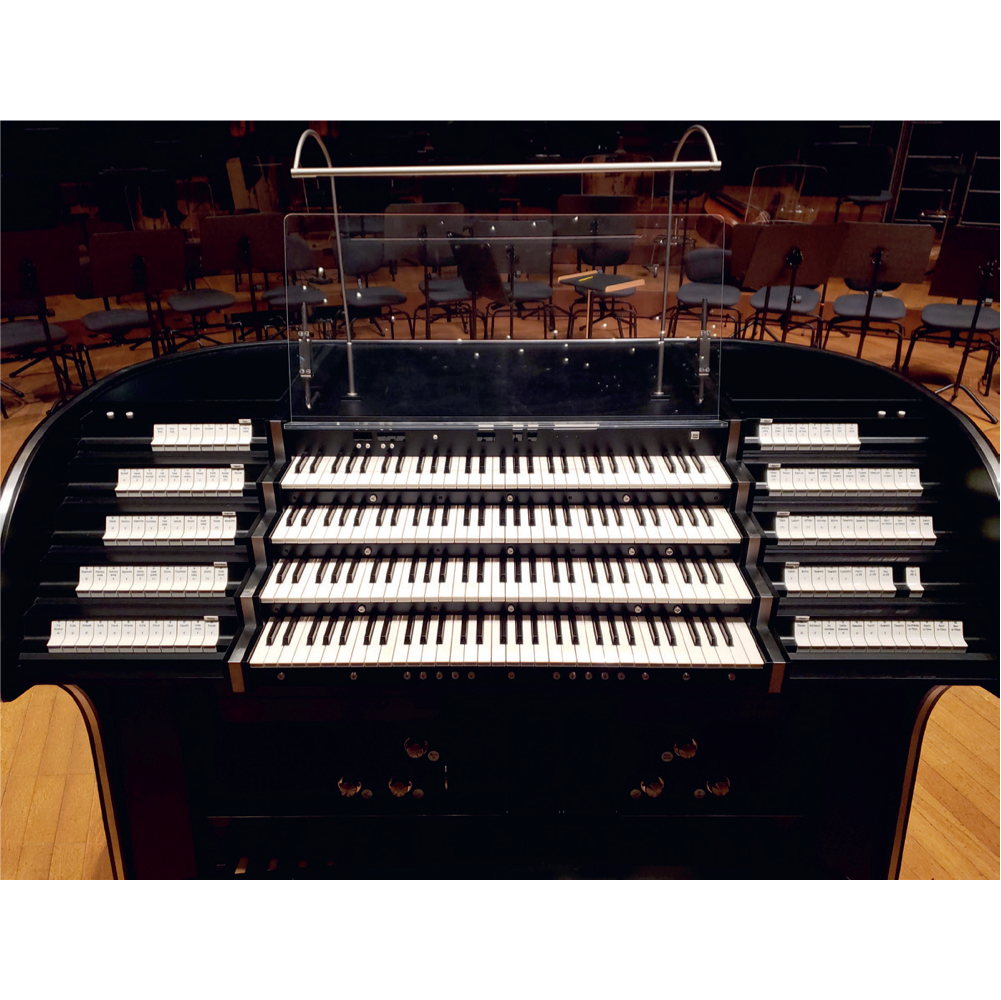
The recording sessions themselves took place in the heart of Poland, at the National Forum of Music (NFM) in Wrocław. The timing was deliberate, chosen to follow one of Marshall’s major recitals at the venue. This provided the team with the rare opportunity to utilize a world-class concert hall when the instrument was already "warmed up" and the artist was in peak performance form. However, the choice of venue introduced its own set of complications. The NFM’s massive Klais organ—a masterpiece of modern organ building—was only two years old at the time of the recording. Like a living organism, the instrument was still acclimating to the acoustic environment of the hall, requiring the production team to remain in a state of constant, meticulous vigilance regarding the organ’s tuning throughout the two-night recording window.
Engineering the Sublime: Technical Specifications
The technical achievement of The Breton Rhapsodies lies in its commitment to "transparent capture." To translate the immense scale of the Klais organ into a digital format, the team utilized a high-fidelity signal chain designed to preserve the absolute limits of human hearing—and beyond.
The Capture Chain
The primary microphones employed were the Sennheiser MKH 8020s. These microphones are widely regarded by acoustic engineers for their exceptional frequency response, which extends from a near-infrasonic 10 Hz to a staggering 100 kHz. This extended range was essential for capturing the "breath" and the structural integrity of the organ’s lower registers.
The recording was captured at an ultra-high resolution of 354.8 kHz/24-bit using the NFM’s internal Merging Technologies system. This resolution ensures that the transient response—the speed at which the sound hits the microphone—is captured with microscopic precision.
Spatial Immersion
To create the 5.1 surround experience that defines this release, the engineering team employed a sophisticated array:
- Close-miking: A combination of omni and cardioid captures were placed directly at the organ to secure the direct, intimate sound of the pipes.
- Ambient Support: DPA 4006A flank microphones were used to capture the natural reflections of the NFM’s auditorium.
- Surround Depth: Rear-facing cardioids were positioned to pull the listener into the center of the acoustic space, effectively erasing the "fourth wall" between the recording and the audience.
The Physicality of the Performance: The 16 Hz Experience
One of the most significant aspects of this production is its handling of low-frequency information. Many digital recordings inadvertently "roll off" the lowest octaves, stripping the organ of its physical presence. Base2 Music, however, maintained a dedicated subwoofer channel and preserved full-range information across every channel.
This decision allows listeners with high-end, full-range playback systems to experience the true majesty of the instrument’s 32-foot wooden pipes. When the pedalboard strikes the lowest notes, the recording delivers fundamentals descending to 16 Hz—a frequency that is felt in the chest as much as it is heard by the ears. This level of fidelity ensures that the grandeur of the space is not just suggested; it is physically reconstructed in the listener’s room.
The Repertoire: A Journey Through French Romanticism
While the engineering prowess is evident, the soul of the album resides in the programming. The centerpiece, Camille Saint-Saëns’ Trois Rhapsodies sur des Cantiques Bretons, Op. 7, provides the narrative spine of the album. Inspired by traditional Breton melodies, these works are noted for their vivid color, complex character, and atmospheric shifts—qualities that Marshall draws out with his characteristic intensity.
The program is further bolstered by works from:

- César Franck: Providing the foundational weight of the French organ school.
- Léon Boëllmann: Adding a layer of structural elegance.
- Andrew Ager: A contemporary Canadian composer whose inclusion offers a bridge between the traditional 19th-century French aesthetic and modern sensibilities.
Official Perspectives: The Producer’s Philosophy
In his commentary, Jake Purches emphasizes that this album is a direct rebuttal to the trend of over-compressed, "bright" digital audio. "As with all Base2 Music productions," Purches states, "special attention was given to preserving the organ’s full dynamic and frequency range."
The philosophy behind the project was to document a performance, not to create a processed facsimile of one. By recording immediately following a recital, the team ensured that the performance was fueled by the spontaneity of live music-making rather than the sterile, repetitive nature of studio-only sessions. The resulting audio is an artifact of a moment in time, where the Klais organ, the acoustics of the Wrocław hall, and Wayne Marshall’s interpretive vision converged.
Implications for the Audiophile Community
The release of The Breton Rhapsodies has significant implications for the future of high-resolution classical music. As streaming services begin to push the boundaries of lossless and hi-res audio, albums like this serve as a "stress test" for home audio systems.
Setting a New Standard
By utilizing a 354.8 kHz sampling rate, Base2 Music is effectively future-proofing the performance. As digital-to-analog converter (DAC) technology continues to improve, the latent detail in these master files will become increasingly accessible to the average listener.
The Revival of Immersive Classical
The shift toward 5.1 and multi-channel audio in the classical sphere has often been criticized for gimmickry. The Breton Rhapsodies avoids this trap by using the surround channels strictly for acoustic reinforcement—capturing the hall’s natural decay rather than artificially placing instruments behind the listener. This approach sets a gold standard for how to represent massive acoustic instruments in a domestic setting.
Final Thoughts: A Testament to Persistence
The Breton Rhapsodies is more than a collection of music; it is a document of human endurance. Over four years, the project weathered the complexities of international logistics, the technical fragility of a new concert organ, and the sheer challenge of capturing a 16 Hz fundamental frequency without distortion.
For the listener, the result is an invitation to inhabit one of Europe’s finest acoustic spaces. It is a rare marriage of technical obsession and artistic brilliance—a testament to what happens when producers and performers refuse to compromise on the fidelity of the musical experience. Whether through the lens of the audiophile seeking the ultimate test for their system or the classical enthusiast yearning for the authentic, visceral power of the pipe organ, The Breton Rhapsodies stands as a monumental achievement in modern recording.