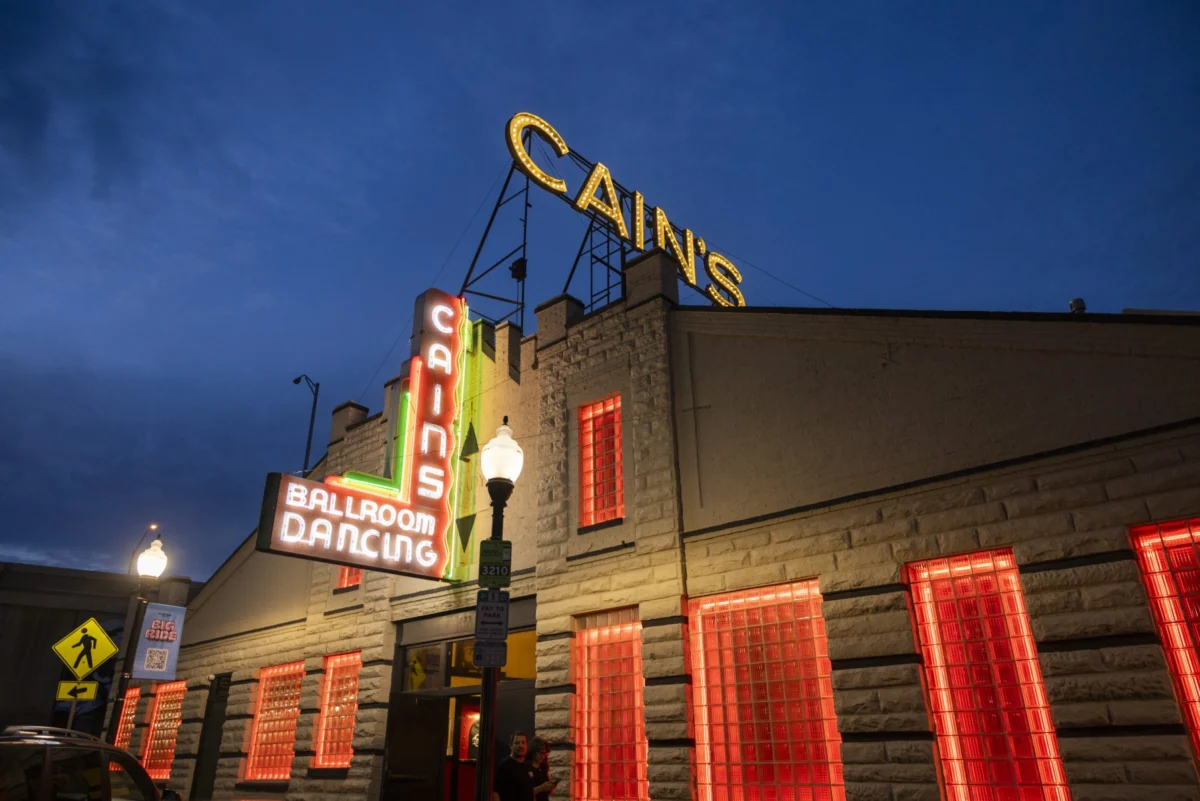
In the heart of Tulsa, Oklahoma, stands a building that breathes with the ghosts of Western swing, the grit of punk rock, and the thunderous applause of modern superstardom. Cain’s Ballroom, a 1924 structure that has weathered the collapse of economies and the shifting tides of musical trends, remains one of America’s most revered independent music venues. For the Rodgers family, the current stewards of this legendary space, the ballroom is more than just a place of business—it is a sacred repository of American cultural history.
Main Facts: A Landmark Built on Ten-Cent Dreams
The story of Cain’s begins with Madison Cain, who opened the space in the 1930s as "Cain’s Dance Academy." During the height of Tulsa’s oil and gas boom, the venue served as a sanctuary for laborers looking to blow off steam. The name "dime-a-dance" originated here; men could purchase 10-cent tickets to take dance lessons or enjoy a partner dance, with the revenue split between the house, the instructors—led by the storied Howard Turner—and the dance partners.
Today, those humble beginnings are immortalized in the venue’s DNA. Ticket stubs from the 1930s were among the first treasures the Rodgers family discovered when they purchased the property. The building remains a time capsule, featuring a signature "spring-loaded" dance floor—originally rumored to be supported by truck springs—that continues to provide a unique, rhythmic bounce to every performance.

Chronology: From Western Swing to Punk Rock Rebellion
The Golden Era (1930s–1950s)
Cain’s Ballroom became a cultural beacon when Bob Wills and his brother, Johnny Lee Wills, made the venue the epicenter of Western swing. The ballroom hosted live radio broadcasts that vaulted the genre into the national consciousness. To this day, a banner hanging above the stage proclaims it "The Home of Bob Wills," a nod to the era when the venue was a mandatory stop for legends like Gene Autry and Western disc jockey pioneer Pat Breene.
The Lean Years and the Shaeffer Revolution (1960s–1990s)
By the 1960s, the ballroom’s popularity had waned, leaving the building to face an uncertain future. Its salvation came in 1976 via promoter Larry Shaeffer. Shaeffer’s tenure was characterized by a chaotic, "take-all-comers" booking philosophy that inadvertently cemented the venue’s place in rock history. He brought in acts ranging from Van Halen and Metallica to U2 and Elvis Costello.
Perhaps the most infamous moment in this era occurred on January 11, 1978, when the Sex Pistols graced the stage. Following a volatile performance, Sid Vicious punched a hole in the wall. That piece of drywall, framed and displayed in the venue’s office, serves as a pilgrimage site for rock royalty—even Bono has been spotted paying his respects to the damage.

The Rodgers Era: Restoration and Rebirth (2002–Present)
By 1999, the venue had fallen into disrepair again, eventually landing in the hands of James and Alice Rodgers in 2002. Their sons, Chad and Hunter Rodgers, took the helm with a vision to preserve the building’s soul while dragging its infrastructure into the 21st century.
Supporting Data: The Architecture of Authenticity
The renovation process was a delicate balance between modernization and historical preservation. The Rodgers family inherited a building that lacked central heating, air conditioning, and a fire sprinkler system, and was plagued by a leaking roof.
"There were buckets collecting water coming through the roof," recalls Chad Rodgers. "Most people couldn’t have seen through what, luckily, our father and mother saw."

The restoration, completed in 2003, involved removing drop-down ceilings to reveal original architectural features, installing a mezzanine, and, crucially, addressing the floor. The "spring-loaded" floor, which had become so unstable over decades that it was a safety hazard, was replaced with a modern version that utilizes neoprene pads to replicate the original’s famous flex.
The financial risk was significant. The family had to navigate a landscape where they were initially viewed as outsiders. They faced skepticism from agents and had to mend bridges burned by previous management—notably with Willie Nelson, who required a share of bar sales to return. By meticulously reviewing decades-old ledger books and offer sheets left behind by previous owners, the Rodgers family learned the industry from the ground up, transitioning from "easy targets" to industry-respected venue operators.
Official Responses: The Custodians’ Perspective
For Chad and Hunter, the weight of the venue’s history is a constant presence. They have resisted the urge to modernize the ballroom into a sterile, corporate space. Instead, they keep the sepia-toned portraits of figures like O.W. Mayo and Spade Cooley on the walls, ensuring that every artist who takes the stage feels the gaze of the legends who preceded them.

"A lot of the artists on stage will say it’s so cool to look out there and see all these famous people," says Chad. This sentiment is shared by artists of all generations. Jack White, who has performed at the venue multiple times, famously declared, "This is my favorite place to play in the world."
The venue has since hosted a diverse spectrum of acts, from Chappell Roan and Jason Isbell to Snoop Dogg and The Strokes. In 2021, Green Day played a surprise show, and in 2025, U2 returned for an intimate acoustic set—a full-circle moment for the band, which had last performed there in the early 80s when they were barely of legal drinking age.
Implications: The Future of Independent Venues
The success of Cain’s Ballroom serves as a masterclass in venue management and community engagement. By acting as custodians rather than mere proprietors, the Rodgers family has proven that independent venues can survive in an era dominated by large-scale arenas and streaming giants.

Their strategy is built on three pillars:
- Cultural Continuity: Maintaining the physical and aesthetic markers of the past (the floor, the portraits, the stage banner).
- Strategic Evolution: Investing in the comfort of both the artist and the audience (acoustics, HVAC, modern concessions) without sacrificing the "dive bar" charm.
- Community Integration: Partnering with local cultural institutions like the Woody Guthrie Center and the Bob Dylan Center to create once-in-a-lifetime events.
The ballroom’s relevance is further bolstered by its willingness to adapt. Whether it is hosting a surprise stadium-act warm-up or a specialized vinyl release from The Raconteurs, the venue remains a living, breathing entity.
"We like the challenge of trying to stay relevant," says Chad. In a world where music history is often demolished to make way for parking lots, Cain’s Ballroom remains a defiant, rhythmic, and incredibly resilient exception. As the century mark passes, the venue is not just a relic of the past; it is a vital organ in the body of American music, proof that if you keep the floor bouncing, the legends—and the fans—will always come back.
Quick Facts: The Cain’s Legacy
- Original Purpose: Dance Academy and ballroom for oil-boom workers.
- Signature Feature: The legendary "spring-loaded" floor, now reinforced with neoprene.
- Historic Infamy: The Sid Vicious hole in the wall (1978).
- Key Artists: Bob Wills, U2, The Sex Pistols, Van Halen, Metallica, Jack White, and Chappell Roan.
- The "Rodgers" Philosophy: "We don’t replace history; we preserve it while keeping the business relevant."