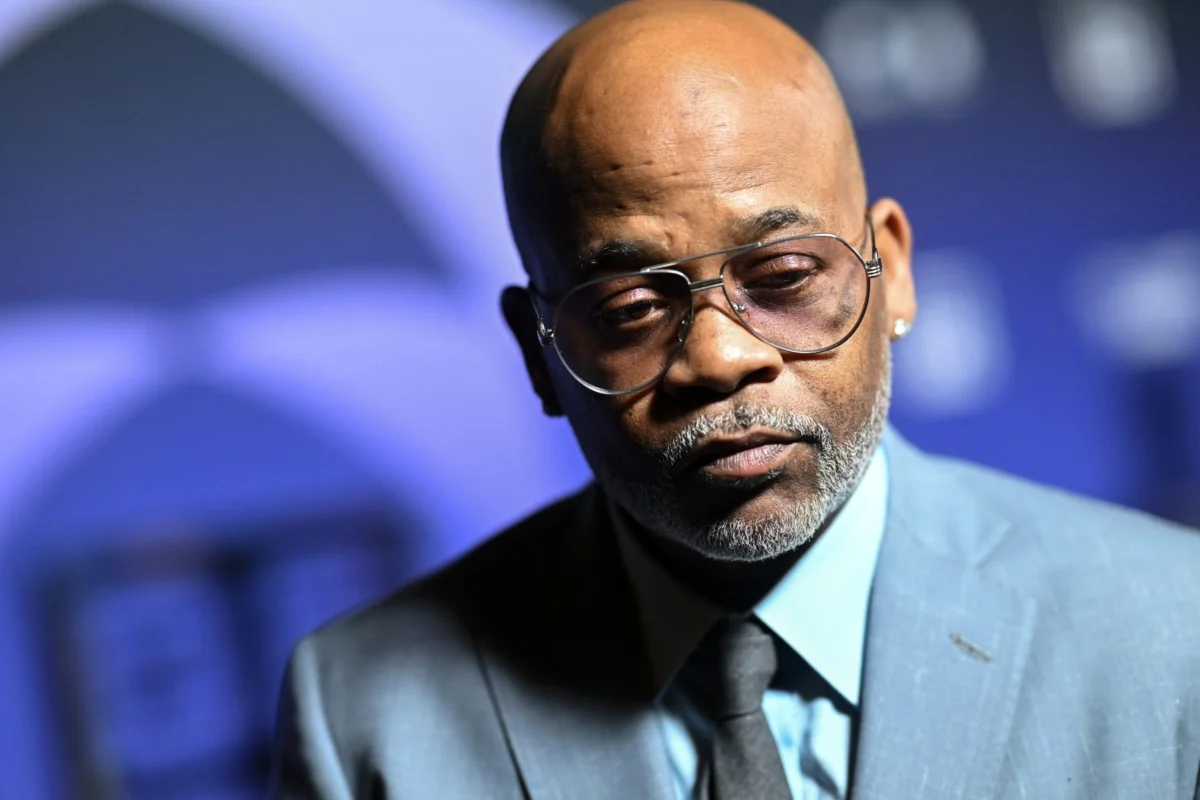
The Chicago hip-hop landscape was shaken this week as legendary rapper Twista, born Carl Mitchell, entered a formal guilty plea in federal court. The 52-year-old artist, known globally for his lightning-fast delivery and seminal contributions to the Midwest rap scene, has admitted to willfully failing to pay federal income taxes over a five-year period. As the legal system moves toward a sentencing date in late October, the case serves as a stark reminder of the complexities surrounding celebrity financial management and the stringent reach of the Internal Revenue Service (IRS).
The Core Charges: A Pattern of Non-Compliance
On Wednesday, June 24, Mitchell appeared before a federal judge in Chicago to answer for five counts of willful failure to pay taxes. The charges specifically pertain to the tax years spanning 2019 through 2023. According to federal court documents reviewed by Billboard, the rapper’s total tax liability—compounded by years of arrears—has reached a staggering figure, with the government alleging that he owes more than $440,000 in unpaid taxes.
Each of the five counts carries a potential maximum sentence of one year in federal prison, alongside a mandatory fine of up to $25,000 per count. While the legal proceedings are ongoing, the admission of guilt marks the end of a long-standing dispute between the artist and federal tax authorities. The court has scheduled Mitchell’s formal sentencing for October 22, at which point a judge will determine the extent of his incarceration and the restitution required.
Chronology of Financial Delinquency
The legal documents presented in court paint a picture of a long-term struggle with tax obligations that predates the current five-year indictment. While the federal charges focus on the period between 2019 and 2023, prosecutors have established a comprehensive timeline of delinquency reaching back as far as 2011.
A Breakdown of Recent Liabilities
The IRS filing details the specific annual tax deficiencies that led to the current charges:
- 2019: $18,891.25
- 2020: $5,715.83
- 2021: $32,571.71
- 2022: $71,703.00
- 2023: $49,102.73
The Historical Context
Beyond the recent charges, the court record highlights a persistent pattern of failure to fulfill tax obligations. Liabilities stretching back over a decade include significant unpaid balances from 2011 ($5,101.98), 2012 ($9,619.26), 2014 ($40,263.33), 2015 ($25,574.22), 2016 ($95,568.57), 2017 ($17,241.44), and 2018 ($69,706.59). When combined with penalties and interest, these figures represent a substantial financial burden that has accumulated over the latter half of the rapper’s career.

Allegations of Evasion and Asset Mismanagement
The government’s case against Mitchell is not merely one of simple negligence. Federal prosecutors have alleged that the rapper actively took steps to insulate his income from IRS scrutiny. A key component of the prosecution’s argument centers on the artist’s use of third-party entities to receive royalty advances.
According to the IRS, Mitchell entered into agreements with third-party companies specifically to secure advances on his future royalties. The government alleges that this was done with the express knowledge that the IRS would be unable to easily levy or garnish these specific funds. Records indicate that Mitchell received payments totaling approximately $578,322 through these channels during the period in question.
Perhaps most damaging to the defense is the assertion that, while failing to settle his tax debts, the rapper continued to engage in significant luxury spending. Prosecutors highlighted a list of high-value asset purchases that were made while the tax liabilities remained unpaid:
- 2015 BMW I8: Valued at approximately $81,893.81.
- 2016 Tesla Model X: Valued at approximately $65,099.00.
- 2022 Chevrolet Corvette: Valued at approximately $100,354.03.
- 2025 Jeep Gladiator: Valued at approximately $64,400.75.
These purchases have been cited by the prosecution to illustrate a pattern of willful disregard for tax obligations, arguing that the defendant prioritized personal luxuries over his statutory duty to contribute to the federal treasury.
Legacy of a Chicago Pioneer
The legal troubles facing Mitchell contrast sharply with his stature in the music industry. Hailing from the K-Town neighborhood of Chicago, Twista was instrumental in putting the city on the national hip-hop map long before the modern era of drill music. He rose to prominence in the late 1990s and early 2000s, distinguished by a rapid-fire, percussive rapping style that earned him a Guinness World Record in 1992 as the world’s fastest rapper.
His 2004 album, Kamikaze, was a critical and commercial watershed, debuting at No. 1 on the Billboard 200 chart. Throughout his career, he has achieved significant chart success, including three top 10 hits on the Billboard Hot 100:

- "Slow Jamz" (with Ye and Jamie Foxx): A chart-topping cultural phenomenon.
- "Overnight Celebrity": A staple of 2000s hip-hop that peaked at No. 6.
- "Let’s Go" (with Trick Daddy): A high-energy anthem that reached No. 7.
His influence on the genre remains profound, with many contemporary rappers citing his breath control and technical precision as a blueprint for their own development.
Official Responses and Legal Outlook
As of the date of this report, legal representatives for Twista have not issued a formal public statement regarding the plea or the specific allegations of asset mismanagement. Billboard has reached out to his defense team for comment, but no response has been provided at this time.
The legal process now moves to the sentencing phase. In federal tax cases, judges typically weigh the defendant’s cooperation, their prior criminal history, and the efforts made toward restitution before handing down a sentence. While the maximum exposure is five years, legal experts note that sentencing guidelines often allow for a range of outcomes. The sentencing hearing on October 22 will be a critical juncture, as it will determine whether Mitchell will serve time in a federal facility or if the court will explore alternative sentencing options such as home confinement or intensive probation coupled with a rigorous restitution plan.
Implications for the Entertainment Industry
The case of Twista is a sobering reminder of the financial pitfalls that can plague even the most successful entertainers. In the music industry, where income is often volatile, inconsistent, and managed through a complex web of royalties, advances, and independent business entities, tax compliance requires diligent oversight.
Financial advisors and entertainment attorneys often warn that the "feast or famine" nature of the music business can lead to severe tax consequences if proper planning is neglected. The use of royalty advances—a common practice for artists seeking immediate liquidity—can often create "tax traps" if the income is not correctly reported and set aside for federal obligations.
This case is expected to be closely watched by industry insiders as a cautionary tale. It underscores the IRS’s increased focus on high-earning individuals in the entertainment sector, particularly regarding the use of "shell" structures or third-party arrangements that appear designed to obscure income. As the sentencing date approaches, the focus remains on the intersection of artistic legacy and the inescapable obligations of federal citizenship. For Twista, the final chapter of this legal saga will not only define his immediate future but also serve as a stark end to a period of financial turmoil that has cast a shadow over his illustrious career.