While the living room television remains the traditional gold standard for experiencing major sporting events, modern lifestyles demand flexible alternatives. Commuting, working, traveling, or simply seeking a quiet moment of privacy have shifted a significant portion of sports consumption to mobile screens.
To deliver an immersive experience during fast-paced events like the World Cup, a smartphone must possess more than raw processing power. It requires a display capable of handling high-motion rendering, maintaining exceptional brightness under direct sunlight, and offering precise spatial separation to distinguish players from the background.
This comprehensive report evaluates the premier smartphones for mobile sports viewing across various budget tiers, analyzing their technological capabilities, market positioning, and the engineering behind their displays.
Main Facts: The Elite Tier of Mobile Displays
Selecting the ideal device for live sports streaming requires balancing panel technology, battery efficiency, and cost. Below are the primary findings regarding the market’s leading options:
- The Premium Android Leader: The Samsung Galaxy S25 Ultra remains a premier choice for sports enthusiasts. Despite the introduction of the S26 Ultra, the S25 Ultra offers nearly identical display performance at a significantly reduced market price, making it an exceptional high-value acquisition.
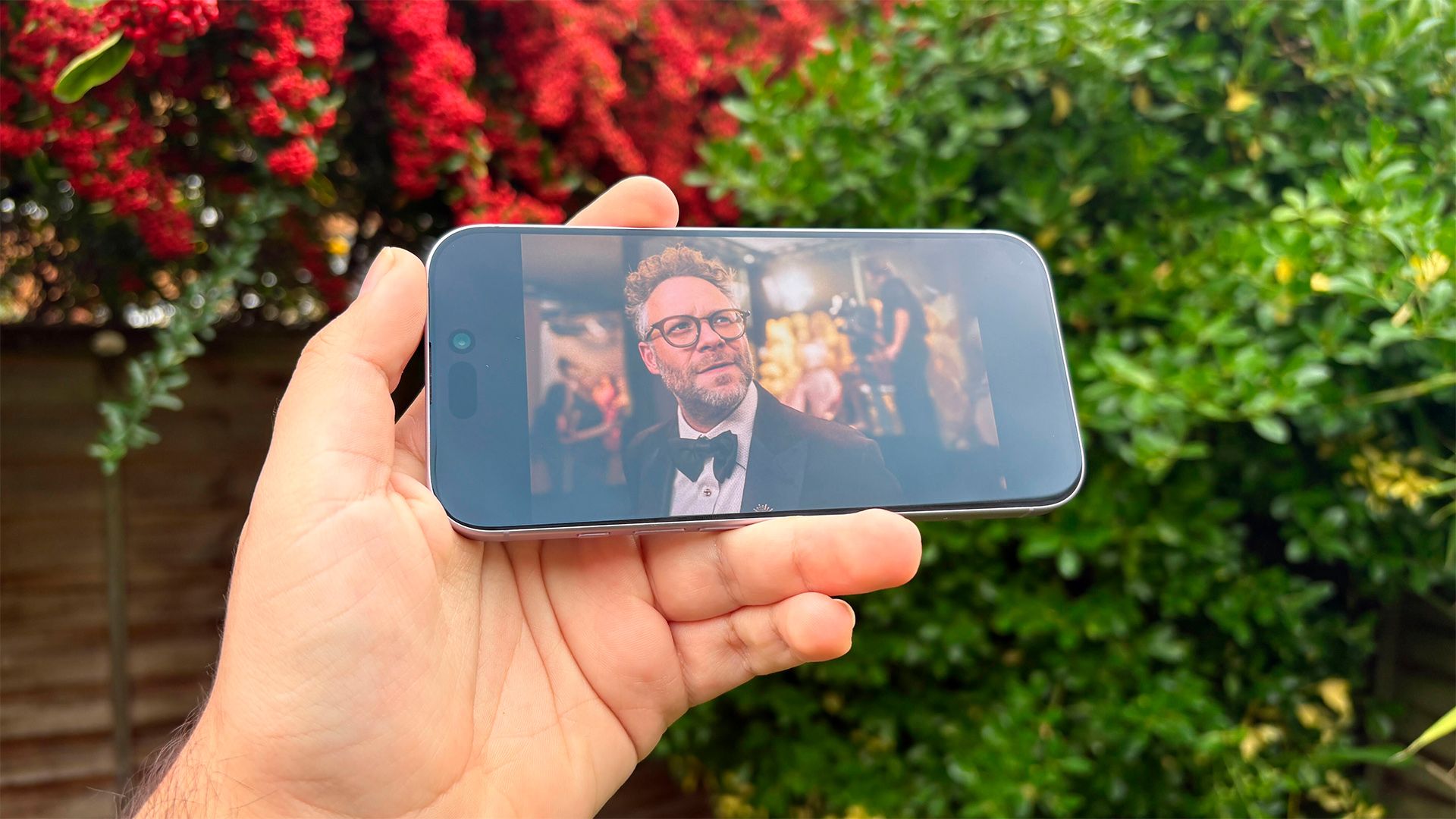
- The High-Brightness Standard: The Apple iPhone 17 leads in outdoor legibility and motion smoothness. Its Super Retina XDR display peaks at an impressive 3,000 nits of brightness and utilizes an adaptive 1Hz to 120Hz refresh rate to preserve battery life during long broadcasts.
- The Balanced Mid-Ranger: The Apple iPhone 16e offers a highly competitive entry point into the iOS ecosystem. Featuring a sharp, high-contrast 6.1-inch OLED screen, it delivers premium visual clarity without the premium price tag of the standard iPhone 17 or the newer 17e.
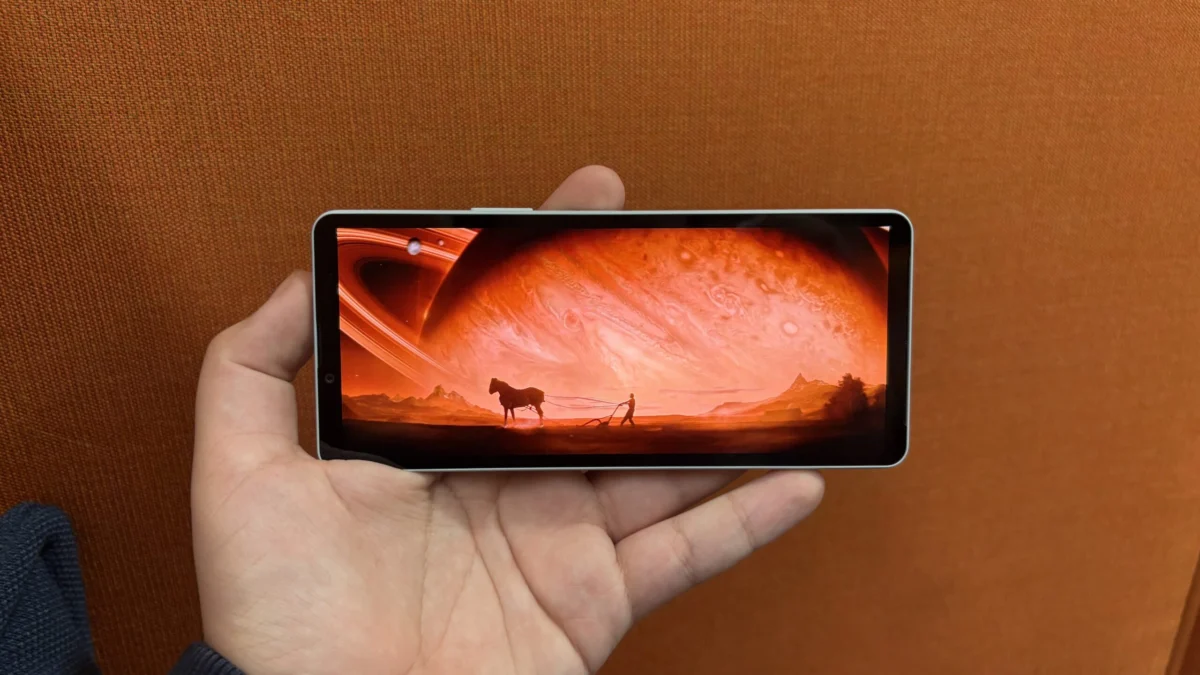
- The Budget Specialist: The Sony Xperia 10 VI prioritizes display engineering over premium chassis materials and advanced camera arrays. By focusing resources on color accuracy and image processing, Sony offers a highly naturalistic viewing experience at an accessible price point.
Chronology of Mobile Display Technology in Sports Broadcasting
To understand why these modern devices perform so well, it is necessary to examine the rapid evolution of mobile display engineering over the last decade and a half:
[2010–2015: LCD Dominance] ──> [2016–2019: Early OLED & HDR] ──> [2020–2023: LTPO & High Refresh Rates] ──> [2024–Present: Ultra-Brightness & AI Optimization]
  - 60Hz fixed refresh            - Deep blacks introduced        - Variable refresh (1-120Hz)              - Peak brightness past 3,000 nits
  - Poor outdoor visibility       - High dynamic range            - Reduced motion blur                     - Real-time upscaling & spatial separation
- High motion blur - High battery consumption - Improved power efficiency - Advanced anti-reflective coatings- 2010–2015: The LCD Era and Motion Blur. Early mobile sports streaming was hindered by Liquid Crystal Displays (LCDs) limited to 60Hz. Slow pixel response times caused noticeable ghosting and motion blur during fast passes and long-range camera pans. Outdoor viewing was also severely restricted by low backlight brightness.
- 2016–2019: OLED Adoption and HDR Integration. The widespread adoption of Organic Light-Emitting Diode (OLED) technology revolutionized contrast ratios. Individual self-lit pixels allowed for true blacks and brilliant highlights. The introduction of Mobile HDR standards (HDR10 and Dolby Vision) brought stadium lighting and vibrant team kits to life.
- 2020–2023: Variable Refresh Rates (LTPO) and Motion Smoothness. Low-Temperature Polycrystalline Oxide (LTPO) backplanes allowed displays to dynamically scale their refresh rates. For sports, this meant ramping up to 120Hz to eliminate motion judder during rapid play, and dropping down during static studio analysis to conserve battery.
- 2024–Present: The Brightness and Clarity Wars. Modern panels now regularly exceed 2,000 to 3,000 nits of peak brightness, enabling clear viewing even under direct midday sun. Advanced anti-reflective coatings and AI-assisted spatial separation algorithms ensure that players stand out sharply against crowds and advertising boards.
Supporting Data: Technical Evaluations of the Top Contenders
To determine which device best suits your viewing habits, we analyze the display specifications, battery performance, and value propositions of the leading smartphones.
| Device | Display Size & Type | Peak Brightness | Refresh Rate | Key Sport-Viewing Advantage |
|---|---|---|---|---|
| Samsung Galaxy S25 Ultra | 6.9-inch Dynamic AMOLED 2X | ~2,600 nits | 1–120Hz (LTPO) | Outstanding 3D depth, player-to-background separation, large screen real estate |
| Apple iPhone 17 | 6.3-inch Super Retina XDR | 3,000 nits | 1–120Hz (ProMotion) | Extreme outdoor legibility, seamless motion tracking, robust battery preservation |
| Apple iPhone 16e | 6.1-inch Super Retina OLED | ~2,000 nits | 60Hz | Deep contrast ratios, crisp detail definition, highly affordable iOS option |
| Sony Xperia 10 VI | 6.1-inch OLED (21:9 ratio) | ~1,000 nits | 60Hz | Naturalistic color tuning, excellent hand-held ergonomics, highly budget-friendly |
Samsung Galaxy S25 Ultra: The Large-Screen Cinematic Powerhouse
The Samsung Galaxy S25 Ultra remains a top-tier choice for media consumption. With the release of the S26 Ultra, consumers can now purchase the S25 Ultra at a notable discount, making its advanced display technology far more accessible.
+--------------------------------------------------------+
|               Samsung Galaxy S25 Ultra                 |
+--------------------------------------------------------+
| [============= 6.9" Dynamic AMOLED 2X =============]   |
|                                                        |
|  * Spatial Separation: Outstanding 3D depth effect     |
|  * Anti-Reflective: Gorilla Glass Armor reduces glare  |
|  * Viewing Tip: Avoid "Vivid Mode" to maintain         |
|    natural pitch green and realistic jersey colors     |
+--------------------------------------------------------+
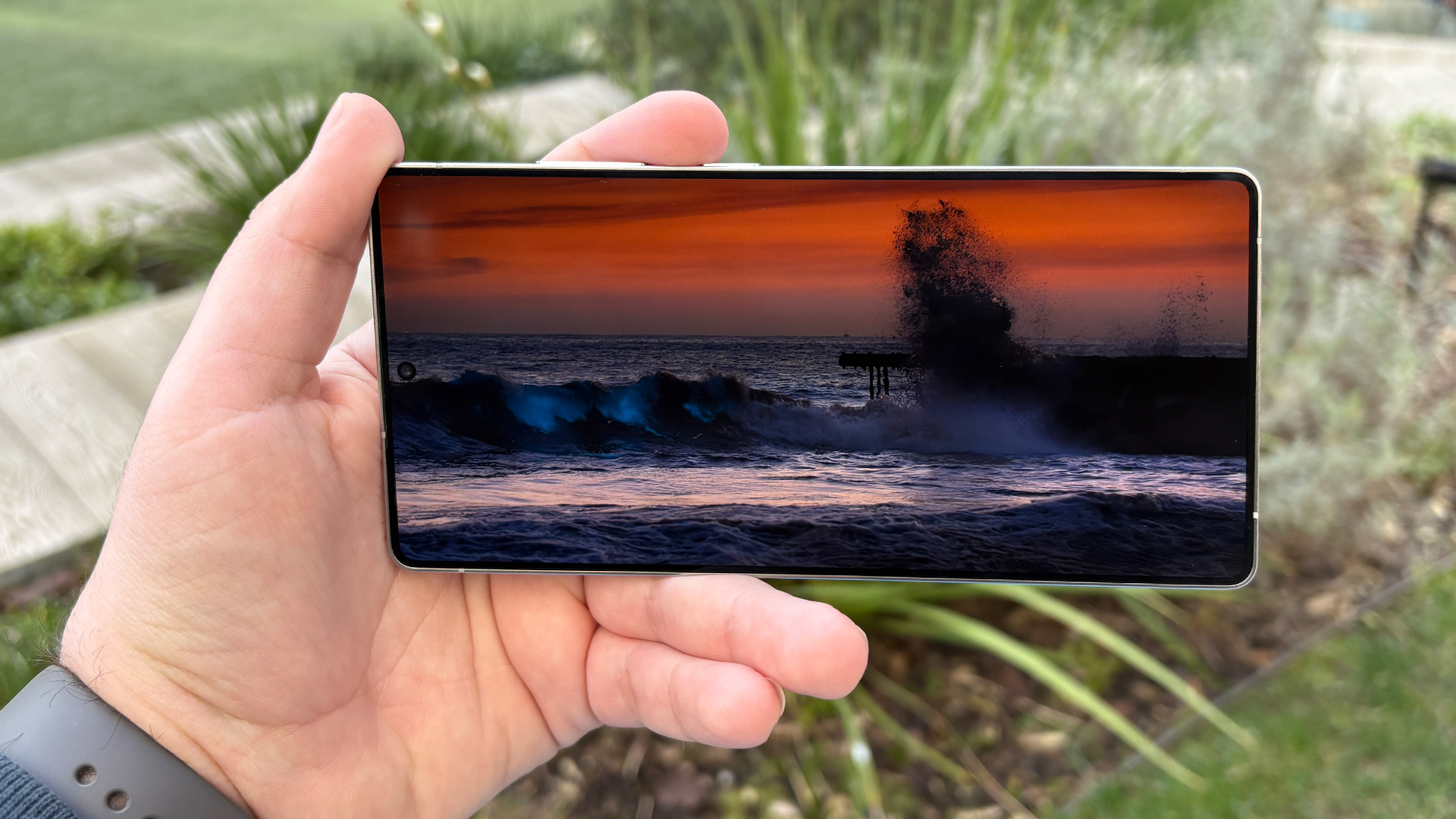
The device features a massive 6.9-inch Dynamic AMOLED 2X display that excels at rendering depth. In-depth testing highlights its ability to separate foreground subjects from busy backgrounds. When watching football, this translates to clear delineation between active players, the referee, and the spectating crowd.
Furthermore, the glass panel features advanced anti-reflective properties that minimize distracting glare in brightly lit environments. To get the most out of this screen, users should avoid the default "Vivid" color mode; while it increases immediate visual pop, it oversaturates natural tones, distorting the green of the pitch and the realism of team kits. Opting for a natural color profile yields a far more faithful broadcast presentation.
Apple iPhone 17: The Premium, High-Brightness All-Rounder
For users within the iOS ecosystem, the Apple iPhone 17 represents a significant step forward in mobile display engineering. It strikes an ideal balance between screen real estate (6.3 inches) and handheld comfort.
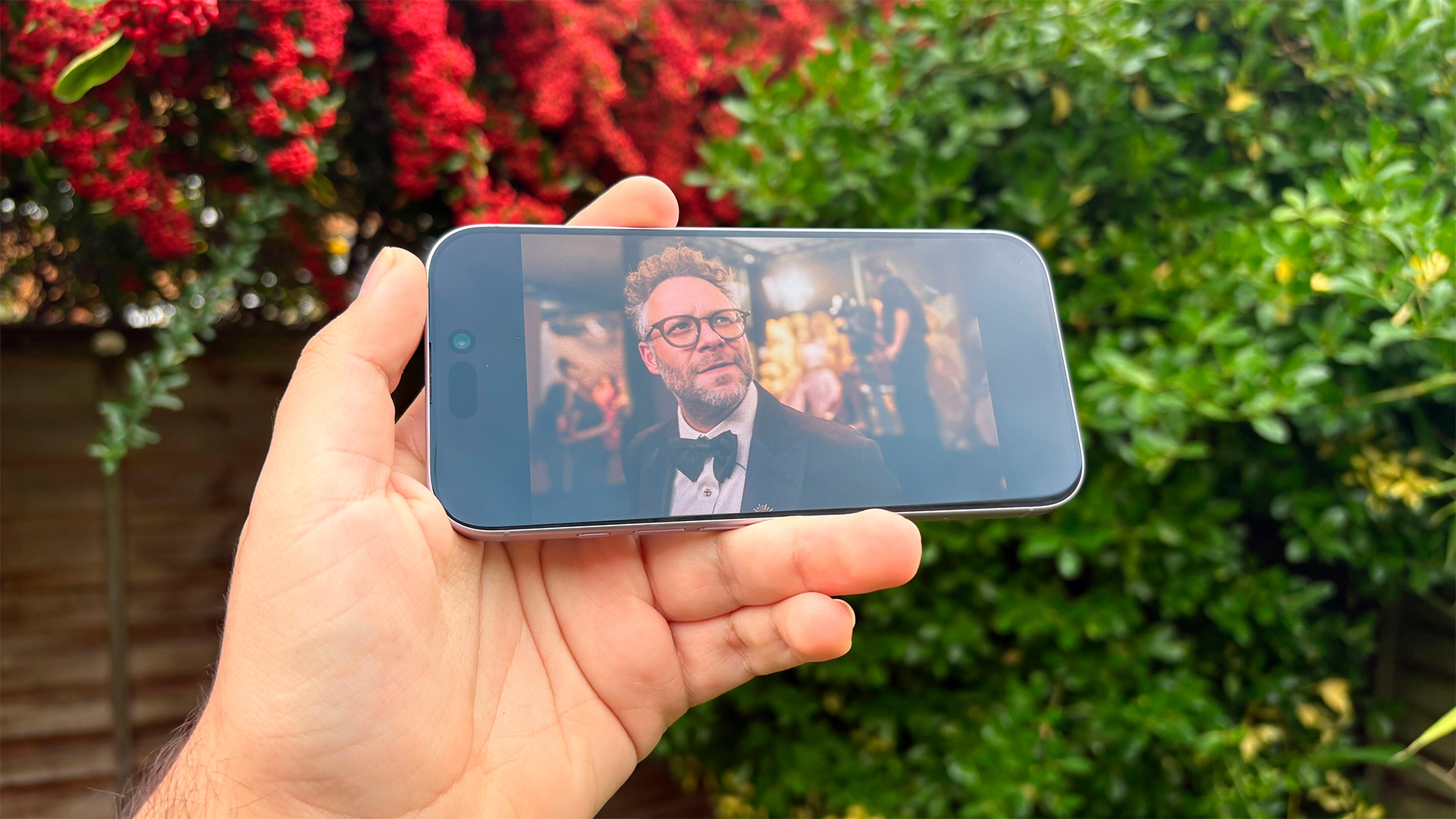
The standout feature of the iPhone 17 is its 3,000-nits peak brightness. This allows the screen to overpower harsh overhead lighting or direct sunlight, making it highly reliable for outdoor viewing.
The screen uses Apple’s ProMotion technology, dynamically adjusting its refresh rate from 1Hz up to 120Hz. During fast-paced play, the display locks at 120Hz to render rapid ball movements and player sprints without stuttering. When the broadcast cuts to static graphic overlays or halftime commentary, the refresh rate drops instantly, preserving battery life to ensure the phone lasts through extra time and penalty shootouts.
Apple iPhone 16e: The Mid-Range Contrast Champion
Not every user wants to spend premium prices for flagship hardware. The Apple iPhone 16e serves as a highly capable mid-range alternative, retaining the core visual benefits of Apple’s display engineering at a much lower price point.
+----------------------------------------------------+
|                 Apple iPhone 16e                   |
+----------------------------------------------------+
|  [=========== 6.1" Super Retina OLED ===========]  |
|                                                    |
|   - Cost-Effective: Significantly cheaper than     |
|     the standard iPhone 17                         |
|   - Visuals: Beautifully sharp contrast ratios     |
|   - Handling: Lightweight and easy to hold for     |
|     full 90-minute matches                         |
+----------------------------------------------------+
While its 6.1-inch display is smaller than its premium counterparts, it delivers impressive sharpness and contrast. The OLED panel ensures that dark scenes—such as stadium shadows or night matches—maintain deep, rich black levels without washed-out gray tones.
The iPhone 16e is also more affordable than the newer 17e and the standard iPhone 17, making it an excellent sweet spot for cost-conscious sports fans who refuse to compromise on basic visual quality.
Sony Xperia 10 VI: Budget-Friendly Visual Fidelity
Sony has long taken a distinct approach to mobile design, often prioritizing display tuning and audio quality over mainstream trends. The Xperia 10 VI is a prime example of this philosophy.
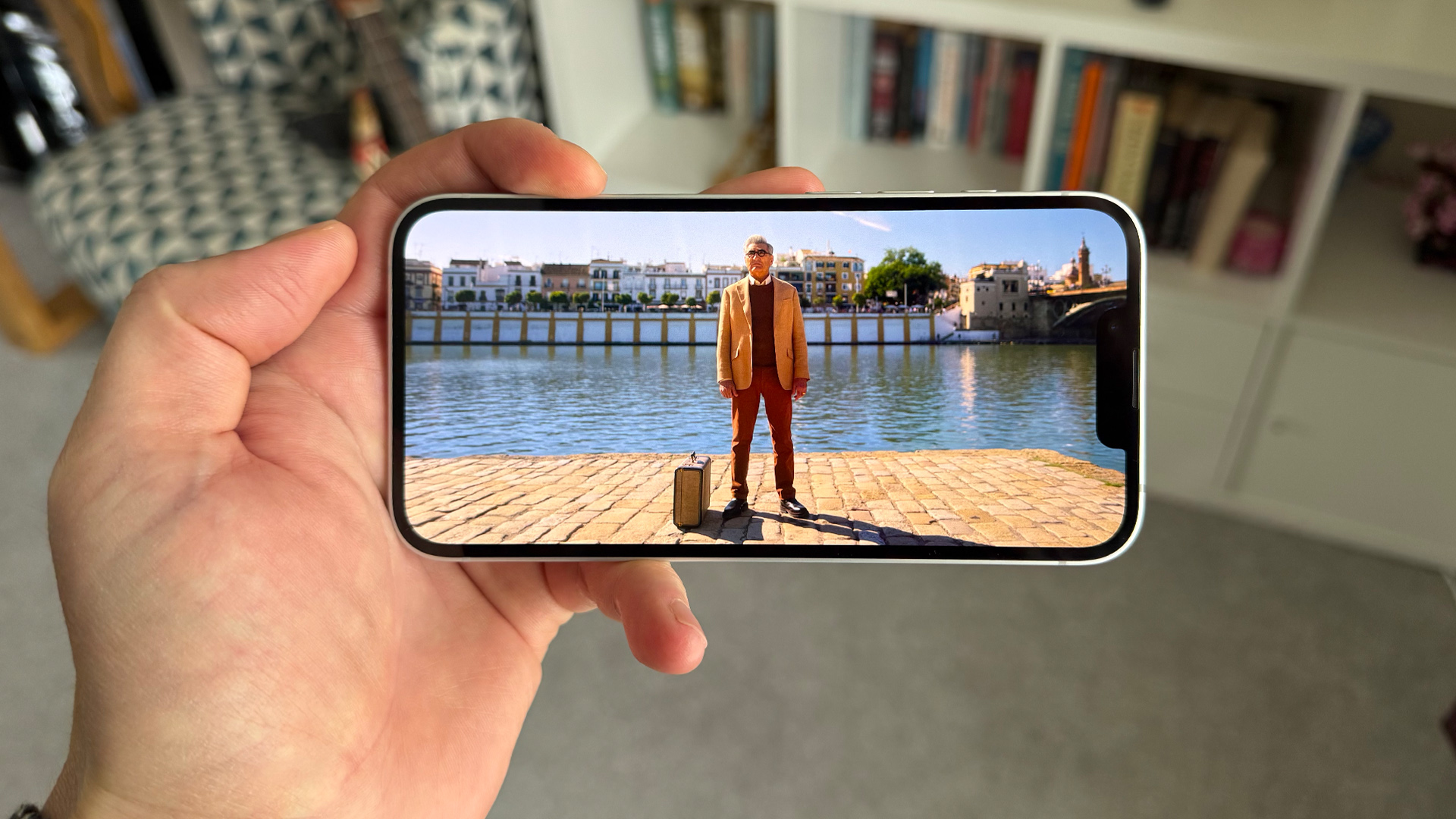
To meet a aggressive budget price point, Sony chose to use mid-range plastic chassis materials and a modest camera array. However, they did not compromise on the display’s color science. Drawing on technology from Sony’s Bravia television division, the Xperia 10 VI offers a highly naturalistic color palette.
Instead of the oversaturated, neon-tinged tones common in budget displays, this device renders colors with balanced accuracy. The pitch looks like real grass, skin tones are rendered faithfully, and fast-moving sequences remain clean and legible. For budget-conscious viewers who care primarily about picture quality, the Xperia 10 VI is a highly compelling choice.
Industry Perspective and Market Dynamics
The mobile display industry is shaped by intense competition among panel manufacturers, primarily Samsung Display, LG Display, and BOE. According to display market analysts, the push toward higher peak brightness and variable refresh rates is driven by changing consumer habits.
                     [Consumer Demand]
                             │
                             ▼
               [Increase in Mobile Streaming]
                             │
                             ▼
         ┌───────────────────┴───────────────────┐
         ▼                                       ▼
[Display Engineering]                  [Panel Manufacturer Competition]
  - Higher peak brightness (3000+ nits)  - Samsung Display (AMOLED)
  - Dynamic LTPO (1-120Hz)               - LG Display & BOE (OLED supply)
  - Advanced anti-reflective glass       - Push for lower production costs
Industry reports indicate that over 45% of sports fans aged 18 to 34 regularly watch live matches on their smartphones. This shift has forced manufacturers to prioritize outdoor visibility and battery optimization.
A senior panel engineer from Samsung Display recently noted:
"The challenge of modern mobile displays is no longer just pixel density; it is environmental adaptability. A screen must be as legible on a sunlit train platform as it is in a dark room, all while managing the heavy thermal load generated by 5G video streaming."
This engineering focus is evident in the inclusion of advanced anti-reflective glass, such as the Gorilla Glass Armor on the Samsung Galaxy S25 Ultra, and the ultra-high 3,000-nits peak brightness on the iPhone 17.
Implications for the Future of Portable Sports Streaming
The transition of sports viewing from televisions to mobile screens has broad implications for display engineering, telecom infrastructure, and broadcast production:
- Bandwidth and Codec Optimization: High-definition, high-refresh-rate streams require massive amounts of data. The widespread adoption of 5G and the development of next-generation codecs like AV1 are critical. These technologies allow high-quality streams to reach mobile devices with minimal latency, ensuring viewers don’t experience spoilers from nearby television watchers.
- AI-Driven Real-Time Upscaling: Future mobile processors will increasingly rely on on-device Artificial Intelligence to upscale lower-resolution streams in real time. This will allow a standard 1080p broadcast to look near-4K on a high-density smartphone screen, while reducing the data transmission load on cellular networks.
- Interactive and Multi-Angle Streams: As mobile processors become more powerful, broadcasters are introducing multi-camera streaming apps. Users can watch the main game on their smartphone screen while keeping a real-time player-tracking camera or live statistics panel open in a picture-in-picture window.
- Thermal and Battery Management: Sustained high-brightness streaming over 5G networks generates substantial heat. Future devices will need to incorporate advanced cooling systems—such as larger vapor chambers—and more efficient LTPO panel backplanes to prevent thermal throttling and battery drain during extended viewing sessions.
Ultimately, whether you choose the premium, expansive screen of the Samsung Galaxy S25 Ultra, the ultra-bright Apple iPhone 17, the balanced Apple iPhone 16e, or the budget-friendly Sony Xperia 10 VI, modern smartphone displays ensure you can enjoy a high-quality viewing experience wherever you are.