In the modern architectural landscape, the success of a space is often measured by its visual impact. From the soaring glass atriums of corporate headquarters to the intimate, minimalist aesthetics of boutique restaurants, the focus remains stubbornly fixed on the visual. Yet, there is an invisible, often neglected element that dictates whether a space will truly succeed or fail: sound.
Acoustic planning, long relegated to the final stages of construction or addressed as a reactive measure to noise complaints, is undergoing a paradigm shift. Industry leaders and architectural experts are increasingly recognizing that sound is not merely an afterthought—it is a fundamental building block of user experience, productivity, and human well-being.
The Main Facts: The Cost of Ignoring Acoustics
The "retrofit" trap is a common, costly, and avoidable narrative in modern construction. It typically unfolds in a familiar sequence: a project is completed, the doors open, and the occupants immediately realize the environment is hostile. Whether it is an echo-heavy boardroom, a chaotic, reverberant restaurant, or a classroom where students struggle to hear the instructor, the reality of poor sound control quickly dampens the project’s success.

When acoustics are left off the initial design agenda, the result is more than just a lack of comfort. It is a functional failure. Data suggests that in high-traffic commercial environments, noise is not just a nuisance—it is a performance-degrading factor that impacts the bottom line. Whether through diminished productivity in the workplace or customer attrition in the hospitality sector, the lack of sound mitigation is a tangible financial risk.
Chronology of an Acoustic Failure
The life cycle of an "acoustically compromised" project typically follows a predictable, regrettable arc:
- The Conceptual Phase: The focus is purely on aesthetics, materials, and form. Hard surfaces—glass, polished concrete, and metal—are favored for their modern look, often ignoring their acoustic consequences.
- The Construction Phase: The building is erected with little to no consideration for sound-absorptive materials. Acoustic treatments are viewed as an "add-on" that exceeds the budget or disrupts the design language.
- The Occupancy Phase: The building is put into use. Within hours or days, the occupants identify the issue. The space is too loud, speech intelligibility is low, and the ambient noise floor is causing "noise fatigue."
- The Retrofit Phase: The client is forced to scramble. They must hire acoustic consultants post-construction, disrupt operations to install panels, and often pay a premium for materials that are now being forced into a space that wasn’t designed to house them.
Supporting Data: Why Sound Matters
The impact of sound on human psychology and physiology is well-documented. In the office, open-plan designs intended to foster collaboration have inadvertently created "distraction factories." Research indicates that excessive reverberation and noise bleed contribute significantly to stress, anxiety, and a drastic reduction in deep-focus work.

The Numbers Speak
- Restaurant Complaints: According to recent industry surveys, noise is the number one complaint among diners, accounting for roughly 25% of all negative feedback. This directly correlates to lower repeat-customer rates and, eventually, a negative impact on revenue.
- Educational Outcomes: The correlation between acoustic quality and learning is profound. In classrooms, clear speech intelligibility is the bedrock of comprehension. Studies consistently show that students in high-noise environments perform significantly worse on standardized testing compared to their peers in acoustically treated classrooms.
- Efficiency of Treatment: Contrary to the belief that an entire room must be covered in foam, experts note that treating just 17% to 25% of wall surface area with high-quality broadband acoustic panels can often be enough to achieve a safe, comfortable, and highly functional acoustic environment.
Official Perspectives: Integrating Sound as a Design Language
Primacoustic, a leader in the acoustic manufacturing space, is currently spearheading an educational movement to change how architects approach the drawing board. By offering Continuing Education Unit (CEU) courses, they are working to embed acoustic proficiency into the professional standard.
"Acoustic design is no longer just about sound control; it is a design language," says a representative from the organization. "When architects and designers treat acoustic panels as artful, integrated elements of the room—rather than hidden functional components—the result is a space that looks as good as it sounds."
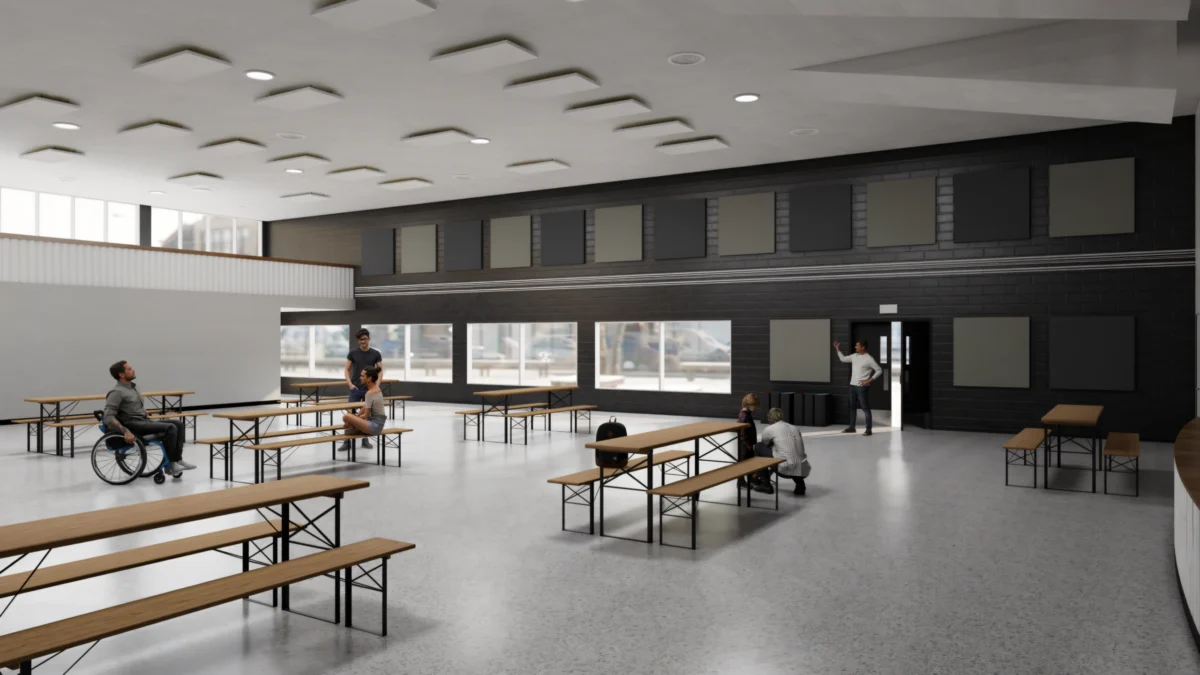
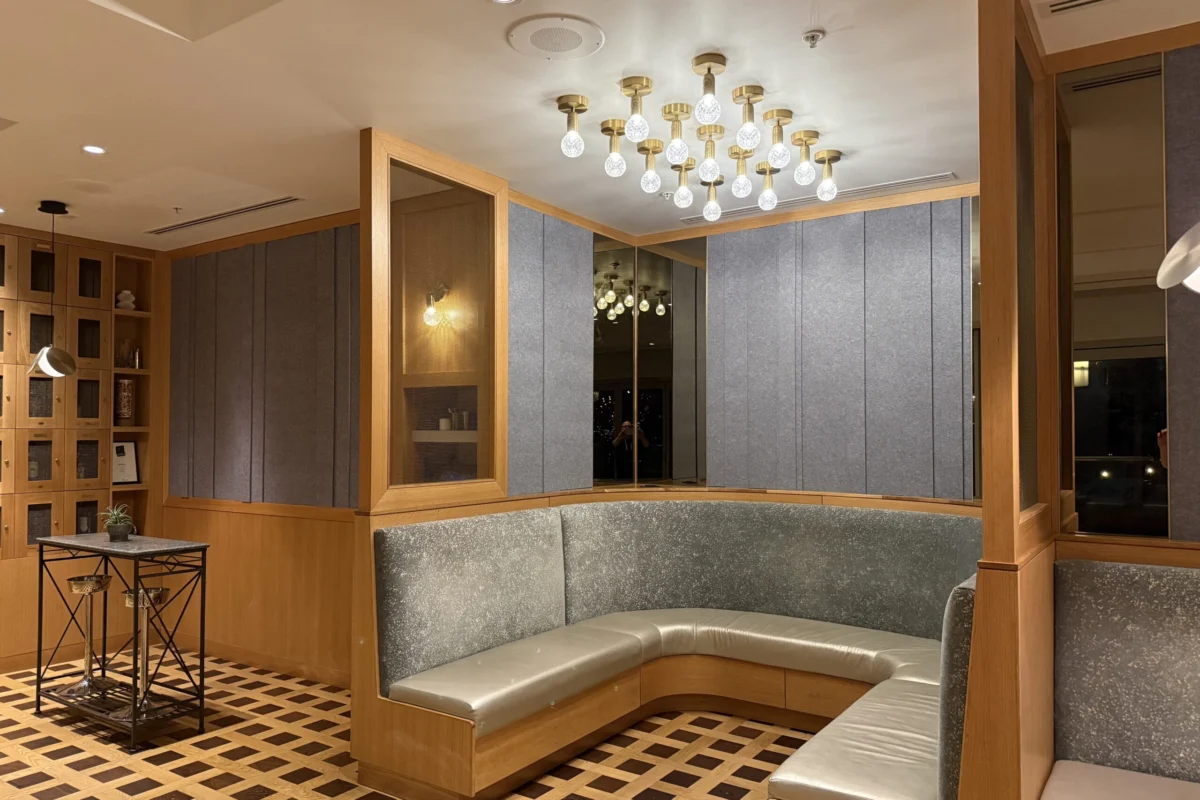
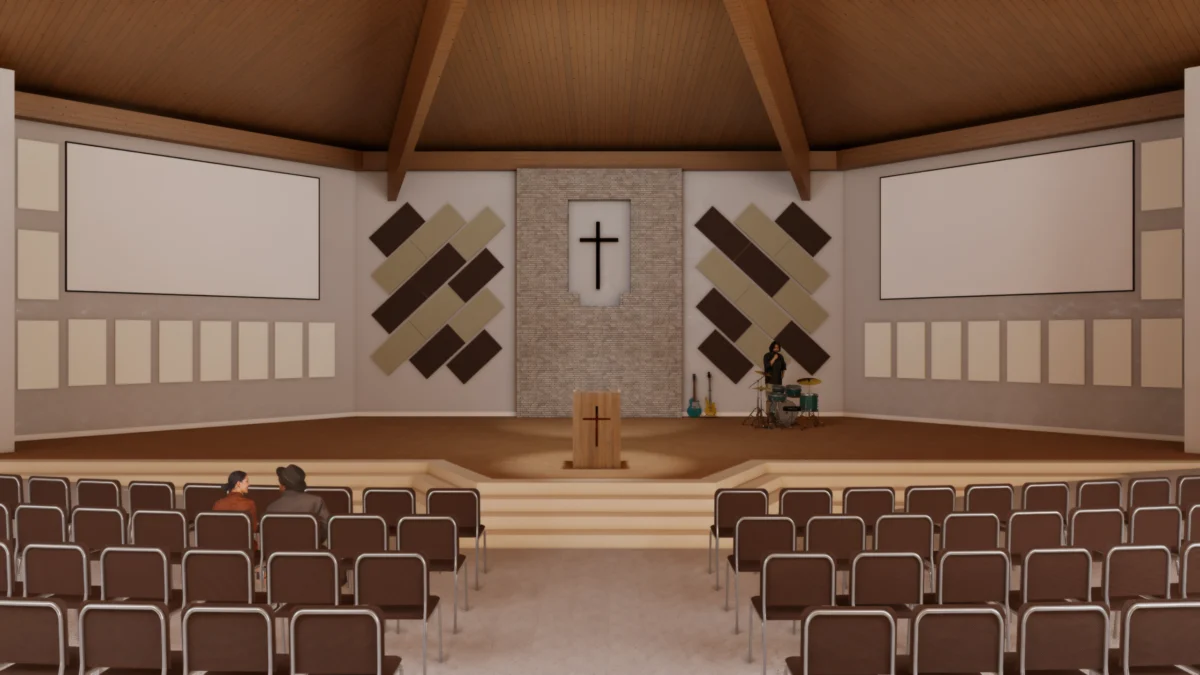
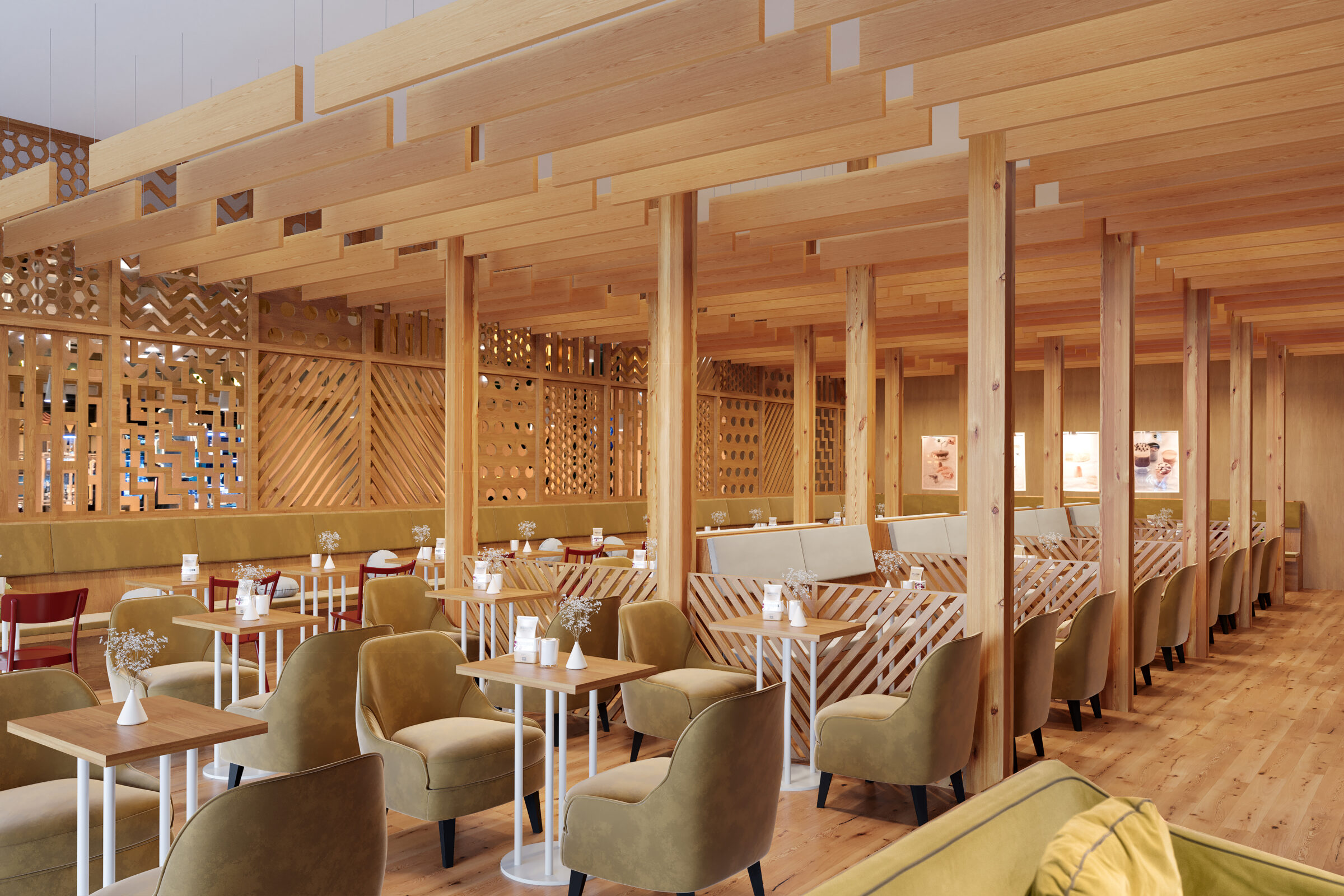
The industry is seeing a rise in "biophilic" and sustainable design trends that prioritize human wellness. In this context, acoustics is finally being viewed as an extension of interior design. From paintable, printable wall panels that function as murals to sculptural ceiling baffles that add architectural depth, the technology available today allows for seamless integration.
Implications for Future Construction
The shift toward early-stage acoustic planning carries significant implications for the future of the built environment.
1. Budgetary Efficiency
The most compelling argument for early planning is economic. Integrating sound management into the architectural schematic allows for the use of more efficient, cost-effective materials that are installed during the build rather than as a costly, disruptive, and labor-intensive retrofit.
2. Regulatory and Standard Evolution
As building codes and sustainability certifications (such as LEED or WELL Building Standards) continue to evolve, the focus on indoor environmental quality (IEQ) is intensifying. Sound is becoming a mandatory metric for project certification. Architects who master acoustic planning now will be at a significant competitive advantage as these standards become more stringent.

3. The Human-Centric Design Movement
We are moving away from the era of "form over function." The next generation of occupants demands environments that support their mental health and productivity. A space that is visually stunning but acoustically jarring will no longer be considered a "successful" design. The future of architecture belongs to those who design for all the senses.
Sector-Specific Strategies: A Tailored Approach
Different environments require different acoustic strategies. A "one-size-fits-all" approach to sound control is rarely effective.
- Corporate Offices: The goal here is speech privacy and noise reduction. By focusing on ceiling-mounted baffles and wall-mounted broadband panels, firms can mitigate the stress of "noise fatigue," allowing employees to focus in open-plan settings.
- Restaurants and Hospitality: The challenge is balancing a "vibrant atmosphere" with the ability to converse. Strategic placement of acoustic elements can dampen the harsh, reflective sounds of clattering dishes and loud conversation, allowing the restaurant to remain lively without becoming overwhelming.
- Houses of Worship: Clarity is paramount. These spaces require a delicate balance between the reverberation needed for musical resonance and the dry, crisp response needed for the spoken word. Customized acoustic modeling is essential to ensure that every seat in the house provides a high-fidelity experience.
- Educational Facilities: Speech intelligibility is the golden rule. Reducing the "echo" in a classroom prevents teachers from having to raise their voices, which reduces their own vocal strain and keeps students engaged.
Conclusion: Designing with Sound in Mind
The evolution of architecture is a slow, steady climb toward better human experiences. Just as we have moved toward better lighting, more ergonomic furniture, and sustainable materials, we must now fully embrace the science of sound.
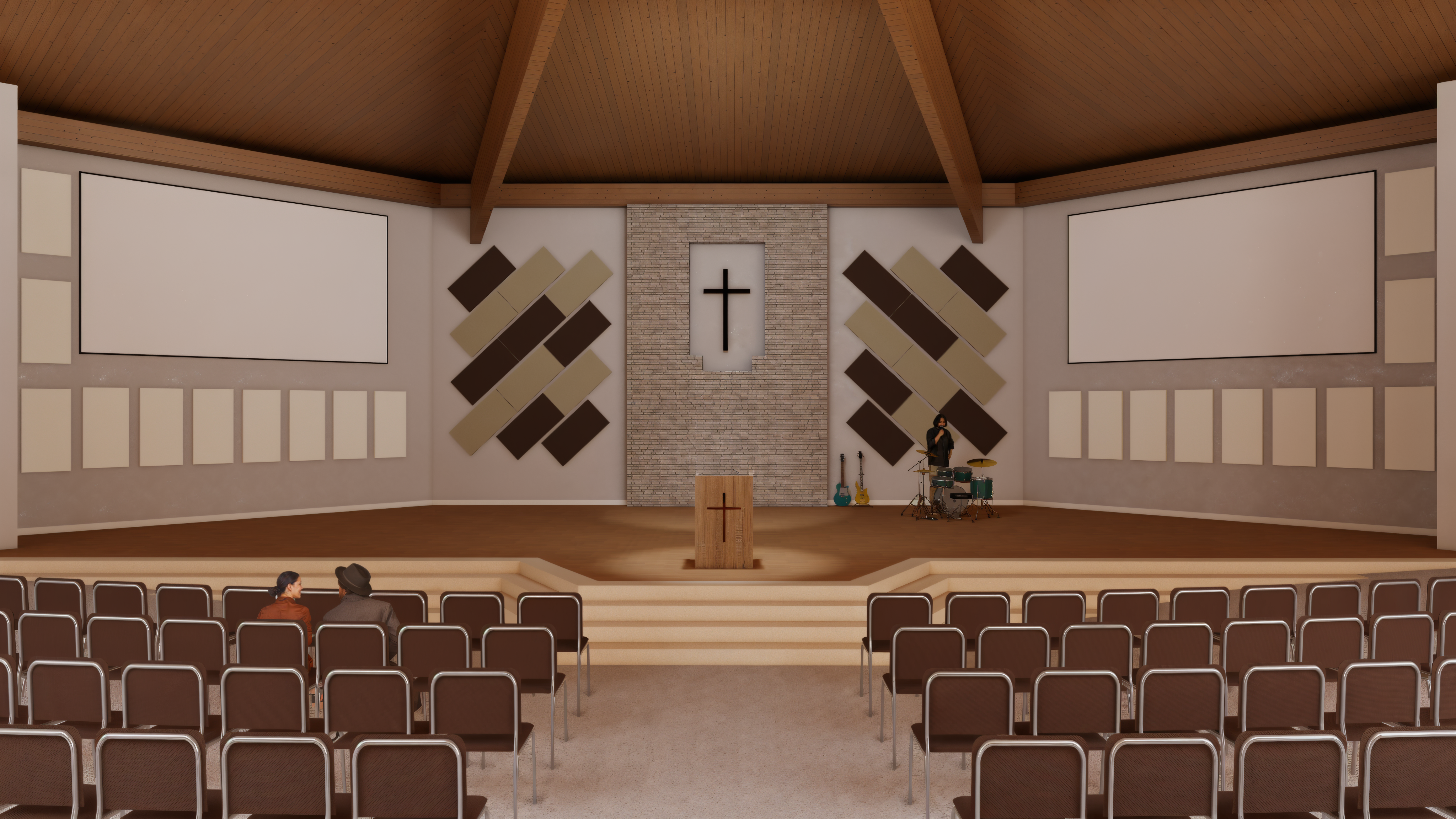
The message to the architectural community is clear: do not wait for the post-construction complaint. By adopting a strategy of early, intentional, and artistic acoustic integration, designers can transform their projects from mere structures into immersive, productive, and comfortable environments.
For those looking to deepen their expertise, resources like Primacoustic’s "Lunch & Learn" CEU courses provide the foundational knowledge required to navigate the complexities of sound. Whether you are designing a cathedral, a coffee shop, or a corporate hub, the difference between a good design and a great one is often a matter of how well the space speaks.
To learn more about the fundamental principles of acoustic design or to explore professional development opportunities, visit the Primacoustic Content Library and sign up for their upcoming CEU courses.