The global resurgence of vinyl records has been one of the most unexpected and celebrated cultural phenomena of the digital age. What was once dismissed as a dying format, preserved only by audiophiles and nostalgic collectors, has transformed into a billion-dollar industry. However, as the dust settles on the latest Amazon Prime Day sales event, a stark disconnect has emerged between the corporate retail giant’s promotional promises and the reality of what is being offered to physical media enthusiasts.
For budget-conscious collectors seeking high-quality pressings rather than worn-out second-hand crates, major e-commerce events are highly anticipated. Yet, this year’s Prime Day left many collectors disappointed. Despite a massive influx of younger buyers—particularly Gen Z—entering the market, the selection of discounted vinyl was remarkably sparse, leaving industry observers and consumers questioning whether major e-commerce platforms truly understand the nuances of the physical music revival.
Main Facts: The Prime Day Disappointment and the Search for Value
The expectation surrounding major retail events like Prime Day is that high-volume distributors like Amazon will leverage their massive supply chains to offer competitive discounts across a wide array of genres. Given the widely documented surge in youth interest in physical music formats, expectations were high for a diverse, well-curated selection of discounted vinyl.
Instead, consumers were met with a highly restricted, often underwhelming selection of titles. The primary issues identified by shoppers and music journalists included:
- Lack of Curatorial Depth: The discounted selection heavily favored overstocked, mainstream titles that have struggled to sell at standard retail prices, rather than the sought-after classics or contemporary indie releases that collectors actually desire.
- Superior Competitor Offerings: Dedicated physical music retailers outperformed Amazon’s pricing strategies. For example, UK-based high-street staple HMV offered a highly successful "three for £66" bundle, which provided both better financial value and a far superior selection of artists and genres.
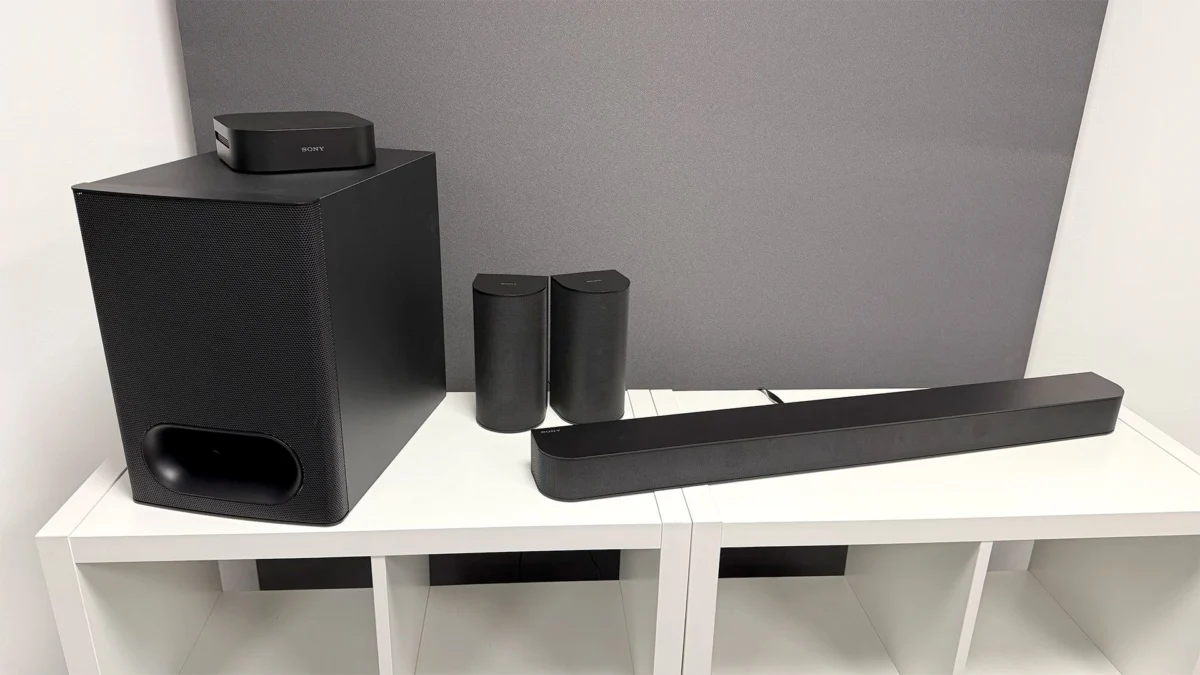
- The "Cheap Turntable" Trap: Alongside the lackluster vinyl selection, the sales event was flooded with heavily discounted, low-end suitcase record players. Industry experts repeatedly warn against these devices, as their heavy tracking forces and low-quality ceramic cartridges are notorious for permanently damaging the grooves of delicate vinyl records.
Ultimately, while diligent searchers could find a handful of worthwhile deals buried deep within the digital catalog, the consensus among physical media advocates is that major online sales events are failing to cater to the genuine needs of the modern vinyl community.
Chronology: The Journey from Niche Hobby to Mainstream Market
To understand why e-commerce giants are struggling to align with the vinyl community, it is essential to trace the timeline of how the physical media landscape shifted over the last two decades.
[Late 2000s] ------------------> [Mid-2010s] ------------------> [2020-2022] ------------------> [Present Day]
Vinyl survives as               Major labels resume             Pandemic boom drives            Gen Z solidifies market;
niche audiophile format;        mass production;                unprecedented demand;           e-commerce giants struggle
Record Store Day founded.       turntables enter mainstream.    supply chains bottleneck.       to curate quality sales.
1. The Survival Era (Late 2000s)
During the rise of MP3s and early streaming platforms, vinyl was largely kept alive by independent record stores, DJ subcultures, and audiophiles. The establishment of Record Store Day in 2007 served as a crucial catalyst, reintroducing the concept of exclusive physical releases and encouraging consumers to visit brick-and-mortar shops.
2. The Mainstream Re-Emergence (Mid-2010s)
Recognizing a growing weariness with digital intangibility, major record labels began reinvesting in physical manufacturing. Pop artists and classic rock bands alike started receiving wide-scale vinyl pressings. High-street retailers and supermarket chains began dedicating shelf space to vinyl, signaling that the format had successfully migrated back to the mainstream.
3. The Pandemic Surge and Supply Chain Bottlenecks (2020–2022)
The COVID-19 pandemic accelerated physical music sales dramatically. Lockdowns forced music fans to stay home, leading to an investment in home audio setups. However, this surge in demand collided with a global shortage of vinyl pressing plants, raw materials (polyvinyl chloride), and skilled lacquer cutters. This created a massive backlog, driving up the retail price of new vinyl records to unprecedented highs ($30 to $50 per album).
4. The Gen Z Consolidation (2023–Present)
Today, younger demographics have solidified their position as primary drivers of physical music sales. According to industry data, Gen Z consumers are highly likely to purchase vinyl not just for playback, but as a tangible connection to their favorite artists and a form of physical self-expression. This demographic shift has fundamentally altered the market, demanding a diverse mix of modern pop, indie, hip-hop, and classic reissues.
Supporting Data: The Economics of the Vinyl Boom
The physical music market is no longer a minor tributary of the music industry; it is a major financial powerhouse. However, the economic realities of vinyl production explain why deep discounts are incredibly difficult for general retailers to sustain.
| Metric | Details | Source / Trend |
|---|---|---|
| U.S. Vinyl Revenue (2023) | $1.4 Billion (representing 71% of all physical format revenues) | RIAA Annual Report |
| U.S. Vinyl Unit Sales (2023) | 43 Million units sold (17th consecutive year of growth) | RIAA Annual Report |
| UK Vinyl Sales (2023) | 6.1 Million units (highest level since 1990) | BPI (British Phonographic Industry) |
| Demographic Shift | Over 30% of Gen Z consumers purchased a vinyl record in the past year | Luminate Music Midyear Report |
The Cost of Pressing and the Retail Margin Dilemma
Unlike digital music streams, which carry negligible distribution costs per play, physical vinyl is subject to high manufacturing, shipping, and storage costs.
- Manufacturing Overhead: The raw materials, electroplating, pressing, and gatefold jacket printing require substantial upfront capital.
- Weight and Fragility: Vinyl is heavy, bulky, and highly sensitive to heat and pressure. Shipping thousands of delicate 180g records across global logistics networks requires specialized handling, which eats into retail profit margins.
- The Overstock Cleaving Strategy: Because profit margins on quality pressings are incredibly tight, major platforms like Amazon rarely discount high-demand, high-quality titles. Instead, "deals" during promotional events are often strategic inventory clearances of slow-moving titles, leading to the consumer disappointment witnessed during this year’s Prime Day.
Industry Perspectives and Market Dynamics
The disappointment surrounding generalist sales events highlights a deeper divide between algorithm-driven retail and the curation-focused culture of physical music.
The Algorithm vs. The Crate Digger
E-commerce platforms rely on automated pricing algorithms and mass-inventory management. This system works exceptionally well for standardized consumer goods, but it struggles with the nuances of the vinyl market. A true vinyl collector does not simply look for the lowest price; they look for specific pressings, mastering quality (such as analog-cut vs. digital-transfer), weight (such as 180g audiophile grade), and pressing plant reputations (e.g., RTI, Optimal, or QRP).
Generalist e-commerce platforms often fail to list these crucial details, treating a poorly mastered, cheap reissue with the same weight as a premium, AAA audiophile pressing.
The Independent Retailer Advocacy
Representatives from independent retail coalitions, such as the Entertainment Retailers Association (ERA), have long argued that the true health of the music industry relies on local record stores rather than digital monopolies.
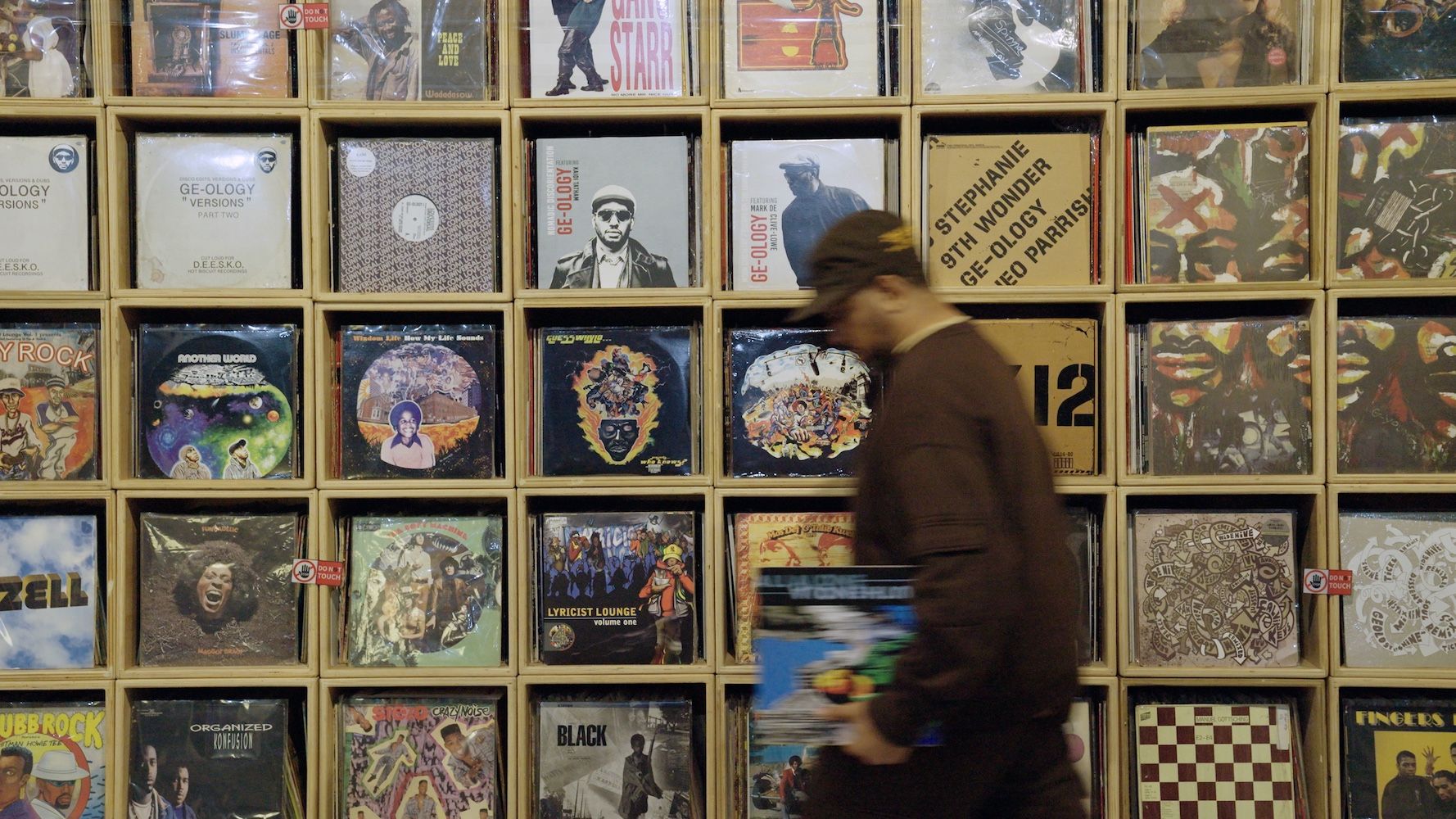
Independent stores offer curated selections, community hubs, and expert advice that algorithms cannot replicate. Furthermore, local stores are highly attuned to their communities, ensuring that their bargain bins and sales are filled with culturally relevant, high-quality music rather than mass-manufactured clearance stock.
Implications: The Future of Music Consumption
The lackluster performance of major e-commerce platforms in the physical media space carries several long-term implications for consumers, artists, and the wider music industry.
1. The Migration Back to Specialized Retailers
As consumers grow weary of searching through digital warehouses for subpar discounts, specialized retailers stand to benefit. Establishments like HMV, Rough Trade, Amoeba Music, and local independent shops are proving that curation and targeted promotional bundles (like multi-buy discounts on curated classics) are far more effective at building customer loyalty than massive, undifferentiated sales events.
2. Environmental and Quality Concerns
The flood of cheap, mass-produced vinyl and low-grade suitcase players during major sales raises environmental and sustainability questions. Cheap players destroy records, leading to discarded vinyl that ends up in landfills. Moreover, the production of low-quality "picture discs" and poorly mastered pressings contributes to plastic waste, as these items are often purchased as novelty items rather than functional, long-lasting musical mediums.
3. The Need for Consumer Education
The contrast between five-star, high-quality turntables and cheap, budget-grade players underscores the critical need for consumer education. For the vinyl revival to be sustainable, newcomers—particularly younger collectors—must be guided toward entry-level, high-fidelity setups (such as those offered by Audio-Technica, Pro-Ject, or Rega) that protect their physical investments and deliver the warm, rich sound that made the format famous in the first place.
Conclusion
While Amazon Prime Day remains a powerhouse for consumer electronics, household goods, and smart devices, it continues to miss the mark for physical music collectors. The vinyl format is inherently tactile, deliberate, and deeply rooted in community and curation—qualities that do not easily translate to automated, high-volume digital discount events. For those looking to build a record collection they will truly cherish, the message is clear: skip the digital clearance bins, ignore the tempting but damaging cheap turntables, and support the local record stores and dedicated music retailers who keep the true spirit of physical music alive.