The podcasting landscape continues to evolve at a breakneck pace, blending historical analysis with high-octane sports coverage and deep-dive cultural commentary. As platforms like Apple Podcasts and Spotify battle for supremacy, independent creators and established media giants are finding new ways to capture listener attention—both on the digital airwaves and through "guerrilla" marketing in the real world. This report synthesizes the latest shifts in the industry, tracking everything from international broadcast expansions to the data-driven trends currently dominating the charts.

Main Facts: The Evolving Content Ecosystem
The current audio market is defined by a push for high-quality, specialized content that transcends traditional boundaries. From the longevity of historical political commentary to the immediate, visceral excitement of live sports broadcasting, the medium is proving its versatility.

A primary highlight this week is the international expansion of Stick to Football. The show, a powerhouse production from The Overlap featuring heavyweights like Gary Neville, Roy Keane, Ian Wright, Jamie Carragher, and Jill Scott, is taking its act to New York to cover the World Cup. This move underscores a growing trend: podcasts are no longer merely "studio-bound" audio files; they are becoming mobile media entities capable of generating live content from the epicenter of major global events.

Simultaneously, the industry is seeing a renaissance in niche-interest storytelling. Shows like My History Can Beat Up Your Politics, which has been a staple of political discourse since 2006, continue to hold authority by applying historical context to modern legislative debates. This "evergreen" approach contrasts with the rapid-fire culture commentary found in new launches like Clara & Munroe Are Into It, which aims to distill the noise of pop culture through the lens of veteran broadcaster Clara Amfo and activist Munroe Bergdorf.

Chronology: A Week in Audio News
- Mid-Week Surge: The So MGH Center for Women’s Mental Health released a revamped second season of So Glad You Asked. By shifting to a format that pairs expert voices—such as Emily Oster and Jessica Zucker—with listener-submitted questions, the show has successfully pivoted to a more interactive, service-oriented model.
- Expansion Phase: Stick to Football officially confirmed its New York broadcast residency, signaling a significant investment in cross-Atlantic audience engagement during the World Cup.
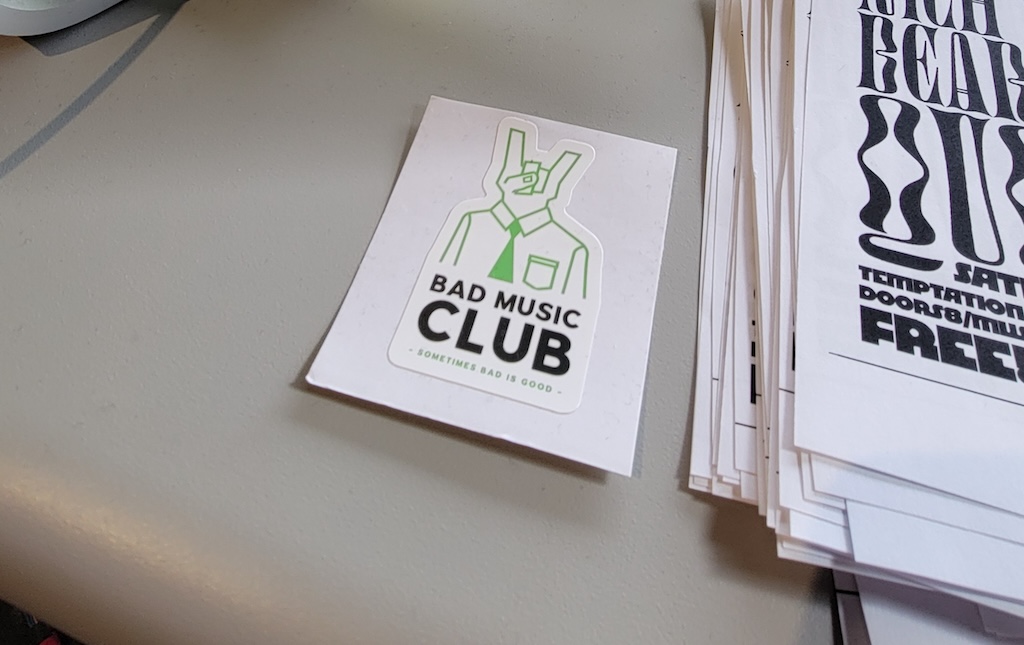
- The "In the Wild" Moment: A grassroots marketing effort was spotted in Brantford, Ontario, where a physical sticker for Bad Music Club was placed in a local record store. While the branding sparked a lighthearted debate about whether the name clearly signaled its focus on music discovery, it highlighted the ongoing relevance of physical, real-world discovery channels for digital creators.
- Data Reporting: Throughout the week, the competitive landscape on Apple Podcasts and Spotify remained fluid, with The Daily and The Joe Rogan Experience maintaining their respective dominance in the US markets, while new entries, such as The Rest Is World Cup, rapidly climbed the ranks in Canada.
Supporting Data: Charting the Listeners
The battle for the top spot remains fierce. Data from the current week shows that while legacy shows hold steady, "Highest New Entry" and "Biggest Gain" metrics reveal a volatile market where emerging shows can quickly seize listener share.

Current Market Leaders
- Apple Podcasts (USA): The Daily remains the anchor of the chart, continuing to define the "news-briefing" genre.
- Spotify (USA): The Joe Rogan Experience holds its #1 position, proving the enduring pull of long-form, personality-driven interview formats.
- Canada (Business Category): The Diary Of A CEO with Steven Bartlett continues to lead, highlighting the strong demand for entrepreneurial and self-improvement content.
Emerging Trends in Rankings
- Specialized Growth: The Al & Juddy Show saw the "Biggest Gain" in the Natural Sciences category in Ireland, suggesting that even niche science content can see rapid spikes when supported by strong community engagement.
- Event-Driven Success: The Rest Is World Cup hit the #1 spot in the Courses category in Canada upon its release, proving that timing is everything. Tying a show’s launch to a major global event remains one of the most effective strategies for breaking into the top ten.
Official Responses and Industry Context
The strategy shift toward "event-led" podcasting has drawn positive attention from media critics and industry analysts. The Columbia Journalism Review has praised the "nuanced and highly engaging" nature of long-running political shows, noting that in an era of polarized, short-form social media clips, the deep-dive format of a podcast offers a necessary, thoughtful reprieve.
Regarding the move by Stick to Football, industry analysts view this as a maturation of the medium. By moving the production team to New York for the World Cup, The Overlap is essentially treating a podcast with the same production rigor as a major television network. This mirrors the behavior of larger media conglomerates, suggesting that the line between "podcaster" and "broadcaster" is effectively vanishing.

Furthermore, the refresh of So Glad You Asked addresses a common criticism of educational podcasts: the "lecture" feel. By inviting listeners to submit their own questions and pairing them with high-profile experts like Pooja Lakshmin, the production team has successfully removed the barrier between expert and audience, fostering a sense of community that is essential for long-term retention.

Implications: What This Means for Creators
The current state of the industry provides three clear takeaways for producers, marketers, and independent creators:

1. The Power of "In-Person" Presence
The "podcasts in the wild" phenomenon, exemplified by the Bad Music Club sticker in a Brantford record store, serves as a reminder that digital-only marketing is insufficient. Creators should not underestimate the value of physical proximity to their target demographics. Whether it is stickers in a shop, live-event pop-ups, or street-level activation, bridging the digital-physical divide creates a stronger brand identity.

2. Format Agility is Key
The success of So Glad You Asked’s second season demonstrates that a format should never be set in stone. If listener engagement dips or if a show feels stagnant, re-evaluating the structure—adding guest experts, moving to a Q&A format, or changing the pacing—can breathe new life into a series. The most successful shows in the current climate are those that listen to their audience’s questions and iterate their content accordingly.

3. Leveraging "The Moment"
The rapid rise of The Rest Is World Cup confirms that evergreen content is excellent for sustainability, but event-led content is excellent for growth. Creators should identify major calendar events within their niche and build dedicated, temporary, or seasonal series around them. This creates a natural sense of urgency and provides a clear hook for new listeners to subscribe.

4. The Professionalization of Production
As giants like Gary Neville and the team at The Overlap increase the stakes for production value, the "garage-band" era of podcasting is officially transitioning into a professional broadcast era. While high-end equipment is not required to be successful, the standard for storytelling, guest curation, and promotion is rising. Success now requires a blend of high-quality audio engineering, a clear editorial voice, and an aggressive, multi-platform promotional strategy.

Conclusion
The podcasting ecosystem remains one of the most vibrant spaces in modern media. As we look at the data—from the enduring power of The Daily to the energetic expansion of sports shows into the international market—it is clear that the medium is not just surviving; it is scaling. Whether through the lens of history, the intensity of sports, or the curiosity of medicine and pop culture, the most successful podcasts are those that manage to foster an intimate, consistent connection with their listeners while remaining bold enough to innovate their formats. As the industry moves into the next quarter, the focus will likely remain on this delicate balance: maintaining the personal touch that made podcasting famous while adopting the professional, event-driven, and multi-channel strategies that define modern media success.