The global vinyl revival has transformed from a nostalgic trend into a permanent cornerstone of the modern music industry. As analog record sales continue to climb year-over-year, enthusiasts are increasingly moving away from simple, all-in-one record players toward dedicated high-fidelity (hi-fi) separates. However, assembling a high-performance audio system presents unique spatial, acoustic, and financial challenges.
For many audiophiles, the ultimate goal is a balanced system that delivers exceptional speaker playback by day and an equally immersive, private headphone experience by night. This comprehensive analysis explores the typical progression of a hi-fi system upgrade, evaluates the acoustic and economic differences between open-back and closed-back headphones, and examines how entry-level audiophile components can bridge the gap between high performance and budget constraints.
1. Main Facts: The Evolution of a Dedicated Vinyl System
To understand the modern audiophile upgrade path, one can examine the system configuration transitions typical of dedicated music enthusiasts. A standard evolutionary journey often begins with highly competent, space-saving desktop components before transitioning to traditional passive separates.
The Starter Configuration
Many vinyl enthusiasts begin their journey with a modest, active desktop system designed to maximize performance within a limited physical footprint. A classic example of this setup includes:
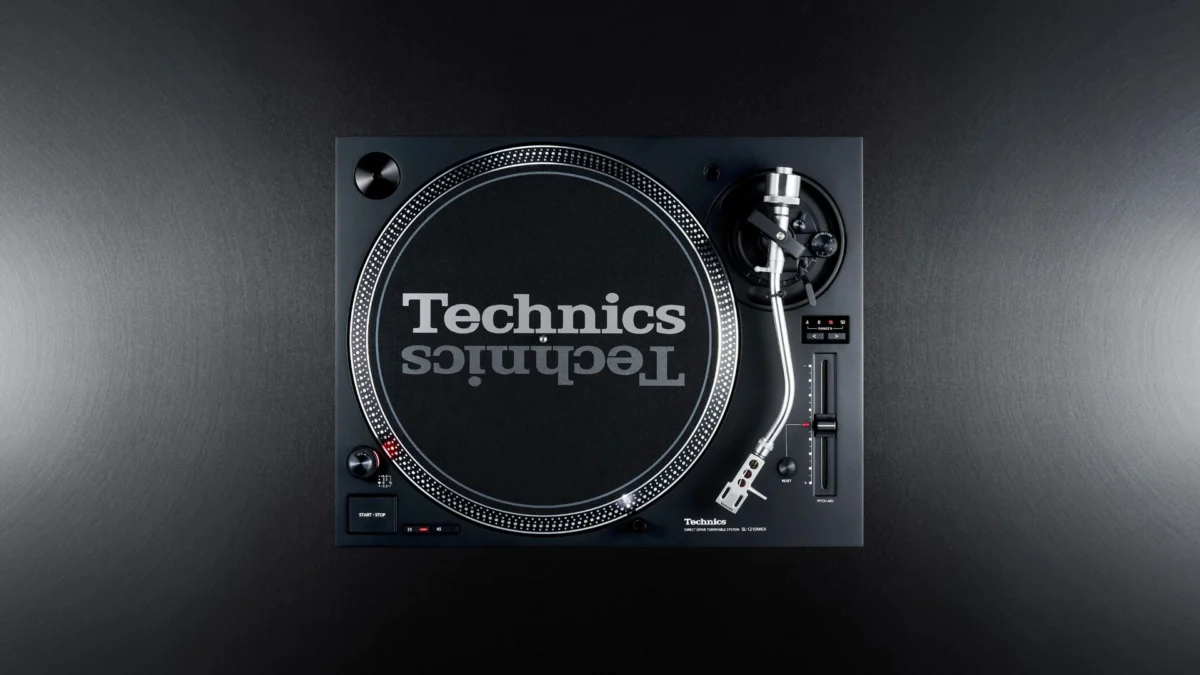
- Source: A Rega Planar belt-drive turntable, renowned for its speed stability and minimalist design.
- Phono Preamplification: An outboard Rega Fono Mini A2D MkII phono stage, which boosts the tiny millivolt signal of a moving-magnet (MM) cartridge to line level while offering analog-to-digital conversion via USB.
- Amplification & Playback: Ruark MR1 Mk2 active desktop speakers. These compact, award-winning monitors house their own internal amplifiers, bypassing the need for a bulky stereo receiver.
While highly functional and engaging, such desktop systems are ultimately limited by the cabinet volume of active micro-speakers and the basic power supplies of entry-level outboard phono stages.
The Reference Upgrade
As the desire for scale, dynamic range, and detail resolution grows, enthusiasts transition to dedicated passive speakers and integrated amplification. A prime example of a premium tier upgrade consists of:
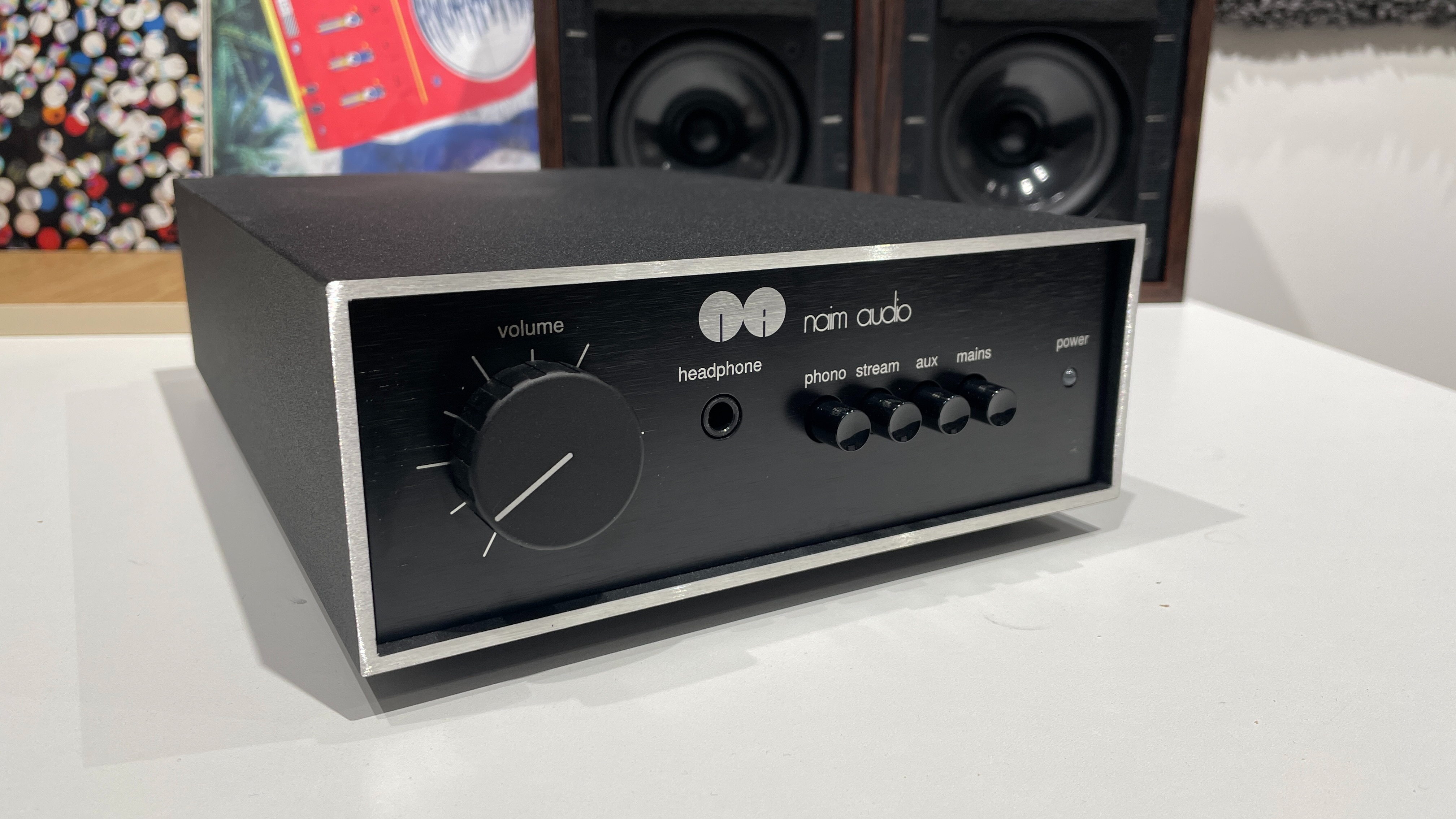
- Amplification: The Naim Nait 50 integrated stereo amplifier. Released as a limited-edition 50th-anniversary tribute to Naim’s iconic 1983 Nait 1, this unit delivers high-current Class AB amplification within a compact, retro-styled "shoebox" chassis.
- Loudspeakers: High-performance passive monitors from British specialist Neat Acoustics, known for their isobaric bass loading and expressive midrange.
- Integrated Phono Stage: The Nait 50 features an exceptional, low-noise moving-magnet phono circuit, allowing users to eliminate outboard phono preamps and streamline their signal chain.
[Starter System]
Rega Planar Turntable ---> Rega Fono Mini A2D MkII ---> Ruark MR1 Mk2 (Active Speakers)

[Upgraded System]
Rega Planar Turntable ---> Naim Nait 50 (Integrated Amp) ---> Neat Passive Speakers
                                 |
                                 v (6.3mm Headphone Out)
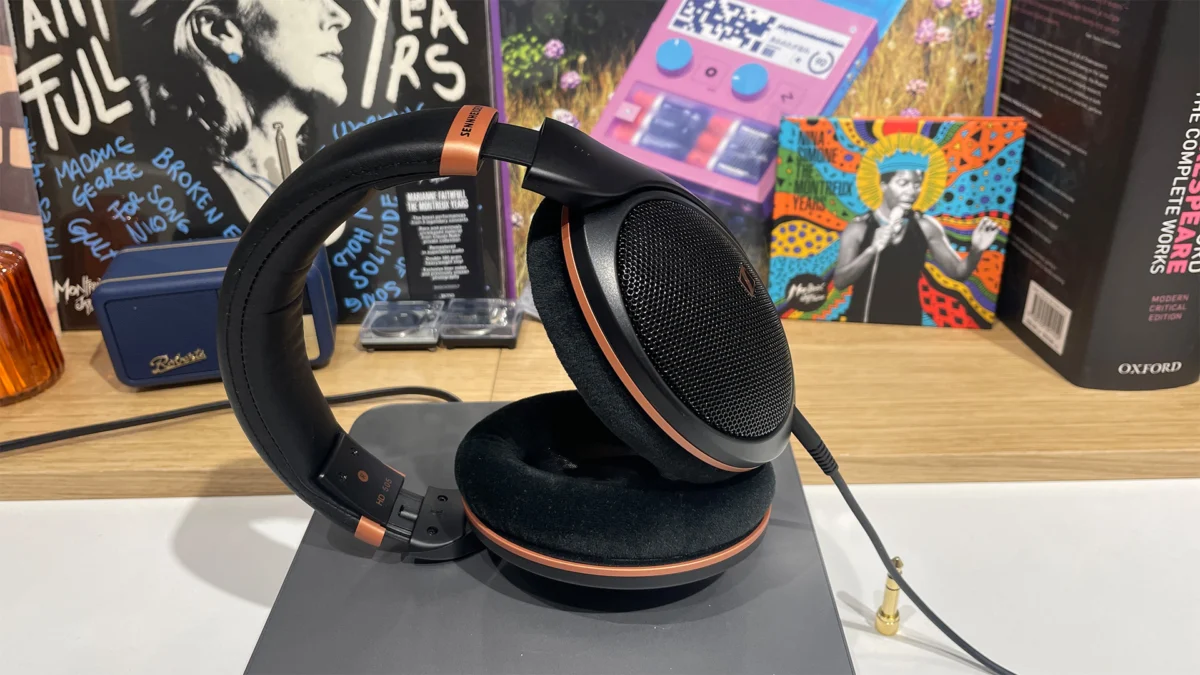
                          Sennheiser HD 505 (Open-Back)
2. Chronology: The Transition to Late-Night Headphone Listening
While a premium speaker system offers a highly convincing soundstage, domestic realities often conflict with late-night listening. The physical properties of low-frequency sound waves allow them to pass easily through household walls, potentially disturbing family members and neighbors. This necessitates the integration of a dedicated headphone system.
Timeline of System Upgrades & Listening Habits:

  [Phase 1: The Desktop Era]
  - Space-saving active setup
  - External phono stage required
  - Limited to daytime/moderate volume speaker listening

         │
         ▼

  [Phase 2: The Separates Transition]
  - Integration of Naim Nait 50 & Neat Speakers
  - Elimination of external phono stage (cleaner signal path)
  - Vastly improved dynamic headroom and detail

         │
         ▼

  [Phase 3: The Headphone Integration]
  - Need for late-night, high-fidelity playback without domestic disturbance
  - Identification of the Nait 50's built-in NSC 222 headphone circuit
  - Selection of optimal, cost-effective open-back headphones (Sennheiser HD 505)
The introduction of the Naim Nait 50 fundamentally changed the architecture of this headphone transition. Unlike the original 1983 Nait 1, which lacked a headphone output entirely, the Nait 50 features a premium, discrete 6.3mm headphone amplifier.
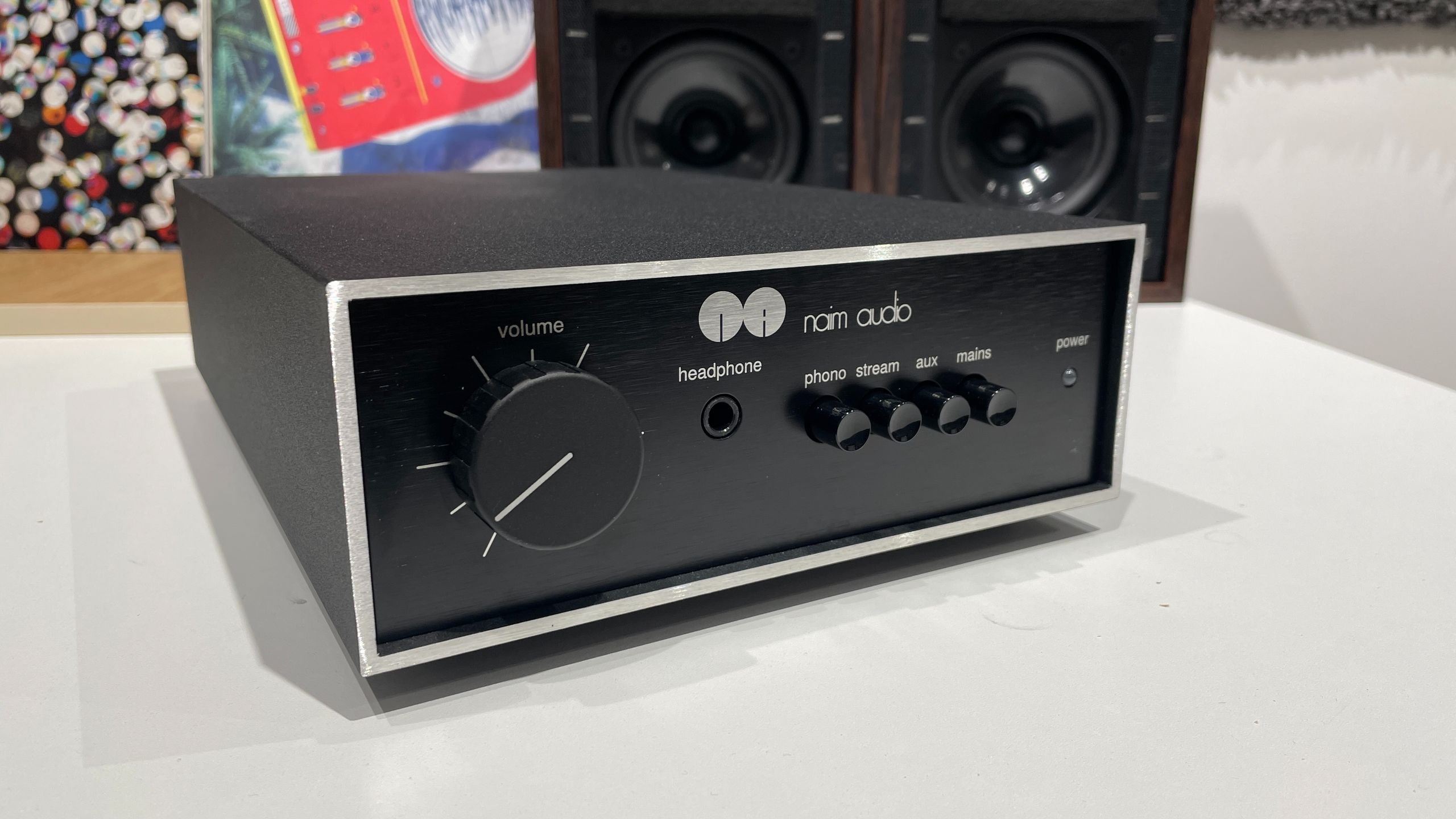
Crucially, Naim did not treat this output as an afterthought; instead, the company integrated the headphone circuit design directly from their reference-grade NSC 222 streaming preamplifier. This high-current, low-distortion headphone stage is capable of driving demanding, high-impedance audiophile headphones, prompting a search for the ideal matching pair.
3. Supporting Data: Technical Specifications and Market Comparisons
Selecting the right headphones requires balancing acoustic design, electrical compatibility, and retail pricing. The market generally divides audiophile headphones into two primary design philosophies: closed-back and open-back.
Acoustic Comparison: Closed-Back vs. Open-Back
| Feature | Closed-Back (e.g., Sennheiser HD 820) | Open-Back (e.g., Sennheiser HD 505) |
|---|---|---|
| Enclosure Design | Sealed earcups, often utilizing glass, wood, or metal covers. | Perforated or mesh earcups allowing free airflow. |
| Acoustic Isolation | Excellent passive isolation; blocks external noise and prevents sound leakage. | Minimal isolation; leaks sound outward and lets ambient noise in. |
| Soundstage | More intimate, "in-the-head" presentation; can suffer from internal reflections. | Expansive, natural, "out-of-head" presentation resembling stereo speakers. |
| Thermal Comfort | Prone to heat buildup around the ears during long sessions. | High breathability; significantly reduced ear fatigue and perspiration. |
| Bass Response | Typically punchier, deeper, and more physically impactful. | Tends to be flatter, more rolled-off in the sub-bass, but highly natural. |
Financial Realities of the Audiophile Market
For many listeners, the ultimate closed-back aspiration is the Sennheiser HD 820. These flagship headphones employ concave Gorilla Glass covers to redirect rear transducer reflections into internal damping chambers, achieving an open-back soundstage within a sealed design. However, at a retail price of approximately £1,299, they represent a massive financial investment.
In contrast, the entry-level audiophile market offers high-performance open-back alternatives at a fraction of the cost. The Sennheiser HD 505 represents a highly compelling option within this tier:
Retail Price Comparison (GBP):

  Sennheiser HD 820 (Flagship Closed-Back)  [£1,299]
  ======================================================================

  Sennheiser HD 505 (MSRP)                  [£230]
  ============

  Sennheiser HD 505 (Current Market Price)  [£180]
  =========
At a street price of £180 (representing a £50 discount off its original £230 MSRP), the HD 505 offers an accessible entry point to true high-fidelity personal audio, making it a highly logical partner for a premium amplifier like the Naim Nait 50.
4. Industry Context and Expert Evaluations
To understand where the Sennheiser HD 505 sits in the wider market, it is helpful to look at how industry experts and audio reviewers evaluate its performance, particularly alongside its closest open-back competitors.
                    [Acoustic Performance Comparison]

     High
       │
       ├─────────────────── Grado SR325x
       │                    (Maximum punch, high energy, on-ear fit)
       │
       ├─────────────────── Austrian Audio Hi-X65
       │                    (Analytical, fast transients, professional studio tuning)
       │
       └─────────────────── Sennheiser HD 505
                            (Smooth treble, rich midrange, relaxed fatigue-free presentation)
     Low
       ──────────────────────────────────────────────────────────────────────────
                                     Sonic Signature
Sonic Profile of the Sennheiser HD 505
Expert consensus highlights several key characteristics of the HD 505:
- The Midrange: The headphones are widely praised for their exceptional midrange reproduction. Vocals and acoustic instruments are delivered with subtlety, textural clarity, and a level of refinement that punch far above their sub-£200 price point.
- The Highs: The treble region is tuned to be smooth and forgiving. Unlike analytical studio monitors that can sound harsh or fatiguing with bright recordings, the HD 505 avoids sibilance, making it highly suitable for long, relaxed listening sessions.
- The Presentation: Thanks to its open-back architecture, the soundstage is airy and spacious. It provides a highly natural, speaker-like listening experience that matches the organic presentation of vinyl playback.
Competitor Analysis
While the HD 505 excels in comfort and smoothness, other options in this price class offer different sonic balances:
- Grado SR325x: These on-ear open-back headphones are celebrated for their rhythmic drive, transient speed, and raw energy. However, their physical on-ear design can cause cartilage fatigue over long periods, and their bright, forward treble can be polarizing.
- Austrian Audio Hi-X65: Featuring superb build quality and an analytical, highly detailed sound, these over-ear open-back headphones are favored by audio engineers. However, they are significantly more expensive than the discounted HD 505 and can sound clinical or unforgiving with older, less pristine vinyl pressings.
5. Implications: The Future of Accessible High-Fidelity Audio
The intersection of premium amplification and accessible, high-performance headphones point to several broader trends in the consumer audio industry:
1. The Demise of "Afterthought" Headphone Jacks
Historically, integrated amplifiers treated the headphone output as a secondary feature, routing power from the main speaker amplifier through a cheap resistor network. This often resulted in high output impedance, background hiss, and poor current delivery.
The inclusion of Naim’s trickle-down NSC 222 headphone circuit in the Nait 50 demonstrates that manufacturers are recognizing headphones as a primary listening medium for modern audiophiles. This ensures that users do not need to purchase a separate, dedicated headphone amplifier to get the best out of their headphones.
2. The Economic Viability of Open-Back Designs
For domestic listeners who do not require absolute isolation, open-back headphones like the Sennheiser HD 505 offer far greater acoustic value than similarly priced closed-back models. By eliminating the need to control complex internal cabinet reflections, engineers can focus on driver tuning and transient response, delivering superior soundstage and midrange accuracy at a lower manufacturing cost.
3. Balanced System Matching
The ultimate success of a high-fidelity system lies in component synergy rather than raw cost. Pairing a highly revealing, premium amplifier like the Naim Nait 50 with a smooth, forgiving headphone like the Sennheiser HD 505 creates a balanced, complementary sound.
The relaxed high frequencies of the HD 505 temper the fast, dynamic, and sometimes aggressive nature of Naim’s amplification, resulting in a cohesive, fatigue-free system that allows listeners to enjoy their analog record collections late into the night.