For the modern homeowner, the amateur meteorologist, or the dedicated storm chaser, smartphone weather apps are rarely enough. While convenient, these apps often rely on regional airport data that can be miles away, leading to generalized forecasts that fail to capture the hyper-local microclimates of your own backyard. Whether you are managing a smart irrigation system or simply want to track the exact moment a cold front hits your property, a DIY home weather station is the only way to secure precise, real-time data.
As we move into 2026, the technology behind personal weather monitoring has advanced significantly. No longer just a collection of plastic gauges, modern stations are sophisticated, connected devices that integrate seamlessly into the broader ecosystem of the smart home.
The Evolution of Personal Meteorology: A Brief Chronology
The journey of home weather monitoring has transitioned from mechanical analog instruments to cloud-connected digital arrays.

- 2016–2018: The Early Adoption Phase. During this period, the market was flooded with basic RF-linked stations. While they provided temperature and humidity, they were often plagued by connectivity issues and required constant manual calibration.
- 2019–2021: The Rise of Connectivity. The integration of Wi-Fi and the advent of platforms like IFTTT allowed weather stations to "talk" to smart homes. This era saw the introduction of the first truly user-friendly, cloud-synced systems.
- 2022–2024: The Prosumer Boom. Companies began prioritizing sensor durability and scientific-grade accuracy. High-end systems started incorporating ultrasonic wind sensors, removing moving parts that typically fail due to wear and tear.
- 2025–2026: The AI-Driven Era. The current generation of weather stations now leverages advanced machine learning to calibrate data against neighboring stations, providing a level of precision that was previously reserved for professional government-run meteorological facilities.
Top Recommendations: Precision, Durability, and Smart Integration
Our team has spent nearly a decade testing weather monitoring hardware. By benchmarking devices against National Weather Service (NWS) standards and maintaining long-term outdoor testing sites, we have identified the gold standard for home weather monitoring.
1. Ambient Weather WS-4000: The Best All-Rounder
The WS-4000 has quickly become our top recommendation for the average enthusiast. It balances cost-effectiveness with a robust, reliable data stream. While it shares some design DNA with the Ecowitt Wittboy Pro, the Ambient Weather software ecosystem remains the industry leader for data visualization and historical tracking.
- Why we chose it: It is highly expandable. If you want to add soil moisture sensors, lightning detectors, or additional temperature probes later, the system grows with your needs.
- The Caveat: The haptic rain sensor—which uses vibrations to detect precipitation—is innovative but can occasionally struggle with light, mist-like rain compared to traditional tipping-bucket gauges.
2. WeatherFlow Tempest: The Runner-Up
For those who prioritize a streamlined installation, the Tempest is unmatched. It packs temperature, humidity, wind, and rain sensors into a single, compact unit that requires zero maintenance.
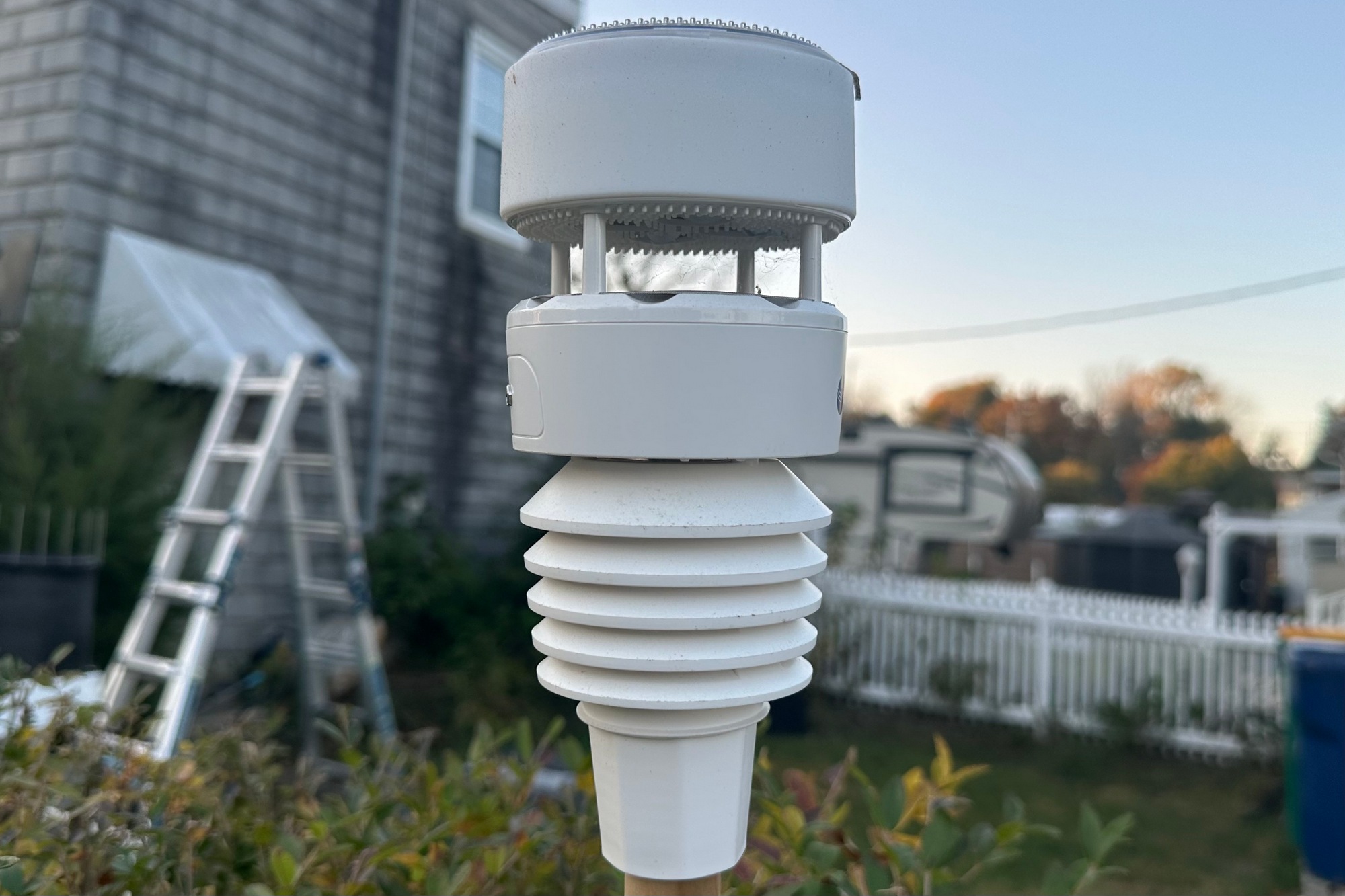
- Standout Feature: Its lightning detection capability is the most sensitive and accurate we have tested, making it an essential tool for residents in storm-prone regions.
- Ideal User: The homeowner who wants a "set-it-and-forget-it" system that provides high-quality data without the need for manual cleaning or calibration.
3. KestrelMet 6000: The Enthusiast’s Choice
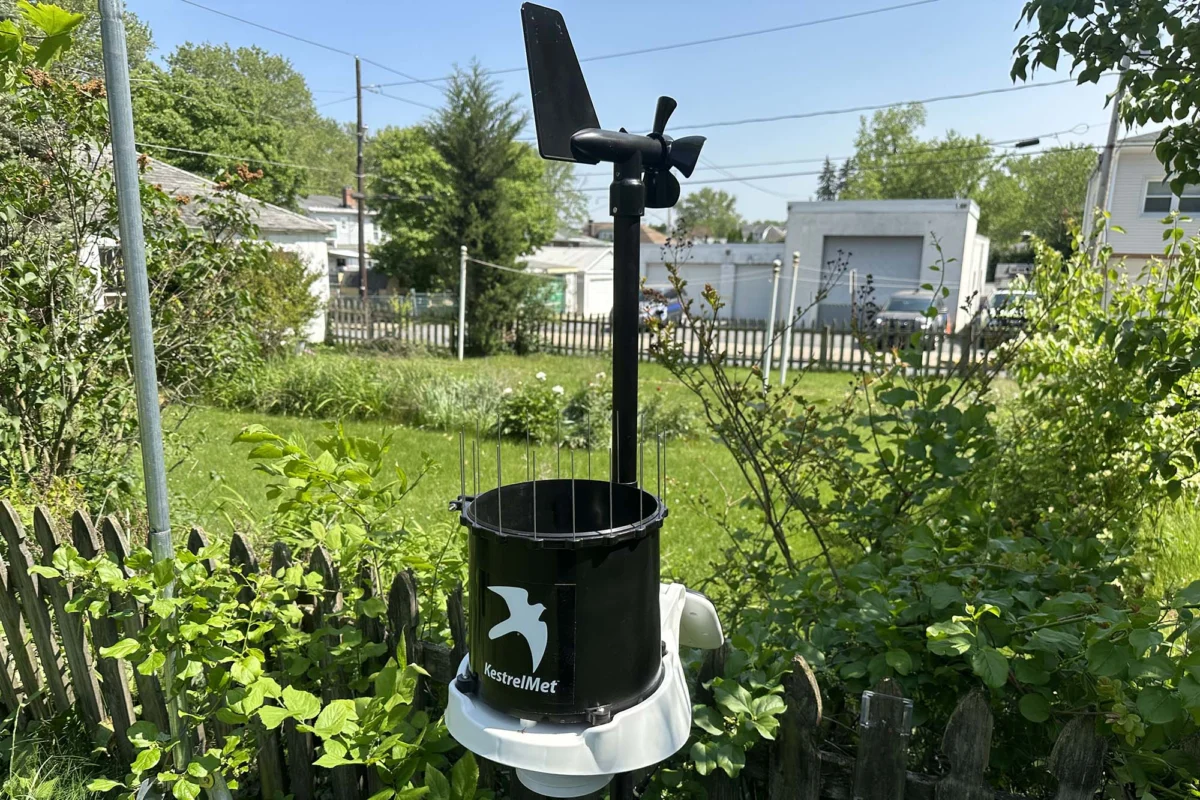
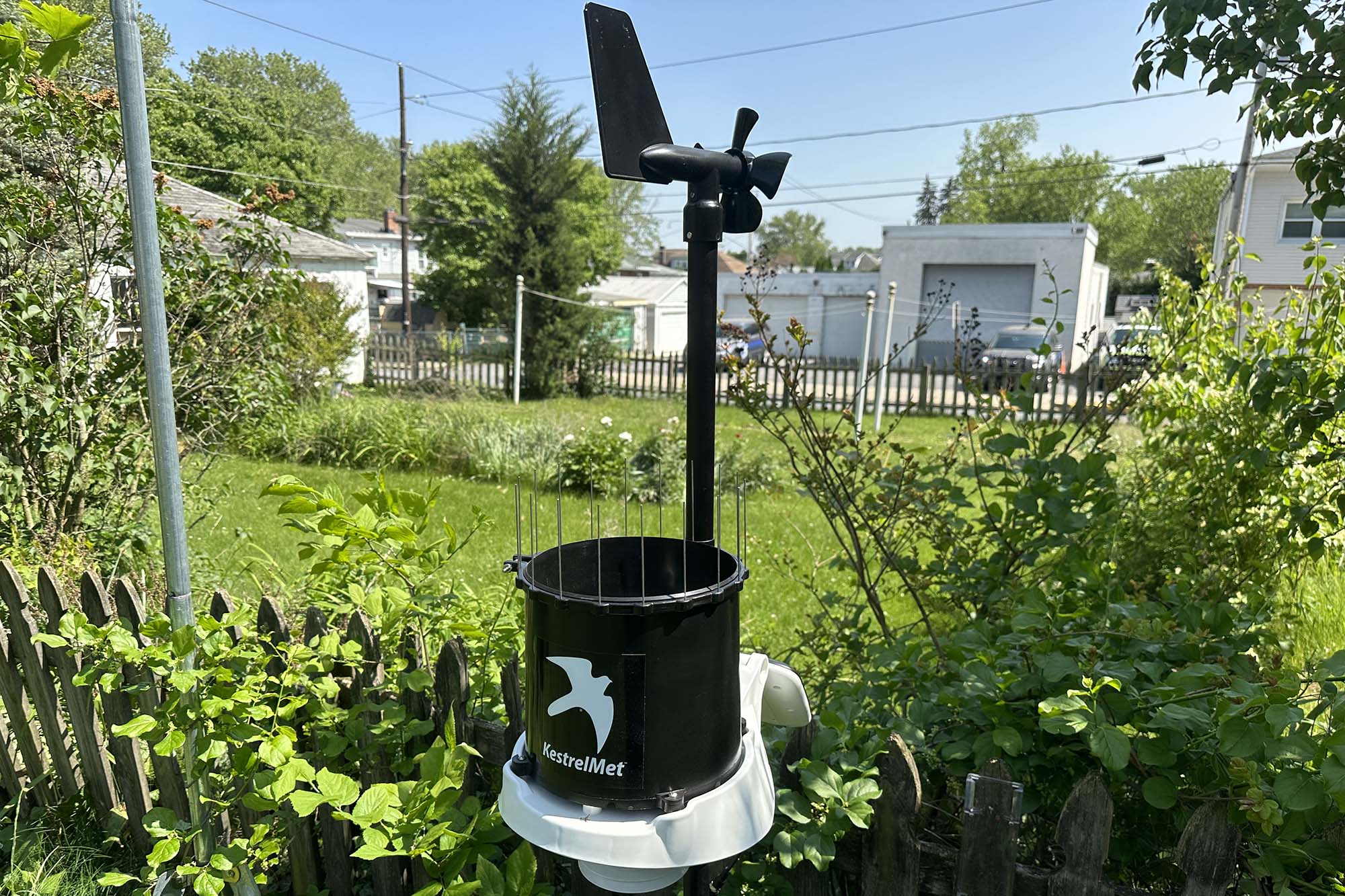
For the serious observer who refuses to compromise on data integrity, the KestrelMet 6000 is the definitive choice. Kestrel is a legendary name in environmental instrumentation, and this station brings professional-grade engineering to the consumer market.
- Performance: It is the benchmark we use to judge all other stations. Its readings are consistently within the narrowest margins of error, and its build quality is designed to withstand years of extreme weather.
- The Investment: At $999, it is not an impulse purchase. However, for those who value precision above all else, the performance justifies the premium.
Scientific Methodology: How We Test for Accuracy
Testing a weather station is a marathon, not a sprint. Every device featured in our reviews undergoes a minimum 30-day "burn-in" period. During this time, we compare the device’s output against a local National Weather Service observation site located approximately 3.7 miles from our testing facility.
We account for local variability by analyzing the "delta"—the difference between our station and the NWS station—across varying barometric pressures and wind speeds. We also stress-test the smart home integration. We look for:

- Latency: How quickly does a change in wind speed trigger a smart home automation?
- Reliability: Does the connection drop during power fluctuations or heavy storm activity?
- UI/UX: Is the companion app intuitive, or does it bury critical data under layers of menus?
The Implications of Smart Home Integration
The modern weather station is no longer a passive display; it is an active controller. Integrating your weather station with your smart home offers significant real-world benefits:
- Water Conservation: By linking your station to a smart sprinkler system (like Rachio or similar), your lawn will skip watering cycles if the weather station detects that rainfall has exceeded a specific threshold. This saves thousands of gallons of water annually.
- Lighting and Climate Control: When the weather station detects high cloud cover or the onset of twilight, it can trigger exterior smart lighting to activate early, enhancing security.
- Predictive Maintenance: For those living in areas prone to freezing rain or extreme heat, having hyper-local data allows you to proactively manage home insulation or heating systems before the internal temperature is impacted.
Expert Guidance: Sensor Placement Best Practices
The most expensive weather station in the world will provide garbage data if it is placed incorrectly. To ensure your readings reflect reality, follow these professional guidelines:
- The Temperature/Humidity Sensor: This must be placed in a shaded, ventilated area, roughly 4 to 6 feet above the ground. Avoid mounting it near concrete or asphalt, which absorb heat and will cause your station to report artificially high temperatures during the day.
- The Rain Gauge: Ensure it is far from obstructions. The rule of thumb is to place the gauge at a distance from an object (like a tree or fence) equal to at least twice the height of that object.
- The Anemometer: Wind speed is the most difficult metric to capture. While NWS standards call for 33-foot heights, this is often impractical for homeowners. Aim for at least 10 feet above your roofline and ensure the wind vane is oriented correctly to magnetic north. If your orientation is off, your wind direction data will be inverted.
Final Considerations: Durability and Longevity
When shopping, steer clear of "all-in-one" budget units that integrate every sensor into a single, unserviceable plastic housing. If one sensor fails—and plastic sensors exposed to 24/7 UV rays inevitably do—you are forced to replace the entire unit.
Instead, look for modular systems. Mid-range to high-end stations allow you to replace individual components as they wear out. Furthermore, prioritize stations with solar-powered arrays. Battery maintenance is the primary reason users eventually stop using their weather stations. A solar-powered unit, combined with high-quality, weather-sealed plastic, will provide years of reliable service.
Conclusion
A home weather station is an investment in understanding your local environment. While the data can be fascinating, the true value lies in the intersection of accuracy and utility. By choosing a system that fits your specific needs—whether it be the entry-level reliability of a WeatherFlow, the versatile mid-range performance of an Ambient Weather system, or the absolute precision of a KestrelMet—you transform your home into a node of a larger, global observation network. Start with the basics, expand as you learn, and let your backyard be the final authority on what the weather is actually doing.