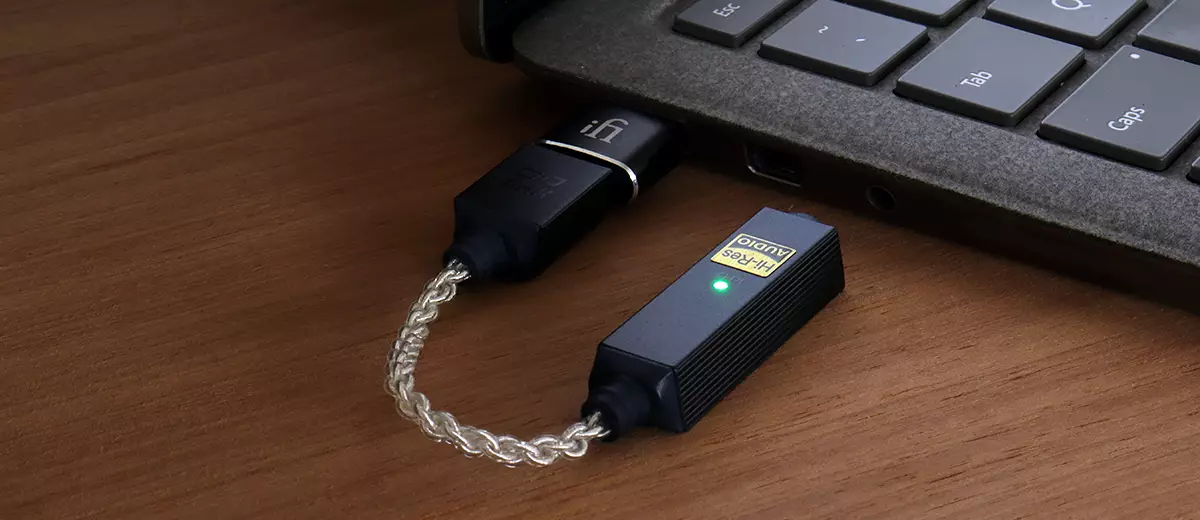
The landscape of portable audio has shifted dramatically over the past few years. As smartphone manufacturers continue to phase out the 3.5mm headphone jack, the "dongle DAC" (Digital-to-Analog Converter) market has become a battlefield for audio companies. iFi Audio, a brand long associated with high-fidelity desktop and portable solutions, has recently released the GO link 2, a successor to their popular entry-level dongle.
Priced at $59.00, the GO link 2 aims to bridge the gap between casual listeners seeking better-than-phone audio quality and budget-conscious audiophiles. In this review, we examine whether this dual-ESS powered device lives up to the iFi pedigree, or if it struggles to keep pace in an increasingly saturated market.
Main Facts: The Evolution of the GO link Series
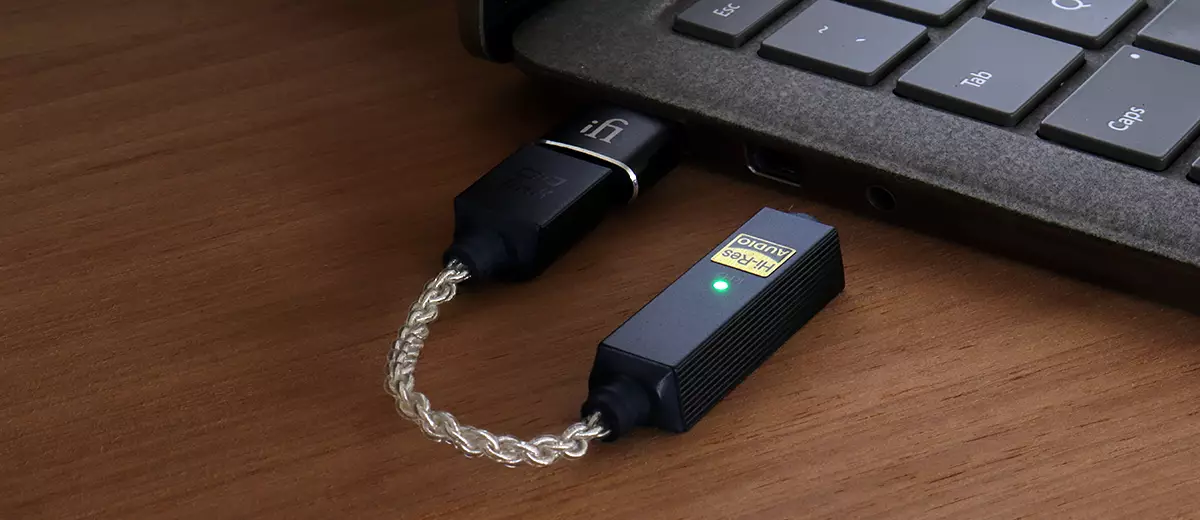
The iFi GO link 2 enters the market with a clear mission: to provide a clean, portable, and affordable upgrade for smartphone and iPhone users. While its predecessor was a staple for many, the GO link 2 introduces several hardware refinements, most notably a move toward a dual-ESS Sabre chipset configuration.
Technical Specifications
- DAC Chipset: Dual ESS Sabre (model unspecified).
- Power Output: 79mW @ 32Ω; 14mW @ 300Ω.
- Supported Formats: PCM up to 384kHz, DSD up to DSD256, DXD.
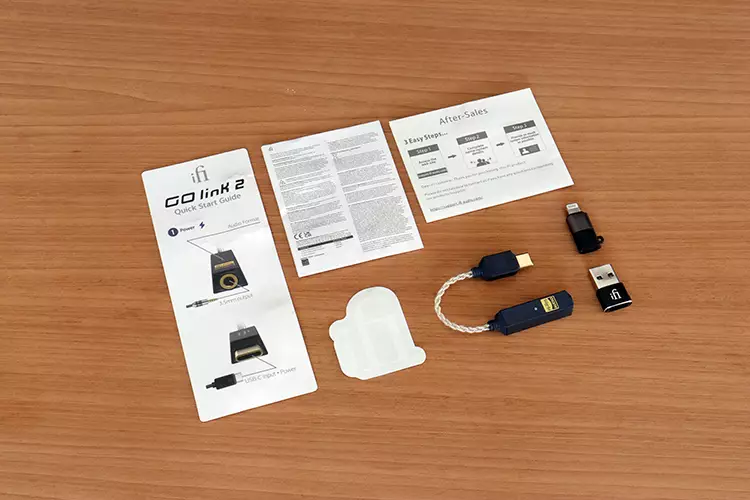
- Connection: USB-C interface with included Lightning and USB-A adapters.
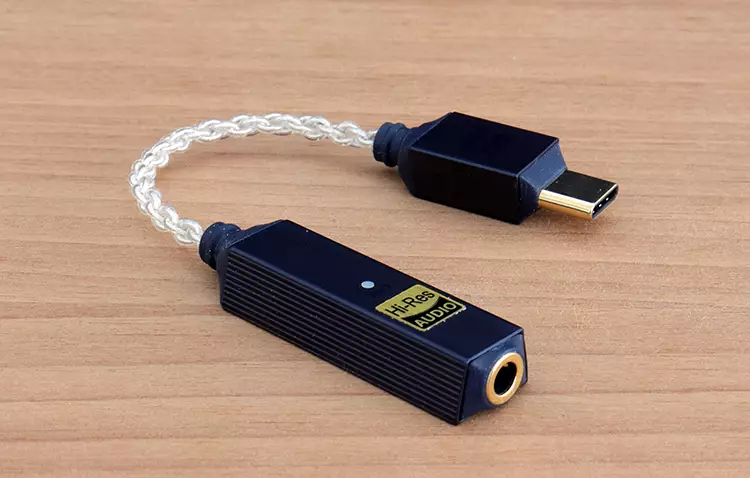
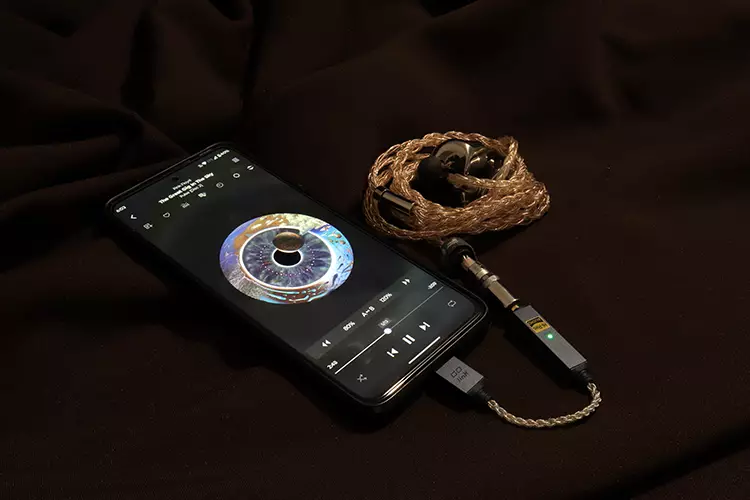
- Build: Precision-milled aluminum alloy with non-removable braided cable.
The device is marketed as an "easy on the pocket" solution, focusing on neutrality, low noise floor, and impressive soundstage for its price bracket. However, it notably omits MQA support, a feature present in the original GO link, signaling a broader industry trend toward high-resolution PCM and DSD streaming.

Chronology: From Development to Market Arrival
The release of the GO link 2 follows a period of rapid iteration for iFi. Historically, iFi has championed their proprietary Burr-Brown DAC chipsets, which are lauded for their natural, organic sound signature. The move to a dual-ESS configuration in the GO link 2 suggests a strategic pivot toward the high-resolution, analytical sound profile that ESS Sabre chips are known for, even at the entry level.
Following its announcement in mid-2026, the unit was positioned to compete directly with established budget powerhouses like the Shanling UA1 Plus and the SMSL D10. The development cycle seems to have focused on minimizing the physical footprint—resulting in a device smaller than its predecessor—while attempting to squeeze out additional power efficiency for smartphone users.
Supporting Data: Performance and Technical Analysis
Power and Efficiency
One of the most critical aspects of any dongle DAC is its ability to drive headphones without draining the host device’s battery. The GO link 2 is highly efficient, making it a perfect companion for long commutes. However, the trade-off is raw power. With an output of 79mW at 32Ω, the device is explicitly designed for highly sensitive In-Ear Monitors (IEMs) and efficient headphones.
During our testing, the device struggled to provide sufficient headroom for high-impedance, low-sensitivity over-ear headphones. While it technically produces 14mW at 300Ω, the real-world performance with such gear lacks the "punch" and authority required for dynamic music playback.
Sound Signature and Sonic Performance
The GO link 2 delivers a clean, neutral sound profile. Its noise floor is impressively low, creating a dark, silent background that allows for excellent instrument separation.
- Bass: The low end is well-defined and articulate. However, testing suggests a roll-off near the 20Hz mark. While it handles standard bass lines with agility, those looking for sub-bass rumble might find the performance slightly clinical or lacking in weight.
- Midrange: The mids are the highlight of the GO link 2. They are forward, assertive, and expansive. Vocals are rendered with clarity, though the ESS implementation does introduce a slight "edge" that some might perceive as brightness.
- Treble: High frequencies are crisp, but they can become strained at higher volume levels. When the device reaches its power ceiling, the treble loses some of its refinement, resulting in a somewhat compressed presentation.
Connectivity and The Nexis App
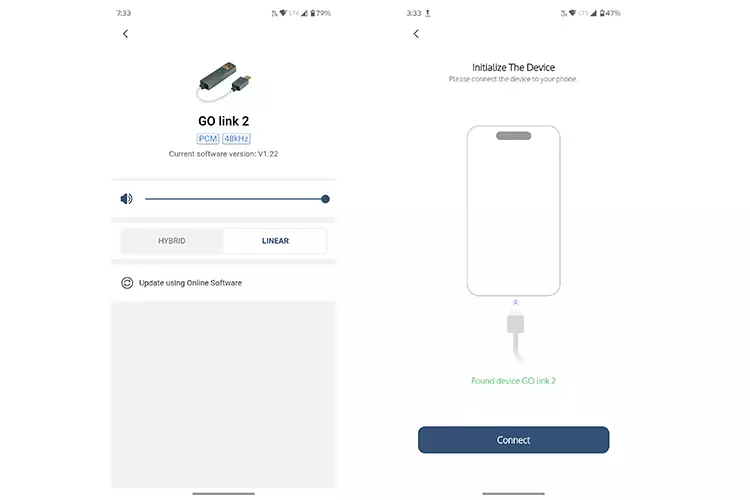
The inclusion of interchangeable adapters (USB-C, Lightning, USB-A) is a major value-add. It ensures near-universal compatibility with modern smartphones, tablets, and laptops. However, the iFi Nexis app experience remains a point of contention. While it allows for firmware updates and basic filter toggling, it lacks persistent settings. Crucially, the app does not store volume or filter preferences once the device is disconnected, which is a significant oversight for a modern companion app.
Official Responses and Industry Context
iFi Audio has positioned the GO link 2 as a "no-nonsense" audio tool. While the company has not issued a formal statement regarding the lack of MQA support, industry analysts point to the decreasing relevance of MQA in the face of widespread FLAC and high-resolution streaming support.
Regarding the "ESS Hump"—a common criticism of early ESS-based designs—the GO link 2 seems to have largely mitigated this through superior circuit design. The use of iFi’s "S-Balanced" technology, which reduces crosstalk by 50% even on standard 3.5mm TRS connections, is a notable engineering choice. While some audiophiles would prefer a 4.4mm balanced output, iFi argues that the S-Balanced topology provides a tangible benefit for the 3.5mm market, which remains the standard for the vast majority of consumer IEMs.
Implications: Is It Worth the Investment?
The GO link 2 represents a paradox in the budget audio market. On one hand, it is an objectively better-sounding device than any built-in mobile headphone jack or generic adapter. Its soundstage, channel separation, and low-noise performance are top-tier for a $59 device.
The Pros:
- Sonic Clarity: Offers a clean, neutral, and dynamic sound that outperforms standard smartphone outputs.
- Portability: Its smaller form factor makes it an ideal travel companion.
- Efficiency: Minimal battery drain makes it perfect for mobile use.
- Versatility: The inclusion of multiple adapters provides immediate "plug-and-play" capability.
The Cons:
- Power Limitations: Strictly limited to efficient IEMs; not suitable for power-hungry headphones.
- Build Concerns: The non-removable cable and thin strain reliefs represent a potential longevity issue.
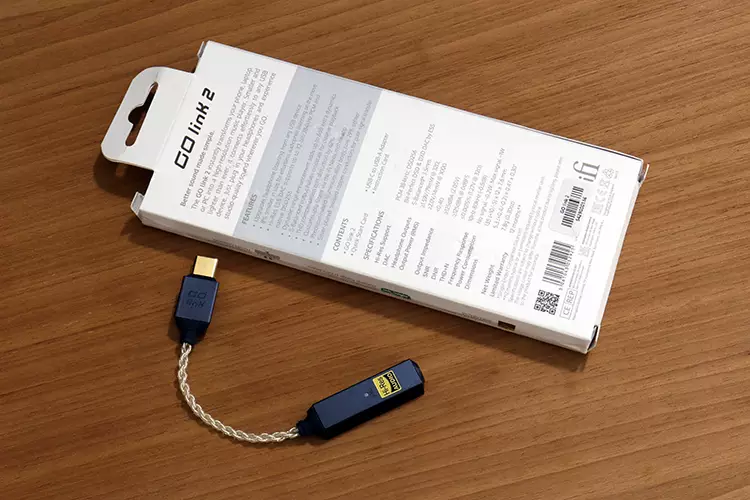
- Subpar Packaging: The thin cardboard packaging provides inadequate protection during transit.
- App Utility: The Nexis app feels unfinished and lacks essential features like persistent volume limiting.
Final Verdict
The iFi GO link 2 is a commendable, if imperfect, device. It excels in delivering a refined, studio-like sound to those who primarily use high-quality IEMs. For the commuter or the office worker looking to elevate their mobile audio experience without spending hundreds of dollars, it is a compelling choice.
However, users should be aware of its limitations. If your collection consists of high-impedance headphones, or if you require the absolute maximum durability, you may want to look toward higher-power alternatives. For the entry-level audiophile, the GO link 2 serves as an excellent introduction to the benefits of dedicated external DAC amplification, provided you manage your expectations regarding its power ceiling.
As the market continues to evolve, iFi will likely need to address the software and build quality concerns in future iterations to maintain its lead against increasingly aggressive competition from brands like Shanling and SMSL. For now, the GO link 2 remains a strong, albeit specialized, contender in the budget dongle arena.