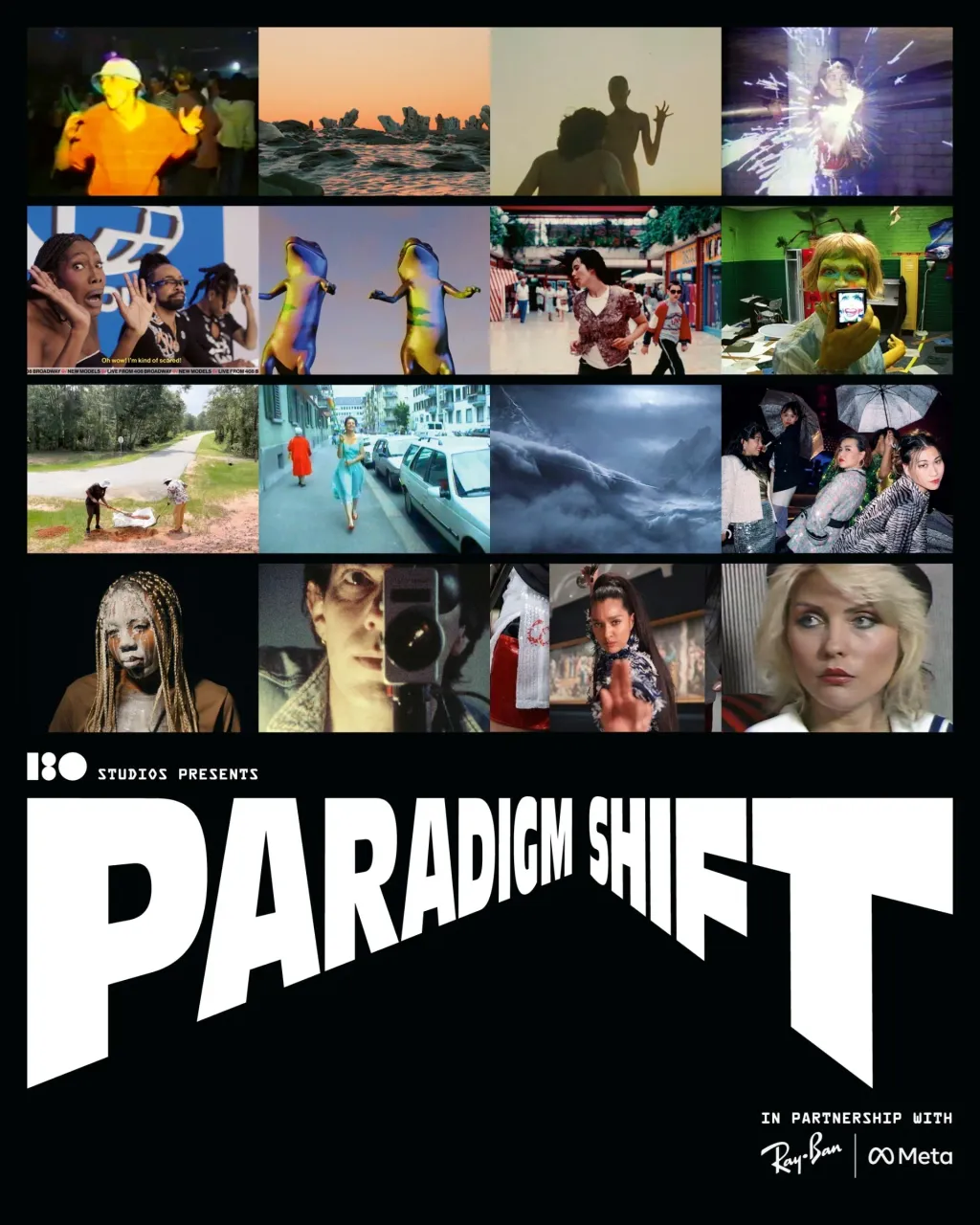
London’s 180 Studios has unveiled its most ambitious project to date: Paradigm Shift, a sweeping, multi-sensory exhibition that interrogates the evolution of moving image culture. Spanning from the experimental fringes of the 1970s to the hyper-connected, algorithmic reality of 2025, the exhibition transforms the subterranean labyrinth of 180 The Strand into a living archive of human expression through the lens.
Curated by Mark Wadhwa and Dazed co-founder Jefferson Hack, Paradigm Shift is not merely a retrospective; it is a profound inquiry into how technology dictates the way we consume, create, and perceive reality. Featuring a star-studded roster of luminaries—including Andy Warhol, Nan Goldin, Mark Leckey, and Arthur Jafa—the exhibition serves as a vital bridge between avant-garde cinema, high fashion, gaming, and the chaotic vernacular of internet culture.
The Evolution of the Image: A Chronological Trajectory
To understand the scope of Paradigm Shift, one must view the exhibition as a timeline of rebellion. The narrative arc begins in the 1970s, an era defined by the democratization of video technology. Before the ubiquity of the smartphone, the advent of portable video recorders allowed artists to bypass traditional broadcast gatekeepers.
The Analog Dawn (1970s–1980s)
The exhibition grounds its early history in the grit and raw experimentation of the 70s. Figures like Andy Warhol—the pioneer of the “superstar” culture and repetitive, hypnotic imagery—provide the foundation. During this period, the moving image shifted from a communal, theatrical experience to an intimate, often subversive one. Artists began utilizing the medium to challenge the status quo, documenting the fringes of society, subcultures, and the emerging queer identity.
The Cultural Convergence (1990s–2010s)
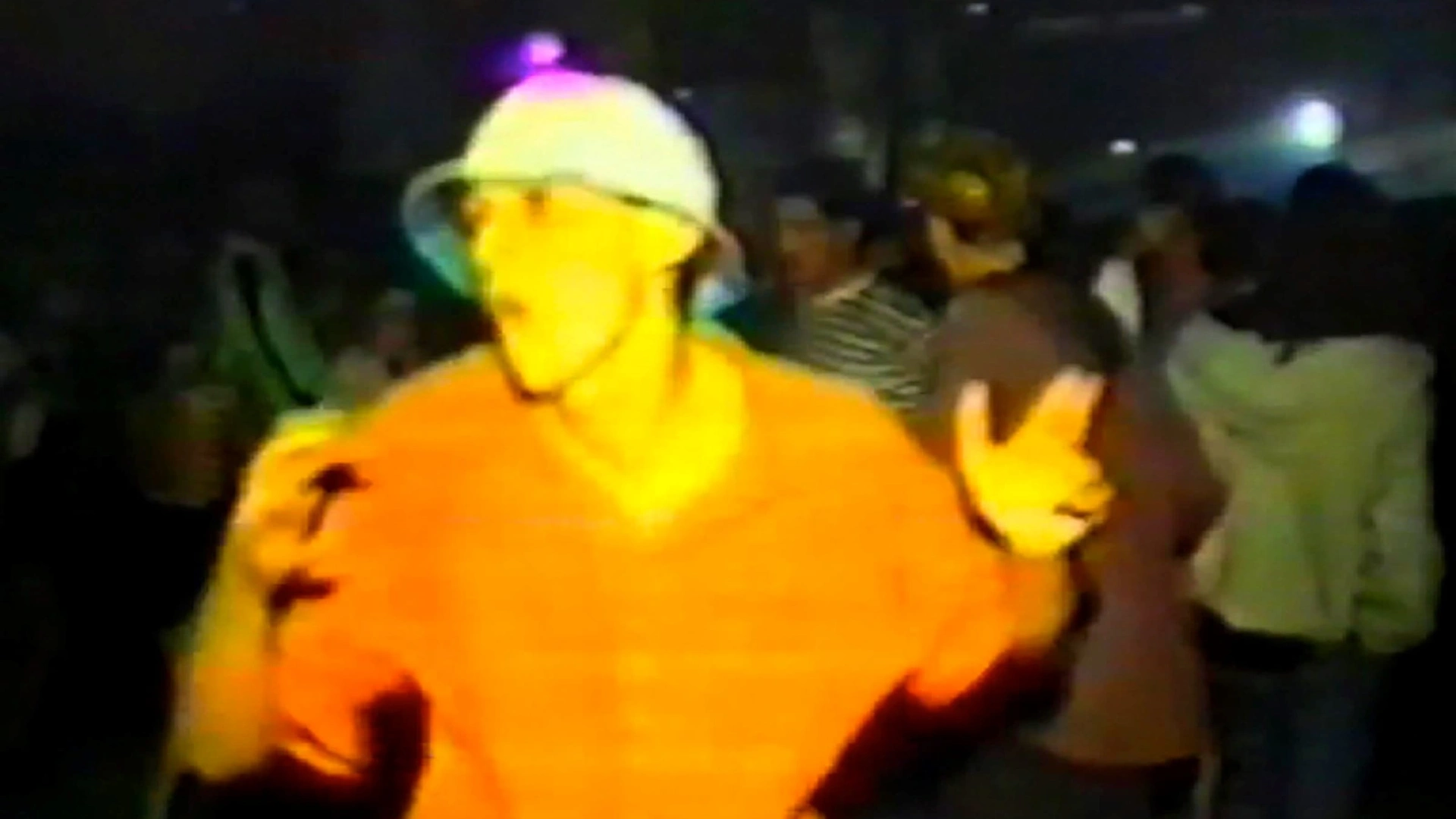
As we move into the 90s and early 2000s, the exhibition highlights the synthesis of music, fashion, and film. Mark Leckey’s 1999 masterpiece, Fiorucci Made Me Hardcore, serves as a pivotal anchor for the show. By splicing together found footage of UK dance culture, Leckey elevated the “music video” and “club archive” to the status of high art, perfectly capturing the euphoric, desperate energy of a generation defined by the dance floor. This era marked a shift where the moving image began to absorb the aesthetics of consumerism and fashion, turning the screen into a mirror of late-stage capitalism.
The Hyper-Connected Present (2020s)
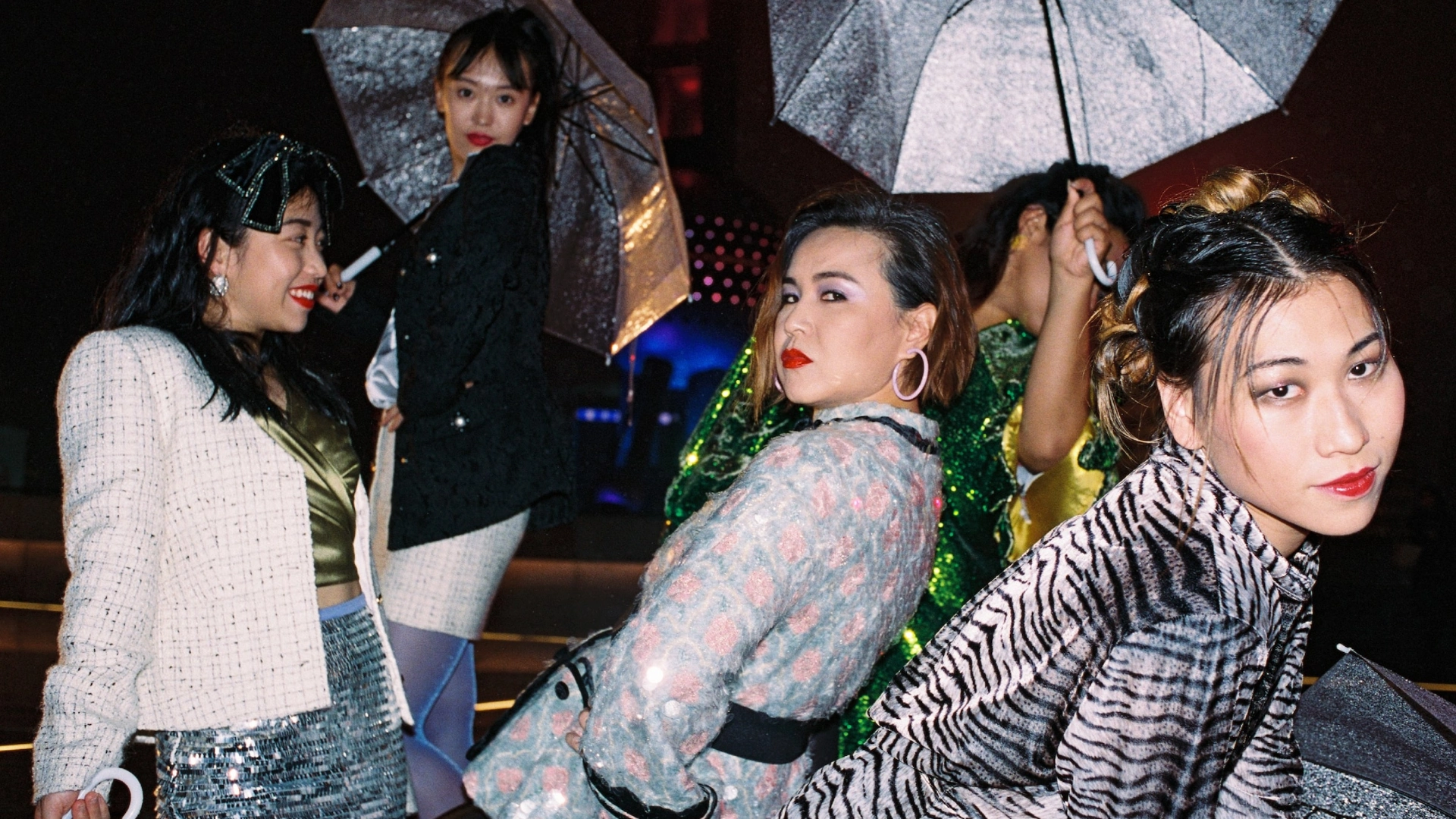
The latter portion of Paradigm Shift confronts the audience with the current digital deluge. With works by artists like Martine Syms, Ryan Trecartin, and Cao Fei, the exhibition dives headfirst into the world of gaming, social media, and algorithmic storytelling. Here, the "moving image" is no longer a static product to be watched; it is an immersive, interactive, and often disorienting environment.
Curatorial Vision and Supporting Data
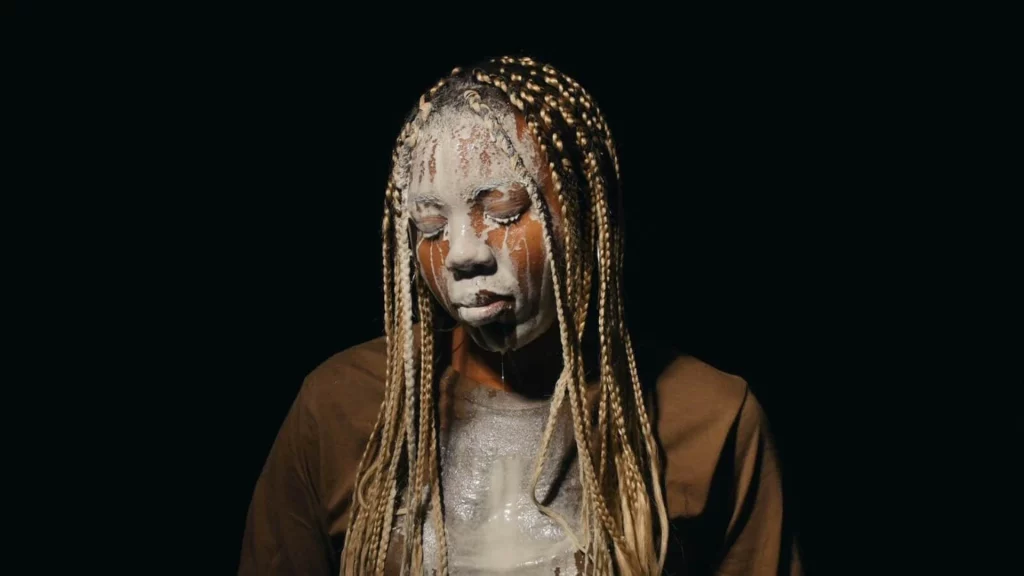
The depth of Paradigm Shift lies in its eclectic curation. By juxtaposing historical icons with contemporary creators like Telfar, Tremaine Emory, and Josèfa Ntjam, Wadhwa and Hack create a dialogue across generations.
Key Exhibitors and Their Contributions
- Mark Leckey: Represented by the seminal Fiorucci Made Me Hardcore, an exploration of nostalgia and collective memory.
- Arthur Jafa: Showcasing the raw, rhythmic power of Black American experience through archival montage.
- Nan Goldin: Providing an intimate, uncompromising gaze into the lives of those on the margins, bridging the gap between photography and cinema.
- Cao Fei: Integrating hip-hop, virtual reality, and the rapid urban evolution of China to comment on global connectivity.
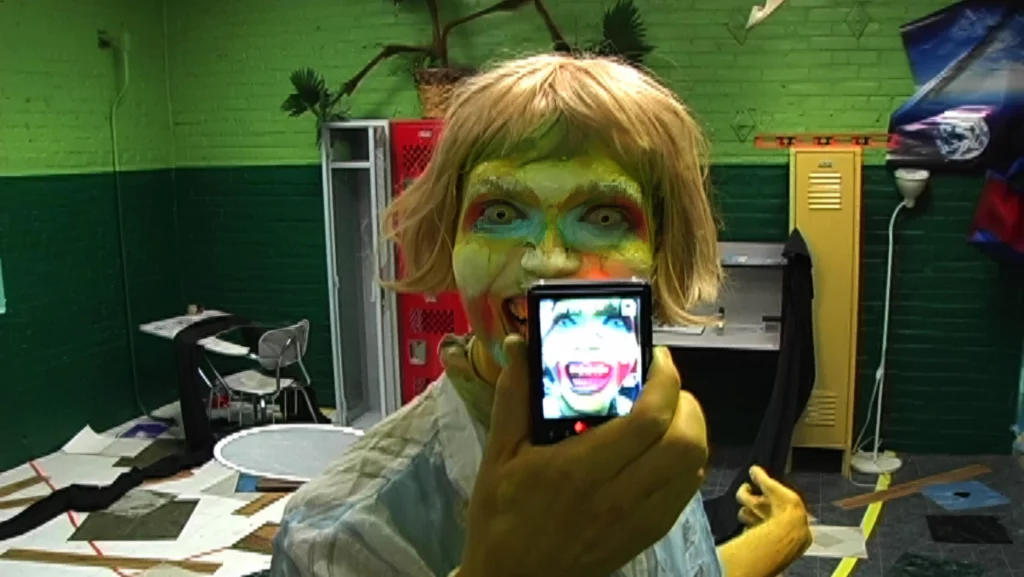
- Ryan Trecartin: Pushing the boundaries of narrative with frantic, surrealist editing that mirrors the sensory overload of internet scrolling.
The exhibition features several new commissions specifically produced for 180 Studios. These works act as a response to the historical pieces, demonstrating that while the tools—from 16mm film to generative AI—have changed, the human impulse to rebel, document, and distort remains a constant.
Official Perspectives: The Philosophy of the Screen
During the press opening, Jefferson Hack emphasized that the exhibition is designed to combat "screen fatigue."
"From the Super 8 and VHS revolutions of the 1970s and 80s to the digital hyper-connectivity of our present moment, video art and the moving image have always operated at a crossroads: high and low, visceral and conceptual, personal and political," Hack stated. "In Paradigm Shift, we see how great artists inspire us to engage with storytelling through screens differently: for us to feel more, imagine more, and recover our senses."
The partnership with Ray-Ban Meta adds an intriguing layer to the exhibition. By integrating wearable technology into the discourse, the organizers are signaling that the next "paradigm shift" is not just about what we see on a wall, but how our perspective is augmented by the very devices we carry.
The Implications of a Digital-First Society
Paradigm Shift arrives at a moment of profound cultural anxiety regarding the role of AI and deep-fakes in visual storytelling. By placing contemporary work alongside historical footage, the exhibition offers a sobering reminder that the "truth" of an image has always been fluid.
The Democratization of Vision
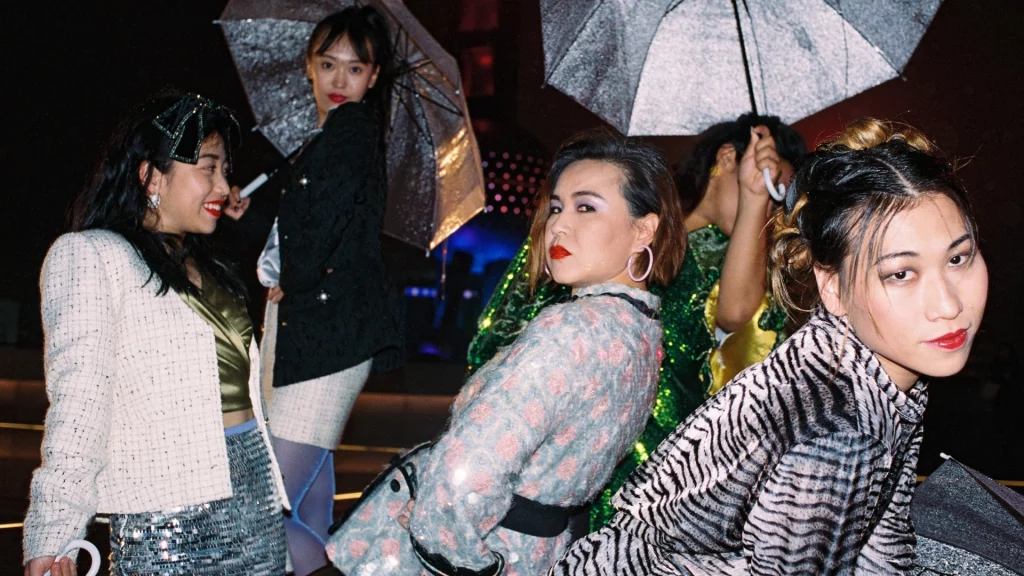
The exhibition posits that the most significant change in the last fifty years is not necessarily the quality of the image, but the speed of its distribution. In the 70s, an artist needed access to equipment and institutional support to reach an audience. Today, the "rebellion" is decentralized. The artists featured in the latter half of the exhibition reflect this: their work is often non-linear, glitch-heavy, and designed for the rapid-fire consumption of a platform-based world.
The Subterranean Experience
The choice of 180 Studios—a massive, concrete, subterranean space—is intentional. By removing the viewer from the daylight and the noise of the city, the exhibition forces an encounter with the work. The spatial design allows for the "visceral" element Hack mentions; viewers are not just looking at a screen, they are walking through, under, and around the projections. This architectural choice reinforces the idea that the moving image has become our environment, not just our entertainment.
Visitor Information and Legacy
Paradigm Shift is a monumental undertaking that requires more than a single viewing to fully grasp. As visitors navigate the dark, cavernous halls of 180 The Strand, they are invited to reflect on their own relationship with the screens that define their daily lives.
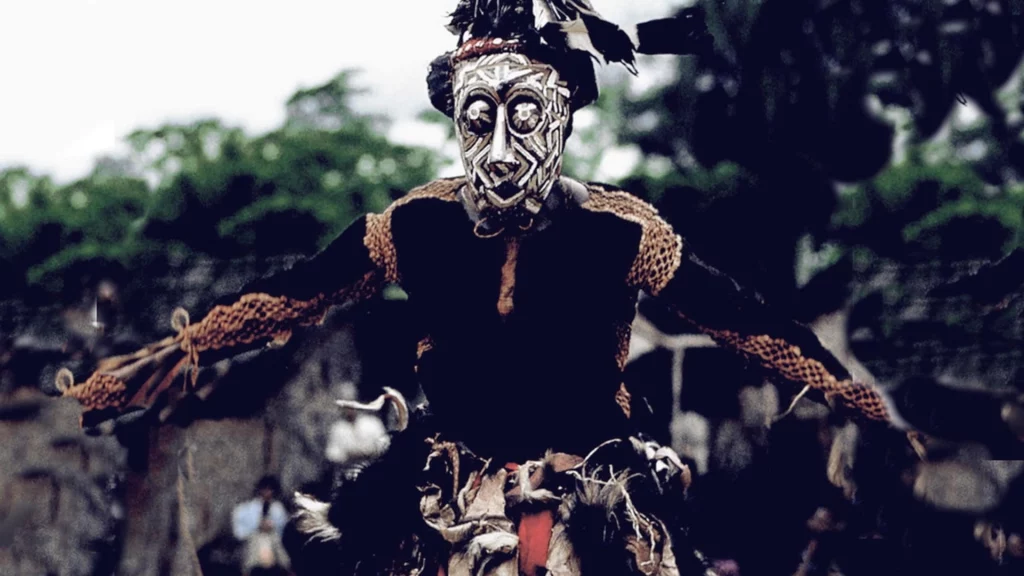
The exhibition is open to the public from October 15, 2025, through February 1, 2026. It stands as a landmark event in the London arts calendar, challenging the visitor to reconsider the screen not as a window, but as a mirror.
Exhibition Details:
- Paradigm Shift: New Dimensions in Moving Image
- Partnership: In association with Ray-Ban Meta
- Location: 180 Studios, 180 The Strand, London, WC2R 1EA
- Dates: October 15, 2025 – February 1, 2026
- Operating Hours: Wednesday – Sunday, 12pm – 7pm
Whether you are a student of film history, a fan of contemporary digital art, or simply a curious observer of the cultural zeitgeist, Paradigm Shift offers an essential roadmap to understanding how we became a society of image-makers. Tickets are currently available through the official 180 Studios website, and given the scale of the exhibition, early booking is highly recommended to secure a slot in this transformative experience.