In a move that has sent shockwaves through the corridors of Silicon Valley, John Jumper, the visionary scientist and Nobel laureate who became synonymous with the breakthroughs of Google DeepMind, has officially announced his resignation. After a tenure spanning nearly nine years, Jumper is trading his badge at Google for a new chapter at Anthropic, one of the most formidable rivals in the artificial intelligence landscape.
This departure, confirmed on Friday, June 20, 2026, marks one of the most significant personnel shifts in the history of the modern AI arms race. It comes at a time when the industry is grappling with intense competition for elite talent, shifting product strategies, and the looming pressure of public market expectations.
The Architect of AlphaFold Moves On
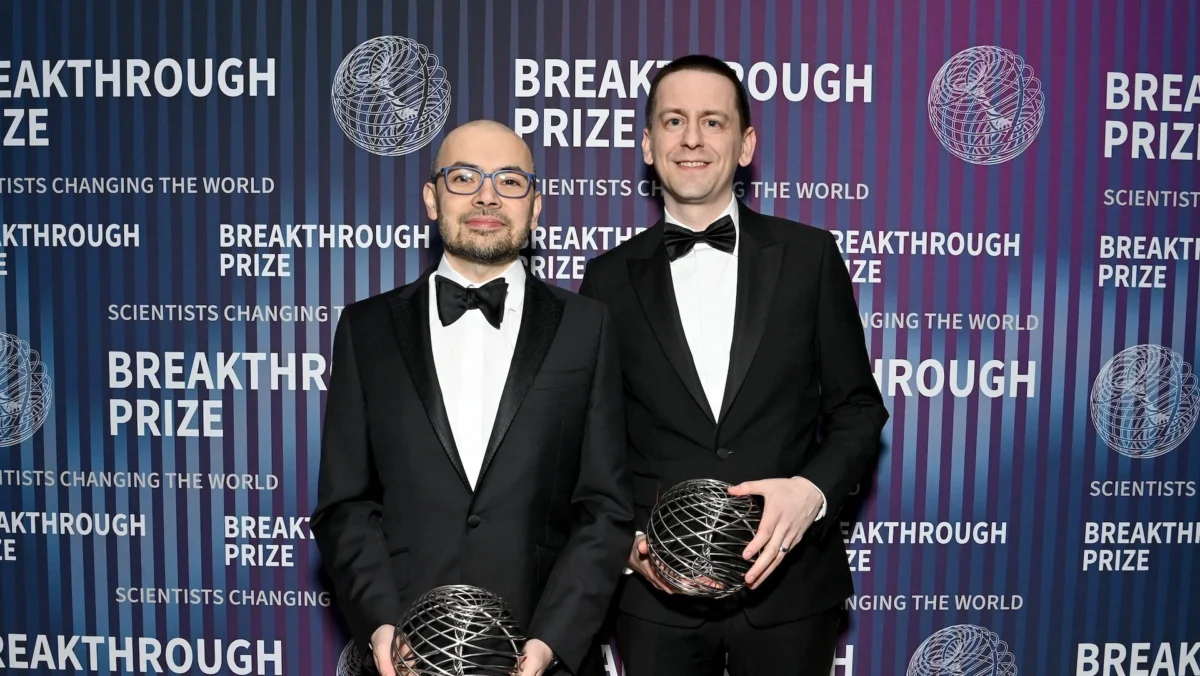
John Jumper is not merely a high-level recruit; he is a titan of the field. In 2024, Jumper and his long-time colleague, Google DeepMind CEO Demis Hassabis, were awarded the Nobel Prize in Chemistry for their transformative work on AlphaFold. This AI system solved a 50-year-old "protein folding problem," essentially predicting the 3D structure of proteins from their genetic sequences with near-perfect accuracy. The implications of this research for drug discovery and biological science were revolutionary, marking a milestone in the utility of artificial intelligence beyond mere language modeling.
In a poignant post shared on X (formerly Twitter), Jumper expressed profound gratitude for his time under the DeepMind umbrella. He specifically credited Demis Hassabis for his mentorship and trust, noting that Hassabis allowed him to lead the AlphaFold team a mere six months after he completed his PhD. "The entire GDM team taught me so much about how to do great science," Jumper wrote, characterizing DeepMind as a "special place" and pledging his continued interest in the innovations the lab will undoubtedly produce in his absence.
A Chronology of the Transition
The timeline of this departure highlights the high-velocity movement currently characterizing the top tier of AI research.
- The Early Years (2017–2021): Jumper joined Google DeepMind, quickly rising through the ranks to lead the AlphaFold project. His work brought unprecedented prestige to the lab, proving that AI could be a foundational tool for scientific advancement.
- The Nobel Triumph (October 2024): The international scientific community recognized Jumper and Hassabis with the Nobel Prize in Chemistry. The award cemented their status as the preeminent figures in AI-driven biology.
- The Pivot to Enterprise (2025–2026): Following his Nobel success, Jumper pivoted his focus toward the development of advanced coding tools within Google. Despite his technical pedigree, reports suggest Google faced challenges in commercializing these tools for a business audience.
- The Week of Departures (June 15–20, 2026): The tech world witnessed a massive talent reshuffling. Just days before Jumper’s announcement, Character AI co-founder Noam Shazeer confirmed he was leaving DeepMind to join OpenAI.
- The Official Announcement (June 20, 2026): Jumper publicizes his transition to Anthropic, signaling a potential shift in the competitive landscape of AI research.
The Shifting Landscape: Why Now?
To understand the weight of Jumper’s exit, one must look at the structural pressures currently weighing on Google. Bloomberg reported that Jumper had been a central figure in Google’s initiative to develop AI coding assistants. While these tools were technically impressive, Google has struggled to find a market fit or a robust monetization strategy that effectively scales within the enterprise sector—a space where competitors like Microsoft (through GitHub Copilot) have gained significant early ground.
The departure of Jumper, combined with the exit of high-profile figures like Noam Shazeer, highlights a growing trend of "talent attrition" from established tech giants to more focused, research-heavy labs like Anthropic and OpenAI. For Anthropic, which positions itself as a leader in AI safety and human-aligned intelligence, landing a Nobel laureate of Jumper’s caliber is a monumental strategic victory. It bolsters their research team with an individual who has proven not just his capacity for theoretical breakthrough, but his ability to lead complex, interdisciplinary teams to deliver world-changing products.
Implications for the AI Arms Race
The migration of top-tier talent is arguably the most critical metric of success in the AI industry today. Capital can be raised, and compute power can be rented, but the density of top-tier researchers—the "brain trust"—remains a scarce resource.

1. The War for Talent
The industry is currently defined by a high-stakes tug-of-war. Google, while still holding a deep bench of researchers, is increasingly seen as a bureaucratic entity that struggles to translate its research breakthroughs into dominant consumer or enterprise products. By contrast, labs like Anthropic and OpenAI are perceived as being more agile, focused, and potentially more rewarding environments for scientists who want to see their work deployed at scale.
2. The Commercialization Struggle
Jumper’s work on coding tools reflects a broader industry challenge: the gap between "research-grade" AI and "product-grade" AI. While AI models can solve complex scientific puzzles, they have yet to consistently solve the problem of enterprise software adoption. The pressure to generate revenue before potential IPOs or to justify massive capital expenditure on GPUs is forcing leaders like Jumper to reassess where they can make the most significant impact.
3. Institutional Stability vs. Research Autonomy
Demis Hassabis built Google DeepMind on the premise of high-risk, high-reward scientific inquiry. However, as that research has moved into the commercial sphere, the autonomy of the researchers has often clashed with the bottom-line requirements of a parent company like Alphabet. Jumper’s move suggests that even the most celebrated scientists are looking for environments that offer a balance between the resources of a major lab and the mission-driven focus of a specialized organization.
Looking Ahead: What Happens Next?
For Google DeepMind, the loss of Jumper is a blow, but not a fatal one. The organization remains a powerhouse of talent, and its pipeline of research—ranging from materials science to weather prediction—remains robust. However, the optics of the situation are undeniable: Google is facing a "brain drain" at the absolute highest level.
For Anthropic, the challenge will be integration. How do you incorporate a Nobel laureate into a team that already has a well-defined trajectory? If Jumper’s role involves expanding their research into new scientific domains, we could see Anthropic move into biological or chemical AI in a more direct, productized way, potentially challenging Google’s dominance in the "AI for Science" sector.
As the industry prepares for the next wave of foundational model updates, the focus will shift from who has the most parameters to who has the most effective, visionary leadership. John Jumper’s decision to move to Anthropic is more than just a job change; it is a statement about where the most promising, high-impact AI work is being done.
The industry now waits to see if this shift will accelerate the next breakthrough or if it will catalyze a broader restructuring of how AI research is organized, incentivized, and commercialized in the years to come. One thing is certain: the era of the "celebrity AI researcher" is only just beginning, and the institutions that fail to retain their luminaries may find themselves falling behind in the most important technological revolution of the century.