In the landscape of modern portable audio, the convergence of retro-inspired vacuum tube technology and high-resolution digital decoding has become a niche but highly sought-after category. For audiophiles who crave the "mellow" harmonic richness of tubes but refuse to sacrifice the convenience of a pocketable device, the market has historically been dominated by high-end, premium-priced units. Enter the MUSE HiFi M3 Ultra—a compact, integrated ES9028Q2M DAC and dual JAN6418 tube amplifier retailing for just $109.99.
By prioritizing a "pure sound" design philosophy over flashy software or Bluetooth connectivity, MUSE HiFi aims to bring the tube experience to the budget-conscious enthusiast. In this review, we examine whether the M3 Ultra is merely a gimmick or a legitimate contender for your portable audio chain.
Main Facts: Architecture and Technical Specifications
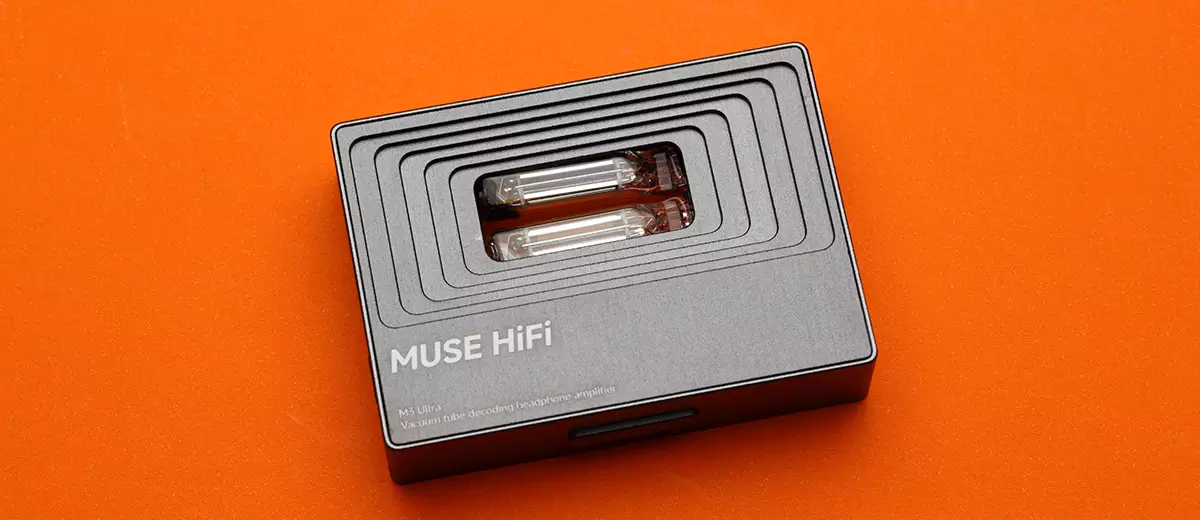
At the heart of the M3 Ultra lies a sophisticated internal architecture that defies its modest price point. MUSE HiFi has opted for a dual-stage amplification approach:
- Decoding Engine: The device utilizes the ESS SABRE ES9028Q2M DAC chip, paired with the ES9603Q op-amp for the initial headphone driver stage.
- The Tube Stage: The signal is then routed through a pair of genuine JAN6418 military-grade, directly heated miniature pentode tubes, manufactured by Raytheon in the United States.
- Output Power: Despite its diminutive stature, the unit manages a respectable 460mW at 3.5mm and 480mW via the 4.4mm balanced output (at a 32Ω load).
- Physical Build: The device measures a compact 65mm x 16mm x 46.5mm and weighs only 55 grams.
- Anti-Vibration Engineering: A critical feature for tube-based portables, the M3 Ultra employs "Triple Anti-Vibration" technology to isolate the fragile tubes from mechanical shock and minimize microphonic interference.
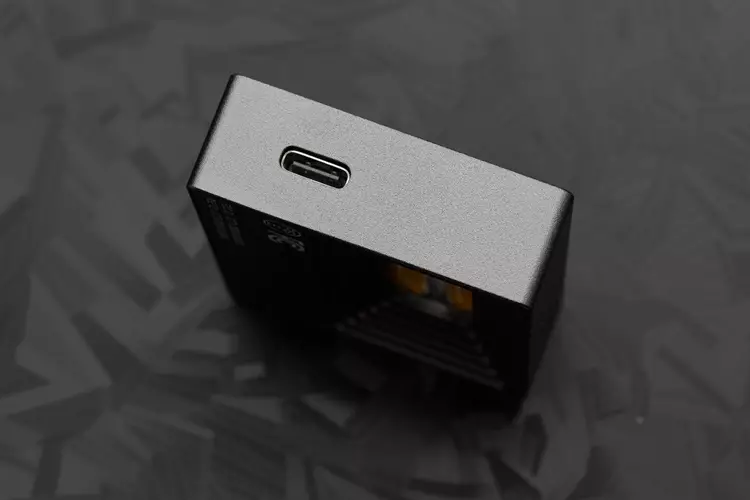
The decision to omit Bluetooth was intentional. By focusing exclusively on a wired USB-C connection, MUSE HiFi minimizes signal processing overhead, ensuring the purest possible path from the digital source to the analog output stage.

Chronology of the Development and Review
The M3 Ultra follows in the footsteps of the more ambitious MUSE HiFi M6 Double and M5 Ultra. Having spent significant time with those previous models, the expectation for the M3 Ultra was set high.
- Initial Burn-in: Upon unboxing, the device requires a mandatory 24-hour burn-in period. Vacuum tubes, by their nature, require time for their cathodes to stabilize and reach optimal operating temperatures.
- Warm-up Routine: For critical listening sessions, a five-minute warm-up period is recommended to allow the JAN6418 tubes to achieve thermal equilibrium, ensuring the signature "tube glow" and sonic consistency are maintained.
- Testing Protocol: The review process involved a variety of high-fidelity sources, including the OnePlus 13 Android smartphone and the FiiO M33 R2R DAP. IEM pairings included the DUNU Falcon Ultra Ti, Kiwi Ears Astral, and QoA Martini.
Supporting Data: Sonic Performance Analysis
Contrary to the common misconception that all tube amplifiers produce a dark, overly warm, and sluggish sound, the M3 Ultra presents a distinctively different profile.

Transparency and Resolution
The M3 Ultra is surprisingly resolving. Unlike many budget-friendly "tube-colored" devices that sacrifice detail for the sake of artificial warmth, this unit maintains a high degree of transparency. The midrange is neutral, possessing accurate note weight that avoids the pitfalls of being too thin or excessively bloated.
The Soundstage Experience
Perhaps the most impressive aspect of the M3 Ultra is its staging. The treble extension is remarkably airy, contributing to a sense of scale that is rare in this form factor. The expanse between the left and right channels is wide, with significant depth, providing a holographic presentation of the music. Instruments are clearly separated, and micro-details—often lost in entry-level DACs—are rendered with delicate clarity.
Dynamic Range
When paired with efficient IEMs, the M3 Ultra excels. The contrast between macro-dynamics (the "punch" of the bass) and micro-dynamics (the subtle, quiet nuances of a string instrument) is well-defined. The added bass thickness, characteristic of the tube stage, creates a "larger-than-life" feeling, though it lacks the absolute "snap" or clinical tightness found in the most rigid solid-state amplifiers.
Official Perspectives and Design Philosophy
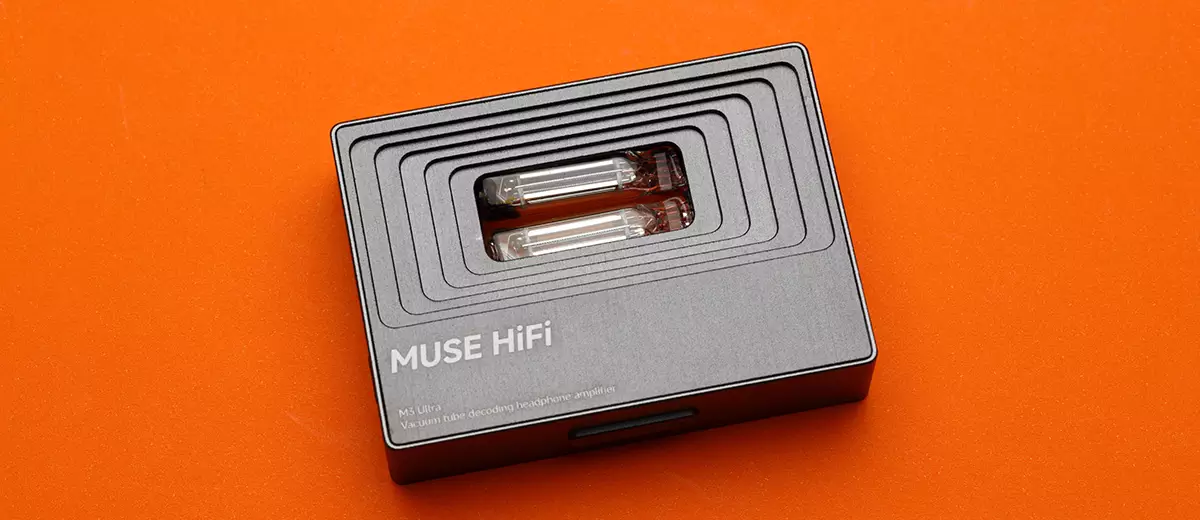
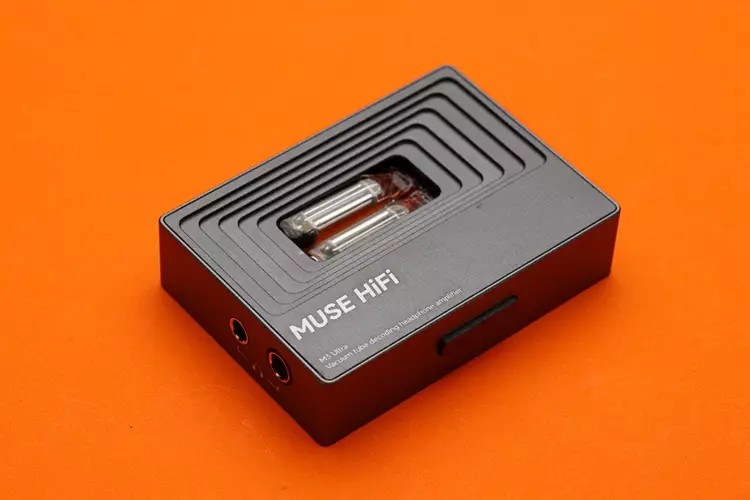
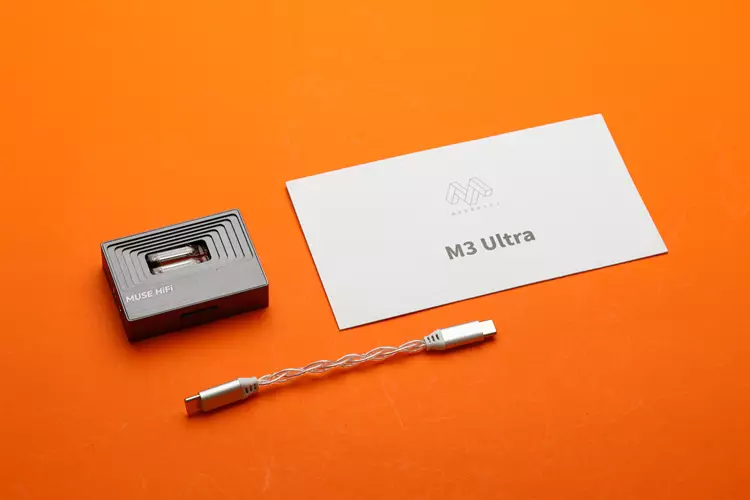
MUSE HiFi’s design language for the M3 Ultra is one of utilitarian elegance. The "stepped" chassis design is reminiscent of high-end dongles like the MOONDROP MoonRiver2, featuring a black, textured finish that exudes durability.
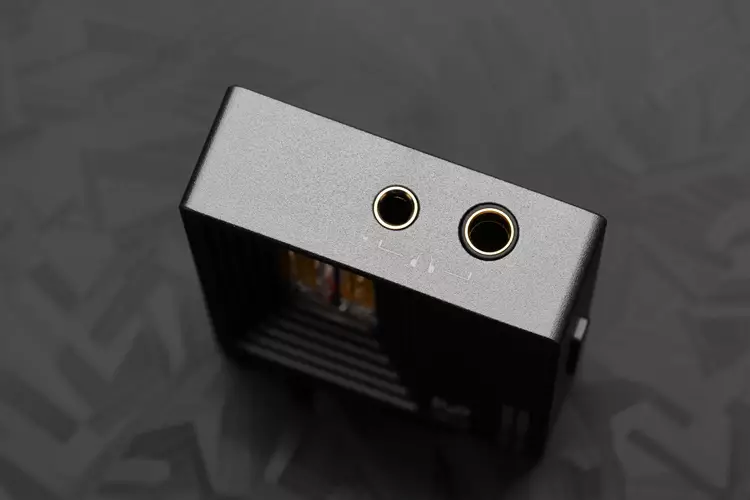
The device features an open-back design that allows the user to see the tubes—a visual confirmation of the analog technology at work. From an operational standpoint, the unit is plug-and-play. It lacks a screen, relying instead on a tactile, long-form volume rocker on the side. The device intelligently remembers volume settings, a small but vital feature for daily usability.
In terms of connectivity, the inclusion of the SA9137L USB controller allows for decoding up to PCM 32-bit/384kHz and DSD256. While some users might lament the lack of UAC 1.0 support for ancient gaming consoles, the standard UAC 2.0 implementation ensures broad compatibility with modern Android, Windows, and macOS devices.
Implications: The Verdict for the Budget Audiophile
The M3 Ultra occupies a fascinating space in the market. By effectively bridging the gap between the ultra-premium "tube-dongle" market and the entry-level solid-state world, MUSE HiFi has created a compelling proposition for those looking to experiment with analog textures.
Pros:
- Exceptional Staging: A wide, airy, and holographic soundstage that punches well above its $109 price tag.
- Transparency: Maintains clarity without succumbing to muddy, artificial warmth.
- Build Quality: Solid construction with effective anti-vibration measures.
Cons:
- Headphone Limitations: While it shines with IEMs, the device struggles with higher-impedance or power-hungry full-sized headphones at high volumes. Users looking to drive desktop-class cans should look elsewhere.
- No Bluetooth: For those prioritizing wireless convenience, the absence of Bluetooth will be a notable drawback.
Final Thoughts
The MUSE HiFi M3 Ultra is a testament to the idea that you do not need to spend hundreds of dollars to enjoy the unique, engaging properties of vacuum tube amplification. It offers a "mildly V-shaped" sound signature that is both energetic and musically inviting.
For the listener who primarily uses IEMs and seeks a portable device that adds a touch of harmonic "magic" to their favorite tracks without losing the resolution of modern digital audio, the M3 Ultra is an outstanding choice. It is a niche product, certainly—but for the right user, it is an essential piece of kit.
Disclaimer: This sample was provided by HiFiGO and MUSE HiFi for the purpose of this review. Headfonics remains an independent publication with no affiliate links.