A Common Audio Grievance, Addressed with Ingenuity and Value
In the intricate world of high-fidelity audio, achieving pristine sound reproduction often hinges on meticulous attention to detail. While audiophiles invest heavily in high-resolution source components, sophisticated amplification, and meticulously designed loudspeakers, one pervasive and frustrating issue frequently undermines their efforts: ground loop noise. This insidious form of interference can manifest as a persistent hum, a subtle hiss, or even a more disruptive buzz, ultimately degrading the listening experience by masking delicate musical nuances and diminishing overall dynamic range. For those who have grappled with this elusive adversary, the quest for a definitive solution can be a long and often expensive one.
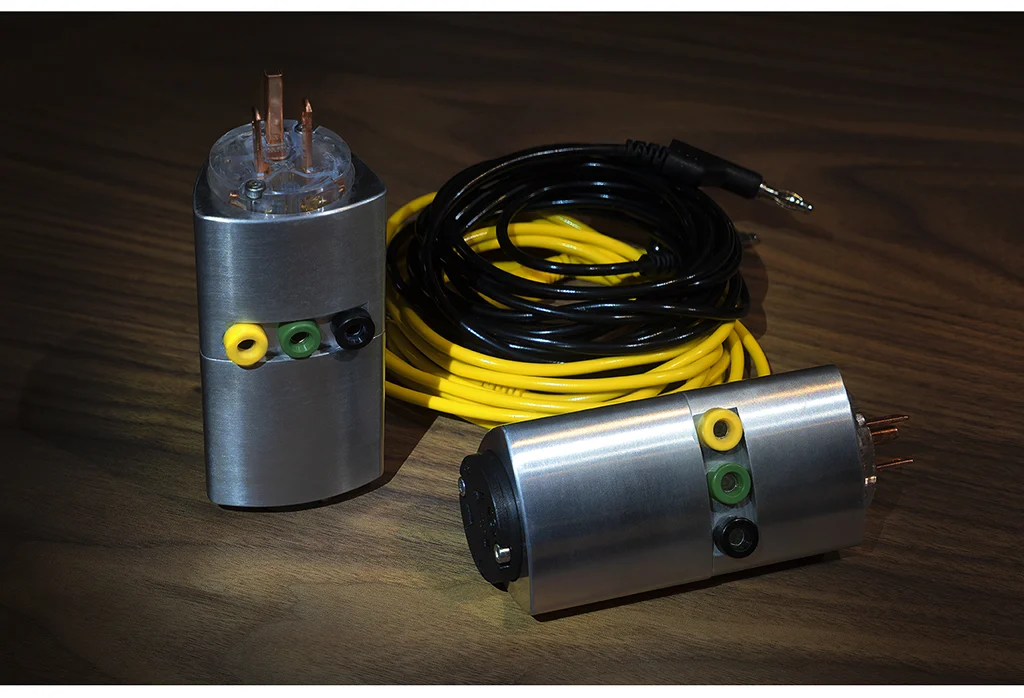
Enter Vera-Fi, a company seemingly dedicated to tackling such common, yet often overlooked, audio challenges. Their latest offering, dubbed the "Ground Floor," promises to address the vexing problem of ground loop noise and other grounding-related sonic disturbances with remarkable effectiveness and, crucially, at an accessible price point. This innovative device, designed with a focus on user-friendly configurability, aims to democratize the pursuit of a silent and dynamic audio playback system, a goal that has historically come with a significant financial commitment.
The Persistent Problem of Ground Loop Noise: A Deeper Dive
For seasoned audiophiles and newcomers alike, the concept of ground loops can be a source of significant confusion and frustration. At its core, a ground loop is an electrical anomaly that occurs when multiple paths to ground exist within an audio system. This often arises when different components in a system are plugged into different power outlets or when a system incorporates a mix of older and newer equipment, each with its own grounding protocols.
The consequence of these unintended parallel paths to ground is the creation of a conductive loop through which stray electrical currents can flow. These currents, often induced by external electromagnetic interference or internal power supply fluctuations, can be amplified and injected into the audio signal path. The result is audible noise, which can range from a low-frequency hum that becomes particularly noticeable during quiet passages, to a higher-frequency hiss that obscures the subtle textures of acoustic instruments or the delicate decay of a cymbal.
This problem is not exclusive to any particular type of audio system. While systems employing Single-Ended Triode (SET) amplifiers and highly sensitive horn loudspeakers are particularly susceptible due to their inherent low noise floor and ability to reveal even the faintest of sonic impurities, virtually any audio setup can be compromised by grounding issues. The presence of vintage gear, often built with different grounding philosophies than modern components, can further exacerbate these problems, creating a complex web of potential ground loop pathways.
Furthermore, the impact of ground noise extends beyond mere audible annoyance. It can actively degrade the performance of audio components by introducing unwanted electrical energy that can interfere with the precise operation of sensitive circuits. This can lead to a reduction in perceived dynamic range, as the subtle crescendos and decrescendos of music are masked by the pervasive noise floor. The clarity and definition of individual instruments can also suffer, as the noise floor blurs the boundaries between them.
Vera-Fi’s "Ground Floor": A Scalable and Ingenious Solution
Vera-Fi’s approach to solving this ubiquitous problem is refreshingly pragmatic and user-centric. The "Ground Floor" is not a one-size-fits-all behemoth but rather a modular and adaptable device designed to address grounding issues at various levels of system complexity. This scalability is a key differentiator, allowing users to tailor the solution to their specific needs and budget.
The core appeal of the "Ground Floor" lies in its ability to isolate and manage grounding pathways. It offers a sophisticated yet intuitive method for "floating" the ground of a specific component, effectively breaking potential ground loops. For systems experiencing issues with a single component, such as a turntable or a digital-to-analog converter (DAC), a single "Ground Floor" unit can be deployed to rectify the problem. This targeted approach avoids the need for an entire system overhaul, making it a highly cost-effective solution.
The introductory price of $199 for the "Ground Floor" positions it as a remarkably accessible option in a market where grounding solutions from premium cable manufacturers can easily command prices equivalent to mid-range amplifiers or DACs. This democratizing aspect is a significant achievement, making a truly silent and dynamic audio experience attainable for a broader audience.
Versatility in Configuration: A Trio of Grounding Strategies
A standout feature of the "Ground Floor" is its remarkable versatility, facilitated by the supplied cables and the device’s adaptable configuration. Users are presented with three distinct operational modes, allowing them to address a wide spectrum of grounding challenges:
-
Component Ground Floating: In its simplest configuration, the "Ground Floor" can be used to isolate the ground of a single component. This is ideal for users who have identified a specific piece of equipment as the source of their noise issues. By breaking the direct ground connection for that component while still providing a safe path for fault currents, the device effectively eliminates the ground loop associated with that particular device.
-
System-Wide Star Ground: For more complex systems with multiple potential grounding points, the "Ground Floor" can be configured to establish a "star ground." In this topology, all components are connected to a single, central grounding point. This eliminates multiple parallel paths to ground, effectively preventing the formation of ground loops. This approach offers a robust and comprehensive solution for systems plagued by widespread grounding problems.
-
Telescoped Grounds Between Outlets: The "Ground Floor" also supports a "telescoped ground" configuration between power outlets. This method allows for a more nuanced approach to managing grounding, where the grounding connection is managed sequentially between different outlets. This can be particularly useful in systems where different outlets have varying grounding characteristics or where specific combinations of components are known to interact problematically.
This multi-faceted approach means that the "Ground Floor" is not just a simple noise filter; it’s a sophisticated grounding management tool that can be adapted to the unique electrical landscape of any audio system. The ability to experiment with these different configurations allows users to fine-tune their system for optimal performance, a level of control rarely found in audio accessories at this price point.
Chronology of a Solution: From Problem to Product
The genesis of the "Ground Floor" can be traced back to the persistent challenges faced by audio enthusiasts in achieving a truly noise-free listening environment. For years, audiophiles have relied on various methods to combat ground loop noise, ranging from simple cable management techniques to the deployment of expensive power conditioners and dedicated grounding boxes.
Early attempts to address grounding issues often involved manually creating separate ground paths or using specialized isolation transformers. While these methods could sometimes yield positive results, they were often cumbersome, required a degree of technical expertise, and were not always universally effective.
The emergence of premium cable manufacturers offering dedicated grounding solutions marked a significant step forward. These products, often employing exotic materials and intricate designs, demonstrated the potential for specialized accessories to tackle grounding problems. However, their prohibitive cost often placed them out of reach for many enthusiasts, leaving a significant gap in the market for an affordable yet effective solution.
Vera-Fi, recognizing this unmet need, embarked on a development journey aimed at creating a device that was both technically sound and economically viable. The design philosophy likely involved extensive research into the physics of ground loops and the development of a robust yet adaptable circuit that could be scaled to different system configurations. The focus on user-friendliness and the provision of clear instructions for the different operational modes were crucial elements in making the "Ground Floor" accessible to a wider audience.
The introduction of the "Ground Floor" at its current price point signifies a culmination of this development process, offering a tangible solution to a long-standing audio problem.
Supporting Data: The Science of Silent Sound
While the full technical specifications and in-depth scientific analysis of the "Ground Floor" are anticipated in a forthcoming full review, the fundamental principles at play can be understood through basic electrical engineering concepts.
The device operates by manipulating the impedance of the ground path. A ground loop essentially creates a low-impedance path for unwanted AC current to flow. The "Ground Floor" likely introduces a controlled impedance into this loop, effectively rerouting or significantly attenuating the problematic AC current. This can be achieved through various means, such as the use of specific passive components (resistors, capacitors, inductors) or even small, specialized isolation transformers within the unit.
The "floating" of a component’s ground is a critical function. By disconnecting the chassis ground of a component from the main system ground and providing an alternative, controlled path, the "Ground Floor" prevents the formation of a continuous loop. This is distinct from simply disconnecting the ground pin on a power plug, which can be a safety hazard. The "Ground Floor" ensures that a safe path for fault currents remains intact, mitigating any safety risks.
The scalability of the device suggests an intelligent design that can accommodate different current loads and electrical environments. The ability to configure it for a single component, a system-wide star ground, or cascaded grounds implies a flexible internal architecture. The provision of multiple cables further supports this, allowing for different connection strategies to be implemented.
The ultimate "supporting data" for the "Ground Floor" will come from rigorous listening tests across a variety of systems and with different types of grounding issues. The subjective experience of a quieter background, increased dynamic range, and enhanced detail retrieval will be the most compelling evidence of its efficacy.
Official Responses and Manufacturer Insights
While direct quotes from Vera-Fi regarding the "Ground Floor" are not yet extensive, the company’s positioning and the product’s design speak volumes about their intentions. The "Ground Floor" is presented as a direct response to a common and persistent problem faced by audio enthusiasts.
The emphasis on "solving a common problem, and at a reasonable price" highlights Vera-Fi’s commitment to accessibility and practicality. This suggests a company that is not solely focused on the ultra-high-end market but is keen to provide valuable solutions to a broader segment of the audio community.
The mention of the "intro price" indicates a strategic market entry, aiming to encourage early adoption and gather feedback from users. Vera-Fi likely anticipates that the performance and value proposition of the "Ground Floor" will speak for itself, leading to widespread positive reception.
For further information and direct inquiries, the company encourages potential customers to visit their website: https://verafiaudiollc.com/. This direct channel ensures that interested parties can obtain the most up-to-date details and speak with the manufacturer’s representatives.
Implications for the Audiophile Community: A Quieter Future
The introduction of Vera-Fi’s "Ground Floor" carries significant implications for the audiophile community. Primarily, it offers a tangible and affordable path to resolving one of the most vexing and persistent issues in audio playback: ground loop noise.
For countless enthusiasts who have invested heavily in their audio systems only to be plagued by an irritating hum or hiss, the "Ground Floor" represents a beacon of hope. It democratizes the pursuit of a silent background, a crucial element for truly immersive and engaging music listening. This means that the subtle nuances of a recording, the delicate decay of notes, and the full dynamic range of the music can be appreciated without the distraction of unwanted noise.
The scalability of the device also means that users are not forced to purchase an overly complex or expensive solution if their needs are relatively simple. This pragmatic approach respects the user’s budget and allows for incremental upgrades or targeted problem-solving.
Furthermore, the "Ground Floor" has the potential to encourage the integration of more diverse audio components, including vintage gear, into modern systems. By providing a reliable method for managing grounding complexities, it opens up possibilities for enthusiasts to explore the sonic qualities of older equipment without fear of introducing intractable noise problems.
The impending full review by Tone Publications, promising investigations into various scenarios, will undoubtedly provide further validation of the "Ground Floor’s" capabilities. Until then, Vera-Fi’s latest offering stands as a compelling testament to thoughtful engineering and a commitment to enhancing the audio experience for a wider audience. The prospect of a quieter, more dynamic, and ultimately more enjoyable listening experience for a significantly lower cost is a welcome development indeed.