The global economy runs on the shoulders of the “frontline workforce”—the 2.7 billion individuals who power the engines of healthcare, retail, logistics, and hospitality. Despite their critical importance, these workers are frequently managed through archaic, fragmented systems defined by manual spreadsheets, disjointed phone calls, and a lack of digital infrastructure.
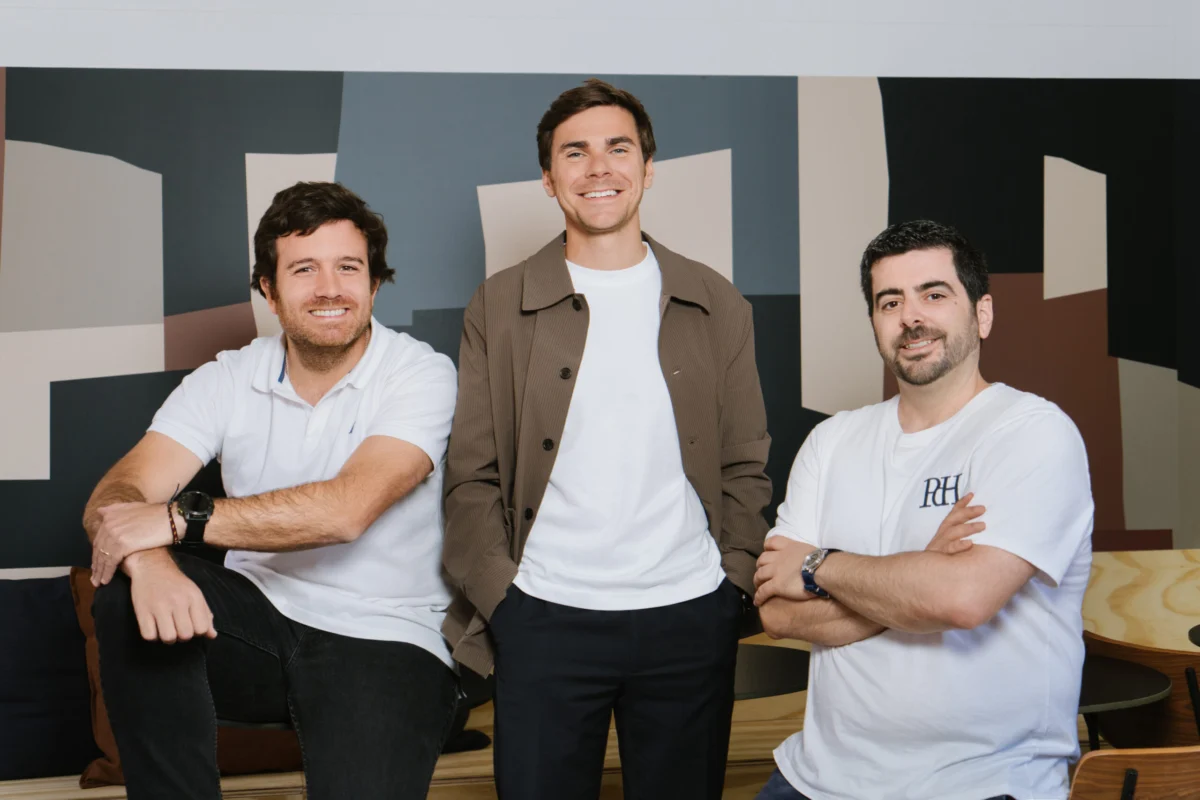
Sergi Bastardas, a veteran of Amazon and the floriculture startup Colvin, identified this glaring inefficiency during his decade-long career. His observation was simple yet profound: while corporate offices enjoy sophisticated HR tech stacks, the frontline remains trapped in a legacy analog loop. In 2025, alongside co-founders Nacho Travesí and Antonio Melé, Bastardas launched Orbio, an enterprise AI startup designed to bring "human infrastructure" to the frontline through autonomous AI agents.
This week, the company signaled its arrival as a major industry player, announcing a $21 million Series A funding round led by Dawn Capital. With a total of $26 million raised to date, Orbio is now poised to scale its mission of digitizing the most critical—and most overlooked—segment of the global labor market.
Main Facts: Automating the Employee Lifecycle
Orbio distinguishes itself by moving beyond simple task automation. Instead, it deploys a suite of AI agents—specifically named Maria, Daniel, and Claire—to handle the end-to-end lifecycle of a frontline employee. These agents do not merely assist; they act as autonomous stewards of the workforce.
The Role of the AI Agent
- Recruitment and Interviewing: The agents engage candidates in real-time, assessing cultural fit and skills, effectively acting as a 24/7 recruiting team that never sleeps.
- Onboarding: Once a candidate is selected, the agents handle the complex, often tedious paperwork and integration processes required to get a new hire on the floor.
- Operational Management: Agents monitor employee output and conduct daily check-ins, ensuring that managers are alerted to performance trends or potential burnout long before they become critical issues.
- Feedback Loops: The brilliance of the system lies in its interconnectivity. Data from onboarding informs hiring criteria; exit interviews reveal root causes of attrition; and engagement metrics identify retention risks, allowing the system to recalibrate itself constantly.
Chronology: From Concept to Capital
The trajectory of Orbio reflects the rapid maturation of generative AI applications in the enterprise sector.
- 2015–2024 (The Observation Period): Sergi Bastardas spent a decade navigating the logistical complexities of scaling companies like Amazon and Colvin. It was during these years that he recognized that the "human infrastructure" required to manage large, non-desk-bound workforces was severely underdeveloped.
- Early 2025 (The Launch): Bastardas, Travesí, and Melé officially incorporated Orbio, setting out to bridge the gap between AI capability and frontline management needs.
- Mid-2025 (Market Validation): The company moved quickly from beta testing to full-scale deployment with major enterprise clients.
- October 2025 (The Series A Milestone): With early evidence of success—such as the operational transformation at The Stepping Stones Group—Orbio secured its $21 million Series A funding led by Dawn Capital. Previous investors, including Visionaries and 2100 Ventures, also participated, signaling strong confidence in the company’s trajectory.
Supporting Data: Proving the ROI
The shift from manual management to AI-driven autonomy is not merely a theoretical upgrade; it is a measurable business transformation.
At The Stepping Stones Group, a behavioral health provider, the deployment of Orbio agents has yielded significant results. According to Bastardas, the platform now manages the company’s full U.S. operations. The primary metric of success? A 20% increase in candidate conversion—meaning more qualified applicants are successfully navigating the pipeline to become productive employees.
This efficiency is critical for companies like Poke and YUM! Brands (the parent company of KFC, Pizza Hut, and Taco Bell). These organizations operate at a scale where even a marginal improvement in retention or recruitment speed results in millions of dollars in saved operational costs and increased productivity. By reducing the administrative burden on middle managers, Orbio allows human leadership to focus on high-level strategy rather than the minutiae of shift coordination and documentation.
Official Responses and Strategic Vision
When asked about the competitive landscape, Bastardas acknowledges players like Paradox (which specializes in automated recruiting) and WorkJam (which focuses on digital frontline management). However, he argues that these companies are solving specific, siloed problems, whereas Orbio is tackling the systemic fragmentation of the entire workforce lifecycle.
"Our biggest competitor isn’t another software company," Bastardas noted. "It’s the legacy approach to management—the status quo of spreadsheets, sticky notes, and phone calls. That is the barrier we are breaking down."
Regarding the future, Bastardas emphasized that this is a moment of empowerment for the worker as much as the business. "The 2.7 billion people who keep healthcare, retail, logistics, and hospitality running—most of whom don’t have a corporate email address—have previously been left out of the digital transformation. They haven’t had the tools to help them grow, learn, or even be heard. This is their AI moment."
The company plans to use the new $21 million in capital to aggressively hire talent and accelerate the development of more specialized AI agents, further expanding the capabilities of the platform to handle more complex labor scenarios.
Implications: The Future of the Frontline Workforce
The rise of Orbio suggests a broader trend in the enterprise AI space: the shift from "co-pilot" tools that assist knowledge workers to "agentic" systems that manage physical-world operations.
1. The Death of the "Deskless" Gap
Historically, the "digital divide" has separated office-bound employees from those in the field. Knowledge workers have long enjoyed the benefits of HR software, Slack, and digital performance tracking. Orbio effectively closes this gap, providing the frontline with the same level of analytical support and managerial oversight as their corporate counterparts.
2. Autonomous Operations
By delegating workforce operations to AI agents, companies can achieve a level of consistency that is impossible to maintain with human-only management. If a policy changes, the agents update their knowledge base and apply it instantly across thousands of employees. If an employee is at risk of leaving, the agent detects the pattern and notifies the manager before the resignation letter is signed. This is a transition from reactive management to proactive stewardship.
3. The Human Element
Critics of AI-managed workforces often raise concerns about dehumanization. However, Orbio argues the opposite. By automating the repetitive, transactional aspects of HR—onboarding, scheduling, and basic compliance—the company creates space for managers to engage in genuine, value-added human interaction. When a manager spends less time on data entry and more time on mentorship, the employee experience improves, which is the ultimate driver of retention in high-turnover industries.
4. A New Economic Pillar
As Orbio grows, it acts as a catalyst for a more efficient labor market. By creating a standardized, digital infrastructure for frontline work, the company is effectively building a "human supply chain" that is as optimized as the physical supply chains that retailers and logistics firms have perfected over the last few decades.
Conclusion
Orbio’s successful Series A marks a turning point in the adoption of AI within the physical service economy. By focusing on the 2.7 billion workers who actually run the world, the startup is not just improving a software vertical; it is attempting to solve a fundamental human resource challenge that has persisted for decades. As they scale, their AI agents—Maria, Daniel, and Claire—may soon become the standard-bearers for how the next generation of the global workforce is recruited, managed, and empowered.
For the investors at Dawn Capital, the bet is clear: the future of work is not just about automation, but about the intelligent orchestration of human effort at an unprecedented scale. With $26 million in the bank and a clear path toward market leadership, Orbio is well-positioned to turn that vision into a global reality.