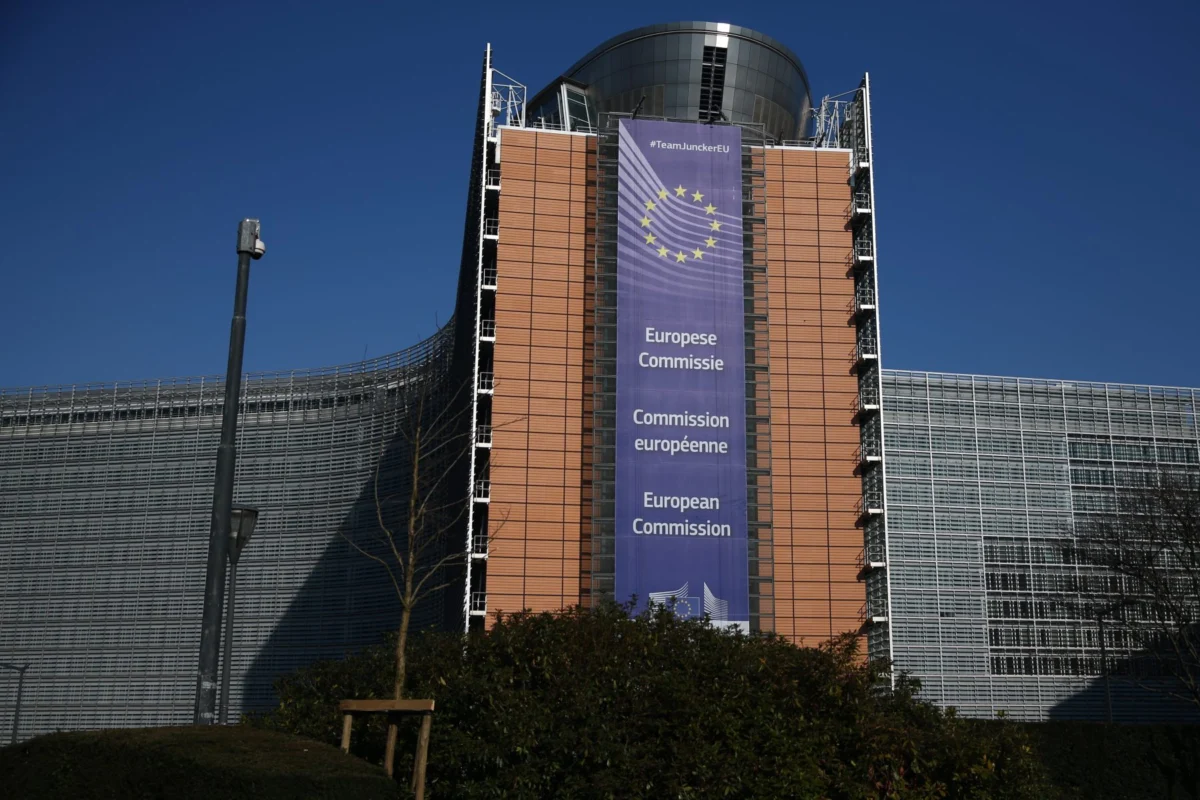
A coalition of the most influential voices in the American music industry has sounded a clarion call to the federal government, warning that a proposed policy shift within the European Union threatens to dismantle a critical revenue stream for U.S. creators. More than a dozen industry organizations—including the Recording Academy, SoundExchange, the American Association of Independent Music (A2IM), ASCAP, and BMI—have formally urged the United States Trade Representative (USTR), Jamieson Greer, to intervene. At stake is nearly $300 million in annual royalties that American artists, performers, and labels currently receive from European terrestrial radio broadcasts and public performance venues.
The Core Conflict: A Potential Reversal of Protections
The controversy centers on a potential legislative move by the European Commission (EC) to reinstate the principle of "material reciprocity." Under this framework, EU member states would only grant public performance royalties to international artists and labels if their home countries provide reciprocal protections.
Because United States law does not currently grant a public performance right for terrestrial radio play—a stark contrast to the vast majority of developed nations—the implementation of material reciprocity would effectively lock American creators out of the European royalty pool. The coalition, in their July 8 letter to the USTR, did not mince words, labeling the proposal as an attempt to "codify discrimination against American creators into EU law."
A Chronology of the Legal Tug-of-War
The current crisis is the latest chapter in a long-standing geopolitical struggle over intellectual property rights. To understand the stakes, one must look at the recent history of this friction:

- Pre-2020: EU countries operated largely under the principle of material reciprocity, effectively excluding U.S. artists from radio royalties because the U.S. domestic market does not provide a reciprocal right for recorded music on terrestrial radio.
- The 2020 Landmark Ruling: A pivotal European court decision shifted the landscape, requiring EU member states to pay public performance royalties to all sound recording rightsholders, regardless of their nationality. This opened the floodgates for millions of dollars in previously inaccessible royalties to flow to American artists.
- May 2025: The European Commission announced it was considering new legislation specifically designed to overturn the 2020 court ruling. The EC cited a need to "make the European music market more competitive and prevent royalties from being diverted away from European music producers and performers."
- June 2025: Industry stakeholders began submitting formal comments to the EC, with major players like Warner Music Group joining the chorus of opposition, while European trade bodies like IMPALA intensified their lobbying efforts in favor of the restriction.
- July 2025: The coalition of 14 U.S. industry groups sent their urgent appeal to the U.S. Trade Representative, calling for aggressive diplomatic and economic pressure.
Economic Implications: The $300 Million Question
The financial weight of this decision cannot be overstated. Industry estimates suggest that approximately $300 million in annual revenue is at risk. For many American artists, particularly those whose catalogs are frequently played on European radio, this represents a significant portion of their professional livelihood.
The U.S. coalition argues that the U.S. government should "fully leverage available trade tools," including sustained bilateral engagement and coordinated multilateral pressure. They suggest that if diplomatic avenues fail, the U.S. should consider targeted enforcement measures. The underlying argument is that copyright protection should be a global standard, not a bargaining chip used to create protectionist barriers.
Official Responses and Industry Polarization
The industry is currently divided, with lines drawn largely along geographic and commercial interest.
The Case Against the EC Proposal
Warner Music Group (WMG), representing the interests of major labels and their massive global catalogs, has been one of the most vocal opponents of the EC’s potential legislative path. In a June 25 filing, WMG argued that the protection of foreign copyrights is "essential to investment in EU copyright industries."

WMG’s stance is that material reciprocity creates a perverse incentive for music users—such as radio stations and retailers—to favor "unprotected" music to avoid royalty obligations. "Put simply," the company argued, "material reciprocity will mean less money flowing to artists, those who invest in new music, and the relevant collective management entities."
The European Perspective: The "Siphoning" Concern
Conversely, European rightsholder groups, represented prominently by the independent music association IMPALA, have lobbied for years to return to the reciprocity model. Their argument is rooted in the protection of the local ecosystem.
IMPALA contends that without EC intervention, the 2020 ruling creates a permanent, one-way outflow of capital. They argue that as long as the U.S. refuses to grant a performance right for terrestrial radio, there is no justification for European creators to subsidize the American industry. IMPALA estimates that the lack of material reciprocity could result in a transfer of over €125 million per year out of Europe to the U.S., totaling over €1.25 billion over a decade. For these groups, the issue is not discrimination, but the maintenance of a sustainable, domestic market.
Broader Implications for Global Copyright
This dispute highlights the inherent tension in international copyright law. The United States remains an outlier among developed nations in its failure to recognize a performance right for sound recordings on terrestrial radio, a policy gap that has been the subject of decades of failed legislative attempts in Washington.

If the European Union successfully reinstates material reciprocity, it may set a dangerous precedent for other territories. Should other major music markets follow suit, American creators could face a "domino effect" of lost royalties, significantly diminishing the global value of American music catalogs.
Moreover, this conflict underscores the growing power of the European Commission as a global regulator of digital and intellectual property. The EC is increasingly willing to prioritize its own market’s stability over the expectations of foreign copyright holders. For the U.S. music industry, the battle is no longer just about lobbying for domestic radio rights; it is about protecting existing international revenue streams against a wave of European protectionism.
Conclusion: The Path Forward
As the U.S. Trade Representative reviews the request for intervention, the industry awaits a signal from the Biden administration regarding how aggressively it will pursue this matter. A diplomatic resolution would likely require the U.S. to offer some form of concession or a roadmap toward establishing domestic performance rights—a move that has historically faced insurmountable opposition from the U.S. radio lobby.
Absent a diplomatic breakthrough, the music industry is bracing for a protracted trade conflict. The outcome of this dispute will not only determine the financial future of thousands of American creators but will also serve as a litmus test for the resilience of international copyright agreements in an increasingly fractured global landscape. For now, the "transatlantic royalty war" remains a critical issue that threatens to disrupt the flow of music and money between the world’s two most influential music markets.