The podcasting landscape is in a state of constant evolution. As the medium matures from a hobbyist’s playground into a multi-billion-dollar industry, the demands on creators—both in terms of professional infrastructure and content quality—have never been higher. This report explores the critical intersections of financial security, shifting audience preferences, and the latest programming developments shaping the industry in July 2026.
The Hidden Vulnerability: Protecting Your "Studio"
A significant portion of the modern podcasting workforce operates from home-based studios. For many, this represents a low-overhead entry point into the medium. However, a pervasive myth exists among creators: the belief that their expensive microphones, audio interfaces, and computer setups are fully protected under standard homeowner’s or renter’s insurance policies.
The Business Equipment Trap
Professional insurance experts, including those at MusicPro Insurance, warn that this assumption is a financial "time bomb." Standard residential policies are designed to cover personal property. Once that property is used to generate income—as is the case with professional or semi-professional podcasting—it is legally and contractually reclassified as "business equipment."
In the event of a theft, fire, or accidental damage, a standard claim is highly likely to be denied because the assets were being used for commercial purposes. This exclusion leaves the creator not only without their essential tools but also without the capital to replace them, effectively ending their production capabilities overnight.
The "White Glove" Necessity
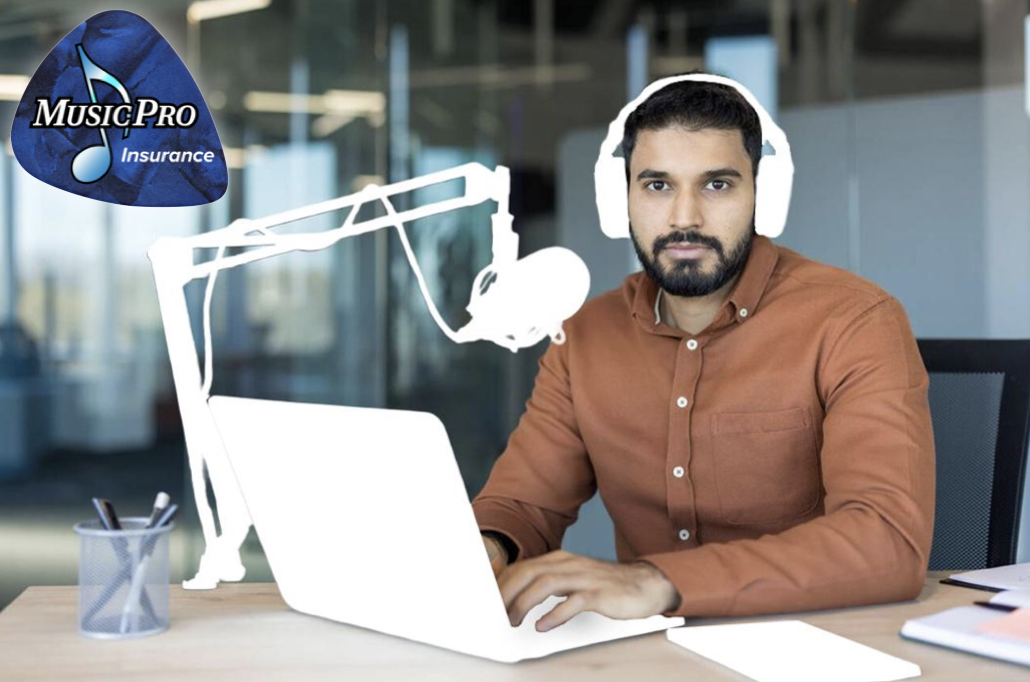
For those operating in the professional sphere, specialized coverage is not an optional luxury but a fundamental business requirement. Companies like MusicPro, backed by organizations such as ASCAP and Sterling Risk, provide policies specifically tailored to the nuances of audio and AV gear.
The industry recommendation is clear: creators should conduct a comprehensive audit of their equipment and contact specialized providers to ensure their "tools of the trade" are protected under a commercial policy. Relying on personal coverage is an oversight that can result in total loss, and for the professional creator, being prepared is the only way to ensure longevity in an increasingly competitive marketplace.

Supporting the Ecosystem: The Role of Enterprise Platforms
The growth of the medium is further bolstered by infrastructure providers like Hypecast. As corporations lean into audio as a primary communication tool—whether for internal training, brand storytelling, or industry thought leadership—the need for robust, enterprise-grade podcasting platforms has surged.
Hypecast has emerged as a key player by offering an all-in-one suite of capabilities that allow enterprises to manage, host, and distribute corporate content seamlessly. Their recent support for industry news outlets, such as Podnews, highlights a broader trend: the "professionalization" of the podcasting supply chain. When large-scale enterprise players invest in the health of the industry’s news and data ecosystem, it fosters a more transparent and sustainable environment for all creators, from independent audio artists to multinational corporations.

Chronology of Trends: Mid-2026
The current podcasting environment is defined by three distinct movements: the consolidation of power, the rise of the "audio-first" interview, and the diversification of niche content.
- Early 2026: A pivot toward "intimate" interview formats. Listeners expressed fatigue with highly produced, scripted narratives, leading to a surge in unvarnished, conversational content.
- Spring 2026: The emergence of "micro-documentary" audio. Creators like Mae Nagusky began experimenting with non-narrated, sound-rich audio movies, focusing on public space interactions and spontaneous community moments.
- Summer 2026: The anniversary of several high-profile "business-of-podcasting" shows, such as PodBiz. These shows have spent the last twelve months deconstructing the monetization landscape, providing data-backed insights into how creators are actually making money in a post-peak-podcast era.
Supporting Data: Consumption Patterns and Market Dominance
Data from the current quarter reveals a fascinating divergence between the American and European markets.

The American Market
In the United States, the hierarchy of consumption remains largely consolidated. The Daily continues to dominate the charts on Apple Podcasts, signaling a continued reliance on high-frequency, news-driven audio. Simultaneously, The Joe Rogan Experience maintains its grip on the top spot on Spotify, reinforcing the power of long-form, personality-driven content.
The European Market (Ireland Focus)
Interestingly, the Irish market shows a different appetite. While The Joe Rogan Experience retains top-spot status in the United Kingdom, the Irish charts highlight a hunger for "after-show" content, with programs like Love Island: The Debrief dominating the charts. This suggests that in smaller or regional markets, listeners are heavily utilizing podcasts as an extension of their social television consumption, effectively using audio to "debrief" on pop culture events.

Growth Sectors
The "Biggest Gain" metrics in the religion and spirituality category—specifically MuslimMatters in Ireland—indicate that niche, community-based content is seeing a significant resurgence. This confirms a broader industry shift: as the market becomes saturated with "general interest" podcasts, listeners are retreating to highly specific, value-aligned communities.
Official Industry Responses and Expert Perspectives
Industry leaders are currently grappling with the "AI-first" paradigm. As discussed on Tech News Weekly, the integration of Artificial Intelligence into education and media is no longer a theoretical debate; it is a fundamental shift in how information is synthesized.

The consensus among industry analysts is that AI will not replace human-centric storytelling—as evidenced by the launch of Stephen Dubner’s new series, Better in Person. The show is explicitly designed to counter the "missing conversation" in the digital age, opting for a living-room setting that favors authentic human connection over the synthetic polish that is increasingly prevalent in modern media.
This reaction—a deliberate return to the "human element"—is expected to be a defining trend for the remainder of 2026.

Implications for the Future
What does this data mean for the average podcaster?
- Professionalism is Mandatory: The days of "bootstrapping" without a safety net are over. Whether it is insurance for gear or professional hosting platforms for corporate entities, the industry is demanding a higher level of operational maturity.
- The Rise of the "Living Room" Aesthetic: Audiences are craving authenticity. High-production value is still important, but the content must feel organic. The success of projects like Perpetual Brew and Better in Person proves that listeners want to feel like they are part of a private, genuine conversation, not just the audience for a broadcast.
- Data as a North Star: Creators must pay closer attention to their specific regional and niche performance. With the "top of the charts" becoming increasingly static, growth is moving into the long-tail. Understanding whether your audience is looking for news, after-show analysis, or community-driven content is the difference between stagnation and growth.
Final Thoughts
The podcasting industry in July 2026 is no longer an experimental frontier; it is a stable, professionalized, and deeply segmented media ecosystem. The creators who succeed will be those who protect their assets with the right insurance, leverage the right enterprise-grade tools, and—above all—lean into the raw, unscripted human connection that made podcasting a global phenomenon in the first place.

As the industry continues to update its job boards and event calendars, the message is clear: there is still significant space for innovation, but the cost of entry is preparation, and the key to success is authenticity. Stay informed, protect your gear, and keep listening.