October 22, 2026 — The landscape of the audio industry is shifting at a breakneck pace, marked by a surge in high-profile journalistic inquiries, the emergence of niche scientific explorations, and an ever-evolving ecosystem of discoverability. As major platforms continue to integrate themselves into the urban fabric—literally and figuratively—the podcasting medium is proving its resilience as a primary source for both deep-dive political analysis and experimental lifestyle research.
Main Facts: The Pulse of the Industry
The week of October 22, 2026, has been defined by a diverse array of content milestones. From the geopolitical weight of The Diary of a CEO featuring Ukrainian President Volodymyr Zelenskyy to the experimental, science-based approach of Pleasure People, the breadth of what constitutes "essential listening" continues to expand.

Current industry data reveals a stabilizing market where, despite the saturation of content, listeners are gravitating toward authority and intellectual rigor. The dominance of established giants like The Daily on Apple Podcasts and The Joe Rogan Experience on Spotify highlights a persistent listener loyalty, even as new entrants like Manual Not Included and Tell Me Why attempt to capture attention through specialized, high-quality production.
Chronology: A Week of Notable Launches and Milestones
The audio calendar has been packed with significant developments that highlight the industry’s current trajectory:

- October 20, 2026: The Diary of a CEO with Steven Bartlett releases its monumental interview with President Volodymyr Zelenskyy. The episode, which serves as a masterclass in long-form political journalism, covers the human toll of the ongoing conflict in Ukraine, the forensic findings in Bucha, and a candid discussion regarding international economic maneuvers.
- October 21, 2026: Pleasure People makes its official debut. Supported by educator Danielle Bezalel and researcher Dr. Candice Hargons, the podcast utilizes an unconventional format—tracking eight participants over a set period to analyze the physiological and psychological effects of daily pleasure rituals.
- October 22, 2026: Manual Not Included launches today. Hosted by psychotherapist Daniela Tempesta, the series targets the "overachieving" demographic, offering psychological insights into the adult experiences—such as boundary setting and burnout—that are rarely discussed with such clinical precision in popular media.
- October 22, 2026: Tell Me Why, the latest production from Prospect magazine, enters the fray. Its inaugural episode features a critical dialogue between Naomi Klein and Astra Taylor, focusing on their latest work, End Times Fascism.
Supporting Data: Understanding Market Dominance
The hierarchy of the podcast charts in late 2026 offers a clear window into consumer habits. While the charts are often volatile, the top tiers remain anchored by legacy programs.
Apple Podcasts (United States)
- #1: The Daily continues its reign, reinforcing that news-of-the-day programming remains the bedrock of the medium.
- Notable Gainers: The Diplomat: The Official Podcast has seen a significant surge in the "After Shows" category in Ireland, proving that international reach for niche, high-quality audio is more attainable than ever.
- Genre Leadership: National Emergency currently holds the top spot for Science Fiction in the United Kingdom, suggesting a healthy appetite for scripted, high-concept storytelling.
Spotify (United States)
- #1: The Joe Rogan Experience remains the platform’s heavyweight. Its performance suggests that the model of long-form, unedited conversation remains the most reliable driver of platform-specific traffic.
Official Responses and Editorial Perspectives
The industry is currently grappling with a "content-plus-context" philosophy. Producers are no longer satisfied with simply providing entertainment; they are increasingly tasked with providing tools for survival.

In the case of Manual Not Included, the production team emphasized that their goal is to fill the "instructional void" of adulthood. By bridging the gap between academic psychology and approachable, humorous conversation, they are tapping into a segment of the audience that feels underserved by traditional self-help media.
Similarly, the collaboration between Prospect magazine and intellectual heavyweights like Naomi Klein suggests that prestige publishers are viewing podcasts as the premier venue for launching long-form, complex arguments. The Tell Me Why podcast is a direct response to the need for deeper political discourse in an era of truncated social media commentary.

Implications: Where the Industry Goes from Here
1. The Professionalization of Niche Research
The launch of Pleasure People signals a shift in how science is communicated via audio. Rather than merely interviewing an expert, the show employs a "lab-test" format, involving human subjects to provide empirical data. This "podcasting-as-research" model could become a blueprint for educational audio, moving beyond the "expert-on-a-microphone" trope to something more experiential.
2. The Geopolitical Power of the Podcast Interview
Steven Bartlett’s interview with President Zelenskyy confirms that top-tier podcasts are now essentially equivalent to "Town Hall" broadcasts. They provide a space where world leaders can speak at length without the constraints of traditional television soundbites. This shift carries significant political weight; it bypasses traditional news filters, allowing for more direct, albeit less mediated, communication between global leaders and the public.

3. Visibility and Urban Integration
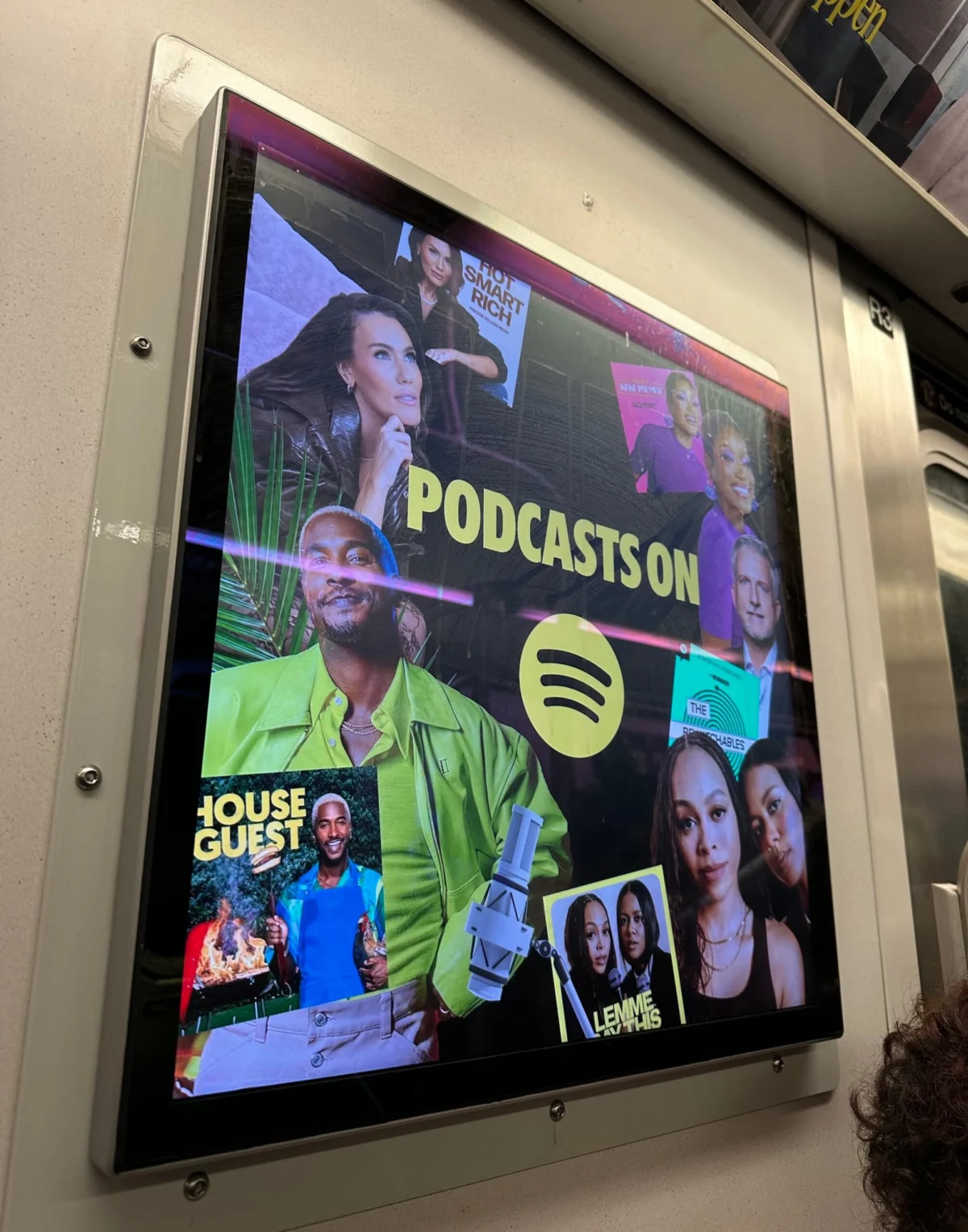
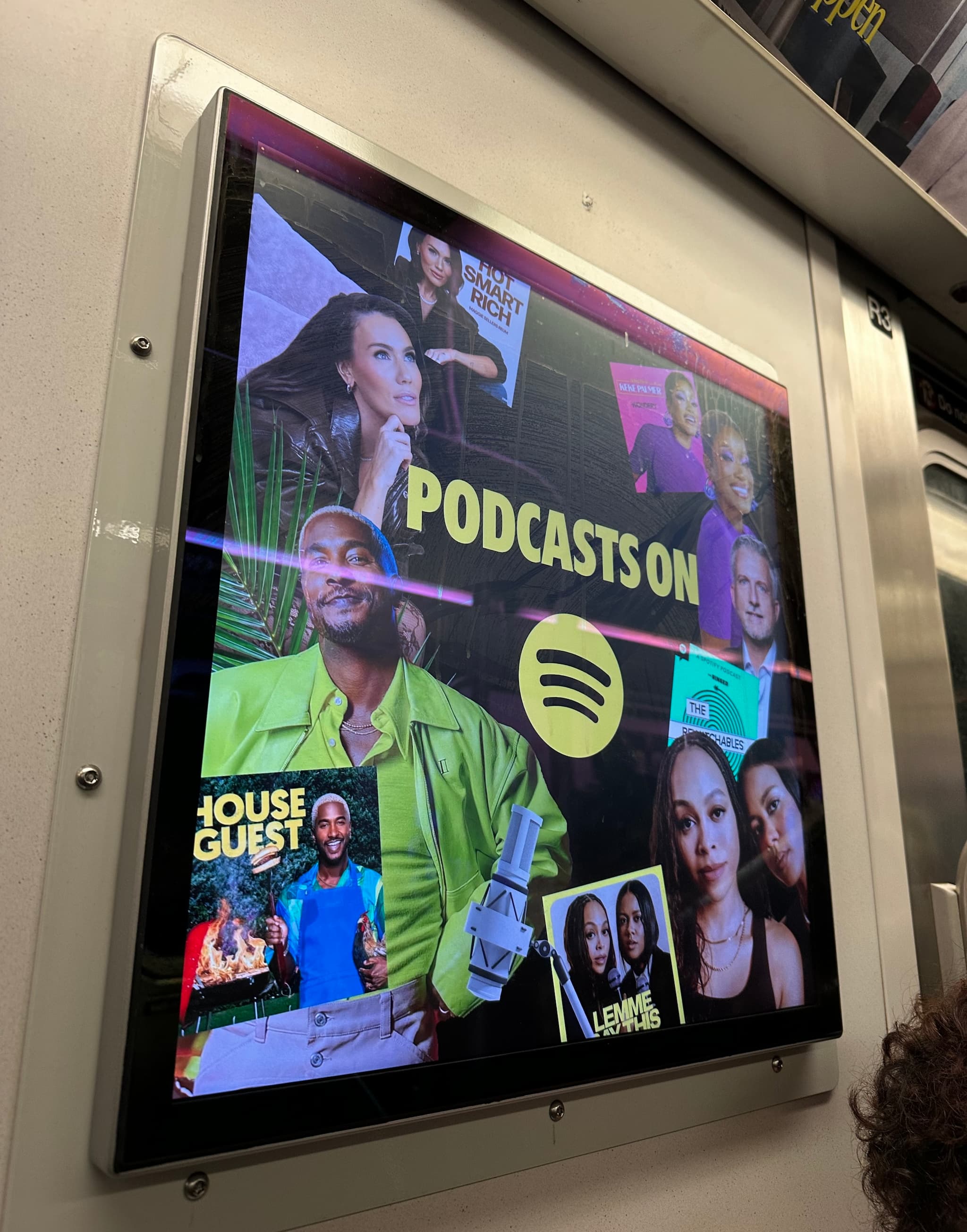
The presence of Spotify advertisements in the New York City subway system—a recurring image in industry discourse—underscores the need for "physical" marketing in a "digital" medium. The industry has realized that while the audio is consumed in the ear, the brand must be visible in the street. This trend of "Podcasts in the Wild" is likely to continue as platforms compete for the attention of commuters and travelers.
4. The "Manual" Era of Personal Development
The success of shows like Manual Not Included highlights a specific cultural zeitgeist: the "recovering overachiever." As society becomes increasingly complex, listeners are seeking audio that serves as a life-coach, therapist, and peer, all in one. The demand for content that provides actionable, psychology-backed advice for the "unseen" struggles of adulthood—such as boundary management and existential burnout—is set to grow.

5. Sustainability and Discoverability
As we move toward the end of 2026, the question of discoverability remains the industry’s greatest hurdle. With thousands of new shows launching weekly, the reliance on top-chart placement—as evidenced by the Apple and Spotify metrics—creates a "rich get richer" dynamic. Independent creators are increasingly forced to look toward cross-promotion, editorial curation (as seen in the Airwave partnership model), and high-production-value trailers to stand out.
Conclusion
The audio landscape of October 2026 is one of maturation. It is no longer enough to have a microphone and a concept. The most successful shows are those that provide deep, verifiable value—whether that value is political insight, scientific exploration, or the validation of the listener’s own psychological struggles. As the industry continues to evolve, the distinction between "news," "entertainment," and "education" will continue to blur, leaving the listener with a more robust, albeit crowded, auditory world.
For those looking to enter the space, the message is clear: the era of the casual broadcast is over. The era of the high-stakes, high-utility, and high-production podcast has firmly arrived.