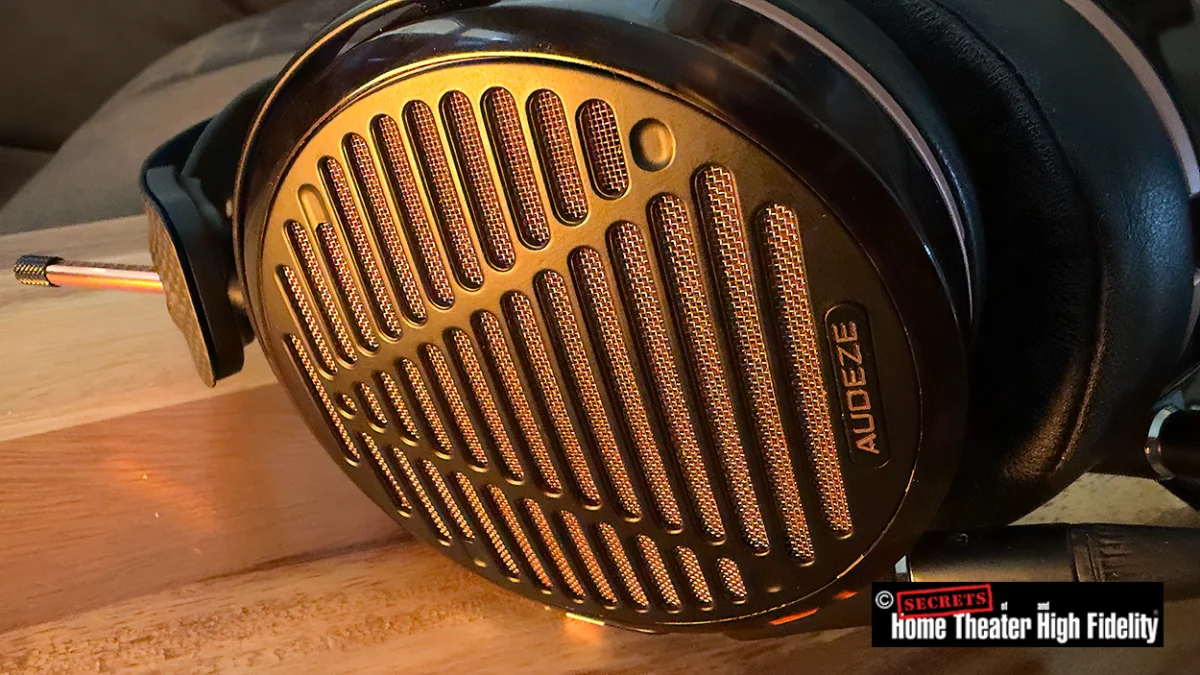
In the rapidly evolving landscape of high-fidelity audio, the "headphone renaissance" has brought an embarrassment of riches to the modern audiophile. From budget-friendly entry points to ultra-premium flagship offerings, the market is saturated with options. Yet, amidst this deluge of hardware, few names command the respect and historical weight of Audeze. With the release of their latest flagship, the LCD-5s, Audeze has sought to redefine the boundaries of planar magnetic performance. This article examines whether this new transducer represents a genuine leap forward in sonic accuracy or merely a refinement of a legacy design.
Main Facts: Defining the LCD-5s
The Audeze LCD-5s is a premium, open-back planar magnetic headphone that represents the apex of the company’s current engineering capabilities. Designed for the most discerning critical listeners, the unit boasts a 90mm planar magnetic transducer—a hallmark of the brand—housed in a chassis constructed from a sophisticated blend of carbon fiber, magnesium, genuine leather, and polished polymer acetate.

Technologically, the LCD-5s introduces the "SLAM" (Symmetrical Linear Acoustic Module) system. Originally developed for the ultra-high-end CRBN2 electrostatic line, this air pressure distribution technology is designed to bolster bass reinforcement without compromising the agility of the planar driver. With a frequency response ranging from 5 Hz to 50 kHz and a sensitivity of 90 dB/1mW, the headphones are designed to be both revealing and, surprisingly for their class, relatively manageable for a variety of high-quality amplification setups.
A Brief Chronology of Audeze’s Evolution
To understand the significance of the LCD-5s, one must look at the trajectory of Audeze as a company. Since its inception, Audeze has been synonymous with the "planar sound"—characterized by deep, textured bass and a wide, expansive soundstage. Over the years, the company has experimented with varying levels of driver thickness and chassis weight.

Earlier iterations were often criticized for their substantial heft, which could lead to listener fatigue during extended sessions. The recent cycle of innovation, culminating in the LCD-5s, represents a "return to form." By utilizing thinner materials than ever before in the driver construction and opting for lightweight materials like magnesium and carbon fiber for the headband and earcups, Audeze has successfully navigated the trade-off between build quality and comfort. The LCD-5s replaces previous flagship models, successfully integrating the warm, inviting signature that long-time fans crave with the technical speed required for modern, high-resolution digital audio.
Supporting Data: Technical Performance and Auditioning
During a rigorous testing period, the LCD-5s were paired with a variety of amplification sources, including the Anthem AVM-90 pre-amp processor, a Schiit Magni Unity headphone amplifier, and the portable FiiO M33 R2R digital audio player.

Sonic Characterization
The LCD-5s presents a "house sound" that is distinct yet highly musical. Unlike some competitors that prioritize an analytical, clinical, or "bright" high-end response, the LCD-5s opts for a slightly elevated midrange. This makes the headphones exceptionally suited for vocal-heavy tracks, jazz, and choral works. The high frequencies, while perhaps slightly suppressed compared to hyper-detailed competitors, remain smooth and natural, avoiding the "screechy" fatigue that often plagues lesser high-end headphones.
Notable Listening Sessions
- Acoustic Detail: On the album Tricycle, the LCD-5s demonstrated an exemplary transient response. The subtle brushwork on percussion instruments was rendered with a clarity that felt tactile, proving the efficiency of the new, thinner driver materials.
- Spatial Imaging: When listening to John Rutter’s Visions; Requiem (96/24 resolution), the headphones handled the complex acoustics of the All Hallows Church with grace. While some rival headphones may offer slightly more precise spatial imaging, the LCD-5s provided a more cohesive, realistic soundstage that excelled in the low-end registers.
- Orchestral Realism: The strings in Vaughan Williams’ Symphony #3 (Pastoral) were rendered with an aplomb rarely heard outside of high-end loudspeaker systems. The dynamic range was expansive, capturing the vibrancy of the full orchestra.
- Vocals: On Rebecca Pidgeon’s The Raven, the midrange tuning allowed the female vocal to shine with an emotional resonance that felt unforced and intimate.
Official Responses and Design Philosophy
Audeze has been vocal about their design philosophy regarding the LCD-5s. According to the manufacturer, the revised chassis construction is not merely aesthetic; it is a critical component of the "precise midrange tuning." The integration of the SLAM technology is intended to solve the age-old problem of balancing bass impact with the delicate, fast-moving nature of planar magnetic diaphragms.

Furthermore, the company emphasizes the importance of the signal path. The included braided audio cable, featuring directional OCC (Ohno Continuous Cast) high-purity copper strands, is specifically tuned to minimize capacitance and resistance. Audeze believes that at this level of performance, every component—from the connectors to the cable geometry—must serve the signal, ensuring that no information is lost between the source and the listener’s ear.
Implications: Is the Premium Worth the Price?
The central question for any audiophile considering the LCD-5s is the value proposition. At a price point significantly higher than industry-standard high-end headphones (such as the Focal Clear Mg), the LCD-5s enters a territory where the law of diminishing returns is very much in effect.

The "4K Upgrade" Analogy
To understand the jump in performance, it is helpful to use the analogy of display technology. A standard, high-quality headphone (in the $1,500 range) is like a 1080p Blu-ray; it is detailed, vibrant, and highly satisfying. Moving to the LCD-5s is akin to upgrading to a 4K presentation. The increase in resolution and the "palpable" nature of the audio is subtle but undeniable. Once the listener experiences this level of micro-detail and tonal texture, it becomes difficult to revert to lower-tier hardware.
Comfort and Ergonomics
Comfort is a non-negotiable factor at this price point. The redesign of the earpads and the inclusion of high-quality materials mean the LCD-5s can be worn for several hours without the dreaded "clamping" effect. While users may need to spend a few minutes adjusting the headband to find the perfect seal, once dialed in, the headphones are exceptionally ergonomic.

Final Verdict
The Audeze LCD-5s is not a product for the casual listener; it is a specialized tool for the connoisseur. It provides a level of intimacy and naturalism that justifies its place in the top tier of the current headphone market.
Strengths:

- Transient Response: Unmatched speed for complex, dynamic recordings.
- Tonal Balance: A warm, natural midrange that highlights the emotional content of music.
- Build Quality: A premium, durable construction that feels every bit as luxurious as its price tag suggests.
- Comfort: Designed for long-term critical listening without physical fatigue.
Considerations:
- The Price Gap: The leap in audio quality over mid-tier flagships is noticeable, but buyers must determine if the "4K" increase in resolution is worth the significant financial investment.
- Connectivity: The lack of a 3.5mm adapter in the box is a minor oversight, though easily rectified for those with diverse setups.
Ultimately, the Audeze LCD-5s represents the zenith of the company’s current engineering. For those with the resources to invest, it offers a listening experience that is as close to the "you are there" feeling as modern transducer technology allows. It is a triumphant, refined, and deeply satisfying achievement in audio engineering.