Main Facts
The high-end audio community has long debated the ultimate method for preserving and restoring vinyl records. Traditional vacuum-based cleaning machines, while effective at removing surface debris, often leave microscopic particulate matter lodged deep within the vinyl grooves. Enter ultrasonic cleaning technology—a paradigm shift that fundamentally transformed the record-maintenance landscape over a decade ago. At the vanguard of this movement has been Germany’s AudioDesk Systeme.
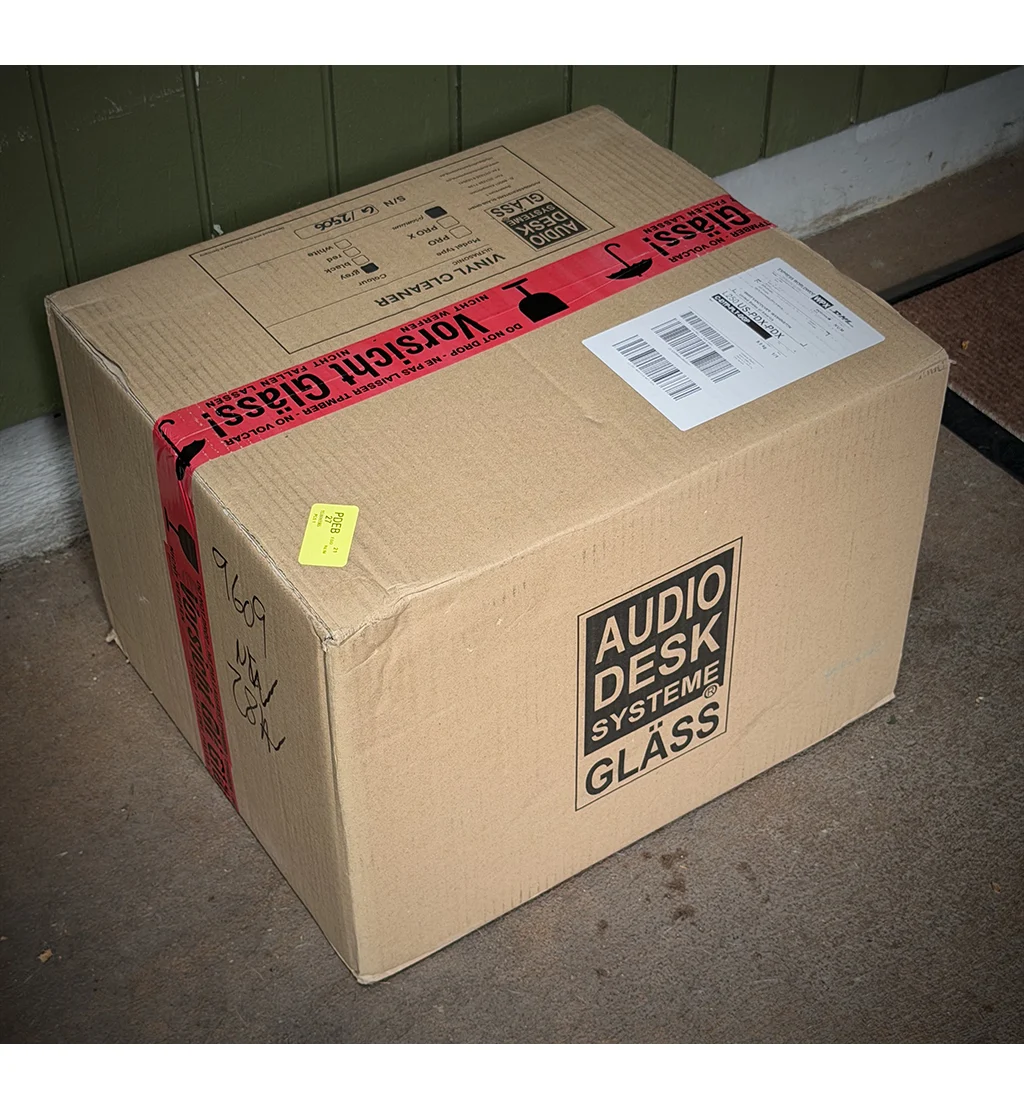
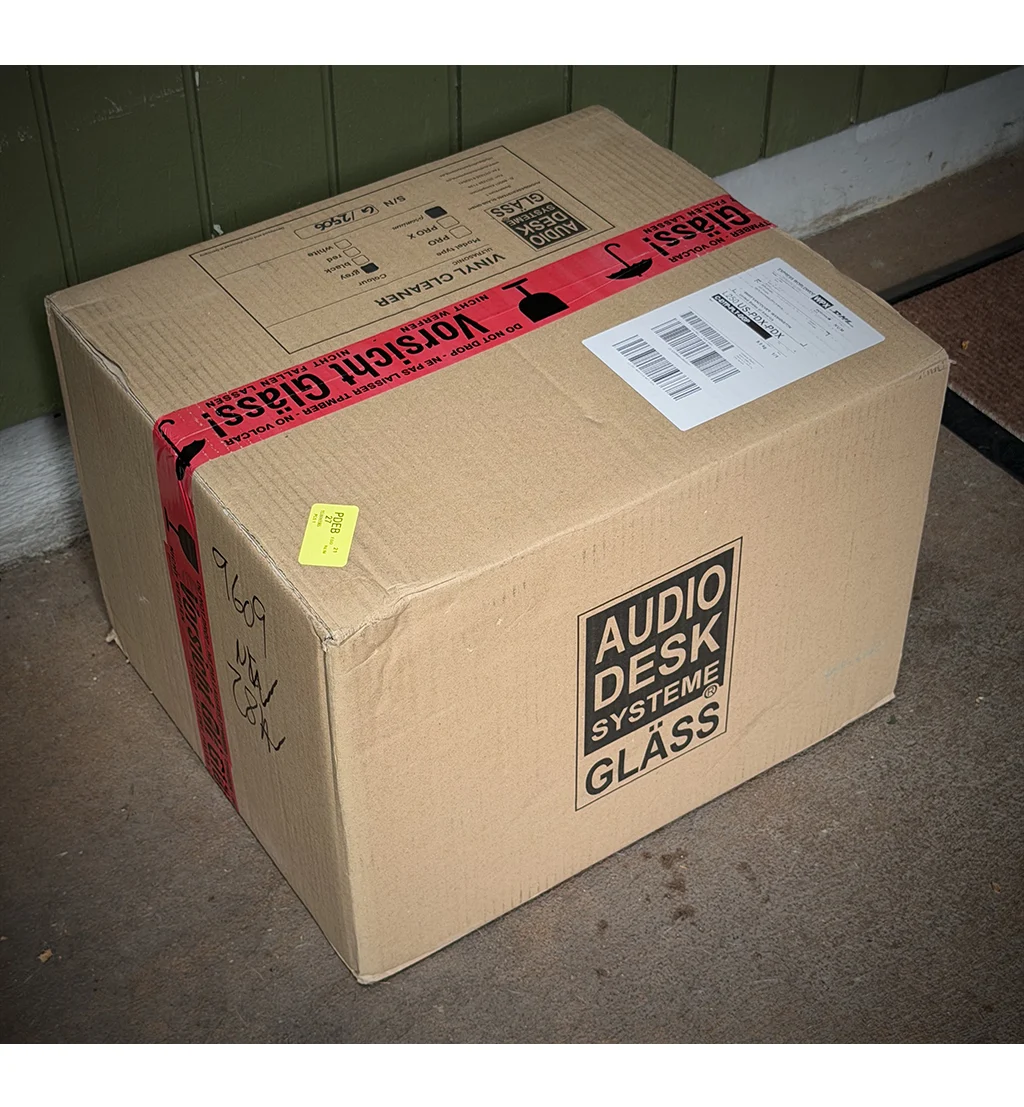
In a major development for analog enthusiasts, the publication TONE Magazine has officially announced the arrival of the latest, highly anticipated iteration of the AudioDesk Systeme Ultrasonic Cleaner Premium Edition for comprehensive review. Widely credited with writing the industry’s rulebook on automated ultrasonic vinyl care, AudioDesk Systeme has returned with a redesigned flagship machine that promises sweeping engineering refinements.
Retailing at $3,500 ($3,599), the new premium edition is currently rolling out to authorized dealers worldwide. Beyond its internal acoustic and mechanical upgrades, the unit introduces a striking new aesthetic option: it is now available in a vibrant, high-gloss red finish alongside traditional colorways. The machine represents the pinnacle of German precision engineering, combining ultrasonic bath technology with a proprietary counter-rotating microfibre cleaning roller system to deliver deep, contactless groove restoration.
Chronology of Ultrasonic Vinyl Care
To understand the significance of AudioDesk Systeme’s latest release, one must trace the timeline of record-cleaning technology and how ultrasonic systems disrupted an established market.
The Early Days of Manual and Vacuum Cleaning (Pre-2010s)
For decades, vinyl record cleaning was largely a manual affair involving carbon-fiber brushes, cleaning solutions, and velvet pads. While these methods removed surface dust, they often pushed oils and fine particulate deeper into the vinyl micro-grooves. The introduction of vacuum-based record cleaning machines (RCMs) by brands like VPI, Monks, and Nitty Gritty changed the game by applying a liquid solvent and immediately vacuuming it away. However, vacuum wands could be noisy, cumbersome, and occasionally left static charges or micro-scratches from worn vacuum lips.
The Ultrasonic Revolution and AudioDesk Systeme’s Genesis (2010s)
Ultrasonic cleaning—long used in the medical, dental, and jewelry industries—was eventually adapted for vinyl. The process utilizes high-frequency sound waves introduced into a water bath to create microscopic cavitation bubbles. When these bubbles collapse near the surface of the record, they release intense energy that gently blasts away dirt, fingerprints, and mold without touching the delicate vinyl walls.
AudioDesk Systeme pioneered the first fully automated, consumer-friendly ultrasonic record cleaner. Rather than requiring users to manually transfer a record from an ultrasonic tank to a drying station, the original AudioDesk machine integrated ultrasonic baths and drying fans into a single, seamless, push-button desktop appliance.
Iterative Refinements and the Modern Era (2020s)
Over the years, AudioDesk refined its motor assemblies, fluid management, and drying cycles to improve reliability and reduce operational noise. However, the release of the Premium Edition marks the most comprehensive overhaul in the company’s history. By revisiting every mechanical and acoustic subsystem, AudioDesk aims to future-proof its dominance in the ultra-luxury vinyl maintenance sector. The inclusion of the striking new red aesthetic further signals a shift toward modern lifestyle integration, ensuring the hardware looks as stunning in a contemporary listening room as it performs in a dedicated acoustic laboratory.
Supporting Data and Technical Architecture
At $3,599, the AudioDesk Systeme Premium Ultrasonic Cleaner occupies the upper echelon of audio accessories, competing directly with high-end tonearms, phono cartridges, and power conditioners. Evaluating whether this investment is justified requires a closer look at the unit’s underlying engineering and operational metrics.
Technical Specifications & Features
- Cleaning Mechanism: Simultaneous ultrasonic cavitation combined with dual, counter-rotating microfibre cleaning barrels.
- Operation Cycle: Fully automated wash, rinse (via fluid circulation), and silent drying cycle via integrated cooling fans.
- Fluid Management: Built-in pump and filtration system that recycles and filters the cleaning fluid across multiple cycles, utilizing a specialized biodegradable cleaning concentrate.
- Compatibility: Standard 12-inch LP records (with optional adapters historically available for 10-inch and 7-inch singles).
- Price: $3,599 USD.
- Finish Options: Classic finishes alongside the newly introduced vibrant Red variant.
How Ultrasonic Cavitation Works on Vinyl
The core science of the AudioDesk machine lies in fluid dynamics and sound waves. Operating at ultrasonic frequencies (typically around 40 kHz), the machine generates microscopic vacuum bubbles in the distilled water and cleaning solution bath. As these bubbles expand and violently collapse—a process known as cavitation—they generate localized temperatures and pressures at a micro-level.
Crucially, because the energy is transferred via the fluid directly into the vinyl groove, it reaches the absolute bottom of the V-shaped cut where styli track. Dust, mold spores, pressing residue (release agents), and dried-on contaminants that resist mechanical brushes are completely lifted away.
The Microfibre Advantage
Unlike DIY ultrasonic setups—which often consist of modified jewelry cleaners where records must be manually dried with a cloth (reintroducing lint or static)—AudioDesk pairs its ultrasonic bath with soft, counter-rotating microfibre rollers. These rollers gently scrub the record while it is submerged in the ultrasonic field, wiping away the dislodged debris before the record enters the integrated drying chamber. This dual-action approach ensures that suspended particulate matter is not allowed to resettle on the vinyl surface as the water evaporates.
Official Responses and Industry Reception
The announcement of the AudioDesk Systeme Premium Edition has generated considerable excitement across the audiophile press and dealer network.
In their initial preview statement, the editorial team at TONE Magazine noted:
"We are beyond thrilled to have the latest, premium edition of the AudioDesk Systeme ultrasonic cleaner in for review. This company wrote the book and paved the way for ultrasonic cleaners and the current model has been improved in every way."
Industry analysts point out that while the vinyl revival has matured over the past fifteen years, the demographic of record buyers has shifted. Modern audiophiles demand not only superior sonic performance but also user-friendly automation and premium industrial design. By offering the machine in a bold red finish, AudioDesk acknowledges that high-end audio gear is frequently displayed openly in high-end residential spaces, where aesthetic personalization is highly valued.
Authorized dealers have reported steady inquiries from high-end analog collectors eager to see how the mechanical revisions impact long-term reliability, fluid filtration efficiency, and acoustic output during the drying phase. Early feedback from European distributors suggests that the build quality of the Premium Edition represents a distinct step up from previous generations, with tighter tolerances and improved chassis dampening.
Implications for the Audiophile Community
The release of a $3,599 automated record cleaning machine carries broader implications for the high-end audio market and the philosophy of vinyl preservation.
1. The Economics of Record Care
For the casual listener, a multi-thousand-dollar cleaning machine may seem exorbitant. However, for collectors holding thousands of dollars—or even tens of thousands of dollars—in rare, vintage, or audiophile-grade vinyl, proper maintenance is an essential form of asset protection. A clean record not only sounds demonstrably better—exhibiting lower surface noise, wider dynamic range, and improved high-frequency extension—but it also drastically reduces stylus wear. Playing a dirty record acts like sandpaper on a diamond stylus; investing in deep ultrasonic cleaning extends the lifespan of expensive moving-coil and moving-magnet cartridges.
2. Setting a New Benchmark for Automated Convenience
While DIY ultrasonic cleaning tanks can be assembled for a fraction of the cost, they require immense manual labor: manual placement, manual rotation, manual fluid pouring, and manual drying with microfiber cloths. The AudioDesk Systeme Premium Edition reinforces the value of integration. By automating the entire workflow into a safe, push-button desktop appliance, it removes the friction and risk of human error associated with DIY cleaning methods (such as accidental label damage or improper drying).
3. Aesthetic Integration in Modern Living Spaces
The addition of the new red colorway highlights a broader trend in the high-end audio industry: the departure from utilitarian, industrial black-and-silver boxes toward lifestyle-friendly statement pieces. As younger generations of design-conscious consumers enter the high-end audio market, manufacturers must ensure their hardware complements modern interior design aesthetics without sacrificing sonic or mechanical purity.
Conclusion
As TONE Magazine prepares to publish its full, in-depth evaluation of the AudioDesk Systeme Ultrasonic Cleaner Premium Edition, the analog community is watching closely. By refining a proven design and enhancing its visual appeal, AudioDesk Systeme has reinforced its status as the gold standard of vinyl hygiene. For serious collectors seeking the ultimate restoration tool for their precious analog libraries, the latest evolution from Germany is poised to set a formidable benchmark for years to come.