The consumer audio landscape is often dominated by a relentless cycle of product launches, where manufacturers routinely push incremental updates to capture market attention. However, seasoned audiophiles and industry experts know that true value frequently resides in established products that have withstood the test of programmatic reviews, shifting standards, and economic fluctuations.
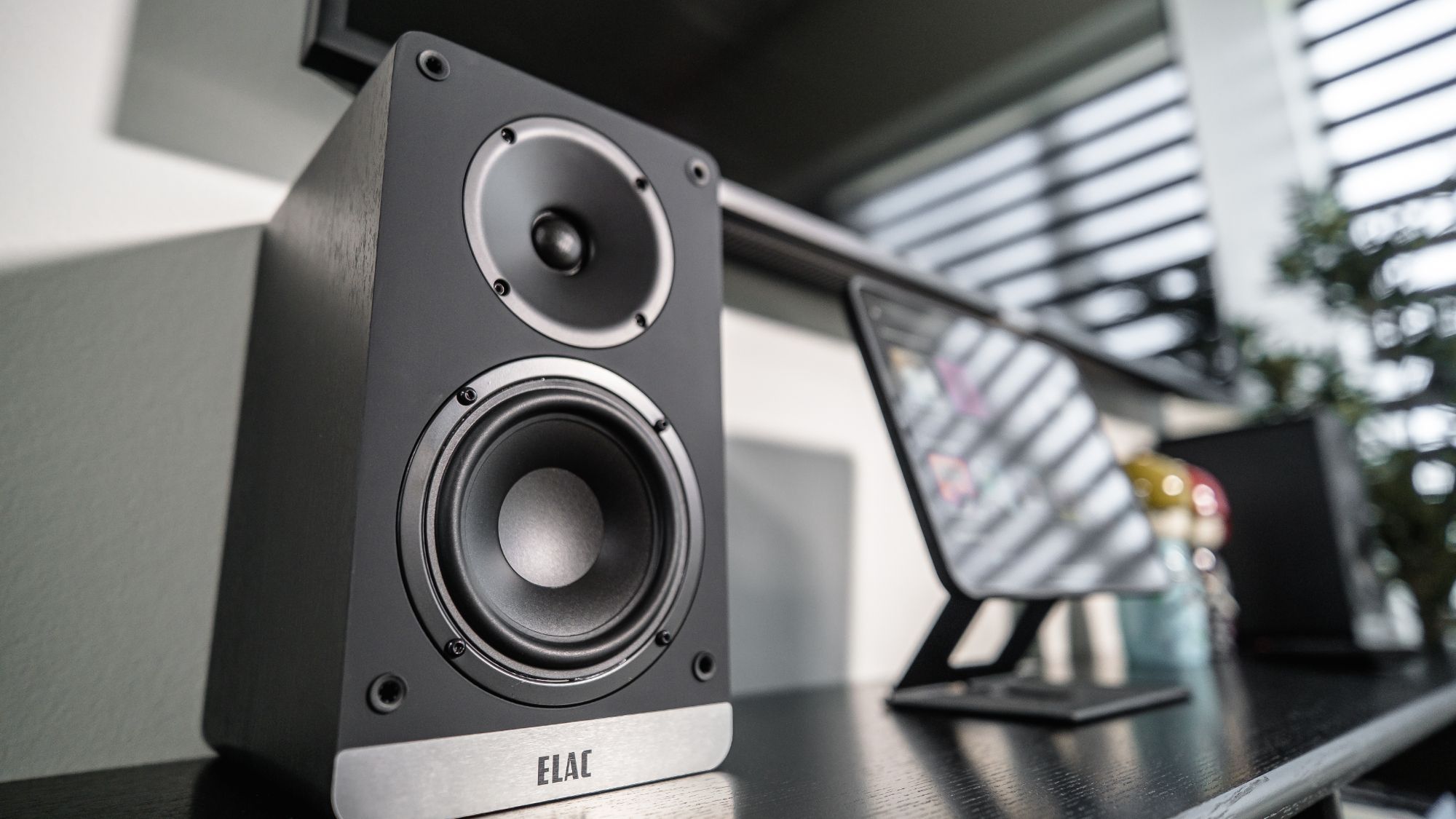
A prime example of this phenomenon is the Elac Debut ConneX DCB41. Originally launched to critical acclaim, these compact, powered bookshelf speakers have transitioned from a premium mid-range solution to an absolute budget benchmark. Thanks to a major price reduction at UK specialist retailer Peter Tyson—where the system has been slashed from its original retail price of £529 to an aggressive £279—the DCB41 has cemented its status as one of the most cost-effective entry points into high-fidelity sound.
With four consecutive What Hi-Fi? Awards to its name, this compact system continues to outperform newer, more expensive rivals. This comprehensive analysis explores the history, technical design, acoustic performance, and market implications of Elac’s highly successful active speaker system.
Chronology: The Journey of a Four-Time Award Winner
To understand the impact of the Elac Debut ConneX DCB41, one must trace its development and critical trajectory over the past several years.
[Late 2022]  --> Elac launches the DCB41 at £529; wins its first What Hi-Fi? Award.
[2023]       --> Secures its second consecutive Award; establishes dominance in budget active category.
[2024]       --> Continues winning streak (3rd Award); retail prices begin to soften.
[Present]    --> Wins 4th consecutive Award; price drops to £279, offering unprecedented value.
1. The 2022 Debut
Elac, a brand with a legacy of producing high-quality passive speakers (frequently designed in partnership with renowned audio engineer Andrew Jones), sought to address a growing market segment: consumers demanding high-fidelity sound without the clutter of traditional hi-fi separates. When the Debut ConneX DCB41 was introduced in late 2022 at £529, it entered a highly competitive active speaker arena. It immediately stood out by combining a small physical footprint with a wide array of physical and wireless inputs.
2. Immediate Critical Acclaim
Upon review, the DCB41 was praised for its cohesive presentation, punchy bass, and exceptional versatility. It secured its first What Hi-Fi? Award in late 2022, praised as a stellar "all-in-one" solution for desktop users, vinyl enthusiasts, and television viewers alike.
3. The Multi-Year Dynasty (2023–Present)
While many consumer electronics are rendered obsolete within twelve to eighteen months, the DCB41 maintained its competitive edge. It went on to win subsequent What Hi-Fi? Awards in consecutive years, racking up a total of four gongs. As manufacturing efficiencies matured and newer models entered the wider market, retail prices for the DCB41 began to ease, culminating in the current promotional pricing of £279. This near-halving of its original price has shifted the DCB41 from a competitive mid-range option to an uncontested budget champion.
Supporting Data: Technical Specifications and Performance Architecture
The longevity of the Elac Debut ConneX DCB41 is rooted in its robust engineering. Rather than relying on software-heavy DSP (Digital Signal Processing) to mask cheap components, Elac utilized high-grade acoustic design paired with efficient, clean amplification.
Technical Specifications Table
| Feature / Component | Specification |
|---|---|
| Speaker Type | Powered / Active (Master-Slave Configuration) |
| Amplifier Type | Class D |
| Power Output | 2 x 50 Watts (RMS) |
| Tweeter | 19mm (0.75-inch) Soft Dome |
| Woofer | 100mm (4-inch) Polypropylene Cone |
| Frequency Response | 50Hz – 25,000Hz (average in-room) |
| Wireless Connectivity | Bluetooth aptX, AAC, SBC |
| Wired Inputs | HDMI ARC, USB Audio (24-bit/96kHz), Optical Digital, Stereo RCA (Line/Phono switchable) |
| Outputs | Subwoofer Out (Mono RCA) |
| Dimensions (H x W x D) | 248mm x 140mm x 195mm (per speaker) |
| Weight | Active: 3.4 kg / Passive: 2.8 kg |
Drivers and Cabinet Engineering
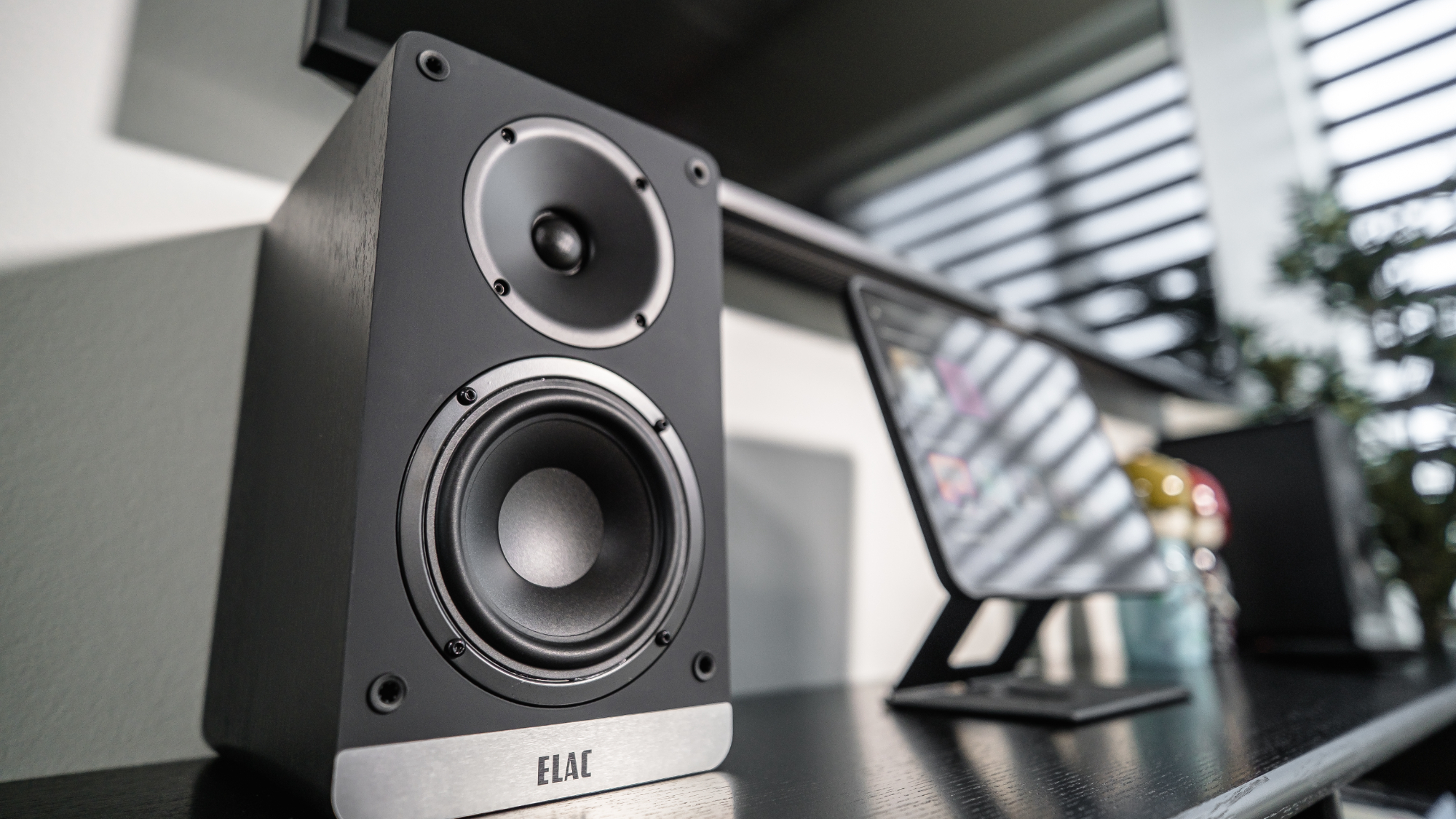
Each cabinet houses a 19mm soft-dome tweeter mated to a custom waveguide designed to optimize high-frequency dispersion and minimize cabinet diffraction. Mid-to-low frequencies are handled by a 100mm (4-inch) polypropylene woofer.
To maximize low-frequency output from such small enclosures, Elac employed a rear-firing, bass-reflex design utilizing a specialized "S-port." This slot-like port minimizes air turbulence and chuffing, allowing the speakers to be placed relatively close to a rear wall without muddying the lower midrange.
Amplification and System Layout
The DCB41 operates on a master-slave configuration. All electronic components, including the dual 50-watt Class D amplifiers, digital-to-analog converters (DACs), and input terminals, are housed within the active (master) speaker. The passive (slave) speaker connects to the master via standard speaker wire, which is supplied in the box. This design keeps the passive cabinet lightweight, eliminates the need for two separate mains power outlets, and ensures perfect phase alignment between the channels.
Connectivity Deep Dive
The true genius of the DCB41 lies in its connectivity suite, which serves as a Swiss Army knife for modern audio sources:
- HDMI ARC (Audio Return Channel): Allows the speakers to connect directly to a television, enabling volume control via the TV’s remote control. This makes the DCB41 a superior, wider-sounding alternative to budget soundbars.
- USB Audio (Type B): Supports high-resolution playback up to 24-bit/96kHz directly from a PC or Mac, bypassing noisy internal computer soundcards.
- Optical Input: Ideal for connecting older television sets, game consoles, or CD players.
- Switchable Phono Stage: The built-in moving-magnet (MM) phono preamp allows users to connect a turntable directly to the speakers without requiring external amplification boxes.
- Bluetooth with aptX: Ensures CD-like streaming quality from compatible Android devices and stable connections from iOS hardware.
Acoustic Evaluation: How Do They Sound?
In testing, the Elac Debut ConneX DCB41 delivers a performance that belies its diminutive dimensions. The overall sound signature can be described as balanced, articulate, and remarkably cohesive.
Low Frequencies  |=======> Punchy, articulate, well-extended via S-port.
Midrange         |=========> Clean, natural vocal reproduction.
High Frequencies |========> Smooth, detailed, non-fatiguing soft-dome tweeter.
Digital Input Performance
When fed a digital signal via USB or Optical, the DCB41 showcases its internal DAC’s capabilities. Listening to complex acoustic arrangements, such as folk music by The Unthanks, the speakers resolve delicate vocal harmonies with impressive clarity. There is a tangible sense of space around the instruments, and the timing is impeccable, allowing the emotional nuance of the performance to shine through.
In larger orchestral pieces, such as Tchaikovsky’s 1812 Overture, the Elacs display surprising dynamic authority. While they cannot match the physical weight of large floorstanding speakers, the 10cm woofers punch well above their weight, delivering fast, tight bass transients that maintain their composure even at higher volumes.
The Phono Stage Caveat
While the inclusion of a switchable moving-magnet phono stage is highly convenient, it represents the only minor compromise in the DCB41’s design. When compared to the pristine, dynamic delivery of the digital and Bluetooth inputs, the analog phono input can sound slightly flat. It lacks the dynamic headroom and fine detail retrieval required to make high-end vinyl pressings truly sing. However, for casual listeners or those starting their vinyl journey with an entry-level turntable, it remains a highly usable and welcome feature.
Market Comparisons: How the DCB41 Stack Up Against Competitors
To fully appreciate the value proposition of the Elac Debut ConneX DCB41 at its £279 promotional price point, it is helpful to compare it against other leading models in the active and desktop speaker markets.
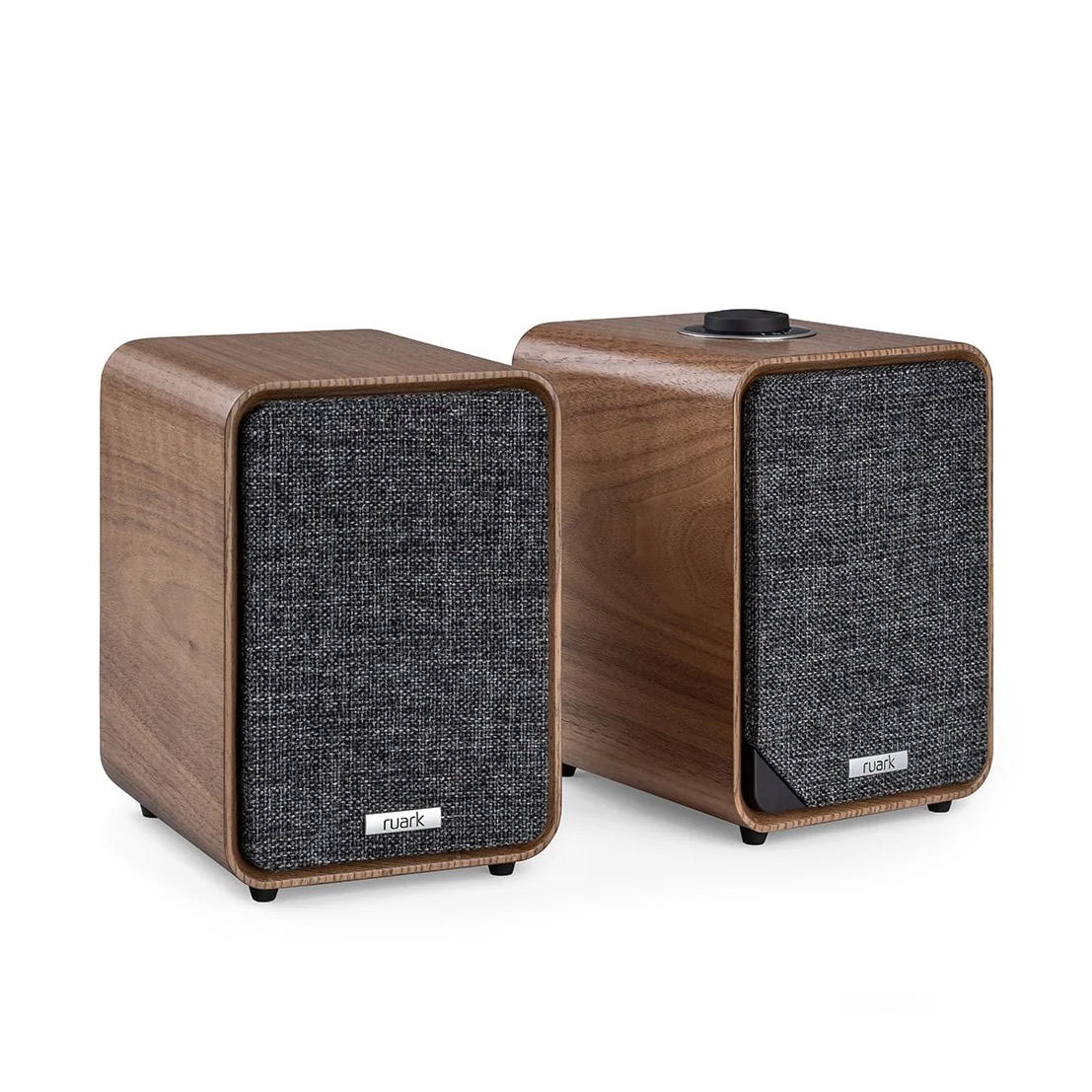
[Ruark MR1 Mk3]    --> Focus: Desktop/Turntable | Sound: Warm, rich | Price: ~£349
[Elac DCB41]       --> Focus: All-Rounder/TV    | Sound: Balanced    | Price: £279 (Sale)
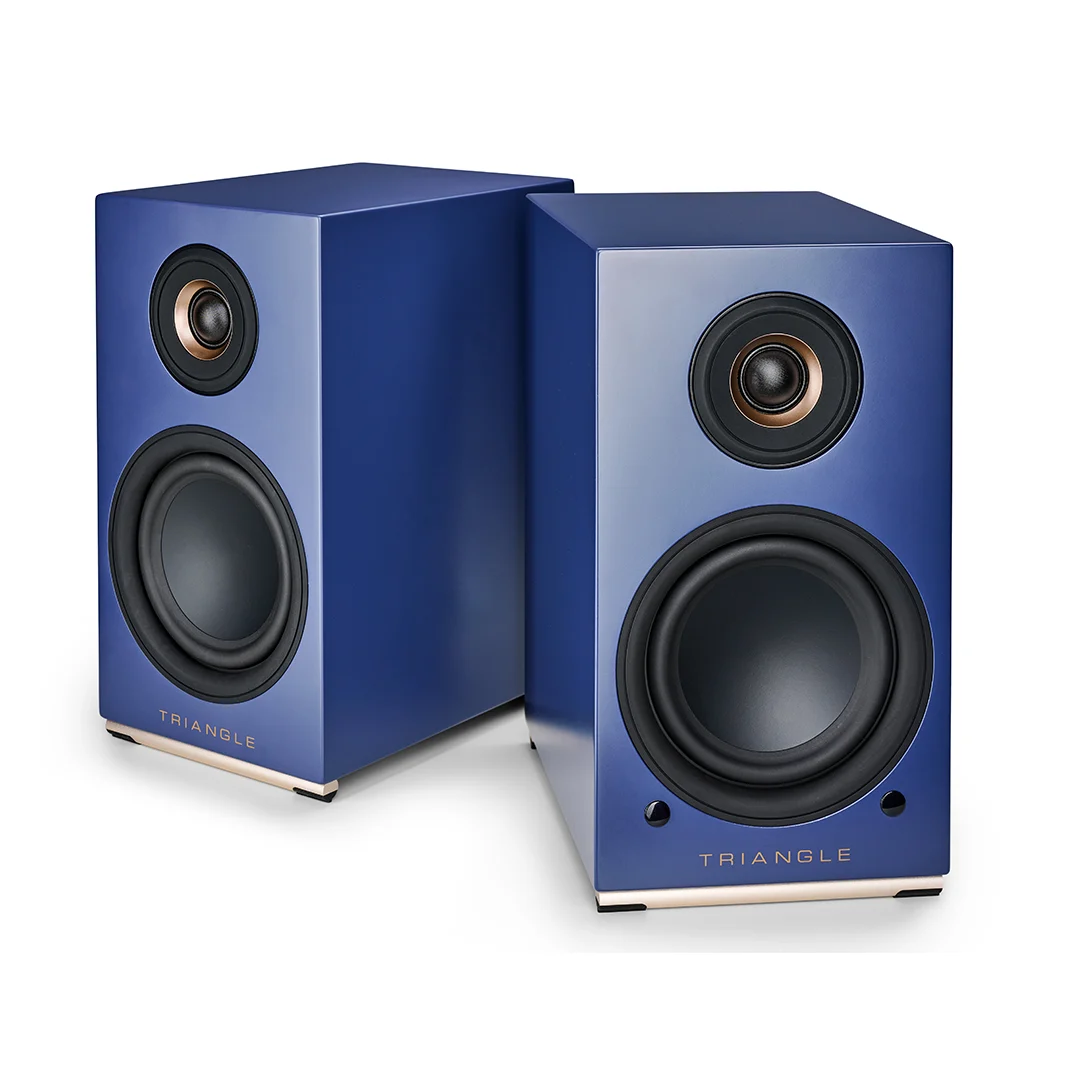
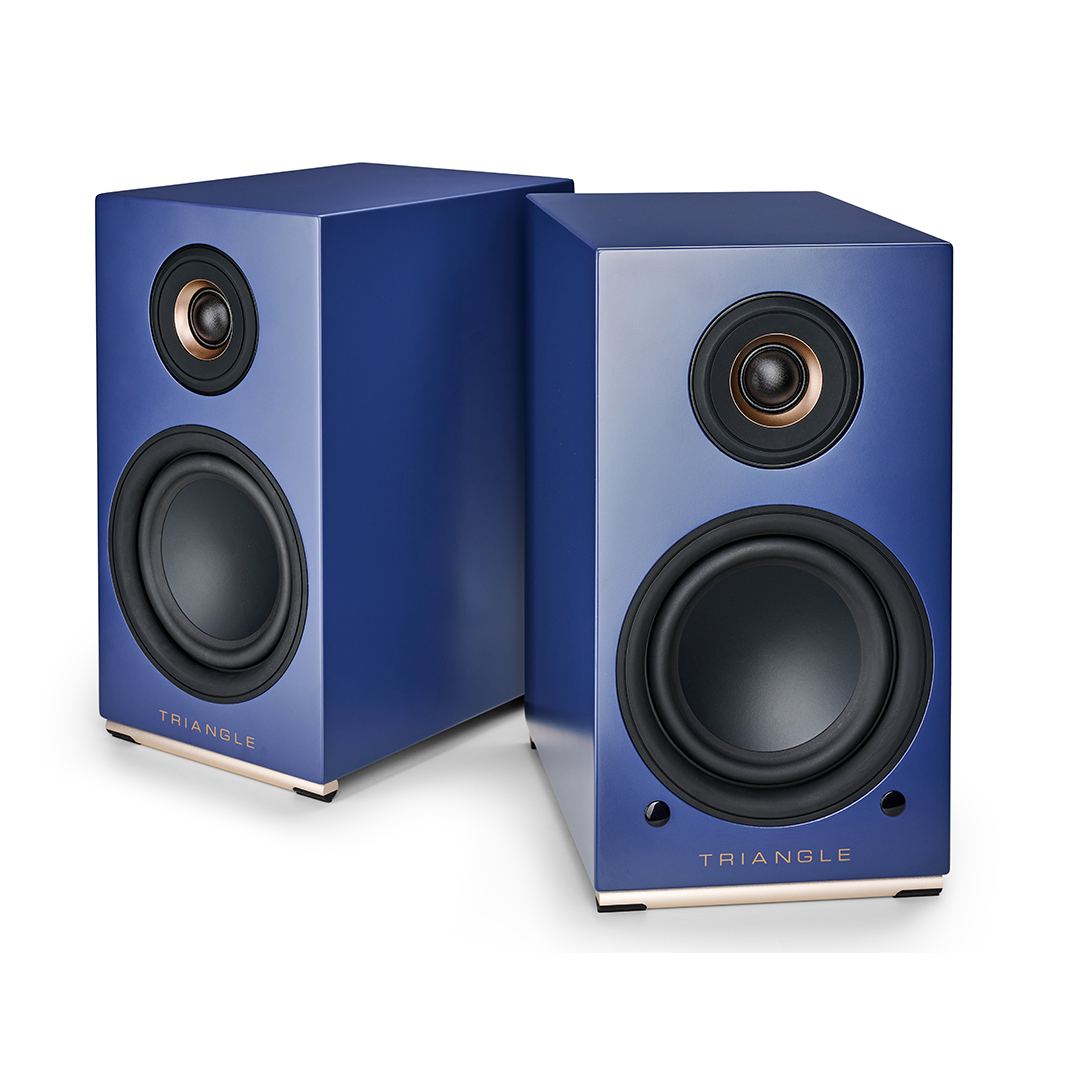
[Triangle AIO Twin]--> Focus: Wi-Fi Streaming   | Sound: Dynamic     | Price: ~£599
[KEF LSX II LT]    --> Focus: Premium High-Res  | Sound: Audiophile  | Price: ~£899
1. Ruark Audio MR1 Mk3
- Target Audience: Desktop users, space-conscious listeners, vinyl enthusiasts.
- Acoustic Profile: Rich, warm, and highly musical.
- Comparative Verdict: The Ruark MR1 Mk3 remains a darling of the desktop audio world. Its wood-grain finish and compact footprint are highly appealing. However, the Ruark lacks an HDMI ARC input and a USB input, limiting its utility as a TV speaker or direct PC monitor. For turntable users, the Ruark’s analog input stage is slightly more dynamic than the Elac’s, but as a complete home audio hub, the Elac DCB41 offers far greater versatility, especially at its current discounted price.
2. Triangle AIO Twin
- Target Audience: Listeners seeking a complete wireless streaming system.
- Acoustic Profile: Vibrant, spacious, and dynamic.
- Comparative Verdict: The Triangle AIO Twin is a step up in price, typically retailing around £599. Unlike the Elac, the Triangle system features built-in Wi-Fi and network streaming capabilities, allowing users to stream music directly from Spotify, Tidal, or Qobuz without relying on a smartphone’s Bluetooth connection. If network streaming is a priority, the Triangles are a superb option. However, for those on a budget, the Elac DCB41 paired with an external Wi-Fi streamer (such as a WiiM Mini) delivers comparable performance for significantly less money.
3. KEF LSX II LT
- Target Audience: Audiophiles demanding premium sound, advanced DSP, and high-end design.
- Acoustic Profile: Exceptionally cohesive, wide soundstage, precise imaging (thanks to the Uni-Q driver array).
- Comparative Verdict: The KEF LSX II LT represents the premium tier of compact active speakers, typically priced around £899. It features KEF’s proprietary W2 streaming platform, HDMI ARC, USB-C, and class-leading DSP. While the KEFs undeniably offer superior detail retrieval, imaging, and a more sophisticated app ecosystem, they cost more than three times the promotional price of the Elac DCB41. For budget-conscious buyers, the Elacs deliver roughly 80% of the KEFs’ real-world performance at a fraction of the cost.
Implications: The Shift Toward Compact, "Just Add Source" Systems
The ongoing success of the Elac Debut ConneX DCB41 reflects a broader paradigm shift within the consumer audio industry. The traditional approach to hi-fi—which involved purchasing a separate amplifier, DAC, phono stage, and passive speakers, along with the associated cabling—is increasingly being replaced by active, integrated systems.
Traditional Hi-Fi Stack:
[Turntable/PC] --> [Phono Stage] --> [DAC] --> [Amplifier] --> [Speaker Cables] --> [Passive Speakers]

Modern Active System (Elac DCB41):
[Turntable/PC/TV] ----------------------------------------------------------------> [Active DCB41 System]
1. Demystifying the Audiophile Experience
Historically, entering the world of high-fidelity audio was intimidating for beginners. Matching the impedance and tonal characteristics of an amplifier with a pair of passive speakers required research and trial-and-error. Active speakers like the DCB41 eliminate this friction. By housing the amplifiers within the speaker cabinet, Elac’s engineers were able to tune the Class D modules specifically to the electrical demands of the 10cm woofer and 19mm tweeter. This results in optimal performance, lower distortion, and maximum power efficiency out of the box.
2. The Soundbar Killer
As televisions have become thinner, their built-in audio quality has dramatically declined. While many consumers turn to soundbars to solve this issue, soundbars are physically constrained by their narrow enclosures, which often result in a compressed, mono-centric soundstage.
A pair of active speakers like the DCB41, placed on either side of a TV screen and connected via HDMI ARC, creates a genuine stereo image. This setup provides superior vocal clarity, natural panning effects, and a much wider soundstage for movies and gaming, effectively rendering budget soundbars obsolete.
3. The Value of Mature Technology
In an era where technology is frequently discarded due to software obsolescence, the DCB41 stands as a testament to the longevity of solid hardware design. By omitting built-in Wi-Fi—which requires ongoing firmware updates and app maintenance—and focusing instead on robust physical inputs (HDMI, USB, Optical) and standardized Bluetooth, Elac has created a product that will remain functional and relevant for a decade or more.
At its current promotional price of £279, the Elac Debut ConneX DCB41 is not just a bargain; it is an accessible, sustainable investment in high-quality sound.