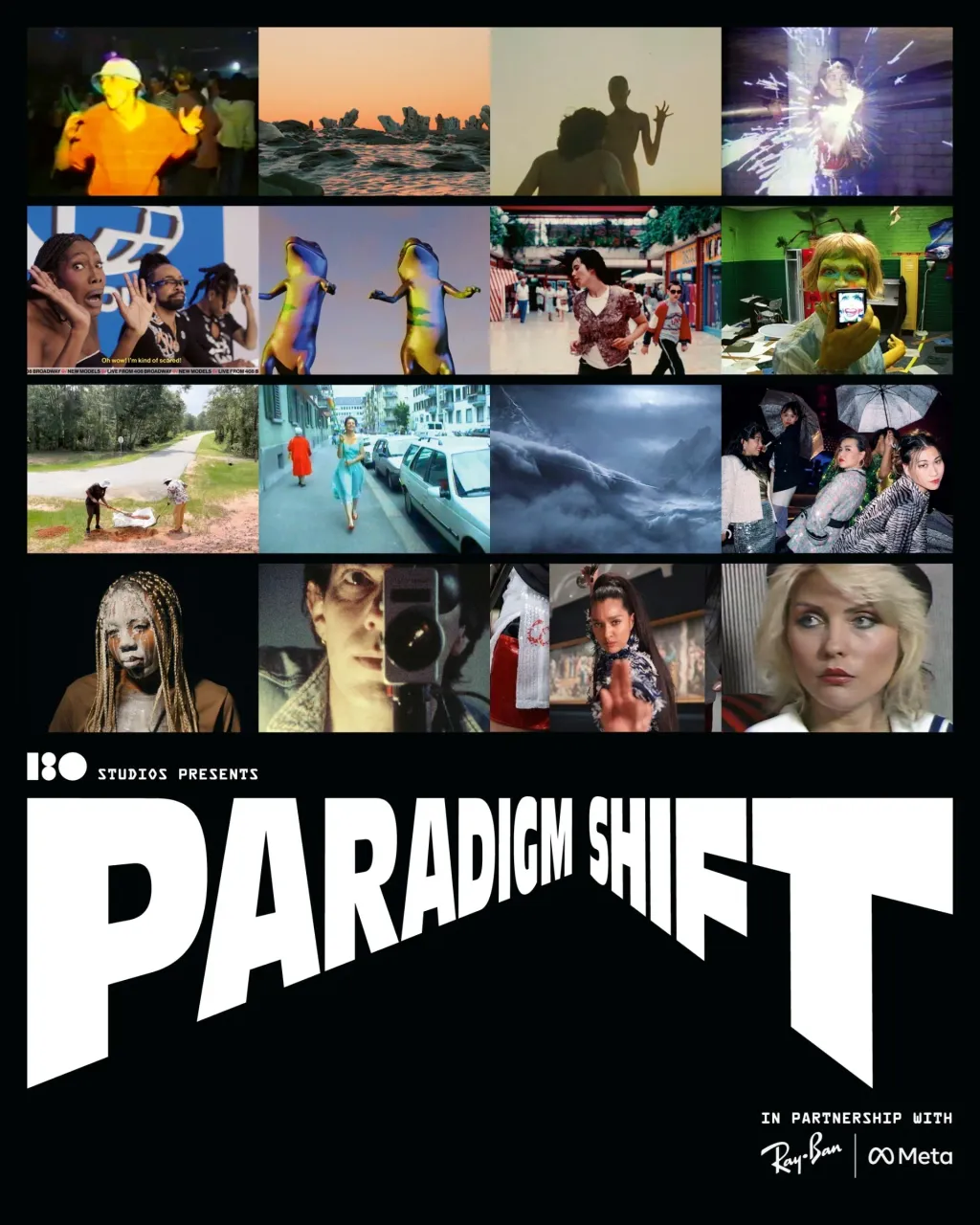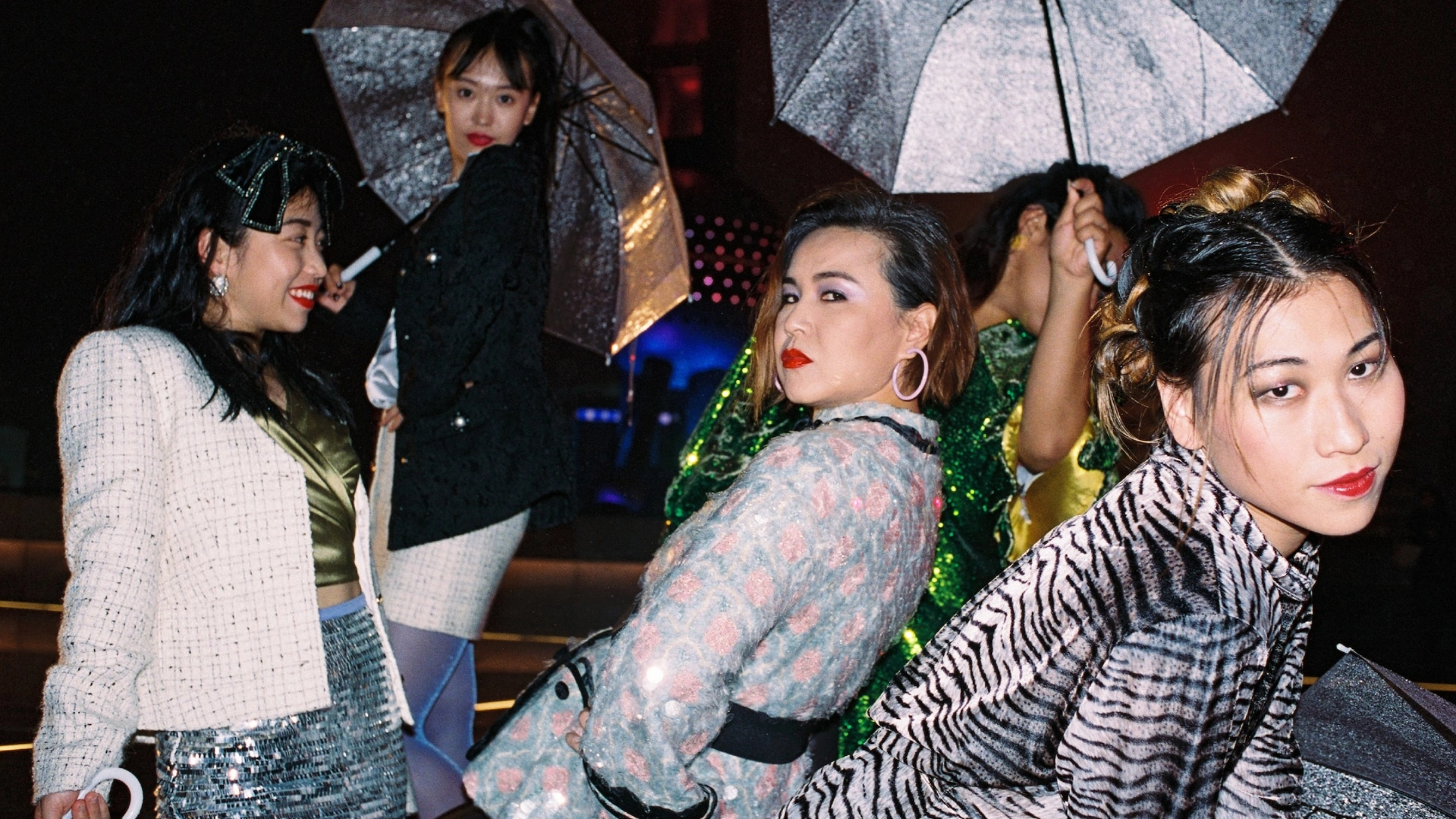
London’s subterranean labyrinth at 180 The Strand is no stranger to transformative installations, but its latest undertaking, Paradigm Shift, promises to be a watershed moment for contemporary art. Opening on October 15, 2025, and running through February 1, 2026, this sprawling exhibition maps the evolution of the moving image from the tactile, gritty textures of the 1970s to the hyper-connected, algorithmic reality of the modern era.
Curated by 180 Studios’ Mark Wadhwa and Dazed co-founder Jefferson Hack, the exhibition is a high-octane collision of avant-garde cinema, high fashion, gaming, and internet subcultures. It does not merely present a history of video; it interrogates how our relationship with the screen has fundamentally altered the human experience.
The Core Narrative: A Chronicle of Visual Rebellion
Paradigm Shift is anchored by a staggering list of contributors, featuring visionaries who have long challenged the boundaries of their respective media. The roster includes heavyweights such as Andy Warhol, Nan Goldin, Derek Jarman, and Mark Leckey, alongside contemporary trailblazers like Martine Syms, Cao Fei, Ryan Trecartin, and Arthur Jafa.
The exhibition acts as a bridge between the analog past and the digital future. Visitors are invited to walk through history, starting with the DIY ethos of early video pioneers who utilized portable cameras to disrupt mainstream narratives. This lineage flows directly into the present, where artists are increasingly grappling with the ethics of gaming, the surveillance of social media, and the rapid democratization of digital production.
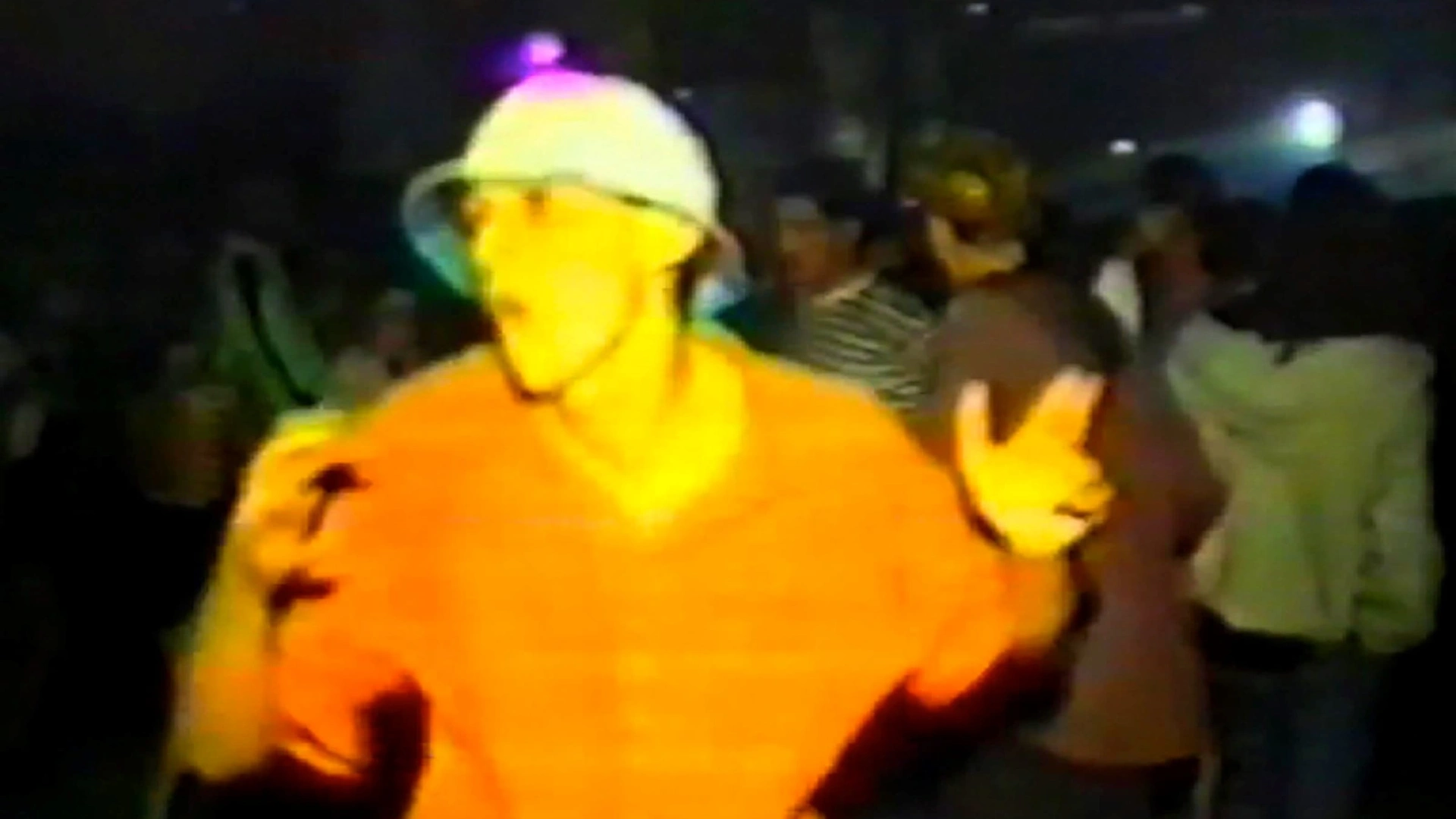
A centerpiece of the exhibition is Mark Leckey’s 1999 masterpiece, Fiorucci Made Me Hardcore. A seminal piece of British video art, the work serves as a nostalgic yet haunting autopsy of northern soul and rave culture, setting a tone for the exhibition’s overarching interest in how identity is constructed through shared visual languages.
A Chronology of the Moving Image: From Super 8 to the Metaverse
To understand the scope of Paradigm Shift, one must view it as a timeline of technological democratization.
The 1970s–1980s: The Analog Uprising
The exhibition begins by examining the "Super 8 and VHS revolution." During this period, the moving image escaped the confines of the cinema house and entered the domestic sphere. Artists used these low-fidelity tools to document the subcultural, the intimate, and the illicit. This was the era of the rebel—where the camera became an instrument of personal truth-telling, exemplified by the gritty, unvarnished portraiture of Nan Goldin.
The 1990s–2000s: The Digital Transition
As the 20th century drew to a close, the medium underwent a seismic shift. The introduction of digital editing and the burgeoning internet allowed for a new form of cultural collage. Artists like Mark Leckey and Ryan Trecartin emerged as masters of this "cut-and-paste" reality, blending TV tropes, pop music, and internet detritus into complex, chaotic, and deeply resonant visual essays.
The 2010s–Present: The Era of Hyper-Connectivity
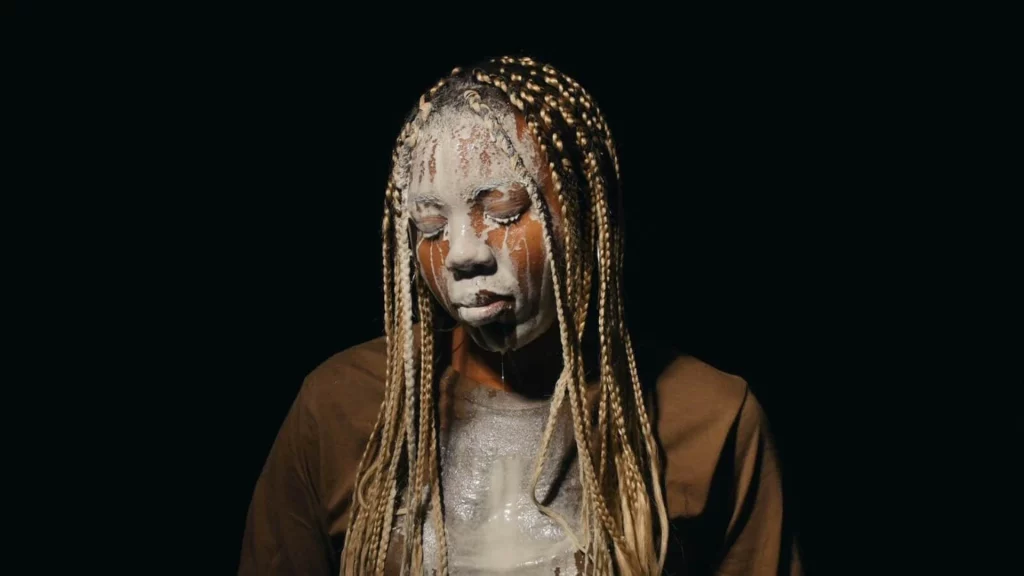
The current landscape is dominated by the ubiquity of the screen. In the final galleries of the exhibition, works by artists such as Martine Syms and Cao Fei reflect on how the internet has become a second skin. Here, the "moving image" is no longer just something we watch; it is something we inhabit. Gaming, live-streaming, and AI-generated imagery are the tools of the contemporary vanguard, forcing viewers to confront the blurring lines between the physical and virtual worlds.
Supporting Data: The Convergence of Mediums
The success of Paradigm Shift lies in its refusal to categorize art by traditional labels. Instead, it categorizes works by their cultural intent.
- Avant-Garde Cinema: The inclusion of historical figures like Derek Jarman provides the intellectual bedrock for the show, reminding us that the avant-garde has always been about subversion.
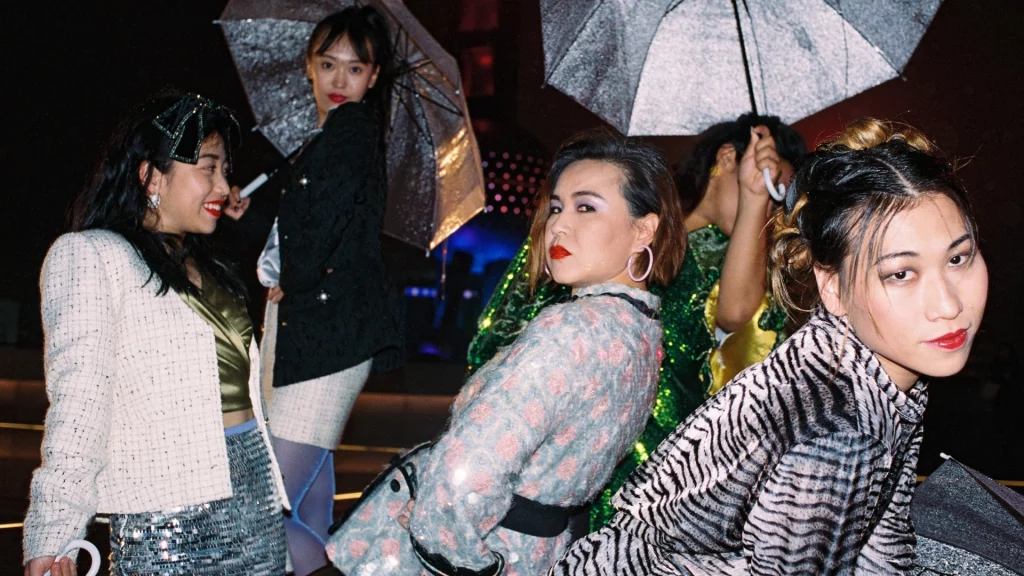
- Fashion and Identity: Through collaborations with brands like TELFAR and designers like Foday Dumbuya, the exhibition highlights the "image" as a commodity of self-expression.
- Gaming and Internet Culture: By featuring the works of creators who treat gaming engines as canvases, the exhibition acknowledges that the next "paradigm shift" is already occurring in the digital realm.
180 Studios has commissioned several new works specifically for this show, ensuring that the exhibition is not just a museum of the past, but an active participant in the current artistic discourse. These commissions serve to test the limits of large-scale projection, immersive soundscapes, and interactive installations.
Official Responses: The Philosophy of the Screen
Jefferson Hack, the driving force behind Dazed and a co-curator of the project, describes the exhibition as an essential response to our current state of "screen fatigue."
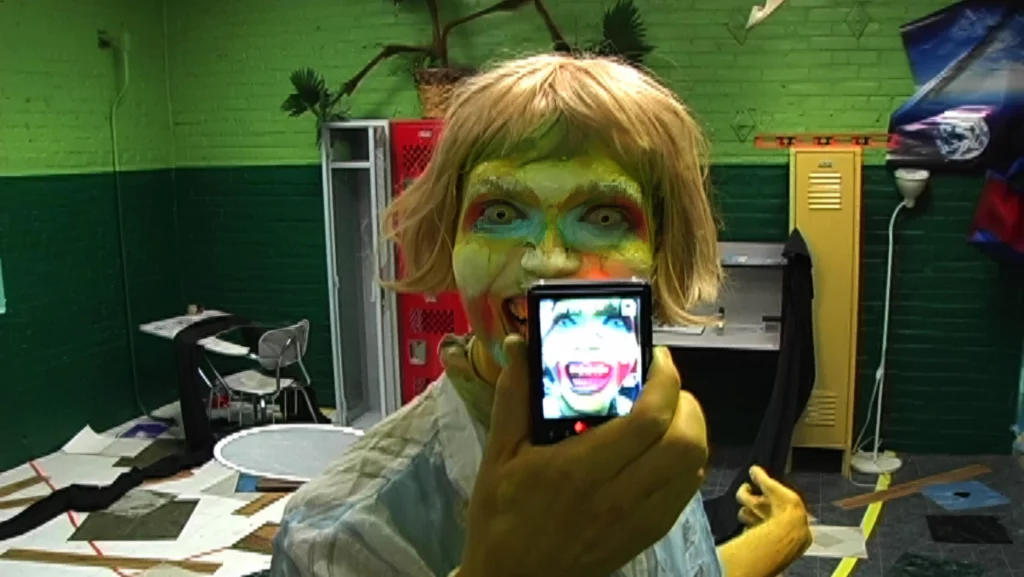
"From the Super 8 and VHS revolutions of the 1970s and ’80s to the digital hyper-connectivity of our present moment, video art and moving image have always operated at a crossroads," Hack notes. "They exist between the high and low, the visceral and the conceptual, the personal and the political. In Paradigm Shift, we see how great artists inspire us to engage with storytelling through screens differently: for us to feel more, imagine more, and recover our senses."
The partnership with Ray-Ban Meta further emphasizes this point. By integrating wearable technology into the exhibition experience, the organizers are inviting attendees to consider how their own perception is being augmented by the very devices they carry in their pockets.
The Implications: Why This Matters Now
Why dedicate such a massive, subterranean space to the history of the moving image in 2025? The answer lies in the nature of our current "information age." We are inundated with more visual content in a single day than our ancestors consumed in a decade. Paradigm Shift provides a necessary moment of pause.
1. The Reclamation of Attention
In an age of five-second viral clips, the exhibition demands sustained attention. It forces the viewer to sit with a work, to observe the progression of a narrative, and to engage with the technical craftsmanship behind the image.
2. The Democratization of the Lens
The exhibition highlights a recurring theme: the tools of the elite are eventually passed to the masses. The history of the moving image is a history of the "everyman" gaining the power to broadcast. From the camcorder to the smartphone, the evolution of the camera has been an evolution of power.
3. Ethical Considerations
As AI and deepfake technology begin to dominate the landscape of the moving image, the historical context provided by the exhibition becomes a critical touchstone. By looking at how artists like Arthur Jafa or Gillian Wearing have historically manipulated the image to reveal truths, we are better equipped to navigate the murky waters of digital misinformation today.
Visiting Information: A Practical Guide
Paradigm Shift is not merely an art show; it is an endurance test of cultural discovery. With its vast, sprawling layout and high-intensity sensory installations, visitors are advised to allocate at least three hours to fully digest the experience.
Exhibition Details:
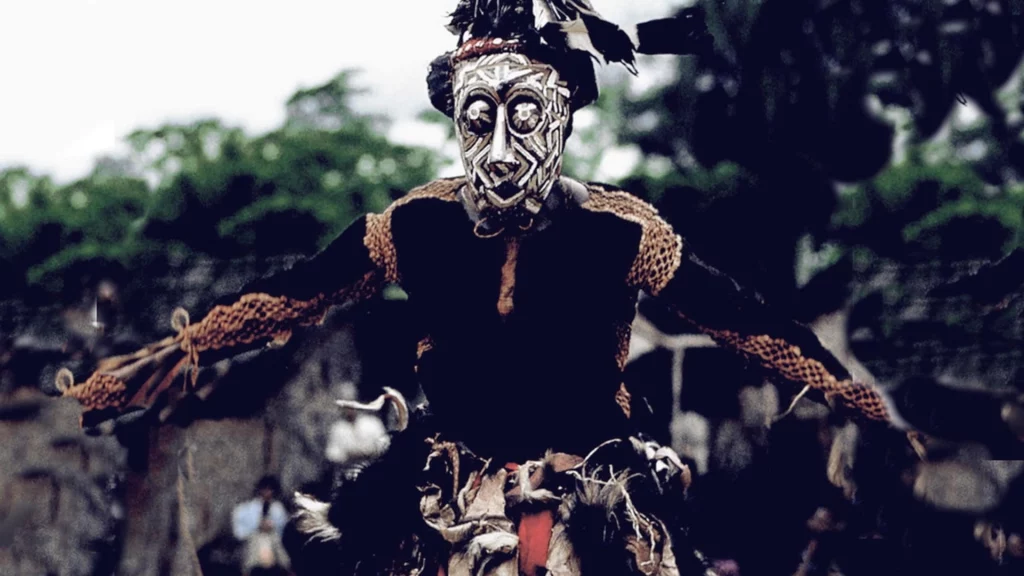
- Paradigm Shift: New Dimensions in Moving Image
- Venue: 180 Studios, 180 The Strand, London, WC2R 1EA
- Dates: 15 October 2025 – 1 February 2026
- Hours: 12pm – 7pm (Wednesday – Sunday)
- Tickets: Available at 180studios.com/paradigm-shift
As London enters the darker, colder months, the glowing screens of 180 The Strand offer a beacon of intellectual and aesthetic inquiry. For those interested in the trajectory of human culture, Paradigm Shift is an unmissable destination. It reminds us that while the tools of our expression change, the fundamental human desire to capture, manipulate, and share our vision remains as potent as ever. Whether you are a devotee of 1970s experimental film or a student of contemporary digital art, the exhibition serves as a profound reflection of who we are—and who we are becoming—in the age of the screen.