The marketing campaign for Alex Gibney’s highly anticipated documentary, Musk, has become almost as controversial as the subject itself. After an initial wave of rejections by major social media platforms, the film—a deep, critical dive into the life and influence of Elon Musk—found itself at the center of a burgeoning debate regarding content moderation, political censorship, and the power of tech moguls over the media landscape.
While the film, directed by the Academy Award-winning filmmaker behind Going Clear and The Inventor, was slated for a prominent marketing push, major platforms including TikTok, Meta, YouTube, and X initially refused to run paid advertisements for the trailer. Following a flurry of public inquiry and industry pressure, the situation has shifted, revealing the complexities of how these algorithmic giants handle content that touches upon the world’s wealthiest and most influential figures.
Chronology of the Content Clash
The controversy broke late last week when reports surfaced that the film’s U.S. distributor, Bleecker Street, faced a wall of refusals when attempting to purchase ad space. According to The Hollywood Reporter, TikTok, Meta, YouTube, and X all denied the advertisements, ostensibly flagging the trailer as "political content."
The rejection sparked immediate industry pushback. By Saturday, the narrative began to shift as Meta and YouTube walked back their initial decisions.
- Friday: Initial reports confirm that all four major platforms—Meta, TikTok, YouTube, and X—rejected the promotional trailer for Musk.
- Saturday Morning: Meta acknowledged the error. A spokesperson for the company told TechCrunch, "This was an error and the ads are being restored," though the company did not elaborate on why the system flagged the trailer in the first place.
- Saturday Afternoon: YouTube issued a clarification. The platform noted that while the trailer was always available to be hosted on the site, the paid ad submission had been "temporarily restricted by our system." YouTube confirmed that following a manual review, the ad was cleared for distribution.
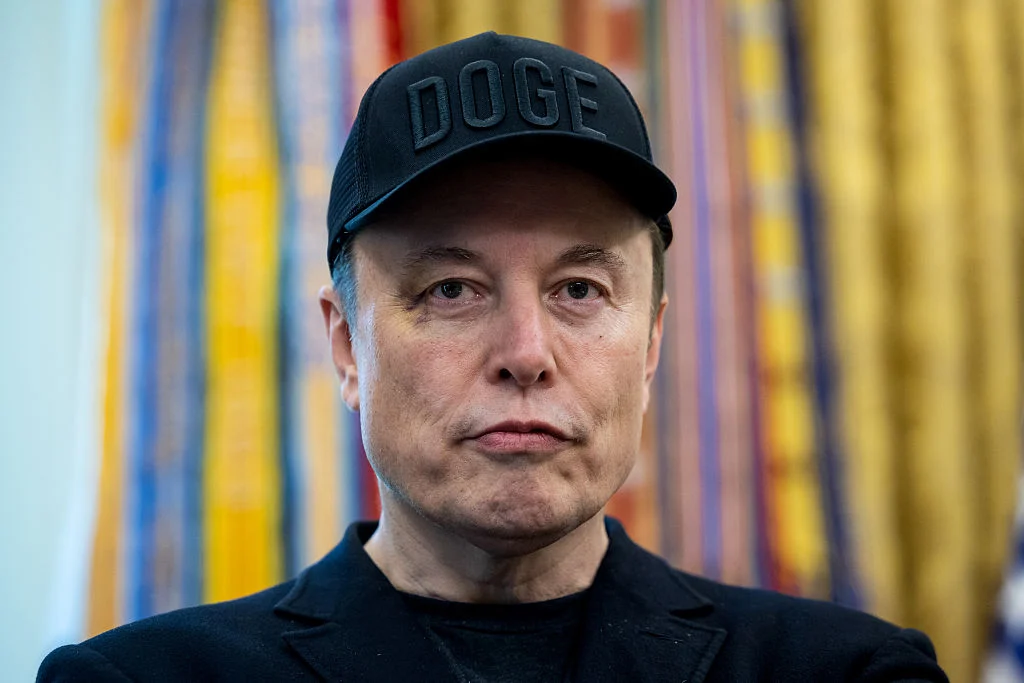
- Ongoing: X (formerly Twitter) remains the primary outlier. Given Elon Musk’s personal ownership of the platform and his vocal disdain for the project—having recently posted that "Dogshit is worth more respect than Gibney"—few industry observers expect the platform to reverse its stance.
The "Political Content" Quagmire
The central point of contention in these rejections is the classification of the documentary as "political content." Major platforms have strict, often automated, rules regarding political advertising to avoid election interference and misinformation. However, the application of these rules to a biographical documentary has raised eyebrows among industry experts and civil liberties advocates.
Bleecker Street has actively appealed the rejections, arguing that Musk is a cinematic exploration of a public figure’s life and business career, not a partisan campaign ad designed to influence an election. The ambiguity of these policies—where a documentary about a tech mogul is treated with the same skepticism as a political attack ad—highlights a growing trend in which "political content" labels are increasingly used as a catch-all to suppress controversial or uncomfortable topics.
Meta’s recent decision to stop accepting political ads in the European Union and TikTok’s long-standing ban on political advertising have created rigid infrastructure that, when applied to independent media, can result in collateral damage. The question remains: at what point does a biographical documentary become "political," and who has the authority to make that distinction?
The Subject: A Terrifying Portrait
Alex Gibney’s Musk is not a lighthearted affair. Having premiered at the Venice International Film Festival to near-unanimous critical acclaim, the film currently holds a 100% "fresh" rating on Rotten Tomatoes. Critics have described the four-hour documentary as a comprehensive, often chilling, investigation into the intersection of technology, politics, and personal power.
Bilge Ebiri, writing for Vulture, framed the documentary as a "terrifying" warning about the future of modern business and governance. The film explores Musk’s multifaceted career, his influence on global infrastructure, and his increasingly overt alliance with political figures, including President Donald Trump.
The documentary’s depth is bolstered by a roster of high-profile interviewees, including Musk’s ex-wife, Justine Musk, and Ashley St. Clair, a former right-wing influencer who has since distanced herself from the billionaire, famously referring to him as "a nuke." By weaving together personal testimony and business analysis, Gibney crafts a narrative that is as much about the fragility of global systems as it is about the man at the center of them.
The Universal Pictures Conundrum
The advertising struggles are not the only obstacles the film has faced. The distribution of Musk has been fraught with internal hesitation at the studio level. Reports from The Hollywood Reporter indicated that Universal Pictures, which holds international distribution rights, was deeply concerned about potential backlash from the current political administration.
This fear of "angering the powers that be" is a growing anxiety in Hollywood. When the subject of a film is arguably the most powerful private citizen in the world, studios must weigh the artistic value of a project against the potential for regulatory or retaliatory consequences. While Universal has since reaffirmed its commitment to a theatrical release, the uncertainty surrounding its strategy reflects a climate of extreme caution.
Implications for Free Expression
The fact that these platforms eventually allowed the ads—after external pressure—suggests that their internal systems are heavily reliant on automated filters that lack the nuance required for cultural discourse. When a documentary trailer is flagged as political, the burden of proof falls on the independent distributor, creating a barrier to entry that favors established, mainstream content over critical or independent journalism.
If major social media platforms continue to classify biographical and investigative content as "political," the ripple effects on public discourse could be profound. In an era where digital platforms serve as the primary town square for the exchange of ideas, the ability to promote a film that critiques the owner of one of those squares is a vital litmus test for free speech.
Furthermore, the "Elon Musk effect"—the influence the billionaire wields over his own platform—cannot be overstated. By setting a tone of overt hostility toward his critics, Musk has created a culture at X where dissent is not only discouraged but actively suppressed. While Meta and YouTube have attempted to restore a semblance of neutrality, the broader ecosystem remains vulnerable to the whims of those who control the algorithms.
A Path Forward
As Musk heads toward its U.S. theatrical release on October 9, the industry will be watching closely to see if the film faces further "systemic errors" or intentional interference. The success of Gibney’s film is not just a matter of box office revenue; it is a test case for whether the digital infrastructure of the 21st century can accommodate the critical analysis of the people who built it.
For now, the trailer is running on YouTube and Meta, but the shadow of the initial rejection looms large. As Bleecker Street continues to navigate the labyrinthine policies of Big Tech, the film serves as a potent reminder of the fragility of independent media in a landscape dominated by a few massive, profit-driven entities.
The story of Musk—both the film and the man—is far from over. As the documentary reaches wider audiences, the debate over how we consume, discuss, and advertise the truth about our most powerful figures will likely intensify, forcing a necessary reckoning with the platforms that dictate what we see and what we are allowed to hear.
Disclaimer: This article is for informational purposes. The author and publisher do not necessarily endorse the claims made within the documentary or by the platforms mentioned.