In an era dominated by the ephemeral nature of digital streaming, where music is often consumed as background noise through compressed algorithms, the resurgence of vinyl records represents a profound shift in consumer behavior. Audiophiles and casual listeners alike are increasingly returning to the tactile, intentional experience of the long-playing record. For the dedicated listener, vinyl is not merely a nostalgia trip; it is a high-fidelity portal into the soul of musical history.
This report explores four essential vinyl pressings—ranging from the cool, liquid jazz of Chet Baker to the raw Delta blues of Muddy Waters—that serve as pillars for any serious collection. These albums, currently available through major retailers like Music Direct, Acoustic Sounds, and independent shops, offer more than just nostalgia; they provide a masterclass in production, sonic texture, and the enduring power of analog sound.
The Art of the Listening Experience: An Introduction
For many, the review process for audio equipment is a clinical, technical endeavor. However, when the critical listening concludes, the true enjoyment begins. My personal rotation focuses heavily on Jazz and Classical—spanning early music, Baroque, Romantic, and modern compositions—alongside the grit of Blues and the foundations of Rock & Roll.
The following selections represent albums that have stood the test of time, both musically and technically. Whether pressed on 180g virgin vinyl or mastered at 45 RPM, these records prove that the physical medium remains the gold standard for dynamic range and emotional engagement.
Chronology of Sonic Mastery: Featured Albums
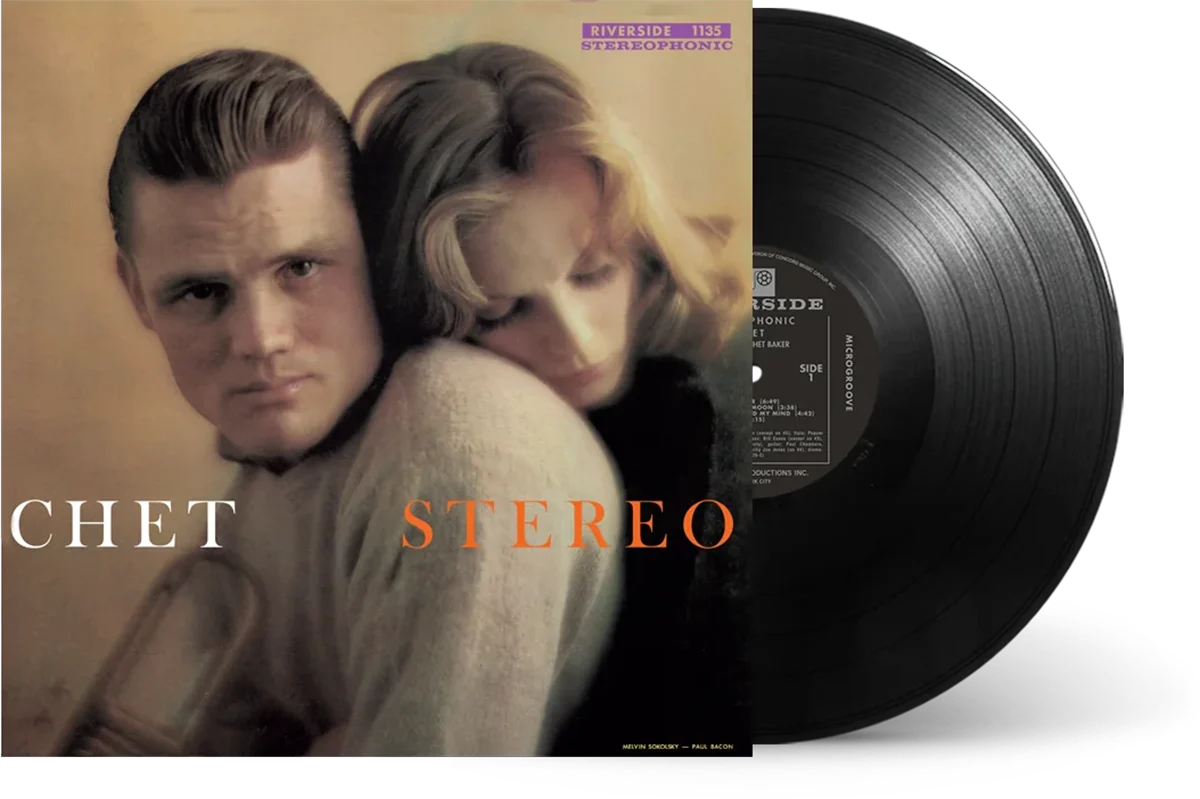
Chet Baker: Chet (Craft Recordings / Originally Riverside)
Recorded in New York between December 1958 and January 1959, Chet is a testament to the instrumental prowess of a man better known to the general public for his melancholic vocal delivery. This album is a pure jazz statement, stripping away the lyrics to highlight Baker’s trumpet mastery.

The Personnel:
- Chet Baker: Trumpet
- Herbie Mann: Flute
- Pepper Adams: Baritone Saxophone
- Bill Evans: Piano
- Paul Chambers: Bass
- Connie Kay / Philly Jo Jones: Drums
Sonic Analysis: On "Alone Together," the pacing is deliberate and intimate. The notes are ripe with passion, and the soundstage is vast, characteristic of the best late-50s jazz recordings. Unlike modern, over-compressed masters, the percussion here is tucked back in the mix, allowing the trumpet and saxophone to breathe. "How High the Moon" demonstrates a rare feat in recording: a flute that sounds full-bodied, lacking the thin, glassy glare often associated with mid-century wind instrument captures.
Muddy Waters: Folk Singer (Analogue Productions / Originally Chess)
If Chet Baker is the cool, urban breeze of the 50s, Muddy Waters’ Folk Singer is the raw, burning heat of the Mississippi Delta. Released as his second studio album, it stands as a pillar of modern Chicago Blues.
The Personnel:
- Muddy Waters: Guitar, Vocals
- Buddy Guy: Guitar
- Willie Dixon: Bass
- Clifton James: Drums
Implications of the Record: Folk Singer is a masterclass in dynamic range. On tracks like "My Home is in the Delta," the listener is placed roughly five rows back from the stage. The resonance of Waters’ voice against the recording space is palpable. This record bridges the gap between the rural Delta tradition and the amplified urban sound that would eventually birth Rock & Roll. It is essential listening for anyone who wants to understand the lineage of modern guitar gods like Eric Clapton, Jimmy Page, and Jimi Hendrix.

Stanley Cowell Trio: Illusions Suite (ECM)
ECM Records has long been the gold standard for high-fidelity, atmospheric jazz. Illusions Suite is no exception. It is a record of profound technical precision and "black space"—the silent gaps between instruments that define a top-tier audiophile pressing.
Musical Structure: Tracks like "Maimoun" and "Ibn Mukhtarr Mustapha" oscillate between tranquil piano solos and high-energy, percussive jazz. The album tests the limits of a sound system’s high-end extension. The metallic decay of cymbal strikes on this record is remarkably lifelike, serving as a reminder that vinyl remains superior to streaming for preserving the "musical density" of a performance.
Vince Guaraldi: It’s a Mystery, Charlie Brown (Lee Mendelson Film Productions)
The recent archival work by Jason and Sean Mendelson has unveiled a trove of Vince Guaraldi’s "lost" recordings. It’s a Mystery, Charlie Brown (1974) represents a departure from the traditional Peanuts sound, embracing a funkier, electric vibe.
Supporting Data: The production utilized 24-bit 192 kHz digital transfers from the original 2-inch 16-track master tapes. The result is a sound that eclipses earlier pressings of Guaraldi’s work. With the inclusion of wah-wah pedals, clavinet, and electric guitar, the album highlights the evolution of a composer who refused to rest on the laurels of A Charlie Brown Christmas.
Technical Specifications and Production Standards
The quality of these pressings is not accidental; it is the result of rigorous attention to the source material.

- Restoration: In the case of the Peanuts soundtrack, producers moved beyond original pressings, opting for meticulous restoration of session tapes that had been gathering dust for decades.
- Pressing Quality: The modern trend of 180g vinyl, while not always a guarantee of quality, is largely utilized here to ensure a flat, stable disc that minimizes surface noise and prevents the "thinning" of low-end frequencies.
- Dynamic Range: Unlike the "Loudness Wars" of the digital age, these jazz and blues records preserve the natural dynamic peaks and valleys of the performance. The "soft" passages in a Chet Baker track are just as intentional as the explosive drum fills in a Muddy Waters blues shout.
Implications for the Modern Collector
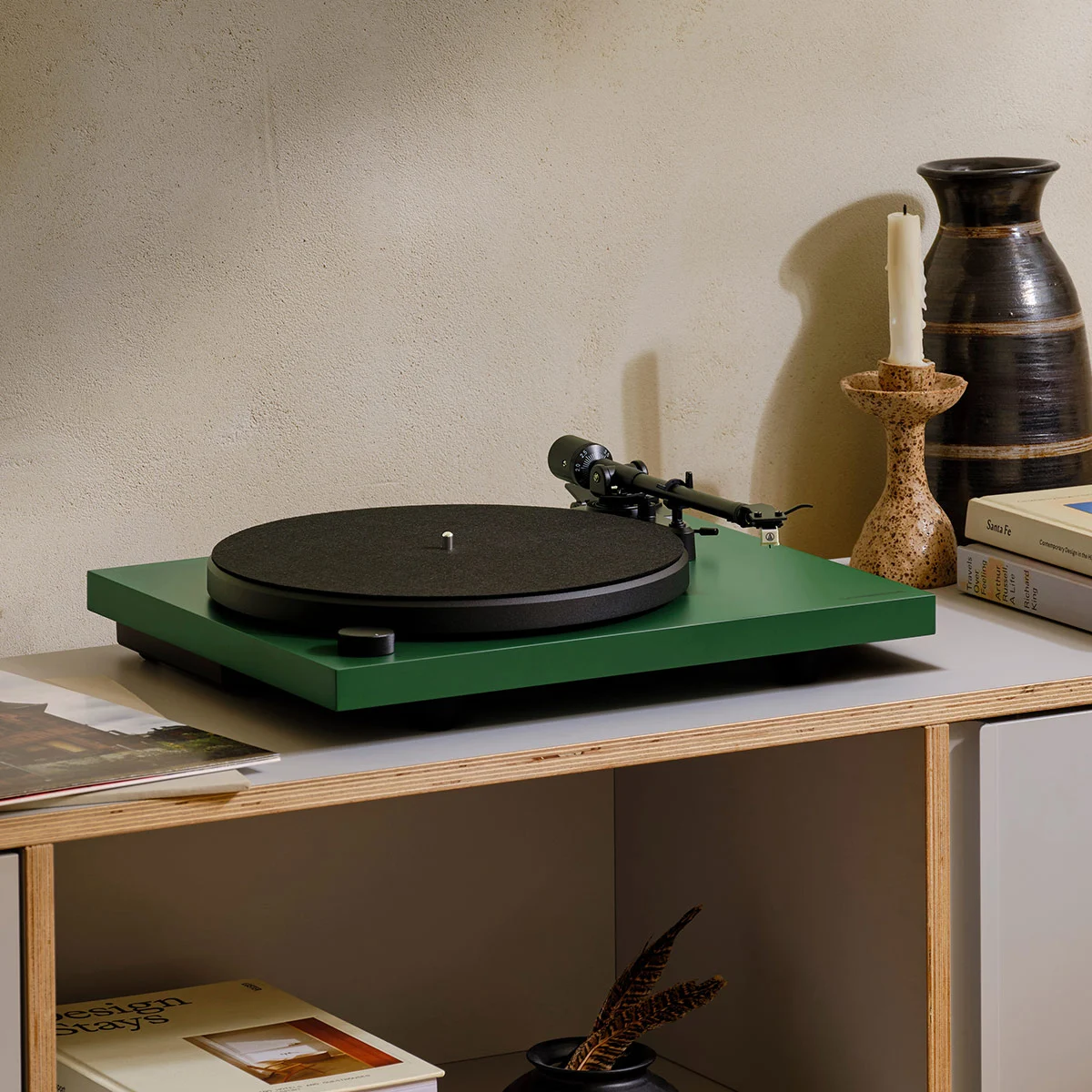
Why return to vinyl? The answer lies in the concept of "active listening." When we stream music, we often treat it as a background utility. When we drop the needle on an LP, we are committing to a 20-minute side of music. We are forced to engage with the sequencing, the album art, and the sonic textures.
The Evolution of Taste
Musical taste, much like a palate for fine wine, evolves. A listener who finds Miles Davis or Stanley Cowell "difficult" or "dissonant" on the first listen will often find, after five or six sessions, that the complexity is the very thing that keeps the music alive. These albums do not have the "pop hooks" designed to fade away after a month of heavy rotation; they are, instead, rewards for patience.
A Note on Market Accessibility
The beauty of the current market is the democratization of high-quality audio. While audiophile-grade 45 RPM pressings command a premium, standard-weight, high-quality pressings from labels like Craft Recordings and ECM remain accessible at most major retail outlets. For the beginner, Chet is an ideal entry point into jazz. For those who appreciate the narrative history of music, Folk Singer is a non-negotiable addition to the library.
Conclusion: The Final Verdict
The four albums reviewed here are more than just items for a collection; they are historical documents preserved in wax. They remind us that the late 1950s through the mid-1970s was a period of unprecedented creative explosion in jazz and blues.
As we look toward the future of home audio, the message is clear: if you want to truly "hear" the room, the breath of the trumpet player, or the resonance of a wooden guitar body, there is no substitute for the analog experience. Whether you are hunting for the "Mysterious Magenta" colored vinyl of a Peanuts soundtrack or seeking a pristine pressing of Illusions Suite, the act of collecting is an act of preservation. Support your local record stores, invest in your equipment, and take the time to listen—really listen—to the music that shaped our world.

Reviewed by Jeff Wheaton & Carlo Lo Raso