
The landscape of high-fidelity audio has undergone a remarkable transformation in recent years. As digital streaming continues to dominate the consumer market, a parallel, highly sophisticated movement—the audiophile vinyl resurgence—has matured into a pillar of modern music appreciation. Driven by meticulous restoration processes, high-definition pressing techniques, and a renewed appreciation for the "album as a cohesive narrative," labels and engineers are breathing new life into catalogs that once seemed destined for the digital-only dustbin.
This report examines four significant recent releases that highlight this trend: the Mobile Fidelity Sound Lab (MoFi) "ONE-STEP" reissue of Donald Fagen’s Kamakiriad, the live Steely Dan chronicle Northeast Corridor, the genre-bending collaboration Raise The Roof by Robert Plant and Alison Krauss, and the archival discovery Monk Live In Paris, 1967 (Volume One).
1. The Art of the Archive: Donald Fagen’s Kamakiriad
The "ONE-STEP" Paradigm
Released in July 2026, the MoFi ONE-STEP reissue of Donald Fagen’s 1993 masterpiece Kamakiriad serves as a benchmark for contemporary archival restoration. Mastered by Krieg Wunderlich at Mobile Fidelity Sound Lab in Sebastopol, CA, this 45 RPM 2LP box set utilizes a specialized process: moving from a PCM digital master to an analog console, and finally to the lathe.
The timing of this release is symbolic; 2026 marks 33 years since the album’s original debut. In numerology, 33 is a "Master Number," often associated with guidance and the completion of a journey—a fitting metaphor for an album that serves as a conceptual road trip through a futuristic, steam-driven landscape.

Sonic Fidelity and Structural Integrity
For the discerning listener, Kamakiriad is not merely a collection of songs; it is a sonic ecosystem. Jeff Wheaton, who reviewed the release, noted that the pressing offers an unprecedented "master tape" experience. The 180-gram vinyl reveals layers of sophistication previously obscured by lesser formats. Instruments are balanced with surgical precision—the bass is incisive and "in the pocket," while vocals are rendered with an airy, three-dimensional presence.
The packaging, featuring a deluxe slipcase and foil-stamped jackets, underscores the archival merit of the project. With a limited run of 4,000 pressings, this release acts as a reminder of the Steely Dan ethos: a commitment to session perfection, where every nuance is calculated to serve the narrative arc of the album.
2. Chronology of a Legacy: Steely Dan’s Northeast Corridor
While Kamakiriad represents the zenith of studio production, Northeast Corridor offers a different perspective on the Steely Dan canon. Released as a 180-gram 2LP set, this project marks the first official Steely Dan live record in over 25 years.
Production and Technical Challenges
Recorded by Michael "Coach" Conner and mastered by the legendary Bernie Grundman in Hollywood, the album captures the band’s enduring vitality. However, the release highlights a broader issue in the industry: the "vinyl backlog." Even for high-profile releases, production wait times can stretch to six months or more. This bottleneck, often caused by the sheer demand for high-quality pressings, has left many classic titles waiting for reprints.

The Live Interpretation
Despite these industry hurdles, Northeast Corridor succeeds by refusing to mimic the studio albums. Instead, it offers a "jazz-inflected" freedom. On tracks like "Aja" and "Hey Nineteen," the band leans into the improvisational spirit. Drummer Keith Carlock, stepping into the massive shoes of Steve Gadd, provides a fresh, percussive energy that keeps the classic material from feeling like a museum piece. The result is a testament to Donald Fagen’s ability to assemble elite musicians who can honor the original compositions while breathing new life into them.
3. Supporting Data: The Genre-Rich World of Raise The Roof
Robert Plant and Alison Krauss’s Raise The Roof (Rounder Records) provides a compelling case study for the modern Americana and roots movement. Produced by the venerable T Bone Burnett and mastered by Gavin Lurssen, the album has garnered significant critical acclaim, including multiple Grammy nominations.
Comparative Analysis: Vinyl vs. Streaming
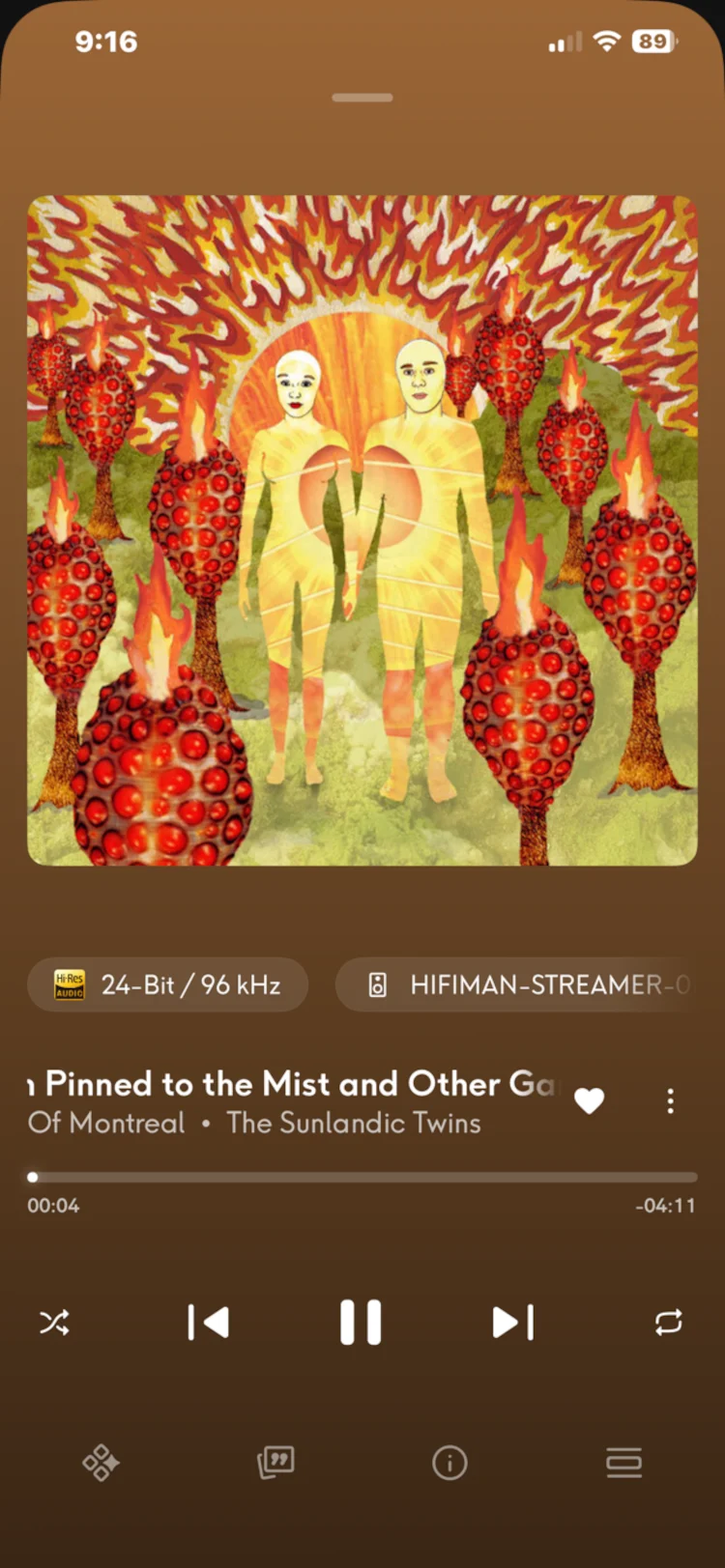
A central debate in modern audiophilia is the discrepancy between high-resolution streaming (Qobuz 24-bit/96kHz) and physical media. During testing, while the streaming version proved highly enjoyable, it lacked the "meat-on-the-bone" quality of the 180-gram vinyl. The sustained drum lines and the weight of the bass foundation on the physical record offered a level of physical immersion that digital files—at least in this specific comparison—failed to replicate.
Artistic Cohesion
The album’s success lies in the seamless harmony between Plant’s blues-drenched, textured vocals and Krauss’s ethereal precision. Tracks like "Quattro (World Drifts In)" and "The Price of Love" demonstrate a mastery of atmosphere. The production stays deliberately in the pocket, avoiding the temptation of vocal "fireworks" in favor of storytelling. It is an essential listen that highlights how legacy artists can remain relevant by focusing on the integrity of the song above all else.

4. Archival Discovery: Monk Live In Paris, 1967
The discovery of the archival tapes for Monk Live In Paris, 1967 (Volume One) represents a significant event in jazz history. Recovered from storage in France, these tapes have undergone digital restoration at the legendary Van Gelder Recording Studios.
Restoration and Authenticity
The challenge of releasing archival live recordings is managing the noise floor and tonal inconsistencies inherent in decades-old tapes. However, the team behind this release has managed to preserve the venue’s natural reverb and the distinctive body of Monk’s piano.
The 180-gram translucent blue vinyl pressing serves as a physical artifact of a lost performance. While the first side leans into the exploratory, free-form nature of the quartet, the second side highlights the melodic genius of "Ruby My Dear." This release serves as a crucial reminder that the "analog renaissance" is not only about re-releasing hits but also about preserving the unrecorded history of jazz legends.
5. Implications for the Future of Music
The common thread linking these four releases is the prioritization of "the listening experience." In an age of algorithmic playlists and truncated attention spans, these labels are betting on a different model: one where the physical format, the fidelity of the mastering, and the narrative flow of the album are paramount.

The "Album as Journey"
As the review of Kamakiriad suggested, some albums are not meant to be sampled in "demo chunks." They are books to be read from start to finish. This resurgence of interest in long-form, high-quality audio suggests that there is a significant segment of the population that craves depth.
Industry Challenges
However, the industry faces significant hurdles. The reliance on legacy pressing plants and the specialized skills of mastering engineers like Bernie Grundman and Krieg Wunderlich creates a talent and infrastructure bottleneck. If the industry is to continue this upward trajectory, it must address the sustainability of production lines and the accessibility of these "audiophile" pressings for a younger, growing demographic of listeners.
Conclusion
Whether through the high-tech precision of a MoFi ONE-STEP or the grit of a 1967 archival jazz tape, these records confirm that the medium matters. Music is not just data; it is a physical, emotional, and historical experience. As we look toward the future of home audio, the success of these releases suggests that the "golden age" of recorded sound may not be behind us—it may be happening right now.
Reviewers: Jeff Wheaton, Carlo Lo Raso
Contributing Data Sources: Mobile Fidelity Sound Lab, Universal Music Enterprises, Rounder Records, Rhythm-A-Ning Entertainment.