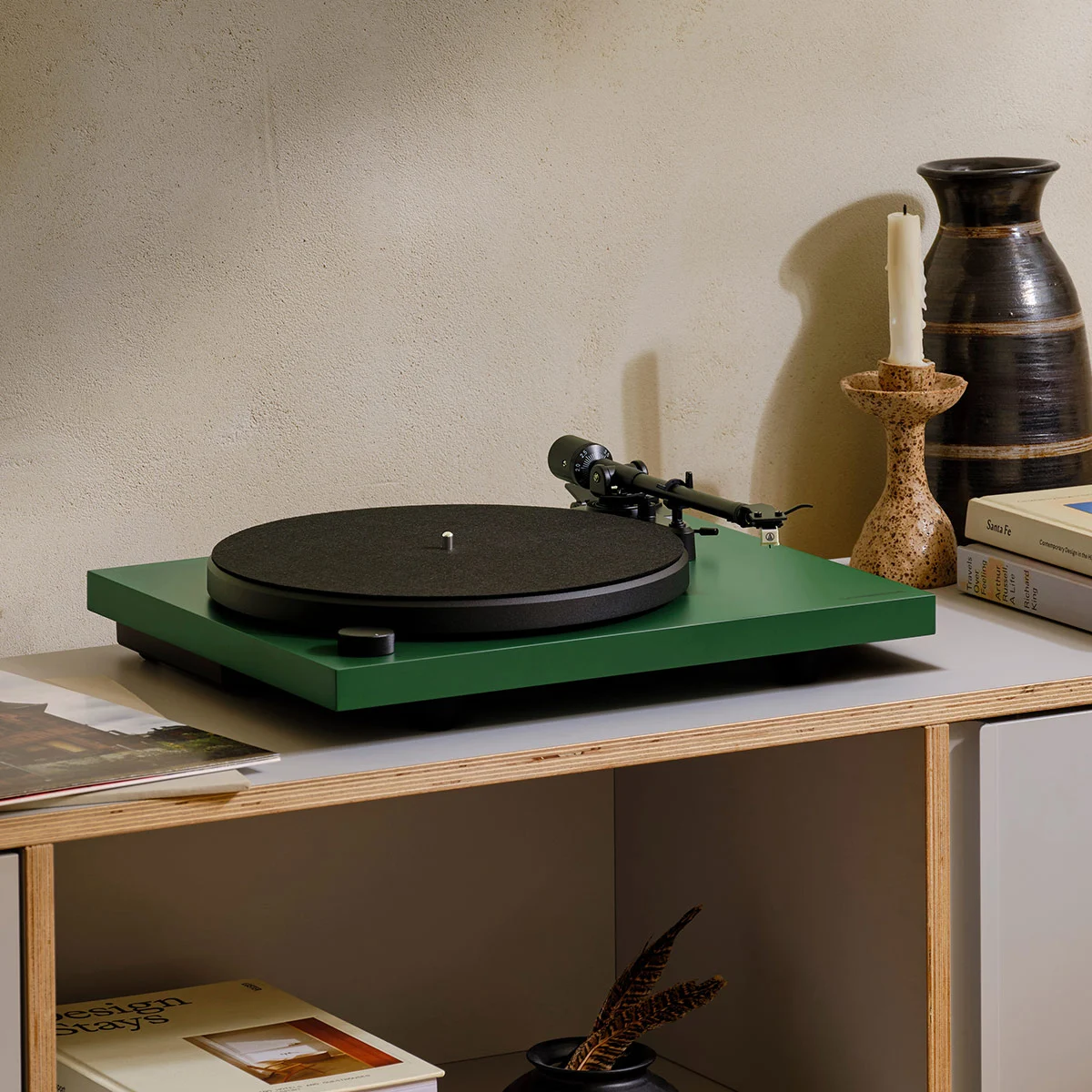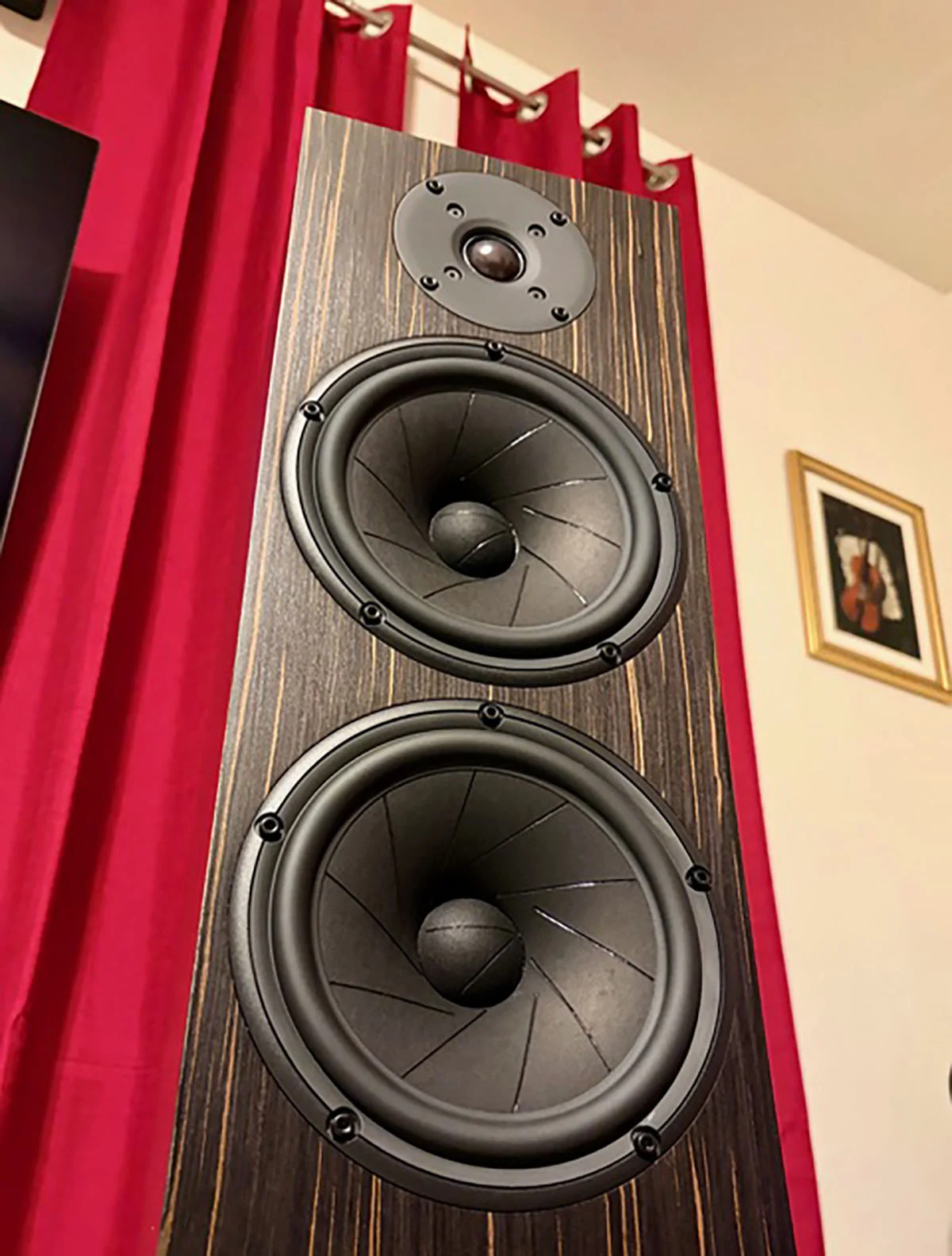
The landscape of high-fidelity audio is currently undergoing a profound renaissance, characterized by a renewed reverence for the analog format. As audiophiles and casual listeners alike return to the physical medium, labels like Mobile Fidelity Sound Lab (MoFi) and Universal Music Enterprises are responding with archival-grade reissues and meticulously curated live recordings. This report examines four significant recent releases that exemplify the current state of the art in vinyl production, spanning the sophisticated jazz-rock of Steely Dan, the Americana collaborations of Robert Plant and Alison Krauss, and the unearthed genius of Thelonious Monk.
The Architecture of Sound: Donald Fagen’s Kamakiriad (ONE-STEP Reissue)
Main Facts and Production Pedigree
In July 2026, Mobile Fidelity Sound Lab unveiled its ONE-STEP reissue of Donald Fagen’s 1993 masterpiece, Kamakiriad. Mastered by the esteemed Krieg Wunderlich, this release serves as a milestone, arriving exactly 33 years after the album’s original debut. The production process represents the pinnacle of modern audio engineering: a PCM digital master transferred to an analog console, then cut directly to the lathe. Pressed on 180-gram high-definition vinyl at 45 RPM, the box set features a deluxe slipcase, foil-stamped jackets, and archival-merit inner sleeves.
Chronology and Cultural Significance
Kamakiriad is more than a sonic achievement; it is a historical bridge. Its initial 1993 success acted as the catalyst for the first Steely Dan tour in nearly two decades, effectively cementing the creative partnership between Donald Fagen and the late Walter Becker until Becker’s passing in 2017. The album is structured as a narrative journey through eight songs, set in a near-future landscape where the protagonist traverses the "Trans-Island Highway" in a custom, steam-driven "Kamakiri" vehicle. The narrative arc—from the optimism of the "Trans-Island Skyway" to the existential crossroads of "Teahouse on the Tracks"—mirrors the listener’s own experience of the album’s intricate layers.

Audiophile Implications
The sonic quality of this ONE-STEP pressing is, by all accounts, transcendent. Reviewer Jeff Wheaton notes that the recording possesses a "master tape" quality, offering a level of tonal information and spatial depth that eclipses earlier pressings of Fagen’s catalog. The balance is remarkable; instruments are distinct yet integrated, allowing for a listening experience that remains emotionally engaging even at high decibel levels. The bass response is particularly noteworthy—incisive and textured—maintaining the legendary precision that defined the Steely Dan aesthetic. With a limited run of 4,000 pressings, this release is positioned as a definitive artifact for collectors.
Live Performance and the "Northeast Corridor" Phenomenon
Supporting Data: Steely Dan’s Northeast Corridor
The 180-gram 2LP release of Northeast Corridor, Steely Dan Live represents a crucial addition to the Steely Dan discography, marking the group’s first live album in over 25 years. Recorded by Michael "Coach" Conner and mastered by the legendary Bernie Grundman, the set captures the energy of the band’s touring ensemble.
Implications for the Vinyl Industry
The scarcity of this release highlights a broader structural issue within the vinyl industry: the production bottleneck. As demand outpaces manufacturing capacity, even veteran industry figures—such as Grammy-nominated engineer Carlos Castro—face wait times of six months or more to have their work pressed. Despite these logistical hurdles, the quality of Northeast Corridor remains high. The live arrangements offer a "fresh" perspective on classics like "Black Cow" and "Aja," with Keith Carlock’s drumming on the latter providing a masterclass in creative interpretation. The recording successfully avoids the common pitfall of live albums—where audience noise or poor acoustics detract from the music—instead offering a clean, dynamic soundstage that highlights the virtuosity of the session musicians Fagen assembled.

Genre-Defying Collaboration: Robert Plant and Alison Krauss
Official Responses and Artistic Merit
The collaboration between Robert Plant and Alison Krauss on Raise The Roof continues to garner critical acclaim, earning three Grammy nominations at the 65th Awards ceremony. Produced by the legendary T Bone Burnett and mixed by Michael Piersante, the album debuted in the Top 10 of the Billboard 200, proving that high-concept Americana can achieve mainstream commercial success.
Comparative Analysis: Vinyl vs. Streaming
When evaluating the listening experience, the 180-gram vinyl edition of Raise The Roof offers a distinct advantage over its digital counterparts. While Qobuz’s 24-bit/96kHz stream provides a clear and enjoyable presentation, it lacks the "meat-on-the-bone" quality of the physical disc. The vinyl version excels in its representation of bass foundation and the nuanced interplay between Plant’s and Krauss’s vocals. Tracks like "Quattro (World Drifts In)" and "Trouble With My Lover" reveal a depth of field and harmonic texture that streaming, while technically proficient, struggles to replicate. Despite minor quibbles regarding the brightness of high-end percussion, the record stands as a testament to the importance of physical media in preserving the full dynamic range of a recording.
Archival Discovery: Thelonious Monk in Paris
Chronology of a Masterpiece
The release of Monk Live In Paris, 1967 (Volume One) represents a significant event in jazz historiography. Restored from archival tapes recently discovered in France, this recording documents the Thelonious Monk Quartet—featuring Charlie Rouse, Larry Gales, and Ben Riley—at the height of their powers at the Salle Pleyel.

Technical Restoration
The preservation of these recordings required delicate digital remastering at the Van Gelder Recording Studios. Despite the unknown conditions under which the tapes were stored for decades, the resulting audio is startlingly clear. The translucent blue 180-gram vinyl provides a quiet, flat surface that allows the listener to fully appreciate the "freeform" exploration of tracks like "Epistrophy" and the melodic clarity of "Ruby My Dear." By bringing these performances to light, Rhythm-A-Ning Entertainment has provided a vital service, ensuring that the spontaneous genius of Monk remains accessible to modern ears.
Conclusion: The State of the Industry
The common thread linking these four diverse releases is a commitment to the "full-album" listening experience. In an era dominated by playlist-driven consumption, these high-fidelity records demand the listener’s complete attention. Whether it is the narrative journey of Kamakiriad, the live energy of Steely Dan, the Americana depth of Plant and Krauss, or the archival historical weight of Thelonious Monk, these releases prove that the demand for high-quality audio is not merely a nostalgia-driven trend, but a pursuit of sonic truth.
As the industry continues to navigate the challenges of supply chain backlogs and the need for sustainable, high-quality manufacturing, the success of these titles underscores a fundamental reality: the audience for high-fidelity audio is growing. By prioritizing the integrity of the original master and the precision of the pressing process, labels are not just selling records; they are preserving musical history for future generations. For the audiophile, the choice is clear—when the needle drops on a record of this caliber, the music is no longer just a background element, but an immersive, living document of human creativity.