On November 4, the startup ecosystem will descend upon Boston’s iconic SoWa Power Station for a singular, high-intensity event: the TechCrunch Founder Summit. Designed as a definitive "crash course" for entrepreneurs, the summit aims to distill the chaotic, often brutal reality of startup building into a single day of actionable intelligence. By facilitating direct access to the venture capitalists, operators, and serial entrepreneurs who have already navigated the minefield of early-stage growth, TechCrunch is looking to shorten the learning curve for the next generation of founders.
Main Facts: A Blueprint for Resilience
The TechCrunch Founder Summit is not merely a networking conference; it is a strategic boot camp. The core value proposition is simple: founders should not have to learn the hardest lessons—such as how to manage a down-round, navigate a toxic cap table, or pivot an AI strategy—by suffering through them.
The summit covers the full lifecycle of the startup journey, focusing on the tactical realities of fundraising, the nuance of executive hiring, and the existential challenge of achieving true product-market fit. With an agenda curated to address both the macroeconomic shifts in venture capital and the micro-level decisions required to scale a team, the event serves as a high-level manual for founders at every stage of their company’s development.
Chronology: From Concept to Execution
The path to the November 4 event has been marked by a rigorous selection process, ensuring that the speakers represent the cutting edge of current market conditions.
- Early 2026: TechCrunch began identifying the most pressing pain points for early-stage founders, specifically the shift in AI-native business models and the tightening of capital markets.
- Mid-2026: The curation of the speaker list, targeting veterans from firms like Sequoia, NEA, and Bessemer, alongside founders who have successfully exited or scaled to global operations.
- September 2026: The official agenda reveal, marking the opening of early-bird ticket sales and the transition from planning to community engagement.
- November 4, 2026: The main event, featuring a packed schedule at the SoWa Power Station, ranging from morning keynotes on capital structures to evening networking sessions designed to foster long-term partnerships.
Supporting Data: The Strategic Pillars of the Summit
The summit’s agenda is segmented into critical pillars, each designed to address specific hurdles in the startup life cycle:
The Evolution of Fundraising
The current fundraising environment is markedly different from the "growth at all costs" era of the recent past. Brian Devaney, a partner at Underscore, will headline the discussion on the "New Rules of Capital." His session will focus on the transparency of investor expectations and the hidden pitfalls in term sheets that often cost founders their leverage later in the game.
Leadership in Transition
Brian Halligan, the co-founder of HubSpot and a partner at Sequoia, will address the inevitable identity crisis faced by CEOs. As a company scales, the founder’s role must transform from individual contributor to organizational architect. Halligan’s insights aim to provide a roadmap for avoiding common leadership pitfalls that lead to burnout or misalignment within the executive suite.

AI-Native vs. AI-Enhanced
Perhaps the most topical session, led by 7AI co-founder and CEO Lior Div, explores the fundamental difference between "AI-enabled" products and AI-native companies. Div argues that for startups built today, AI is not just a feature; it is the infrastructure. This session will dissect how to architect a team and a go-to-market strategy when the core engine of the company is algorithmic.
The "King of the Hill" Framework
Tina Tosukhowong, Investment Director at TDK Ventures, will introduce the "King of the Hill" framework. This data-driven methodology helps founders and investors alike determine if a startup is merely an interesting project or a potential category-defining titan. By analyzing commercial timing and industrial-scale economics, Tosukhowong aims to show founders how to spot the signals that VCs look for when evaluating a company’s long-term viability.
Building Beyond the Valley
Chase Garbarino, CEO of HqO, offers a critical perspective for founders operating outside of Silicon Valley. His success in scaling a company to over 30 countries while maintaining a Boston-based operation challenges the notion that physical proximity to a single hub is a requirement for global dominance. His session provides a "Boston Playbook" for navigating the unique challenges—and leveraging the distinct advantages—of building in non-traditional tech hubs.
Official Responses and Expert Perspectives
The speakers for the 2026 Summit were selected based on their track record of both success and intellectual rigor. According to TechCrunch’s planning committee, the decision to host the event in Boston was intentional. By placing the summit in a city with deep academic and industrial roots, they aim to attract founders who are focused on "hard tech" and deep-science innovation, rather than just consumer-facing apps.
"We aren’t just looking for buzzwords," a spokesperson for the event noted. "We are looking for the fundamental shifts in how businesses are being built in 2026. Whether it’s Kent Bennett of Bessemer dissecting product-market fit or Melissa Taunton of NEA explaining the nuances of early-stage hiring, the goal is to provide a ‘truth-to-power’ experience."
Implications: The Long-Term Value of the Summit
The implications of attending the TechCrunch Founder Summit extend far beyond the single day of programming. The event is designed to create a "network effect" among participants.
Professional Networking and Mentorship
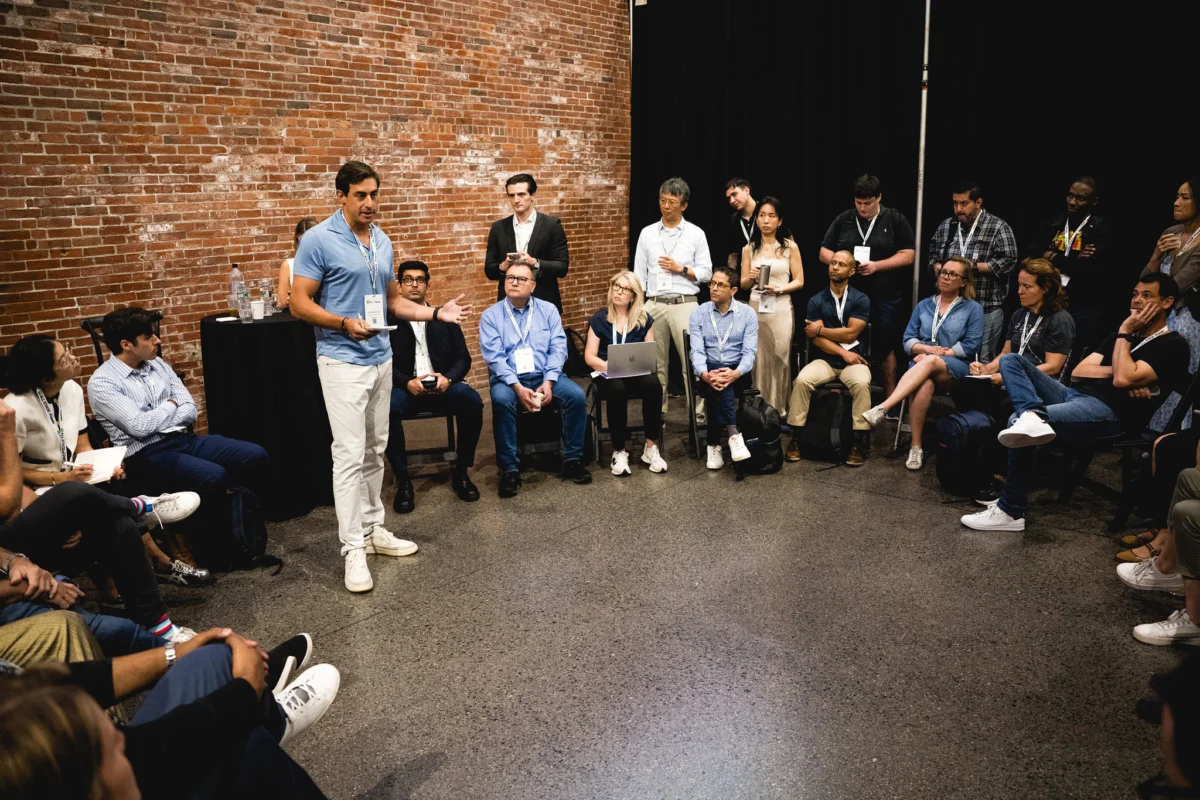
The summit provides a venue for what can be described as "peer-to-peer benchmarking." When founders gather in the break-out rooms, the conversations often turn to the granular details of their business—equity splits, vendor management, and the emotional toll of the CEO role. This informal networking, combined with the structured sessions, creates an environment where a conversation at the coffee station can evolve into a strategic partnership or a series-A introduction.

Strategic Foresight
For the attendee, the summit offers a way to "stress-test" their own business plan against the current market reality. By hearing directly from investors like those at Bessemer or NEA, founders can recalibrate their metrics to match what the market is currently rewarding. For example, understanding how to define product-market fit before the capital runs out is the difference between a company that dies in the seed stage and one that makes it to a successful exit.
Community Building
By bringing together the Boston startup community—and the influx of founders traveling to the city—the summit acts as an anchor event for the local ecosystem. It validates the city’s status as a premier hub for innovation, encouraging both talent and capital to remain anchored in the region.
Conclusion: A Call to Action
The TechCrunch Founder Summit is a testament to the idea that while entrepreneurship is inherently lonely, it does not have to be unguided. The combination of industry-leading speakers, tactical sessions on AI and fundraising, and a curated networking environment provides a unique opportunity for founders to sharpen their edge.
As the startup landscape continues to face unprecedented challenges, the need for community, mentorship, and clear-eyed analysis has never been greater. For those looking to move past the trial-and-error phase and into the execution phase of their startup journey, the November 4 summit at the SoWa Power Station represents a critical investment in their company’s future.
Tickets are currently available at the lowest price tier for the 2026 calendar year. For founders looking to secure their spot and gain access to the full agenda of speakers and breakout sessions, early registration is recommended to take advantage of current pricing before the event reaches capacity.