By PSW Staff
Published October 8, 2026
Introduction: The Universal Struggle of Live Sound Engineering
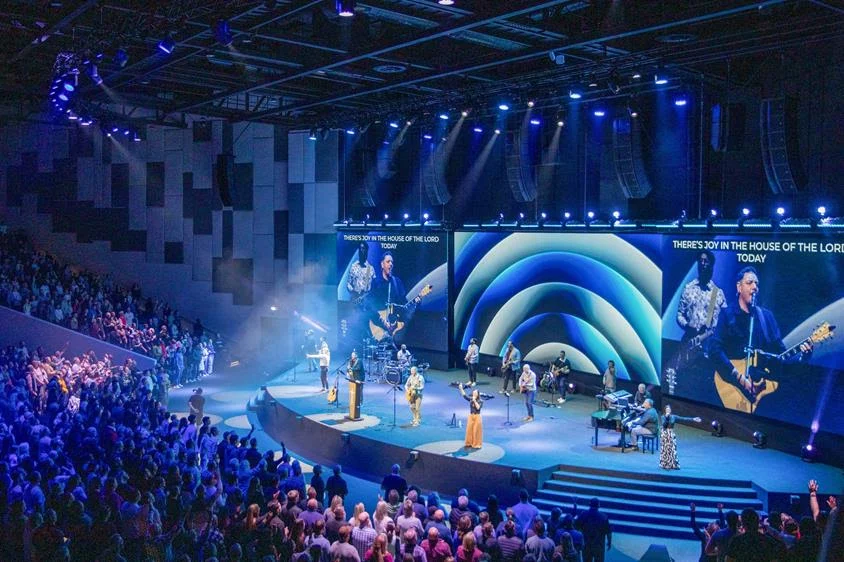
Every live audio engineer, house of worship technician, and volunteer sound operator knows the sinking feeling. You walk into a sanctuary, auditorium, or rented community space, step up to the mixing console, and realize you are fighting an uphill battle against a fundamentally flawed or poorly optimized public address (PA) system. Whether it is plagued by boxy midrange frequencies, harsh high ends, muddy low-end build-up, or uneven coverage across the room, a bad PA system can turn even the most talented worship band or spoken-word presentation into an unintelligible acoustic mess.
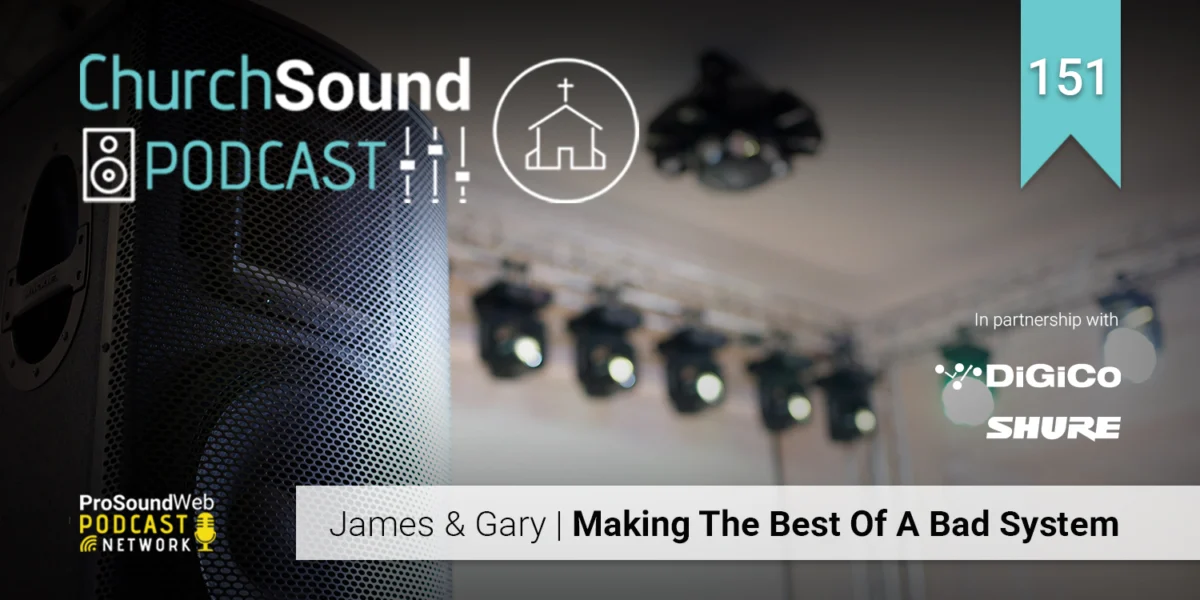
Addressing this universal challenge head-on, The Church Sound Podcast released Episode 151, titled "Making The Best Of A Bad System." Co-hosted by industry veterans James Attaway and Gary Zandstra, this episode dives deep into the underlying physics and basic loudspeaker principles that frequently cause system failures. More importantly, the hosts provide practical, real-world tips, tricks, and tactical adjustments that audio technicians can implement immediately—even when upgrading hardware is completely out of the budget.
Supported by industry giants DiGiCo and Shure, this installment of the podcast serves as a masterclass in troubleshooting, resourcefulness, and acoustical problem-solving for houses of worship and live production environments worldwide.

Main Facts: What Goes Wrong and How to Fix It
When a sound system underperforms, the instinct of many inexperienced operators is to continually push faders, crank the master volume, or radically abuse the graphic and parametric EQs. However, Episode 151 stresses that true improvement begins with understanding why a system sounds bad rather than just treating the symptoms.
Key Factors Discussed in Episode 151:
- Acoustical Limitations vs. Equipment Deficiencies: Often, a bad sound is not the fault of the loudspeaker itself, but rather how it interacts with the room’s architecture, boundary surfaces, and reflection points.
- Strategic EQ Adjustments: Moving away from destructive EQ habits and learning how to surgically carve out problem frequencies that cause listening fatigue and mud.
- Physical Repositioning: Simple physical adjustments—such as altering speaker height, changing splay angles, or shifting loudspeaker placement by even a few feet—can drastically alter coverage patterns and reduce destructive phase cancellation.
- The Physics of Sound Propagation: A foundational breakdown of dispersion patterns, horn loading, boundary loading, and how sound waves interact with physical spaces.
Rather than accepting poor audio quality as an inevitable reality of working with legacy or budget gear, Attaway and Zandstra emphasize that methodical troubleshooting can bridge the gap between a frustrating mix and an engaging, clear auditory experience for the congregation.
Chronology of the Discussion: Breaking Down Episode 151
The conversation flows logically from diagnostic assessment to hands-on remediation, providing listeners with a step-by-step mental framework for tackling problematic systems.
Phase 1: Identifying the Root Cause
The episode opens with a frank discussion about the psychological and technical hurdles of walking into a suboptimal audio environment. The hosts explore how to differentiate between a mixing problem, a gear limitation, and an acoustic catastrophe. Many technicians waste hours tweaking channel strips when the core issue lies in speaker placement or crossover alignment.
Phase 2: The Physics of Failure
Next, Attaway and Zandstra unpack the fundamental physics governing loudspeaker performance. They discuss how high frequencies beam and lose energy, how low frequencies couple with walls and corners (boundary loading), and how improper coverage leads to dead zones and overly hot "hot spots." Understanding these principles allows operators to work with the physics of the room instead of fighting against them.
Phase 3: Tactical Quick Fixes and Workarounds
Moving into practical application, the hosts share actionable adjustments that require little to no financial investment:
- Targeted EQing: Fixing cumulative build-ups in the low-mids that make speech unintelligible.
- Physical Tweaks: Adjusting speaker tilts to direct acoustic energy toward the seats and away from reflective glass, drywall, or hard-surfaced rear walls.
- Gain Structure Management: Ensuring that mixers aren’t driving preamps into clipping or choking downstream processing gear.
Phase 4: Long-Term Strategies and Mindset Shifts
Finally, the episode wraps up with advice on how audio technicians can advocate for their spaces, educate church leadership on the realities of acoustic treatment, and set realistic expectations for what a given sound system can achieve.
Supporting Data, Resources, and Expert Profiles
To help audio teams achieve long-term success, Episode 151 ties into an extensive ecosystem of educational resources provided by the hosts.

Co-Host Insights: James Attaway
James Attaway brings years of hands-on touring and house-of-worship audio experience to the microphone. Beyond the podcast, Attaway has established a robust suite of training materials for modern audio technicians:
- Worship Audio Academy: Accessible at www.attawayaudio.com/academy, this platform offers structured training for church sound operators of all skill levels.
- Live Mixing Field Guide: Authored by Attaway, this quick-start reference guide focuses on the fundamentals of EQ, compression, and effects (livemixingfieldguide.com).
- Educational Content: Technicians can find video walkthroughs and tutorials on the Attaway Audio YouTube Channel and connect directly via AttawayAudio.com.
- Team Leadership & Virtual Sound Checks: Attaway offers free specialized guides, including "How to Lead Your Church Sound Team" to help establish clear mixing targets, and the "Virtual Sound Check Challenge" to help engineers master console setup and rehearsal workflows.
Co-Host Insights: Gary Zandstra
Gary Zandstra brings a massive wealth of industry perspective, boasting more than 35 years of experience in church production as both an AV systems integrator and a manufacturer’s representative. Zandstra’s deep technical background ensures that theoretical discussions on the podcast are always grounded in real-world feasibility. Listeners can explore his extensive archive of articles and system design insights on ProSoundWeb.
Official Responses and Industry Support
The ongoing success of The Church Sound Podcast is made possible through the backing of premier pro-audio manufacturers who recognize the vital role that house-of-worship technicians play in the broader audio industry.
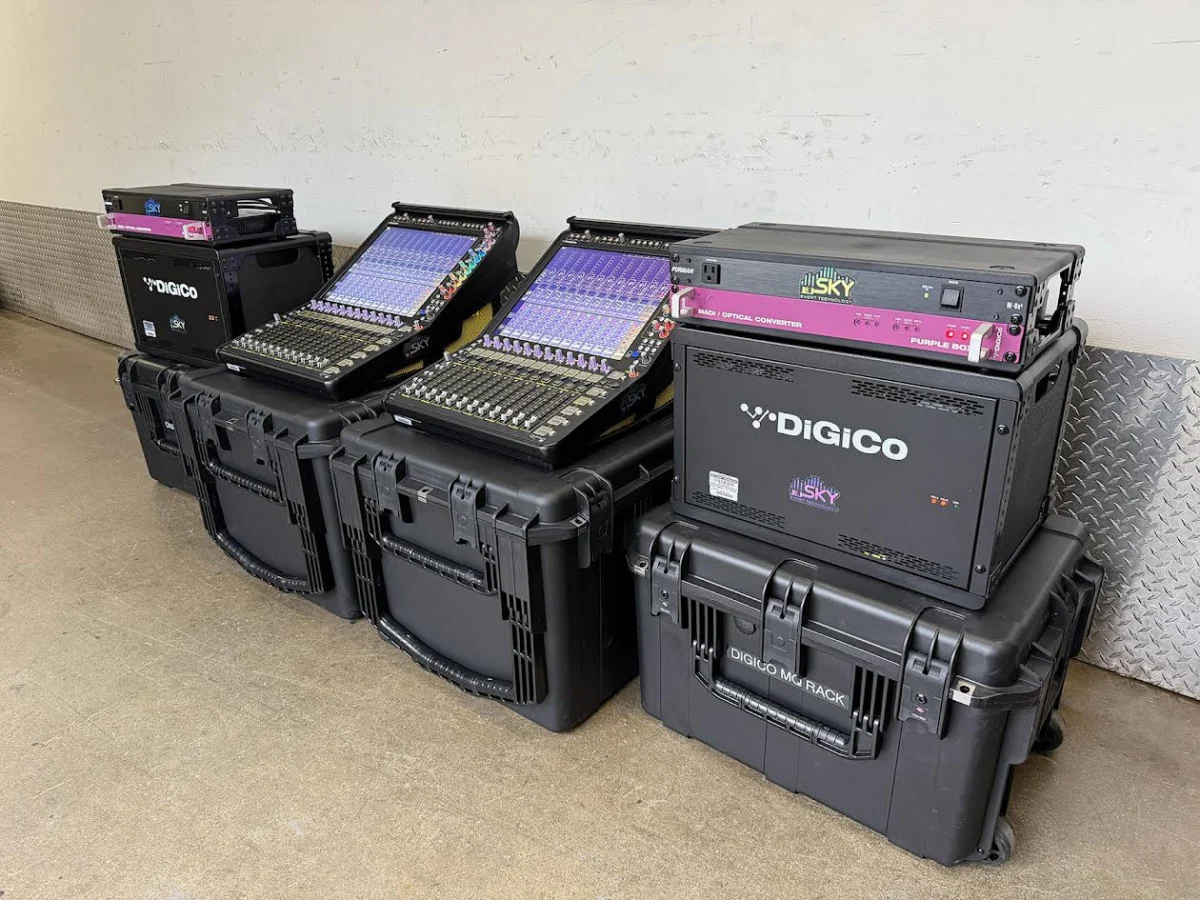
- DiGiCo: As a leading innovator in digital mixing consoles, DiGiCo’s continued support of the podcast underscores the company’s commitment to audio education and empowering engineers at every level—from volunteer-run Sunday services to massive global tours.
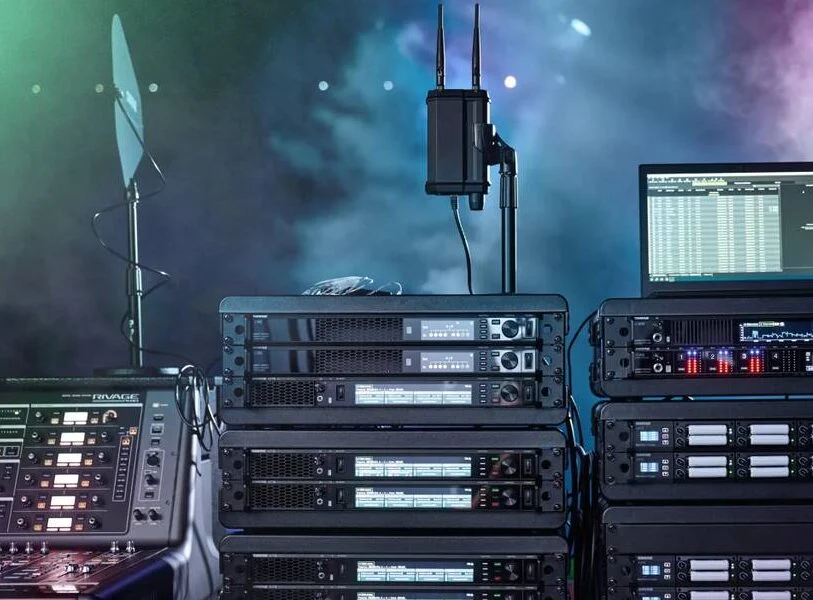
- Shure: A legendary name in microphones, wireless systems, and IEM technology, Shure’s partnership highlights the importance of pristine signal capture and reliable RF coordination in challenging acoustical environments.
Industry professionals have widely praised Episode 151 for its pragmatic approach. Rather than pitching expensive hardware upgrades, the episode validates the struggles of everyday church sound techs and equips them with the analytical tools needed to maximize their current inventory.

Implications for House of Worship Audio Engineers
The lessons imparted in Episode 151 carry significant implications for churches, ministries, and volunteer-based audio departments:
- Shifting from Reactive to Proactive Problem-Solving: Technicians are encouraged to stop blaming their gear and start studying room acoustics and loudspeaker dispersion. A systematic approach to troubleshooting saves time, reduces stress during live services, and yields better sonic results.
- Empowering Volunteers through Education: With resources like Attaway’s Live Mixing Field Guide and Academy, volunteer operators can rapidly elevate their competency. When church sound teams understand the why behind audio engineering, the overall quality of worship services rises exponentially.
- Maximizing ROI on Legacy Systems: Many houses of worship cannot afford a $50,000 PA system overhaul. By learning how to optimize speaker placement, manage gain staging, and apply surgical EQ, churches can dramatically improve their existing sound without straining church budgets.
Conclusion
Whether you are dealing with a poorly designed multi-purpose gymnasium, an overly reverberant historic sanctuary, or simply an aging loudspeaker array, Episode 151 of The Church Sound Podcast proves that you are not powerless. By blending a solid understanding of acoustic physics with clever, real-world tricks, engineers can turn a frustrating listening environment into a space where every spoken word and musical note is delivered with clarity and impact.
To listen to Episode 151 in its entirety and explore the complete archive of episodes, visit the Church Sound Podcast Hub on ProSoundWeb. Don’t forget to follow the show’s new Instagram page @churchsoundpodcast for daily tips, behind-the-scenes content, and community discussions.